Close
Login Register
Search
  • About
    • What We Do
    • Who We Are
    • FAQs
  • Our Writing
    • Explainers
    • Essays
    • Letterbox
    • Reports & More
  • Podcasts
  • Our Events
  • Projects
    • Power In The Food Systems
    • Local-Global Scale Project
    • MEAT: The Four Futures Podcast
    • Fuel To Fork
    • Nature
    • Reckoning with Regeneration
    • SHIFT
    • Rethinking the Global Soy Dilemma
  • Resources
  • Opportunities
    • Jobs
    • Funding
    • Courses
    • Collaborations
    • Events
  • Newsletter
  • TABLE (EN)
Search
Back

Supply chains

Image
Reports
Local Authorities advised to prepare food Brexit plans
The Food Research Collaboration argues in this report that every form of Brexit (for non UK readers, this is the UK’s upcoming departure from the European Union) will affect the UK’s food supply, and that Local Authorities should set up “food resilience teams” to assess local risks to food provision.
Read
Image
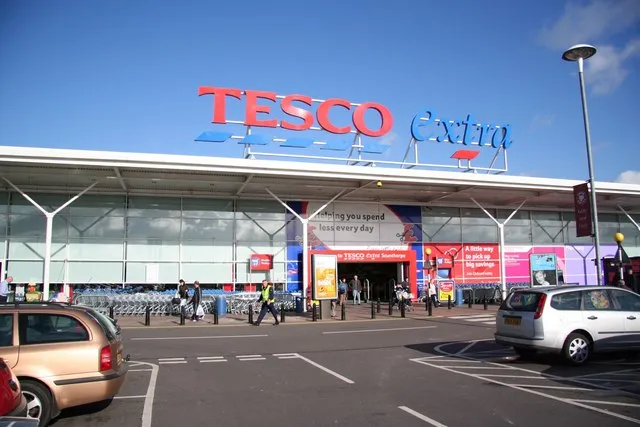
Image: Richard Croft, Tesco Extra, Geograph, Attribution-ShareAlike 2.0 Generic
News and resources
Tesco and WWF to collaborate on sustainable food
UK supermarket Tesco and wildlife NGO WWF have set up a four-year partnership to work on reducing the environmental impacts of food. They aim to halve the environmental impact of the average UK shopping basket, according to a metric that they will develop.
Read
Image
Reports
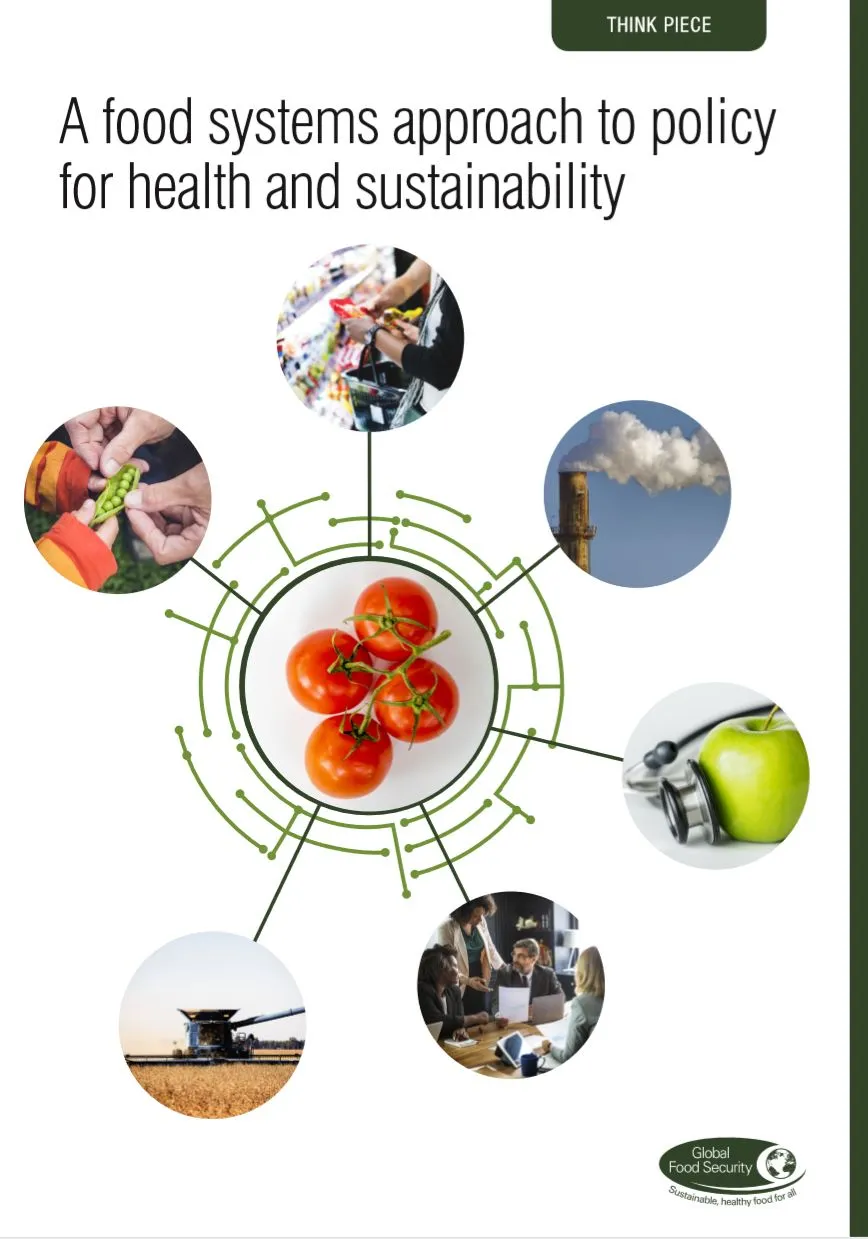
A food systems approach to policy for health and sustainability
The UK’s Global Food Security programme has published a think piece that argues for a systemic approach to food sustainability and health by governments and businesses. The report argues that the whole food system must be examined to identify the root causes of problems before policies are designed.
Read
Image
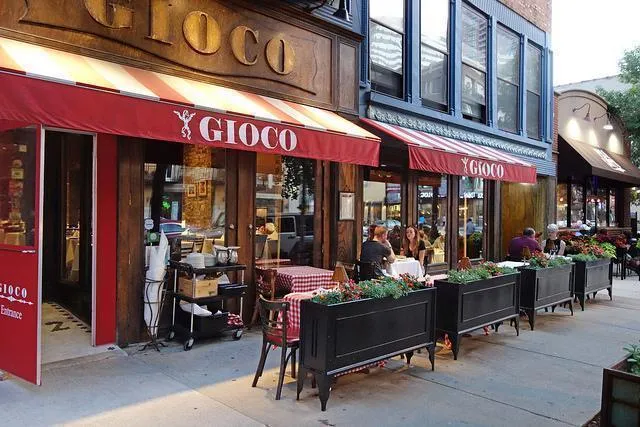
Image: Alan Light, GIOCO restaurant, Chicago, Flickr, Creative Commons Attribution 2.0 Generic
Journal articles
Cities’ role in mitigating US food greenhouse gas emissions
FCRN member Eugene Mohareb of the University of Reading is the lead author on a paper that quantifies greenhouse gas (GHG) emissions associated with the US food supply chain. The paper argues that the majority of food system emissions could be best mitigated by urban areas and urban consumers (see below for definitions), rather by production side mitigation measures. The paper assesses how municipalities and urban dwellers might be able to contribute to deep, long-term emissions cuts along the food supply chain.
Read
Image
Books
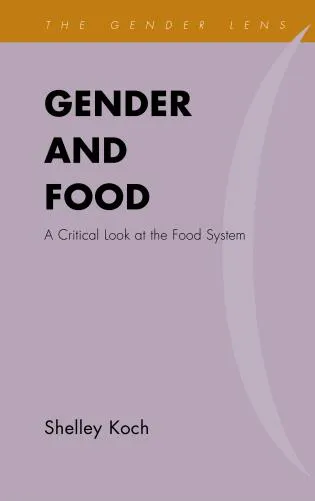
Gender and food: A critical look at the food system (gender lens)
This book, by Shelley Koch, looks at how gender intersects with the different stages of the food supply chain.
Read
Image
Reports
Feeding Britain: food security after Brexit
A report by the Food Research Collaboration argues that the sustainability and security of Britain’s food supply would be put at risk by a hard Brexit or a no-deal Brexit, where the UK reverts to trading according to World Trade Organisation rules. The report points out that the UK imports 30% of its food from the EU, plus another 11% via trade deals negotiated between the EU and other countries. The report claims that the government may suspend food regulations if a no-deal Brexit happens, to minimise barriers to importing food. Furthermore, it criticises the UK government for neglecting the importance of retail and food service in the UK food system.
Read
Image
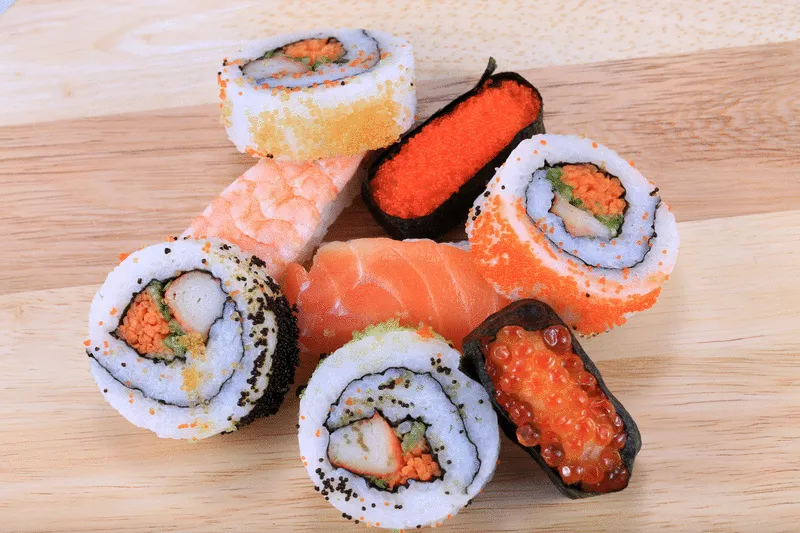
Image: GoodFreePhotos, Set of sushi, CC0 Public Domain
Journal articles
A quarter of seafood sold in Metro Vancouver is mislabelled
Scientists used DNA barcoding (testing a short section of the genome) to check whether fish in Metro Vancouver are really the species that they are labelled as being. They found that 25% of fish sampled were mislabelled, with error rates higher in restaurants than in grocery stores or sushi bars. Since the price of the claimed species was often higher than that of the real species, the paper suggests that some labelling may be intentional. However, the paper also suggests that some errors could be due to confusion between vernacular fish names (rather than scientific species names).
Read
Image
News and resources
Food companies to lobby via Sustainable Food Policy Alliance
The US divisions of Danone, Mars, Nestle and Unilever have established the new Sustainable Food Policy Alliance, hoping to influence policymakers and regulators in five key areas: product transparency, nutrition, the environment, food safety and a positive workplace for food and agriculture workers. According to the Washington Post, the new alliance supports the reduction of salt in packaged foods and the introduction of “nutrition facts panels” to highlight sugar and calorie information (read more here).
Read
Image
Reports
A better Brexit for farm animals
The UK’s Food Research Collaboration initiative has released a briefing paper on the differences in animal welfare standards between the UK and its likely post-Brexit trading partners, such as the fact that antibiotic use in cattle is nine to sixteen times higher in the US than the UK, by weight of cattle. The report points out that welfare standards risk being weakened to help obtain trade deals, and recommends several measures to protect animal welfare after Brexit, including farmer subsidies for higher welfare standards, mandatory labelling to help consumers choose better welfare standards, and using public procurement policies to promote higher welfare.
Read
  • VIEW MORE

Sign up for Fodder, our newsletter covering sustainable food news.

Sign up
  • Glossary
  • About
  • Our Writing
  • Podcasts
  • Resources

Social

YouTube Facebook Instagram

© Copyright 2025

A collaboration between: