Close
Login Register
Search
  • About
    • What We Do
    • Who We Are
    • FAQs
  • Our Writing
    • Explainers
    • Essays
    • Letterbox
    • Reports & More
  • Podcasts
  • Our Events
  • Projects
    • Power In The Food Systems
    • Local-Global Scale Project
    • MEAT: The Four Futures Podcast
    • Fuel To Fork
    • Nature
    • Reckoning with Regeneration
    • SHIFT
    • Rethinking the Global Soy Dilemma
  • Resources
  • Opportunities
    • Jobs
    • Funding
    • Courses
    • Collaborations
    • Events
  • Newsletter
  • TABLE (EN)
Search
Back

Supply chains

Image
News and resources
Oxfam launches supermarket human rights campaign
UK charity Oxfam has launched a new campaign, Behind the Barcodes, to highlight human suffering in the food supply chain. Oxfam has scored the major UK supermarkets on their human rights policies in the categories of transparency, workers, farmers and women, and is encouraging shoppers to contact supermarkets to voice their concerns.
Read
Image
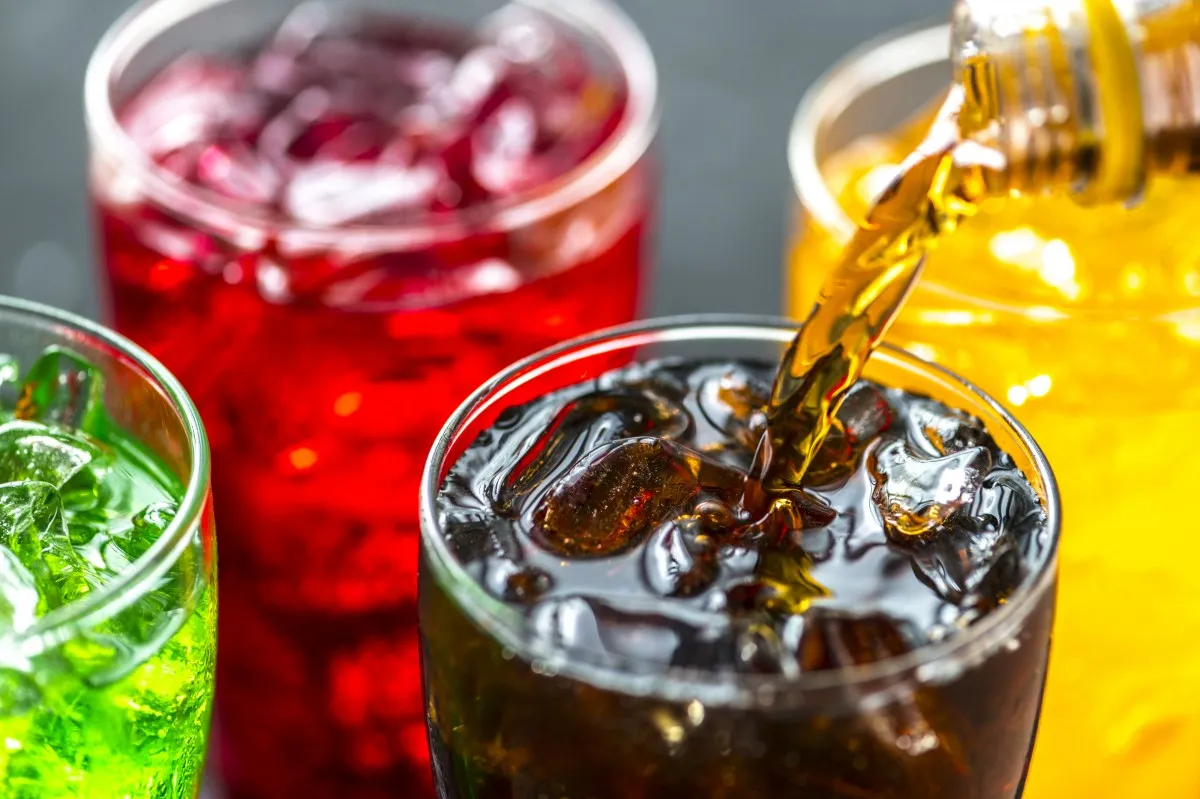
Image: rawpixel.com, Beverage bottle bubble, Pxhere, CC0 Public Domain
News and resources
CO2 shortage still affecting European food and drink supply chain
Disruptions to supplies of food-grade CO2 in Europe are causing shortages of carbonated drinks, meat and crumpets, and could threaten animal welfare. Gasworld explains that several European CO2 plants have prolonged their periods of maintenance downtime due to low CO2 prices (read more here).
Read
Image
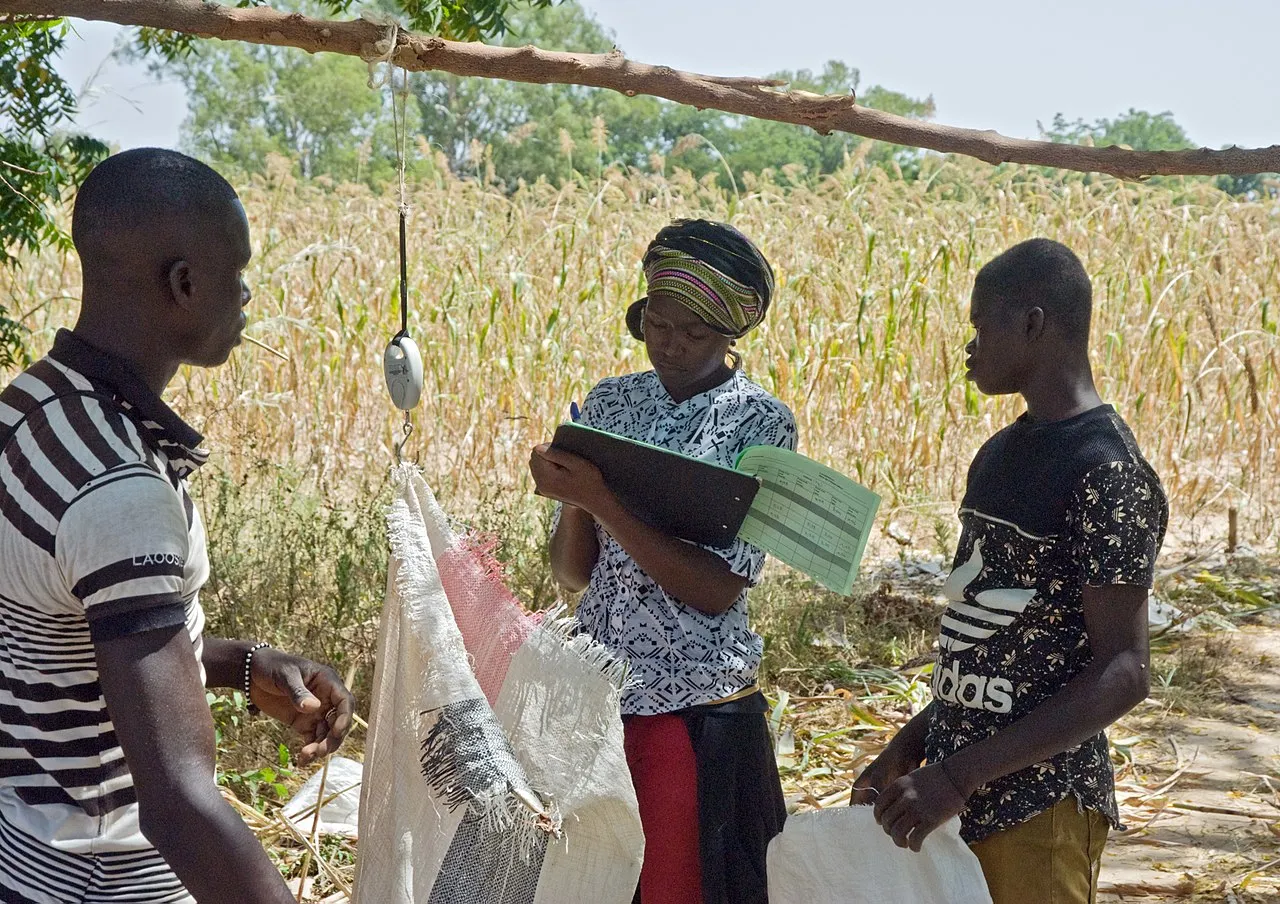
Image: Rik Schuiling, Agricultural scientist taking notes at research station in Saria (Burkina Faso), Wikimedia Commons, Creative Commons Attribution-Share Alike 4.0 International
Journal articles
Research transforms food systems in developing regions
This paper examines the role that agricultural research and innovation has in changing the food systems of developing regions, including urbanisation, decline in the importance of cereals in the diet, rise in processed foods, and shift in types of grains produced. Ways in which research affects the food system include: new breeds and varieties that are suited to small farms and/or ease of processing; cheaper inputs such as irrigation, fertilisers, herbicides and tractors; and introduction of motorised transport and temperature controlled storage. The authors call for more investment in the post-farm stages of the food system, such as processing, logistics, and wholesale, because these stages add significant value to food products.
Read
Image
Image: Neil McIntosh, Cockerel, Flickr, Creative Commons Attribution 2.0 Generic
News and resources
Podcast: Planet Money, Episode 840, Fixing Chicken
A podcast by Planet Money discusses price fixing in the US chicken industry.
Read
Image
Books
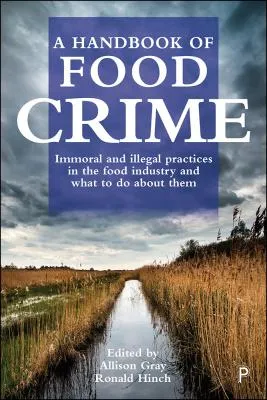
A handbook of food crime
The book “A handbook of food crime: Immoral and illegal practices in the food industry and what to do about them”, edited by Allison Gray and Ronald Hinch, discusses some of the problems in current food systems that lead to food crime. Topics discussed include food adulteration, forced labour in the chocolate industry, animal transportation and regulation of food waste.
Read
Image
Reports
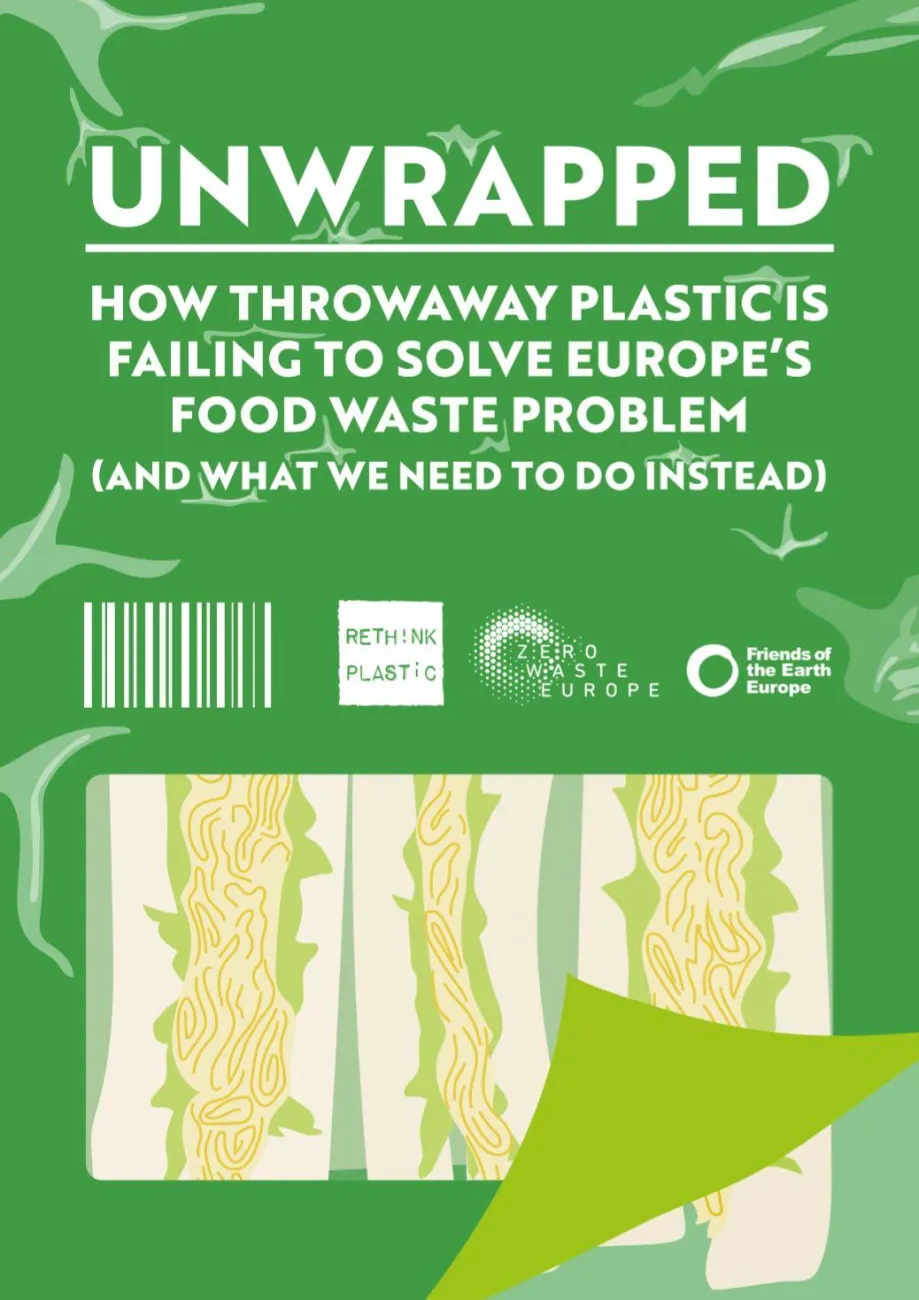
Throwaway plastic and food waste in Europe
A report by Friends of the Earth Europe finds that plastic food packaging is not a solution to growing levels of food waste in Europe, contrary to some claims that packaging can reduce food waste by extending the shelf life of foods. For example, using packaging to group food together in larger packs could encourage customers to buy more food than necessary. Another example is that green beans are often cut to fit into the packaging, causing losses of 30 to 40%.
Read
Image
Image: Detmold, FIshing boat, Pixabay, Creative Commons CC0
News and resources
Seafood supply chain transparency on the blockchain
The World Wide Fund for Nature (WWF) hopes to use blockchain technology to make the entire seafood supply chain traceable. Working with tech startup TraSeable, fishing company Sea Quest and blockchain company Viant, WWF is running a pilot project to trace tuna through the supply chain by tagging catches with radio-frequency identification chips and QR codes - which can be scanned by a mobile phone.
Read
Image
Image: USDA, Man shopping in supermarket, Flickr, Creative Commons Attribution 2.0 Generic
Reports
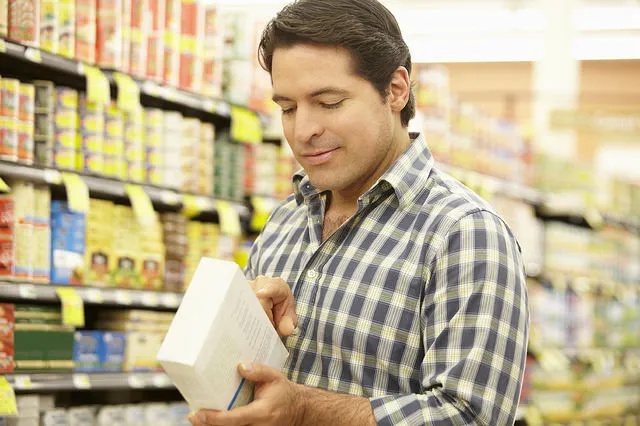
Consumers do not notice on-pack sustainability claims
Shoppers do not notice sustainability rating logos on packaging, according to a report by QuadPackaging and Package Insight. In the study, 60 participants had their eye movements tracked while “shopping” in a retail laboratory. The products they were presented with were fictional brands with logos claiming different levels of sustainability. The logos did not represent a real sustainability standard. While 40% of the participants said that sustainability affects their purchasing decisions, the eye-tracking technology showed that 92% of the participants did not notice the sustainability logos.
Read
Image
Image: Feelphotoz, Palm oil, Flickr, Creative Commons CC0
News and resources
Malaysian farmers unimpressed by EU palm oil ban
Last year, members of the European Parliament voted to ban palm oil in biofuels in Europe by 2020, citing concerns over deforestation (read more about the environmental impacts of palm oil production here). The Guardian spoke to palm oil farmers in Malaysia who are worried they will lose their livelihood. Some of the farmers were given land by the government in the 1980s and do not use recently deforested land. “Our whole community here totally depends on palm oil… everybody is scared of what is going to happen to us in two years time,” said farmer Hussain Mohamed.
Read
  • VIEW MORE

Sign up for Fodder, our newsletter covering sustainable food news.

Sign up
  • Glossary
  • About
  • Our Writing
  • Podcasts
  • Resources

Social

YouTube Facebook Instagram

© Copyright 2025

A collaboration between: