Image Resources Our extensive research library contains thousands of summaries of journal articles, reports and news stories that can be searched by keyword and category RESOURCES CATEGORY Books Briefing paper Event recording Featured articles Featured report Game Journal articles News and resources Reports Think piece Video Working paper Workshop summary Year 2026 2025 2024 2023 2022 2021 2020 2019 2018 2017 2016 2015 2014 2013 2012 2011 2010 2009 2008 2007 2002 2001 Image Reports Food, Brexit and Northern Ireland: Critical issues This report from the Food Research Collaboration, by Gary McFarlane, Tony Lewis and Tim Lang, argues that the Brexit negotiations have neglected the importance of the transport of food into, out of and through Northern Ireland. Read Image Reports Experts say leftovers can be safely fed to pigs Experts agree that feeding properly treated food waste to pigs can be done safely at scale, according to a seminar report by FCRN member Karen Luyckx of food waste charity Feedback (our thanks to FCRN member Jessica Sinclair Taylor, also of Feedback, for bringing this research to our attention). Read Image Journal articles Environmental impacts of food waste management options FCRN member Ramy Salemdeeb of Ricardo Energy & Environment used Life Cycle Assessment to calculate 14 different categories of environmental impacts of three food waste management options: incineration, composting and anaerobic digestion. Composting had the lowest impacts in 7 out of the 14 impact categories. Read Image Journal articles Climate implications of EU food destruction policy Fresh fruit and vegetables deliberately withdrawn from the market and destroyed under the EU’s Common Agricultural Policy accounted for 5.1 Mt CO2 eq. in embedded production-stage emissions between 1989 and 2015, according to research by FCRN member Stephen Porter of the University of Edinburgh. Read Image Journal articles EU trade liberalisation and agricultural emissions This paper looks at how trade liberalisation could impact the effectiveness of climate mitigation policies for non-CO2 emissions in the EU agricultural sector. Three scenarios are modelled: free trade agreements (FTA) alone; an EU carbon tax; and the combination of both. Read Image Journal articles Healthy fisheries can reduce bycatch Many important marine species, including marine mammals, sea turtles and seabirds, are threatened by bycatch - i.e. being accidentally caught by fishers who are targeting other species. A new paper finds that around half of the populations threatened by bycatch could be protected by managing fish stocks to maximise fishery profits, which would reduce bycatch as a side-effect of reducing overfishing. Read Image News and resources Map: Effects of sustainability standards The Oxford Long-Term Ecology Lab has published a map of studies published between 1990 and October 2017 that report evidence on the effects of adopting one or more sustainability standards. You can filter the map by several criteria including country, name of standard, commodity covered and research method. Topics covered include agriculture, fishing, forestry and textiles. Read Image News and resources Nature Friendly Farming Network The Nature Friendly Farming Network connects farmers who want to farm sustainably and seek positive changes in policy. You can sign up for newsletter from the network: join as a farmer here, or as a member of the public here. Read Image News and resources Replacing pesticides with bacteria Several companies are using microbes to improve crop performance. One of them is Indigo, which uses machine learning to identify the microbes associated with healthy plants and then coats seedlings with these microbes. Indigo’s method has increased wheat yields by 15% and cotton yields by 14% in trials. Read VIEW MORE
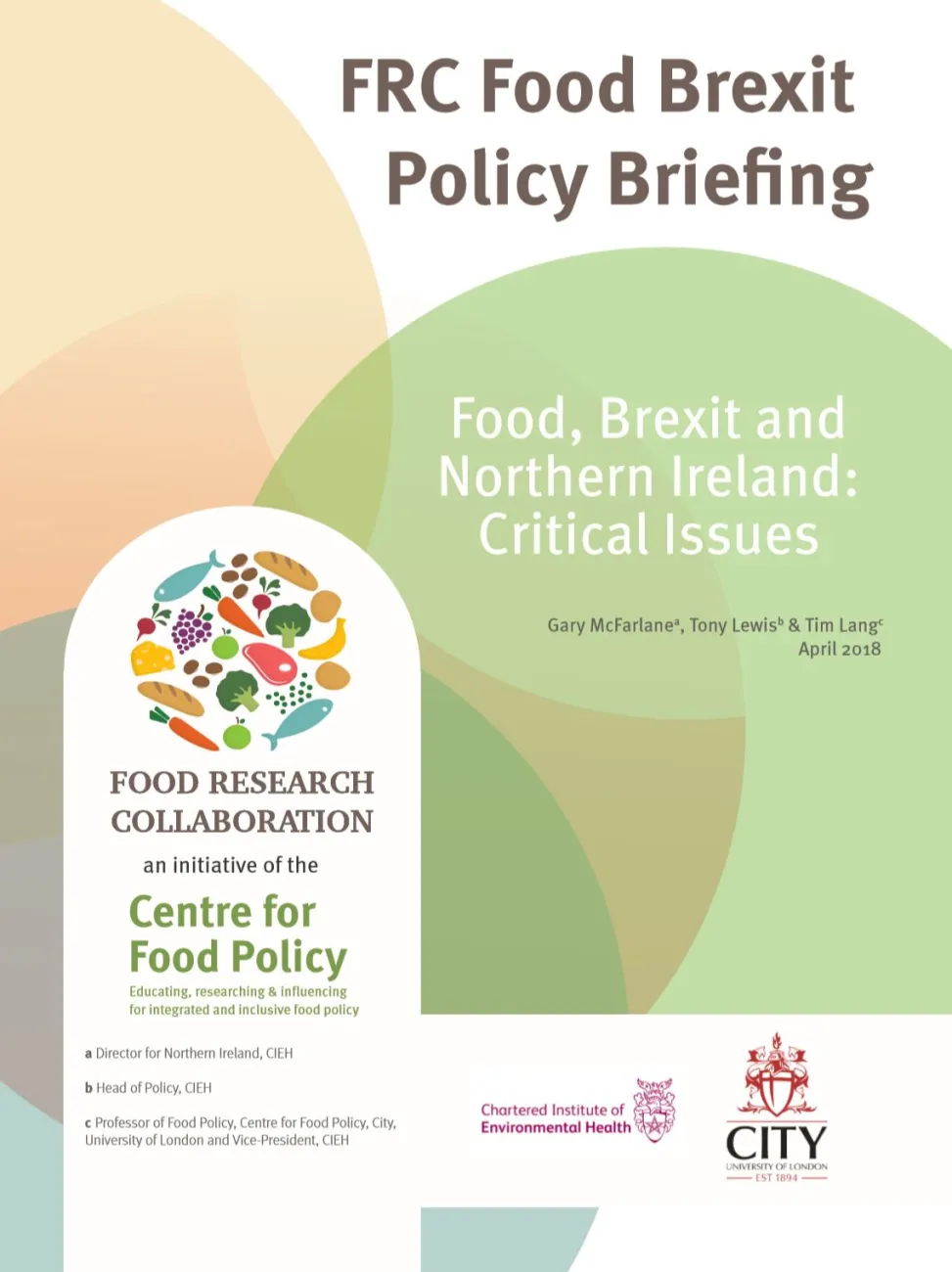
Image Reports Food, Brexit and Northern Ireland: Critical issues This report from the Food Research Collaboration, by Gary McFarlane, Tony Lewis and Tim Lang, argues that the Brexit negotiations have neglected the importance of the transport of food into, out of and through Northern Ireland. Read
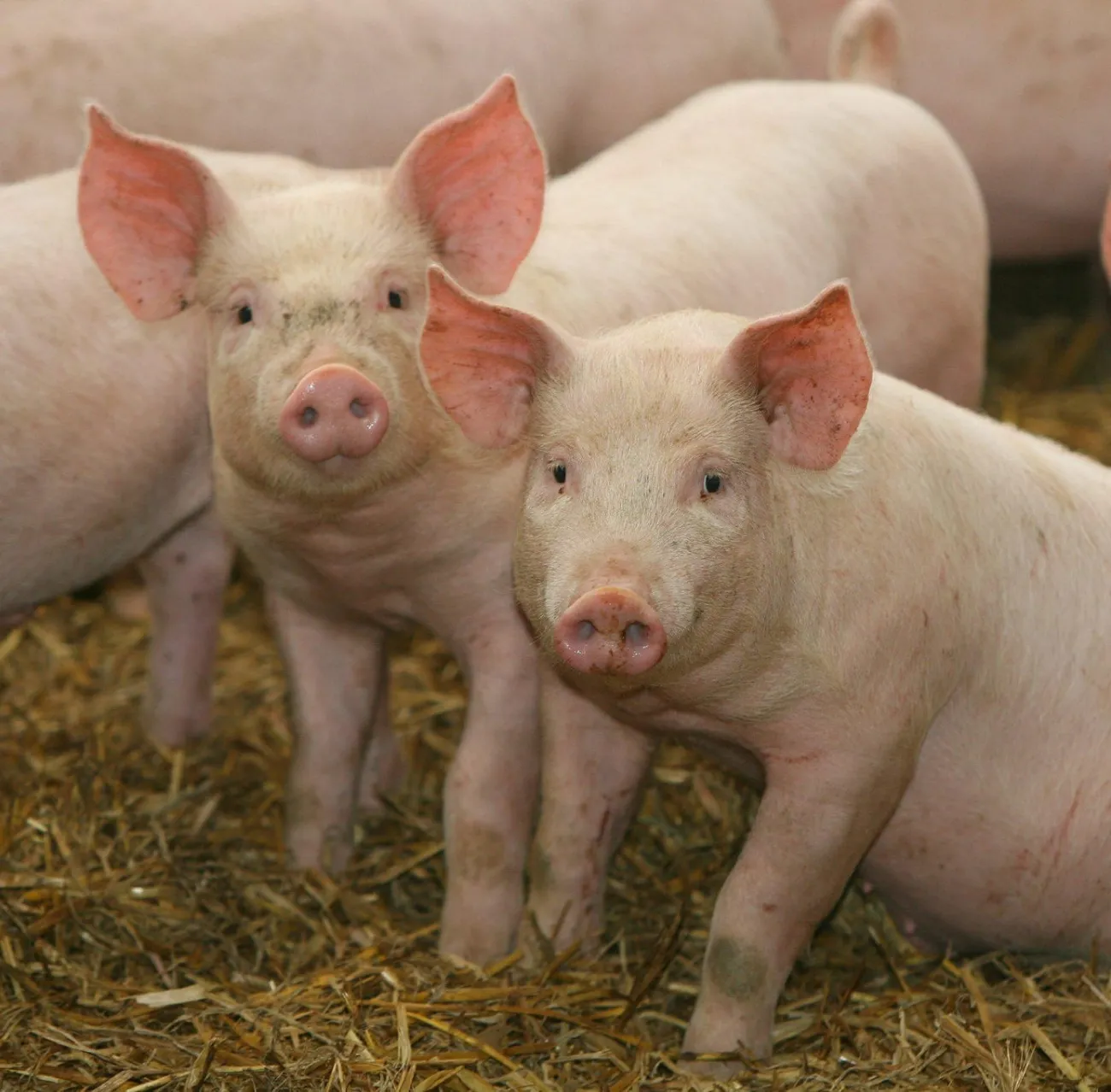
Image Reports Experts say leftovers can be safely fed to pigs Experts agree that feeding properly treated food waste to pigs can be done safely at scale, according to a seminar report by FCRN member Karen Luyckx of food waste charity Feedback (our thanks to FCRN member Jessica Sinclair Taylor, also of Feedback, for bringing this research to our attention). Read
Image Journal articles Environmental impacts of food waste management options FCRN member Ramy Salemdeeb of Ricardo Energy & Environment used Life Cycle Assessment to calculate 14 different categories of environmental impacts of three food waste management options: incineration, composting and anaerobic digestion. Composting had the lowest impacts in 7 out of the 14 impact categories. Read
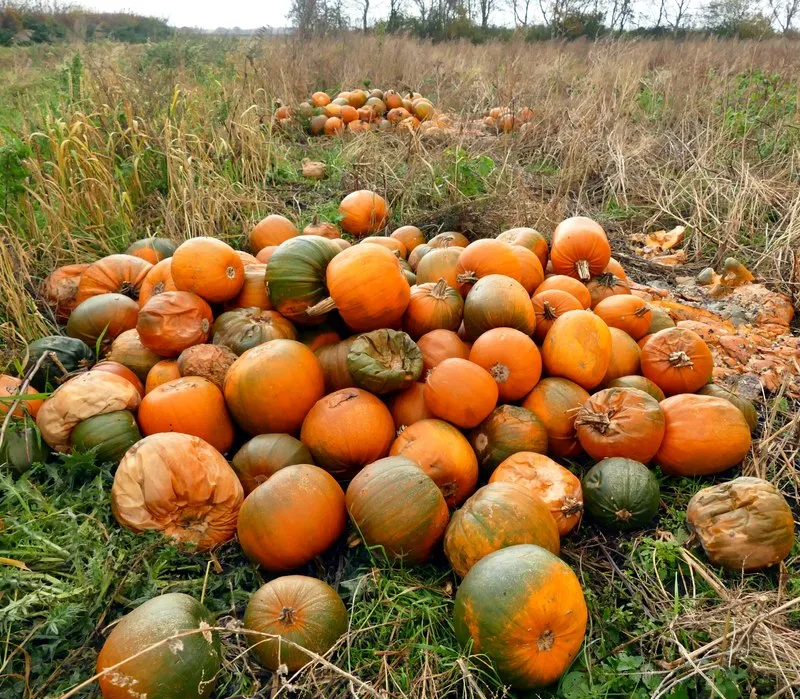
Image Journal articles Climate implications of EU food destruction policy Fresh fruit and vegetables deliberately withdrawn from the market and destroyed under the EU’s Common Agricultural Policy accounted for 5.1 Mt CO2 eq. in embedded production-stage emissions between 1989 and 2015, according to research by FCRN member Stephen Porter of the University of Edinburgh. Read
Image Journal articles EU trade liberalisation and agricultural emissions This paper looks at how trade liberalisation could impact the effectiveness of climate mitigation policies for non-CO2 emissions in the EU agricultural sector. Three scenarios are modelled: free trade agreements (FTA) alone; an EU carbon tax; and the combination of both. Read
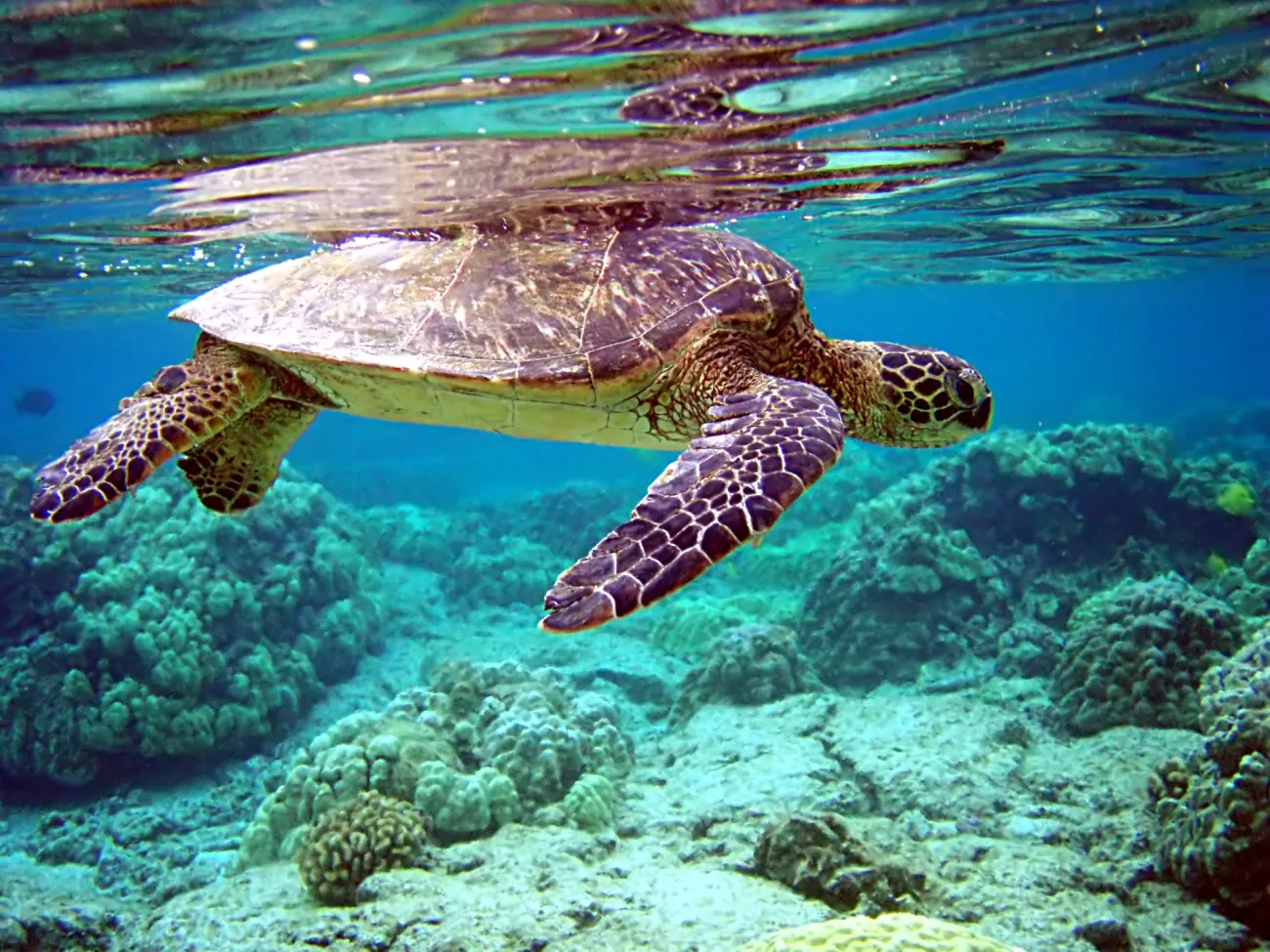
Image Journal articles Healthy fisheries can reduce bycatch Many important marine species, including marine mammals, sea turtles and seabirds, are threatened by bycatch - i.e. being accidentally caught by fishers who are targeting other species. A new paper finds that around half of the populations threatened by bycatch could be protected by managing fish stocks to maximise fishery profits, which would reduce bycatch as a side-effect of reducing overfishing. Read
Image News and resources Map: Effects of sustainability standards The Oxford Long-Term Ecology Lab has published a map of studies published between 1990 and October 2017 that report evidence on the effects of adopting one or more sustainability standards. You can filter the map by several criteria including country, name of standard, commodity covered and research method. Topics covered include agriculture, fishing, forestry and textiles. Read
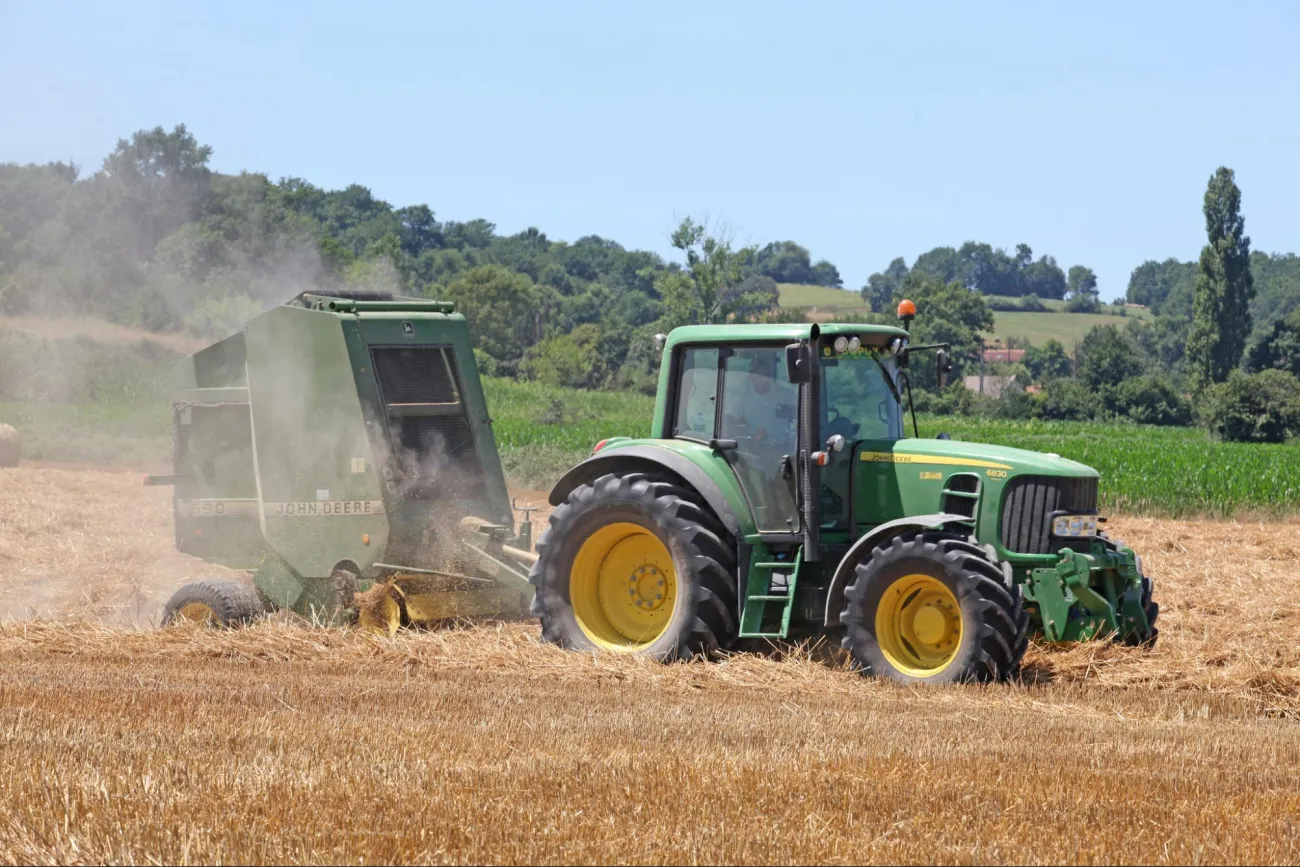
Image News and resources Nature Friendly Farming Network The Nature Friendly Farming Network connects farmers who want to farm sustainably and seek positive changes in policy. You can sign up for newsletter from the network: join as a farmer here, or as a member of the public here. Read
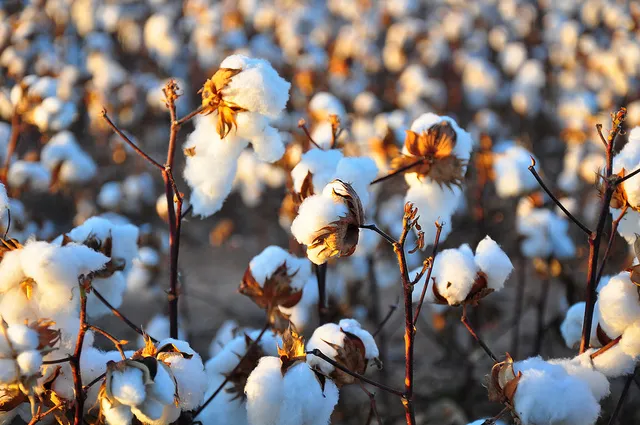
Image News and resources Replacing pesticides with bacteria Several companies are using microbes to improve crop performance. One of them is Indigo, which uses machine learning to identify the microbes associated with healthy plants and then coats seedlings with these microbes. Indigo’s method has increased wheat yields by 15% and cotton yields by 14% in trials. Read