Image Resources Our extensive research library contains thousands of summaries of journal articles, reports and news stories that can be searched by keyword and category RESOURCES CATEGORY Books Briefing paper Event recording Featured articles Featured report Game Journal articles News and resources Reports Think piece Video Working paper Workshop summary Year 2026 2025 2024 2023 2022 2021 2020 2019 2018 2017 2016 2015 2014 2013 2012 2011 2010 2009 2008 2007 2002 2001 Image News and resources Scientists improve enzyme that eats plastic bottles Scientists have unintentionally created a variant of a bacterial enzyme that is 20% better than the original at breaking down polyethylene terephthalate, commonly used to make plastic bottles. The researchers were investigating the properties of a bacterium that has naturally evolved to digest plastic. Read Image News and resources UK businesses agree to cut plastics UK charity WRAP has launched the UK Plastics Pact, a voluntary scheme which brings together businesses responsible for 80% of the plastic packaging on products sold in UK supermarkets. The pact aims to make 100% of plastic packaging reusable, recyclable or compostable by 2025, among other goals. Read Image News and resources EU votes to ban neonicotinoid pesticides European Union member countries have voted to ban three neonicotinoid pesticides. Neonicotinoids have been linked to the decline of bees and other pollinators. Neonicotinoids will be banned from use in open fields by the end of 2018, but will still be permitted inside closed greenhouses. Read Image Books Sustainable aquaculture This book, edited by Faisal I. Hai, Chettiyappan Visvanathan and Ramaraj Boopathy, discusses the social, economic and environmental sustainability implications of various aquaculture practices. Read Image Reports UK fish stock recovery could create jobs Building UK fish stocks up to their maximum sustainable yields could increase fish catches by 27%, create 5,100 new jobs and add £319 million to the UK’s GDP, NGO Oceana reports. Oceana points out that Brexit may provide a window of opportunity to change the UK’s fishing practices for the better. Read Image Journal articles Support for swill as animal feed FCRN member Erasmus zu Ermgassen has found that in a survey of farmers and other stakeholders, more than 75% of them would support re-legalising the use of swill (cooked waste food) as animal feed. Half of all pig farmers said they would consider using swill on their farm, were it re-legalised and safe heat-treatment procedures introduced. Erasmus has written a blog post to explain the topic. Read Image Journal articles Intensive cattle ranching in the Brazilian Amazon FCRN member Erasmus zu Ermgassen of the University of Cambridge has surveyed six NGO initiatives that are promoting sustainable cattle ranching in the Brazilian Amazon by using intensified pasture production to avoid deforestation. He finds that high-productivity cattle ranching is possible, requiring investment of US$410–2180/ha with payback times of 2.5–8.5 years. However, several barriers exist, including knowledge transfer, financial support and transparency in cattle supply chains. Read Image Journal articles Tropical forest fragmentation nearing critical point Tropical deforestation is nearing a critical point, beyond which the rate of forest fragmentation could increase much more rapidly than the rate of forest area loss, according to a study. Fragmentation can have negative effects on biodiversity and also increases carbon emissions beyond those from just the deforested areas, since trees are at greater risk of dying on the edges between forest and cleared land. The researchers predict that reforestation and a reduction in the rate of deforestation are both needed if fragmentation is to be reversed. Read Image Journal articles Balancing farmland intensification and biodiversity Intensifying agricultural production can make farmland less valuable for wildlife, says a new paper, but optimising land use (by intensifying agriculture in areas where it will cause the least biodiversity loss) can reduce the projected biodiversity loss by up to 88%. The winners and losers of this strategy depend on whether land use is optimised globally or nationally. Read VIEW MORE
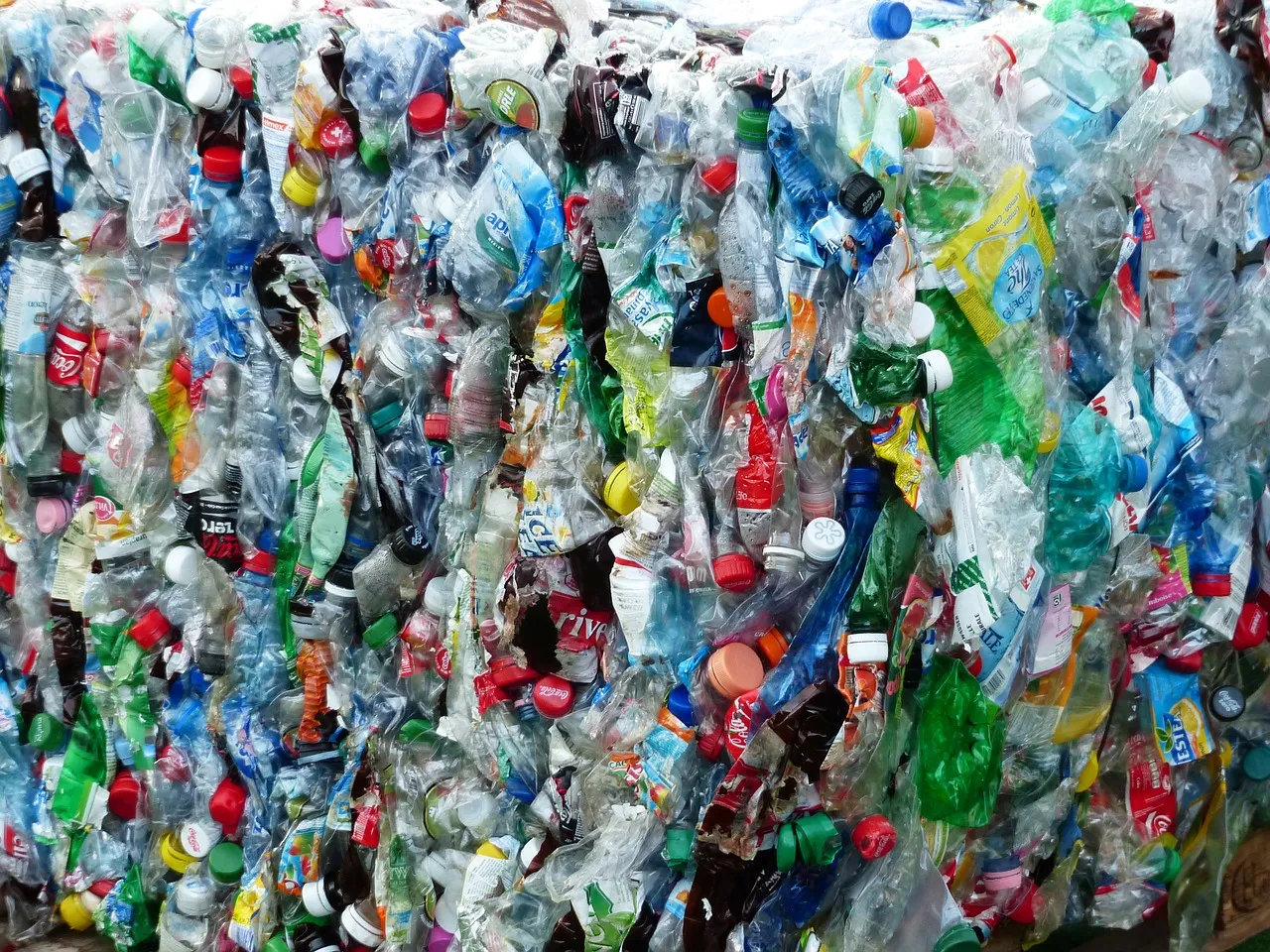
Image News and resources Scientists improve enzyme that eats plastic bottles Scientists have unintentionally created a variant of a bacterial enzyme that is 20% better than the original at breaking down polyethylene terephthalate, commonly used to make plastic bottles. The researchers were investigating the properties of a bacterium that has naturally evolved to digest plastic. Read
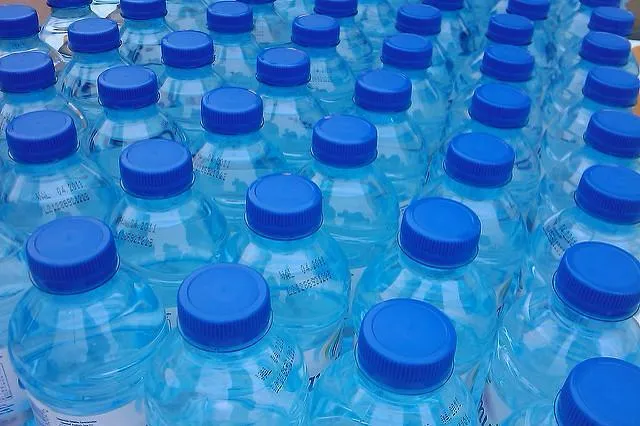
Image News and resources UK businesses agree to cut plastics UK charity WRAP has launched the UK Plastics Pact, a voluntary scheme which brings together businesses responsible for 80% of the plastic packaging on products sold in UK supermarkets. The pact aims to make 100% of plastic packaging reusable, recyclable or compostable by 2025, among other goals. Read
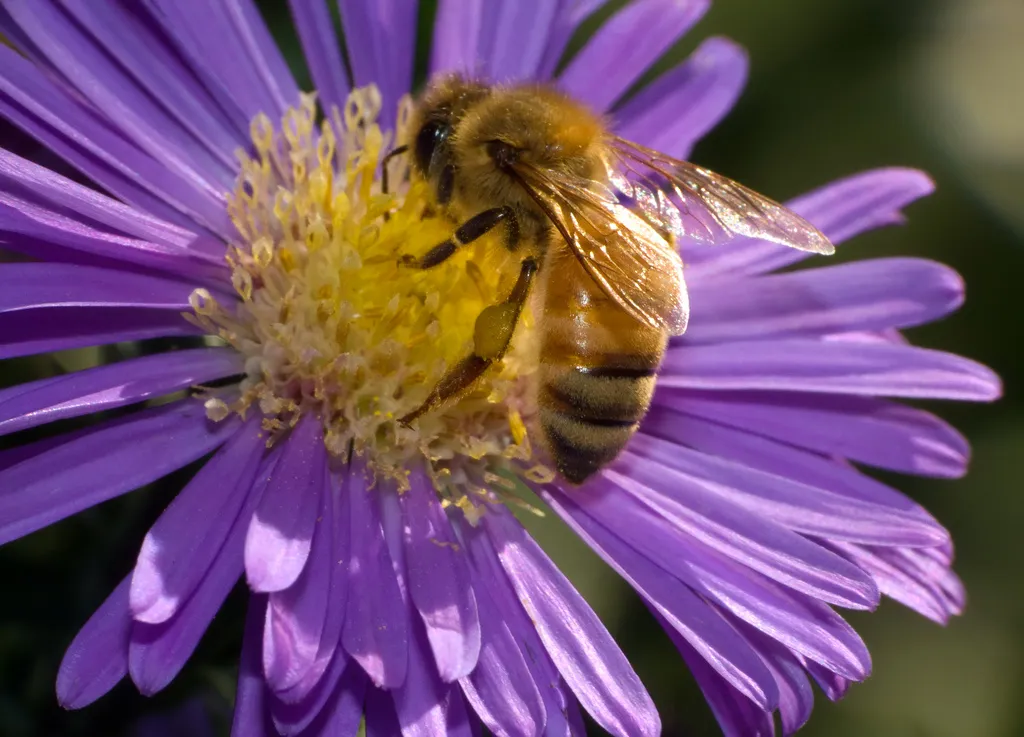
Image News and resources EU votes to ban neonicotinoid pesticides European Union member countries have voted to ban three neonicotinoid pesticides. Neonicotinoids have been linked to the decline of bees and other pollinators. Neonicotinoids will be banned from use in open fields by the end of 2018, but will still be permitted inside closed greenhouses. Read
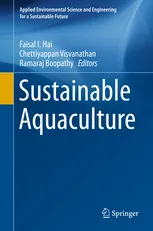
Image Books Sustainable aquaculture This book, edited by Faisal I. Hai, Chettiyappan Visvanathan and Ramaraj Boopathy, discusses the social, economic and environmental sustainability implications of various aquaculture practices. Read
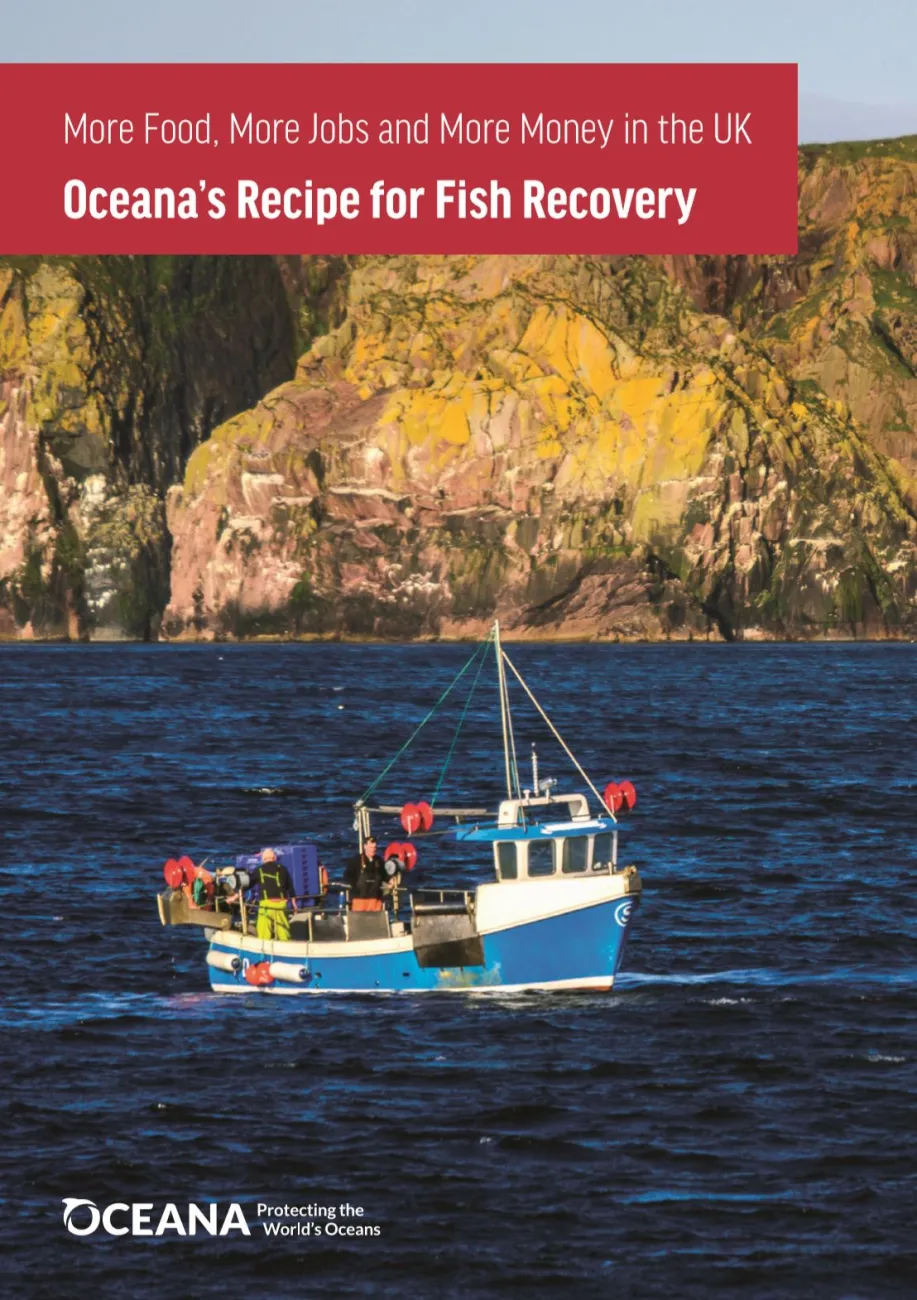
Image Reports UK fish stock recovery could create jobs Building UK fish stocks up to their maximum sustainable yields could increase fish catches by 27%, create 5,100 new jobs and add £319 million to the UK’s GDP, NGO Oceana reports. Oceana points out that Brexit may provide a window of opportunity to change the UK’s fishing practices for the better. Read
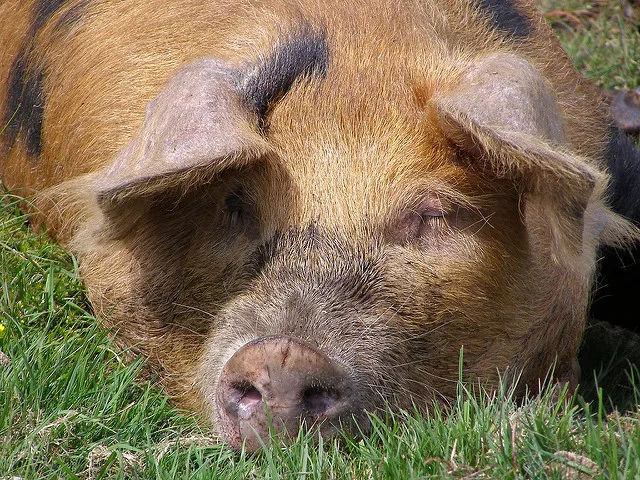
Image Journal articles Support for swill as animal feed FCRN member Erasmus zu Ermgassen has found that in a survey of farmers and other stakeholders, more than 75% of them would support re-legalising the use of swill (cooked waste food) as animal feed. Half of all pig farmers said they would consider using swill on their farm, were it re-legalised and safe heat-treatment procedures introduced. Erasmus has written a blog post to explain the topic. Read
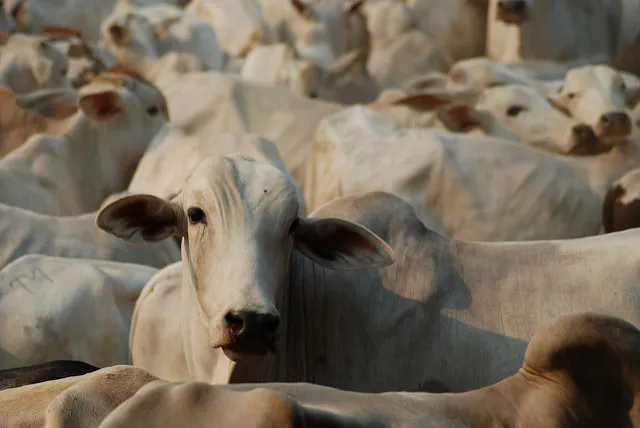
Image Journal articles Intensive cattle ranching in the Brazilian Amazon FCRN member Erasmus zu Ermgassen of the University of Cambridge has surveyed six NGO initiatives that are promoting sustainable cattle ranching in the Brazilian Amazon by using intensified pasture production to avoid deforestation. He finds that high-productivity cattle ranching is possible, requiring investment of US$410–2180/ha with payback times of 2.5–8.5 years. However, several barriers exist, including knowledge transfer, financial support and transparency in cattle supply chains. Read
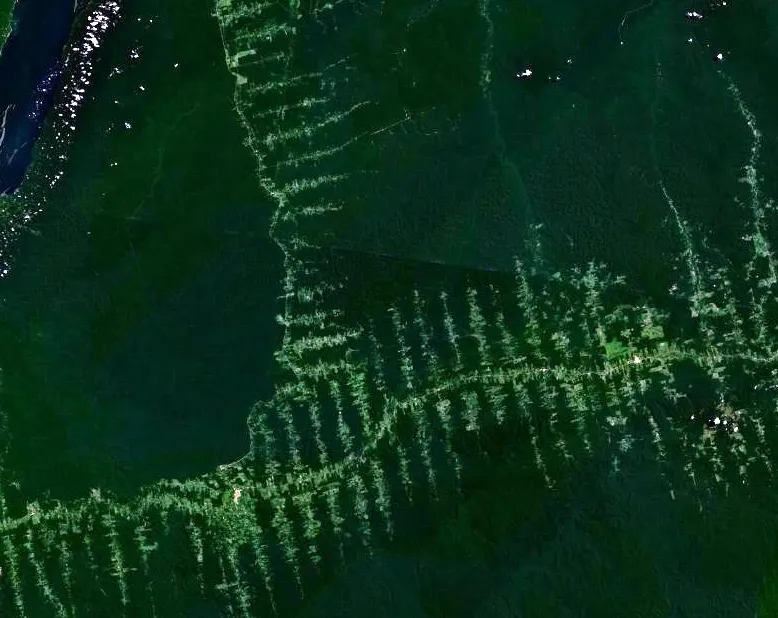
Image Journal articles Tropical forest fragmentation nearing critical point Tropical deforestation is nearing a critical point, beyond which the rate of forest fragmentation could increase much more rapidly than the rate of forest area loss, according to a study. Fragmentation can have negative effects on biodiversity and also increases carbon emissions beyond those from just the deforested areas, since trees are at greater risk of dying on the edges between forest and cleared land. The researchers predict that reforestation and a reduction in the rate of deforestation are both needed if fragmentation is to be reversed. Read
Image Journal articles Balancing farmland intensification and biodiversity Intensifying agricultural production can make farmland less valuable for wildlife, says a new paper, but optimising land use (by intensifying agriculture in areas where it will cause the least biodiversity loss) can reduce the projected biodiversity loss by up to 88%. The winners and losers of this strategy depend on whether land use is optimised globally or nationally. Read