Image Resources Our extensive research library contains thousands of summaries of journal articles, reports and news stories that can be searched by keyword and category RESOURCES CATEGORY Books Briefing paper Event recording Featured articles Featured report Game Journal articles News and resources Reports Think piece Video Working paper Workshop summary Year 2026 2025 2024 2023 2022 2021 2020 2019 2018 2017 2016 2015 2014 2013 2012 2011 2010 2009 2008 2007 2002 2001 Image Resource New climate-smart agriculture portal by CCAFS This new CSA Guide provides guidance on how to transform agriculture initiatives to become climate-resilient. The site covers the basics (what is CSA and why do we need it?) and offers detailed guidance on CSA planning, finance, and case studies from around the world. Read Image Resource Positive consumer responses to insect burger Belgian researchers have undertaken blind taste tests in which individuals are asked to rate the taste of a normal meat burger, a vegetarian burger and a burger made with mealworms. Read Image Resource Biofuels, Food Security, and Developing Economies The last decade has witnessed major crises in both food and energy security across the world. One response to the challenges of climate change and energy supply has been the development of crops to be used for biofuels. But, as this book shows, this can divert agricultural land from food production to energy crops, thus affecting food security, particularly in less developed countries. Read Image Resource Routledge Handbook of Food and Nutrition Security The concept of food and nutrition security has evolved and risen to the top of the international policy agenda over the last decade. Yet it is a complex and multi-faceted issue, requiring a broad and inter-disciplinary perspective for full understanding. Read Image Resource A three-year update on Oxfam’s Behind the Brands campaign The Oxfam campaign Behind the Brands has now been going for three years, its main goal being to change the way the food companies do business and eradicate hunger. The campaign targeted the top 10 global food and beverage companies and tried to get them to change on 7 important issues. Read Image Resource Food Systems and Natural Resources. A Report of the Working Group on Food Systems of the International Resource Panel This report, Food Systems and Natural Resources”developed by the International Resource Panel (IRP) looks at the use and management of natural resources that go into the food system, the consequences of that management and the options to improve the efficiency with which they are managed. Read Image Resource IPES report “From uniformity to diversity: a paradigm shift from industrial agriculture to diversified agroecological systems” The iPES food panel (International Panel of Experts on Sustainable Food Systems), has published a report reviewing the latest evidence on benefits and challenges with different production models, specifically looking at the industrial agriculture and agroecological farming systems. It argues that there are eight key reasons why industrial agriculture is locked in place despite its negative impacts; and it maps out a series of steps to break these cycles and shift towards expanding agroecological farming. Read Image Resource The phosphorus cost of agricultural intensification in the tropics This paper published in Nature Plants finds that if tropical farming intensifies, major additions of phosphorus to soils will be needed Read Image Resource 'Climate-smart soils' may help balance the carbon budget This paper looks at how soil can help contribute to climate mitigation. It argues that by decreasing greenhouse gas emissions, sequestering carbon and using prudent agricultural management practices that improve the soil-nitrogen cycle (tighter cycle with less leakage), it is possible to enhance soil fertility, bolster crop productivity, improve soil biodiversity, and reduce erosion, runoff and water pollution. Read VIEW MORE
Image Resource New climate-smart agriculture portal by CCAFS This new CSA Guide provides guidance on how to transform agriculture initiatives to become climate-resilient. The site covers the basics (what is CSA and why do we need it?) and offers detailed guidance on CSA planning, finance, and case studies from around the world. Read
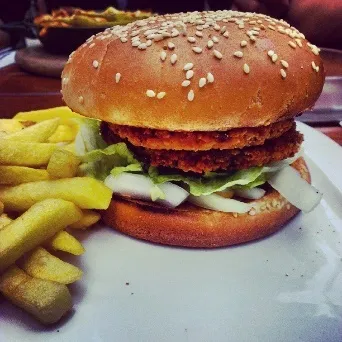
Image Resource Positive consumer responses to insect burger Belgian researchers have undertaken blind taste tests in which individuals are asked to rate the taste of a normal meat burger, a vegetarian burger and a burger made with mealworms. Read
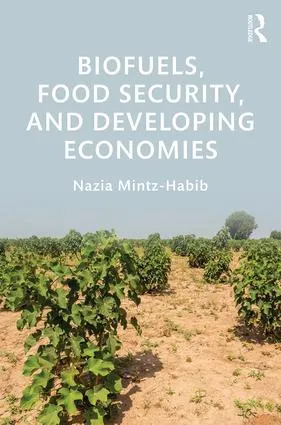
Image Resource Biofuels, Food Security, and Developing Economies The last decade has witnessed major crises in both food and energy security across the world. One response to the challenges of climate change and energy supply has been the development of crops to be used for biofuels. But, as this book shows, this can divert agricultural land from food production to energy crops, thus affecting food security, particularly in less developed countries. Read
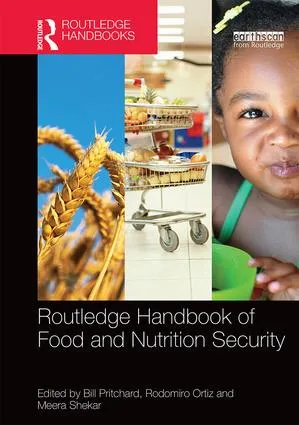
Image Resource Routledge Handbook of Food and Nutrition Security The concept of food and nutrition security has evolved and risen to the top of the international policy agenda over the last decade. Yet it is a complex and multi-faceted issue, requiring a broad and inter-disciplinary perspective for full understanding. Read
Image Resource A three-year update on Oxfam’s Behind the Brands campaign The Oxfam campaign Behind the Brands has now been going for three years, its main goal being to change the way the food companies do business and eradicate hunger. The campaign targeted the top 10 global food and beverage companies and tried to get them to change on 7 important issues. Read
Image Resource Food Systems and Natural Resources. A Report of the Working Group on Food Systems of the International Resource Panel This report, Food Systems and Natural Resources”developed by the International Resource Panel (IRP) looks at the use and management of natural resources that go into the food system, the consequences of that management and the options to improve the efficiency with which they are managed. Read
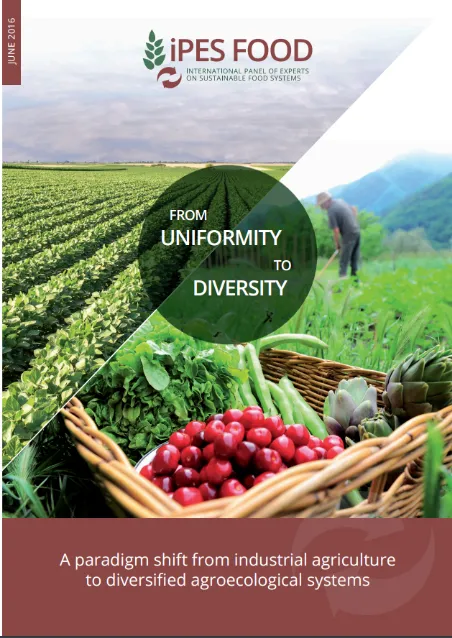
Image Resource IPES report “From uniformity to diversity: a paradigm shift from industrial agriculture to diversified agroecological systems” The iPES food panel (International Panel of Experts on Sustainable Food Systems), has published a report reviewing the latest evidence on benefits and challenges with different production models, specifically looking at the industrial agriculture and agroecological farming systems. It argues that there are eight key reasons why industrial agriculture is locked in place despite its negative impacts; and it maps out a series of steps to break these cycles and shift towards expanding agroecological farming. Read
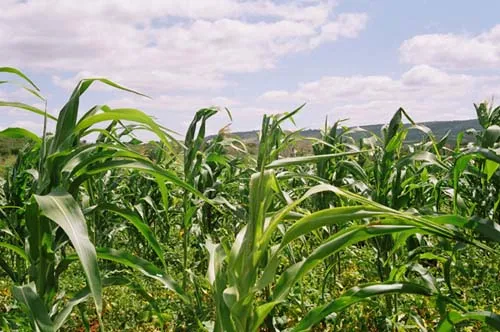
Image Resource The phosphorus cost of agricultural intensification in the tropics This paper published in Nature Plants finds that if tropical farming intensifies, major additions of phosphorus to soils will be needed Read
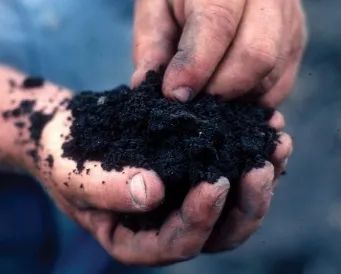
Image Resource 'Climate-smart soils' may help balance the carbon budget This paper looks at how soil can help contribute to climate mitigation. It argues that by decreasing greenhouse gas emissions, sequestering carbon and using prudent agricultural management practices that improve the soil-nitrogen cycle (tighter cycle with less leakage), it is possible to enhance soil fertility, bolster crop productivity, improve soil biodiversity, and reduce erosion, runoff and water pollution. Read