Image Resources Our extensive research library contains thousands of summaries of journal articles, reports and news stories that can be searched by keyword and category RESOURCES CATEGORY Books Briefing paper Event recording Featured articles Featured report Game Journal articles News and resources Reports Think piece Video Working paper Workshop summary Year 2026 2025 2024 2023 2022 2021 2020 2019 2018 2017 2016 2015 2014 2013 2012 2011 2010 2009 2008 2007 2002 2001 Image Resource Report on investment for environmental impact This comprehensive Future Brief from Science for Environment Policy examines the research around ‘impact investment’; those investments which are directed towards generating measurable social and/or environmental impacts, in addition to a financial return. The report focuses on investments in Europe, although it includes a case study of sustainable teak plantation in Panama. Read Image Resource No short term difference in weight loss and health markers between a diet high in carbohydrates and one very high in saturated fats This randomized controlled study looked at how obese Norwegian men were affected by a diet very high in the intake of total and saturated fat, as compared to one high in carbohydrates, while controlling for intake of energy, protein, and polyunsaturated fats and food types. Read Image Resource Climate change feedback: global soil carbon losses in response to warming This paper in Nature addresses the question of whether a warming planet leads to increased CO2 emissions through heightened activity by soil microbes. It finds that this positive feedback mechanism exists and is likely to be of great importance in the future global carbon budget. Read Image Resource The growing role of methane (and agriculture) in anthropogenic climate change This editorial piece in Environmental Research Letters highlights the fact that, as opposed to CO2 emissions, those of the powerful greenhouse gas methane are currently rising faster than at any point in the last twenty years. Around two-thirds of global emissions of methane are attributable to anthropogenic activities, with agriculture and related land use change identified as a main culprit. Read Image Resource Sahara Forest Project uses seawater and sunlight to produce drinking water and food An engineering project aims to produce food, energy and fresh water from solar power and seawater by using a new combination of already established technologies. The Sahara Forest Project is run in desert areas of Qatar, Tunisia and Jordan. Read Image Resource Letter to the European Commission with policy recommendations for reducing EU consumption of animal-based foods Twenty-four cross-party European parliament members, together with HSI’s Planting Fresh Ideas, wrote a letter to the European Commission President, First Vice President, and Commissioners, with policy recommendations for reducing EU consumption of animal-based foods. Read Image Resource Fish to fork: a need to implement changes in the EU food system The European Environment Agency has published a report on food systems approaches for the seafood industry in Europe, with the explicit aim of making ‘a first contribution to the collective endeavour of rethinking Europe's food system for sustainability goals’. Read Image Resource A holistic approach to the environmental evaluation of food waste prevention In this article co-written by FCRN member Erasmus zu Ermgassen, the authors use what they call a holistic approach (described below) to estimate the GHG emissions savings from preventing UK household food waste. In particular, they include the consideration of a potential rebound effect: the GHG emissions that result from money saved (because of reduced food waste) being spent elsewhere. Read Image Resource Nitrogen use in the global food system: past trends and future trajectories of agronomic performance, pollution, trade, and dietary demand In this paper, the authors present an analysis of the nitrogen cycle in the agricultural production system of 12 world regions. From these results, they go on to suggest improvements in nitrogen use by changing the role of human diet, international trade and local production. Read VIEW MORE
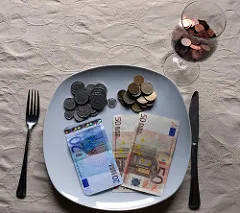
Image Resource Report on investment for environmental impact This comprehensive Future Brief from Science for Environment Policy examines the research around ‘impact investment’; those investments which are directed towards generating measurable social and/or environmental impacts, in addition to a financial return. The report focuses on investments in Europe, although it includes a case study of sustainable teak plantation in Panama. Read
Image Resource No short term difference in weight loss and health markers between a diet high in carbohydrates and one very high in saturated fats This randomized controlled study looked at how obese Norwegian men were affected by a diet very high in the intake of total and saturated fat, as compared to one high in carbohydrates, while controlling for intake of energy, protein, and polyunsaturated fats and food types. Read
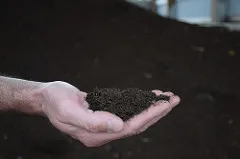
Image Resource Climate change feedback: global soil carbon losses in response to warming This paper in Nature addresses the question of whether a warming planet leads to increased CO2 emissions through heightened activity by soil microbes. It finds that this positive feedback mechanism exists and is likely to be of great importance in the future global carbon budget. Read
Image Resource The growing role of methane (and agriculture) in anthropogenic climate change This editorial piece in Environmental Research Letters highlights the fact that, as opposed to CO2 emissions, those of the powerful greenhouse gas methane are currently rising faster than at any point in the last twenty years. Around two-thirds of global emissions of methane are attributable to anthropogenic activities, with agriculture and related land use change identified as a main culprit. Read
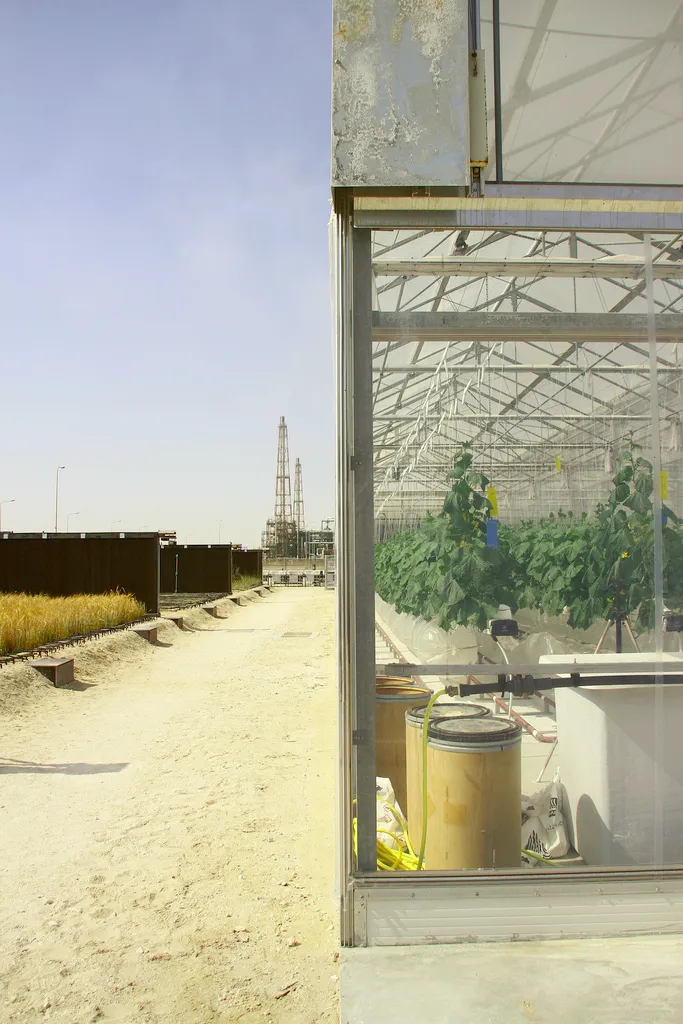
Image Resource Sahara Forest Project uses seawater and sunlight to produce drinking water and food An engineering project aims to produce food, energy and fresh water from solar power and seawater by using a new combination of already established technologies. The Sahara Forest Project is run in desert areas of Qatar, Tunisia and Jordan. Read
Image Resource Letter to the European Commission with policy recommendations for reducing EU consumption of animal-based foods Twenty-four cross-party European parliament members, together with HSI’s Planting Fresh Ideas, wrote a letter to the European Commission President, First Vice President, and Commissioners, with policy recommendations for reducing EU consumption of animal-based foods. Read
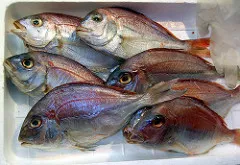
Image Resource Fish to fork: a need to implement changes in the EU food system The European Environment Agency has published a report on food systems approaches for the seafood industry in Europe, with the explicit aim of making ‘a first contribution to the collective endeavour of rethinking Europe's food system for sustainability goals’. Read
Image Resource A holistic approach to the environmental evaluation of food waste prevention In this article co-written by FCRN member Erasmus zu Ermgassen, the authors use what they call a holistic approach (described below) to estimate the GHG emissions savings from preventing UK household food waste. In particular, they include the consideration of a potential rebound effect: the GHG emissions that result from money saved (because of reduced food waste) being spent elsewhere. Read
Image Resource Nitrogen use in the global food system: past trends and future trajectories of agronomic performance, pollution, trade, and dietary demand In this paper, the authors present an analysis of the nitrogen cycle in the agricultural production system of 12 world regions. From these results, they go on to suggest improvements in nitrogen use by changing the role of human diet, international trade and local production. Read