Image Resources Our extensive research library contains thousands of summaries of journal articles, reports and news stories that can be searched by keyword and category RESOURCES CATEGORY Books Briefing paper Event recording Featured articles Featured report Game Journal articles News and resources Reports Think piece Video Working paper Workshop summary Year 2026 2025 2024 2023 2022 2021 2020 2019 2018 2017 2016 2015 2014 2013 2012 2011 2010 2009 2008 2007 2002 2001 Image Journal articles How much food do smallholders produce? Smallholders with farms under two hectares produce 28–31% of all crops and 30–34% of all food supply on 24% of the world’s agricultural land, according to a new paper. This contrasts with common claims that smallholders produce 70–80% of the world’s food. The paper also finds that, relative to larger farms, farms under two hectares have greater crop species diversity, allocate less of their crop outputs towards feed and processing and are important suppliers of fruit, pulses, roots and tubers. Read Image Journal articles Aquaculture could save land relative to meat production Our thanks go to FCRN member Emma Garnett for bringing to our attention a recent paper that investigates how land use could change if consumption were to shift away from meat and towards seafood from aquaculture. Aquaculture systems frequently use feed that is made from land-based crops. The paper studied two aquaculture-heavy scenarios (one using only marine aquaculture, and one using the current ratio of marine to freshwater aquaculture) where all additional meat consumption in 2050 (compared to today) is replaced by aquaculture products. Compared to a business-as-usual scenario for 2050, the aquaculture scenarios use around one-fifth less land to produce feed crops, because of the relative efficiency of aquatic organisms (compared to land-based animals) in converting feed into food that can be eaten by humans. Read Image Journal articles Emissions and water use of Indian dietary patterns FCRN member Dr Rosemary Green of the London School of Hygiene & Tropical Medicine has published a paper that calculates the greenhouse gas (GHG) emissions and water use associated with five dietary patterns in India. As shown below, GHG emissions per capita are highest for the “rice and meat” dietary pattern (at 1.2 tonnes CO2 eq. per year) and lowest for the “wheat, rice and oils” pattern (at 0.8 tonnes CO2 eq. per year). For comparison, per capita dietary GHG emissions in the UK have been estimated at 2.6 tonnes CO2 eq. per year for high meat eaters and 1.1 tonnes CO2 eq. per year for vegans (Scarborough et al., 2014). Water use is highest for the “wheat, rice and oils” pattern and lowest for the “rice and low diversity” pattern. Read Image Journal articles Review of grocery store interventions This paper reports on a systematic review of grocery store interventions undertaken to evaluate their effectiveness in changing food purchasing behaviours, and to examine whether this effectiveness varied with intervention components, setting, or socioeconomic status. This is the first paper to synthesise evidence from randomised controlled trials (RCTs) in grocery stores across a wide range of intervention types. Read Image News and resources How use of land in pursuit of 1.5C could impact biodiversity In a guest post for Carbon Brief, Professor Pete Smith of the University of Aberdeen discusses recent research on how climate mitigation through negative emissions could affect biodiversity, through changes in land use. He argues that bioenergy with carbon capture and storage (BECCS) should be implemented sooner rather than later, because of the risk of not meeting climate mitigation targets if BECCS is left until later in the century and because a study estimated that natural land loss could be lower if BECCS is deployed earlier in the century. Read Image News and resources Oxfam launches supermarket human rights campaign UK charity Oxfam has launched a new campaign, Behind the Barcodes, to highlight human suffering in the food supply chain. Oxfam has scored the major UK supermarkets on their human rights policies in the categories of transparency, workers, farmers and women, and is encouraging shoppers to contact supermarkets to voice their concerns. Read Image News and resources New world atlas of desertification published The European Commission's Joint Research Centre has published a new World Atlas of Desertification, which provides maps of different factors relevant to desertification such as land use, human appropriation of biological productivity, virtual water use, smallholder agriculture and livestock production. Read Image News and resources CO2 shortage still affecting European food and drink supply chain Disruptions to supplies of food-grade CO2 in Europe are causing shortages of carbonated drinks, meat and crumpets, and could threaten animal welfare. Gasworld explains that several European CO2 plants have prolonged their periods of maintenance downtime due to low CO2 prices (read more here). Read Image Books EU farmers' cooperatives and sustainable food systems This book, by Raquel Ajates Gonzalez, uses a multidisciplinary approach to study the contribution of farmers’ cooperatives in the European Union towards sustainable food systems. Read VIEW MORE
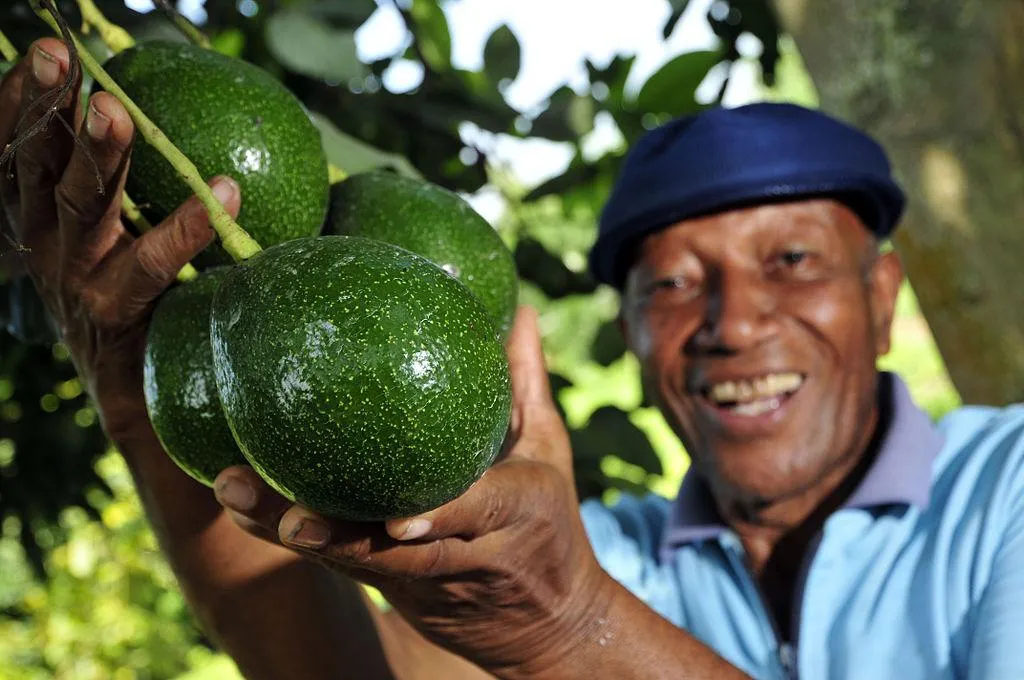
Image Journal articles How much food do smallholders produce? Smallholders with farms under two hectares produce 28–31% of all crops and 30–34% of all food supply on 24% of the world’s agricultural land, according to a new paper. This contrasts with common claims that smallholders produce 70–80% of the world’s food. The paper also finds that, relative to larger farms, farms under two hectares have greater crop species diversity, allocate less of their crop outputs towards feed and processing and are important suppliers of fruit, pulses, roots and tubers. Read
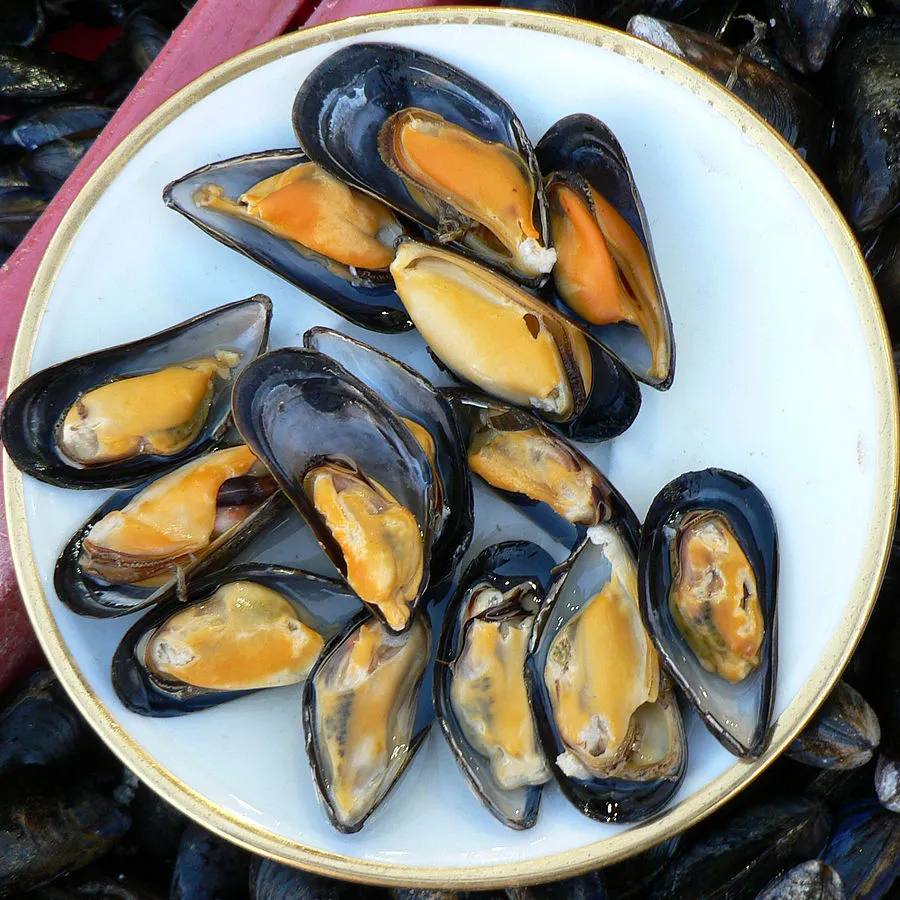
Image Journal articles Aquaculture could save land relative to meat production Our thanks go to FCRN member Emma Garnett for bringing to our attention a recent paper that investigates how land use could change if consumption were to shift away from meat and towards seafood from aquaculture. Aquaculture systems frequently use feed that is made from land-based crops. The paper studied two aquaculture-heavy scenarios (one using only marine aquaculture, and one using the current ratio of marine to freshwater aquaculture) where all additional meat consumption in 2050 (compared to today) is replaced by aquaculture products. Compared to a business-as-usual scenario for 2050, the aquaculture scenarios use around one-fifth less land to produce feed crops, because of the relative efficiency of aquatic organisms (compared to land-based animals) in converting feed into food that can be eaten by humans. Read
Image Journal articles Emissions and water use of Indian dietary patterns FCRN member Dr Rosemary Green of the London School of Hygiene & Tropical Medicine has published a paper that calculates the greenhouse gas (GHG) emissions and water use associated with five dietary patterns in India. As shown below, GHG emissions per capita are highest for the “rice and meat” dietary pattern (at 1.2 tonnes CO2 eq. per year) and lowest for the “wheat, rice and oils” pattern (at 0.8 tonnes CO2 eq. per year). For comparison, per capita dietary GHG emissions in the UK have been estimated at 2.6 tonnes CO2 eq. per year for high meat eaters and 1.1 tonnes CO2 eq. per year for vegans (Scarborough et al., 2014). Water use is highest for the “wheat, rice and oils” pattern and lowest for the “rice and low diversity” pattern. Read
Image Journal articles Review of grocery store interventions This paper reports on a systematic review of grocery store interventions undertaken to evaluate their effectiveness in changing food purchasing behaviours, and to examine whether this effectiveness varied with intervention components, setting, or socioeconomic status. This is the first paper to synthesise evidence from randomised controlled trials (RCTs) in grocery stores across a wide range of intervention types. Read
Image News and resources How use of land in pursuit of 1.5C could impact biodiversity In a guest post for Carbon Brief, Professor Pete Smith of the University of Aberdeen discusses recent research on how climate mitigation through negative emissions could affect biodiversity, through changes in land use. He argues that bioenergy with carbon capture and storage (BECCS) should be implemented sooner rather than later, because of the risk of not meeting climate mitigation targets if BECCS is left until later in the century and because a study estimated that natural land loss could be lower if BECCS is deployed earlier in the century. Read
Image News and resources Oxfam launches supermarket human rights campaign UK charity Oxfam has launched a new campaign, Behind the Barcodes, to highlight human suffering in the food supply chain. Oxfam has scored the major UK supermarkets on their human rights policies in the categories of transparency, workers, farmers and women, and is encouraging shoppers to contact supermarkets to voice their concerns. Read
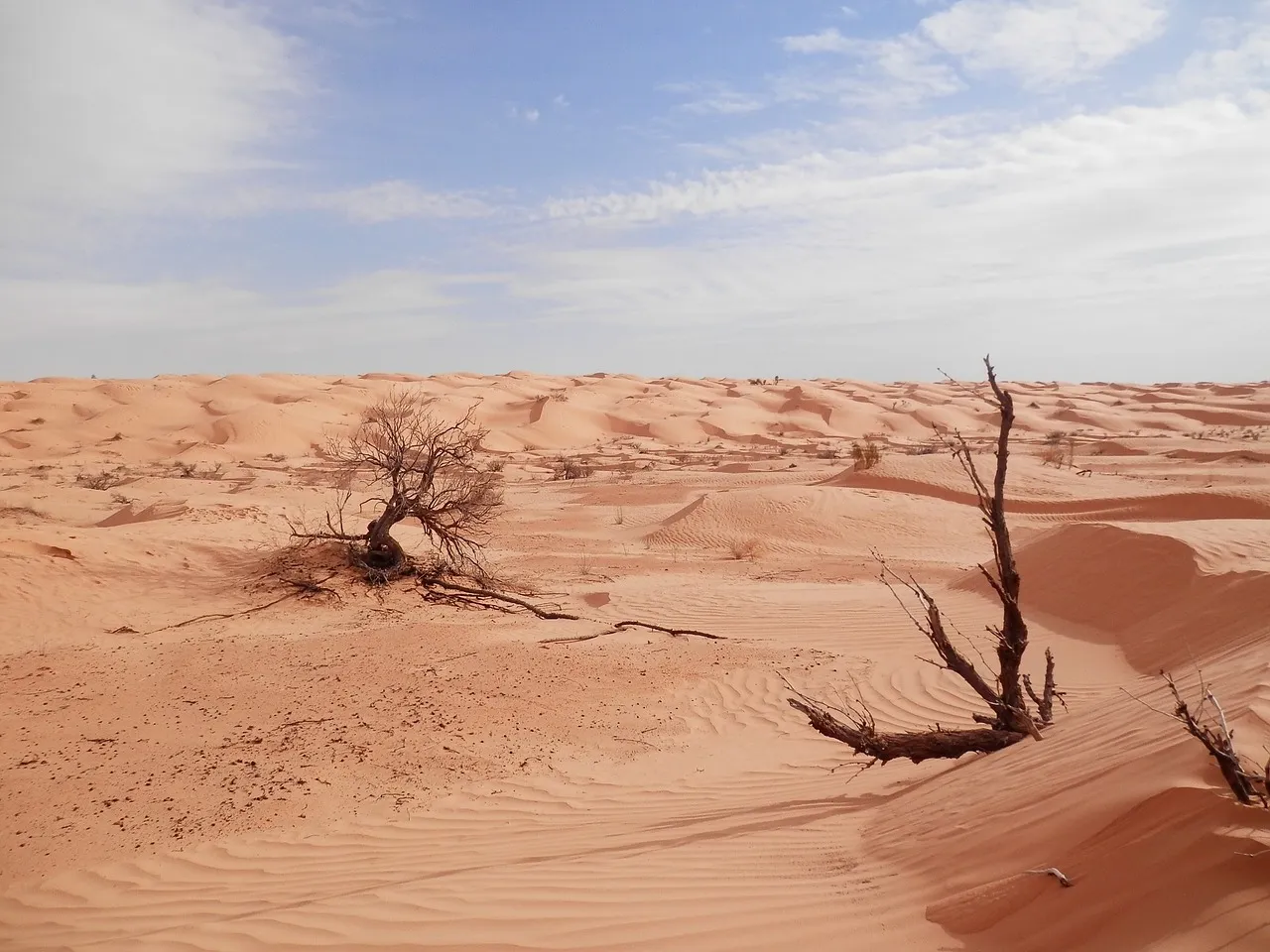
Image News and resources New world atlas of desertification published The European Commission's Joint Research Centre has published a new World Atlas of Desertification, which provides maps of different factors relevant to desertification such as land use, human appropriation of biological productivity, virtual water use, smallholder agriculture and livestock production. Read
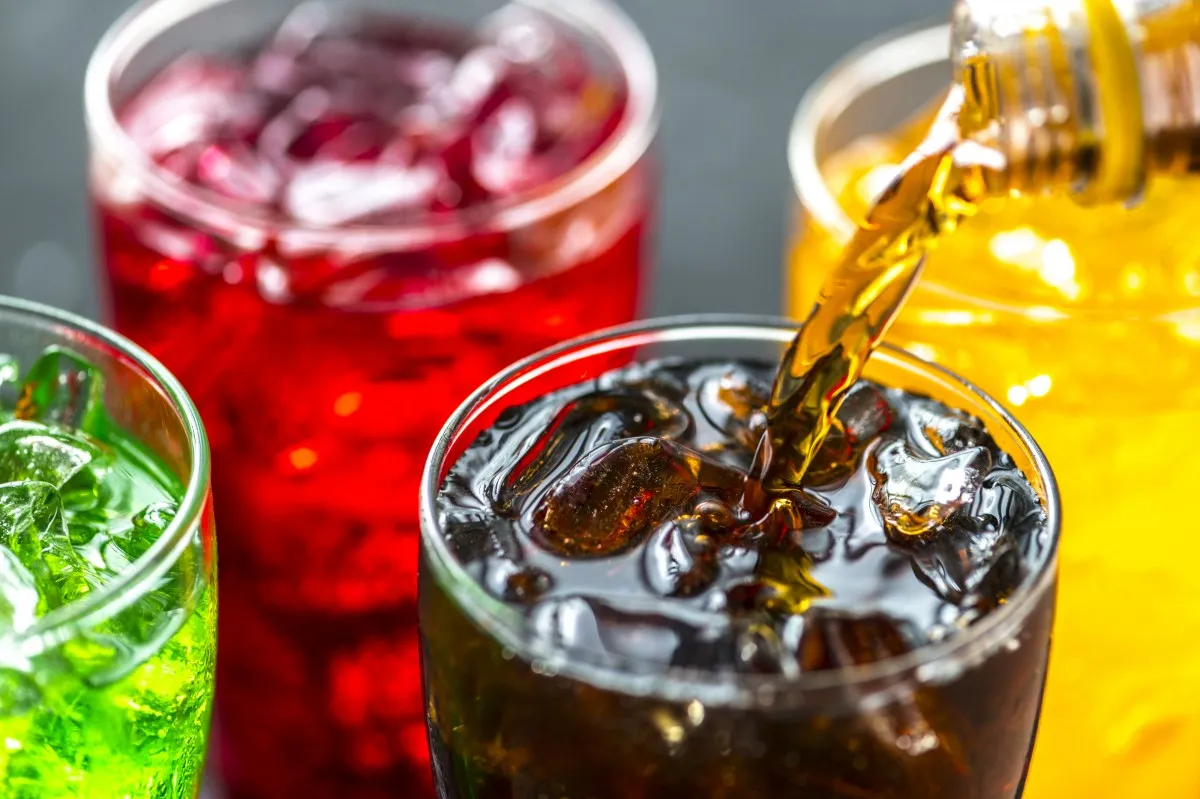
Image News and resources CO2 shortage still affecting European food and drink supply chain Disruptions to supplies of food-grade CO2 in Europe are causing shortages of carbonated drinks, meat and crumpets, and could threaten animal welfare. Gasworld explains that several European CO2 plants have prolonged their periods of maintenance downtime due to low CO2 prices (read more here). Read
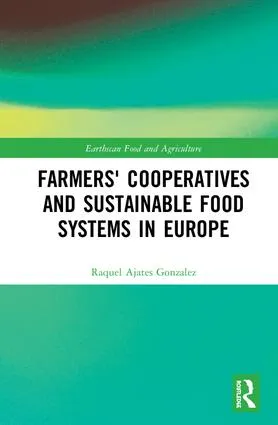
Image Books EU farmers' cooperatives and sustainable food systems This book, by Raquel Ajates Gonzalez, uses a multidisciplinary approach to study the contribution of farmers’ cooperatives in the European Union towards sustainable food systems. Read