Image Resources Our extensive research library contains thousands of summaries of journal articles, reports and news stories that can be searched by keyword and category RESOURCES CATEGORY Books Briefing paper Event recording Featured articles Featured report Game Journal articles News and resources Reports Think piece Video Working paper Workshop summary Year 2026 2025 2024 2023 2022 2021 2020 2019 2018 2017 2016 2015 2014 2013 2012 2011 2010 2009 2008 2007 2002 2001 Image News and resources Blog: The food waste implications of food recalls This blog post in Foodprint (part of US food advocacy group GRACE Communications) explores how food safety scares and recalls can cause food waste. In addition to the disposal of contaminated food items, other items of the same type are often disposed of to be sure of removing all affected items. New supply chain traceability technologies could reduce the amount of food disposed of during recalls. Read Image News and resources Can the world quench China’s bottomless thirst for milk? This feature in the UK’s Guardian newspaper examines the environmental implications of China’s promotion of milk consumption. Dairy consumption in China has grown from very little to around 30 kg per year within the last few decades, and government guidelines recommend that people triple their current dairy consumption. Read Image Books Food routes This book by Robyn Metcalfe examines processes and technologies in the supply chains that bring food from farms to consumers. Read Image Books Transforming food systems for a rising India This open access book by Prabhu Pingali, Anaka Aiyar, Mathew Abraham and Andaleeb Rahman uses a food systems lens to explore issues of food security in India and to set policy goals for 2030 and 2050. Read Image Reports Guide to pesticides in fruit and vegetables This report by the US non-profit Environmental Working Group analyses pesticide residue data from the US Department of Agriculture. It concludes that around 70% of produce in the US is sold with pesticide residues, with particularly high levels in strawberries, spinach and kale and relatively low levels in avocados, sweetcorn and pineapples. Read Image Reports Science breakthroughs for food and agricultural research This report from the US National Academies of Sciences, Engineering, and Medicine identifies emerging scientific advances that could help to make the US food system more resilient to rapid changes and extreme conditions, as well as making agriculture more efficient and sustainable. Read Image Reports Research briefing: Super market failure This research briefing from UK charity Sustain assesses which of the UK’s 13 largest supermarket chains pays employees a Living Wage, the ratio between the salaries of their lowest and highest paid workers, as well as their approach to grocery market regulation. Read Image Journal articles Black soldier fly for feed and food: a life cycle assessment This paper provides an assessment of the environmental impacts of converting waste streams from the food industry into products such as fertiliser, pet food, livestock feed or feed additives using the larvae of Hermetia illucens, the black soldier fly. Read Image Journal articles Agriculturally dominated landscapes reduce pollination services This paper shows that pollinator services in agricultural landscapes that have been highly altered from their natural state are lower than would be predicted from a simple count of pollinator species. The paper bases its estimates on a study of the evolutionary relationships between pollinators and extensive surveys of pollinators. Read VIEW MORE
Image News and resources Blog: The food waste implications of food recalls This blog post in Foodprint (part of US food advocacy group GRACE Communications) explores how food safety scares and recalls can cause food waste. In addition to the disposal of contaminated food items, other items of the same type are often disposed of to be sure of removing all affected items. New supply chain traceability technologies could reduce the amount of food disposed of during recalls. Read
Image News and resources Can the world quench China’s bottomless thirst for milk? This feature in the UK’s Guardian newspaper examines the environmental implications of China’s promotion of milk consumption. Dairy consumption in China has grown from very little to around 30 kg per year within the last few decades, and government guidelines recommend that people triple their current dairy consumption. Read
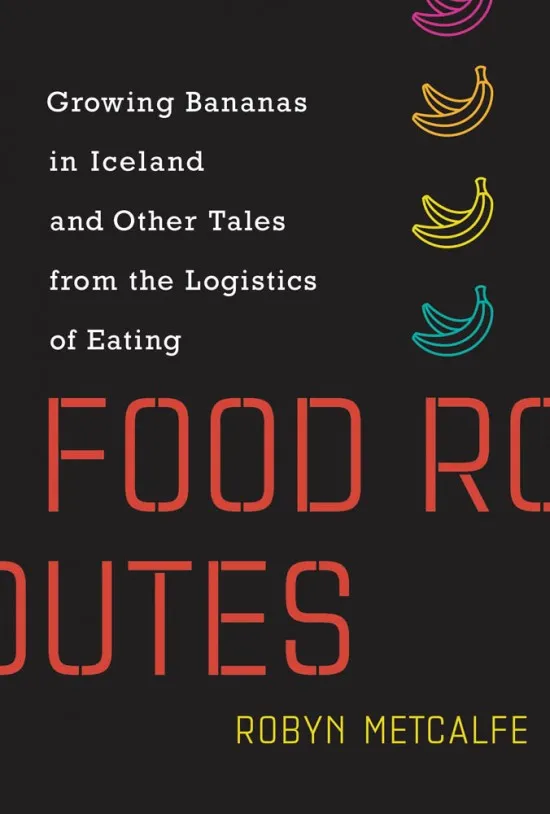
Image Books Food routes This book by Robyn Metcalfe examines processes and technologies in the supply chains that bring food from farms to consumers. Read
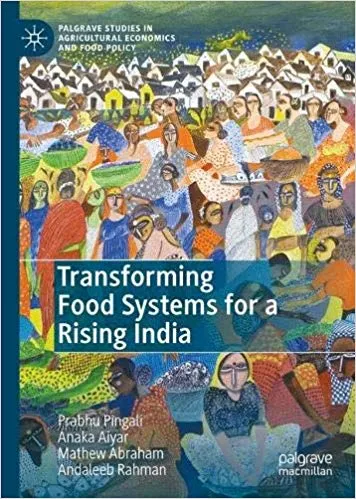
Image Books Transforming food systems for a rising India This open access book by Prabhu Pingali, Anaka Aiyar, Mathew Abraham and Andaleeb Rahman uses a food systems lens to explore issues of food security in India and to set policy goals for 2030 and 2050. Read
Image Reports Guide to pesticides in fruit and vegetables This report by the US non-profit Environmental Working Group analyses pesticide residue data from the US Department of Agriculture. It concludes that around 70% of produce in the US is sold with pesticide residues, with particularly high levels in strawberries, spinach and kale and relatively low levels in avocados, sweetcorn and pineapples. Read
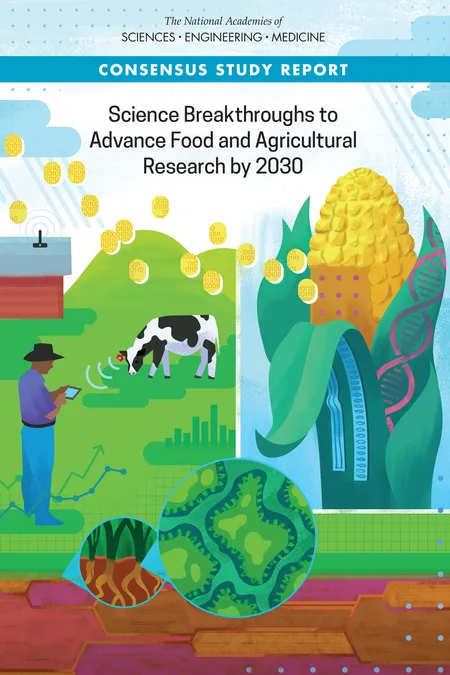
Image Reports Science breakthroughs for food and agricultural research This report from the US National Academies of Sciences, Engineering, and Medicine identifies emerging scientific advances that could help to make the US food system more resilient to rapid changes and extreme conditions, as well as making agriculture more efficient and sustainable. Read
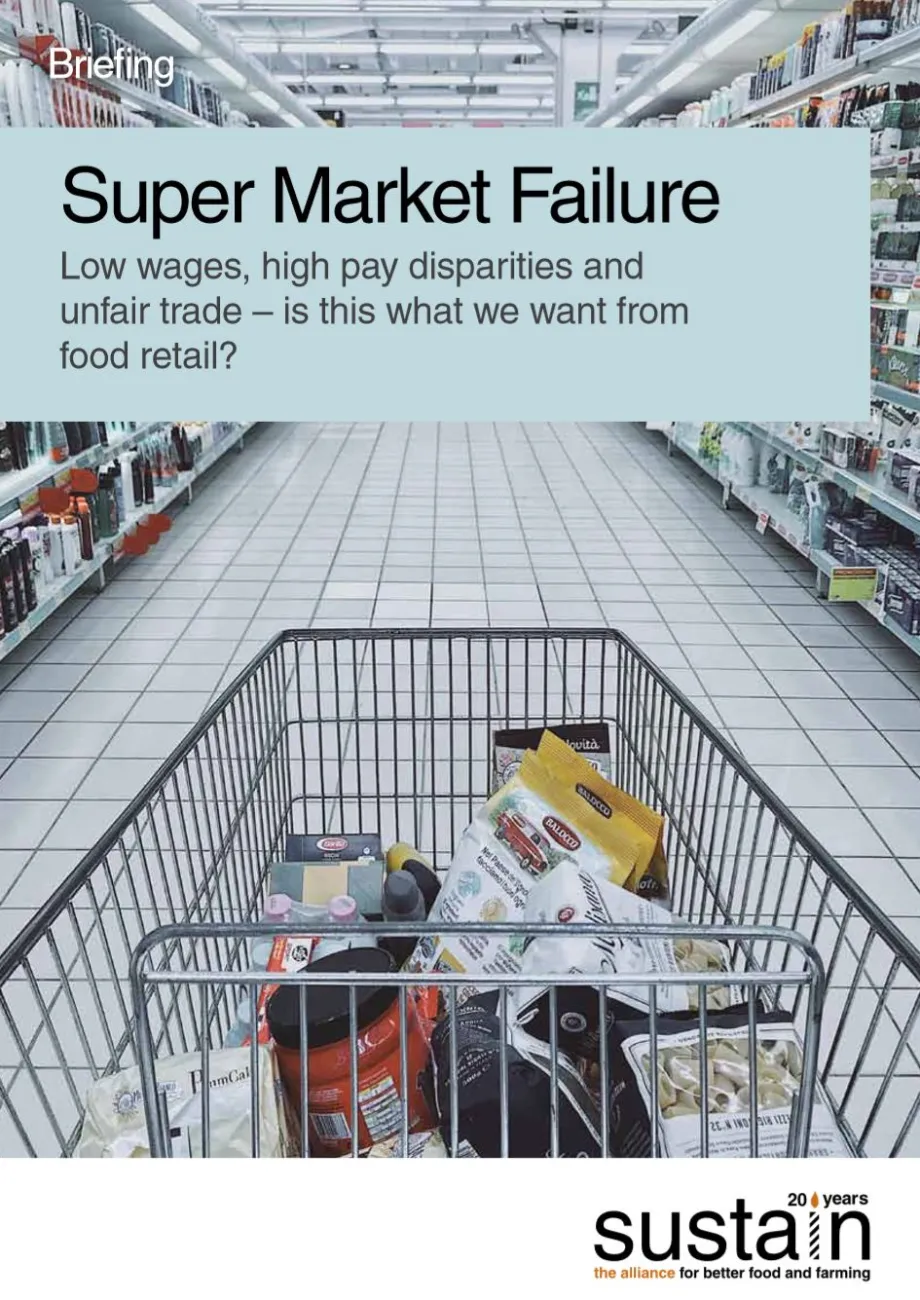
Image Reports Research briefing: Super market failure This research briefing from UK charity Sustain assesses which of the UK’s 13 largest supermarket chains pays employees a Living Wage, the ratio between the salaries of their lowest and highest paid workers, as well as their approach to grocery market regulation. Read
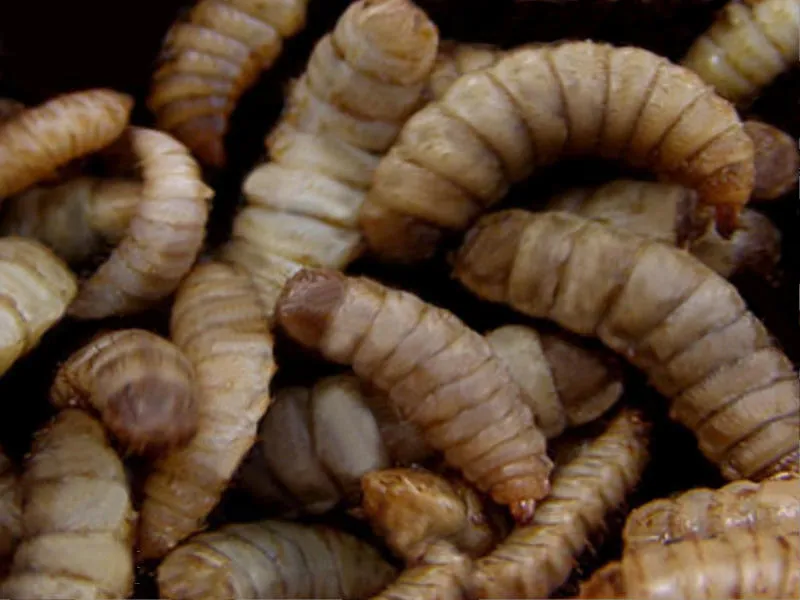
Image Journal articles Black soldier fly for feed and food: a life cycle assessment This paper provides an assessment of the environmental impacts of converting waste streams from the food industry into products such as fertiliser, pet food, livestock feed or feed additives using the larvae of Hermetia illucens, the black soldier fly. Read
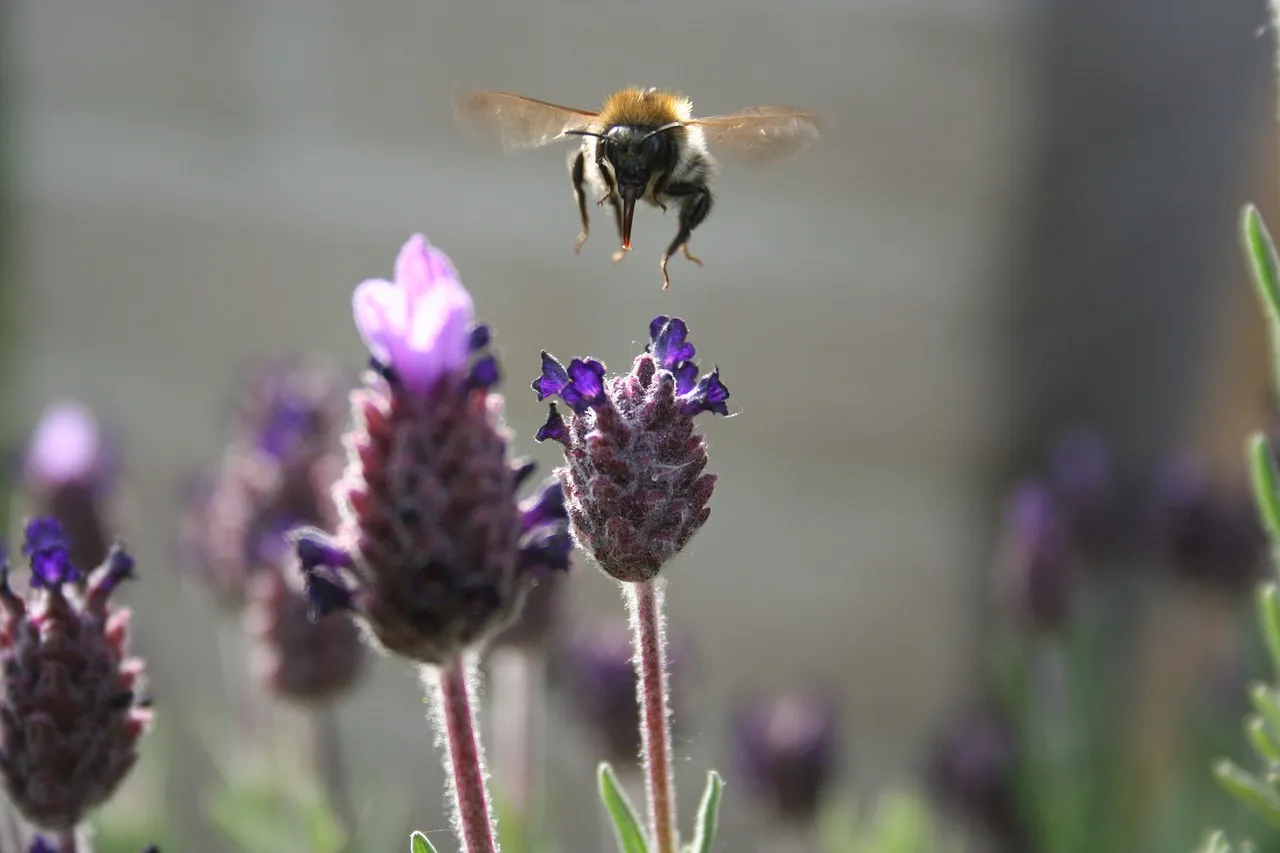
Image Journal articles Agriculturally dominated landscapes reduce pollination services This paper shows that pollinator services in agricultural landscapes that have been highly altered from their natural state are lower than would be predicted from a simple count of pollinator species. The paper bases its estimates on a study of the evolutionary relationships between pollinators and extensive surveys of pollinators. Read