Image Resources Our extensive research library contains thousands of summaries of journal articles, reports and news stories that can be searched by keyword and category RESOURCES CATEGORY Books Briefing paper Event recording Featured articles Featured report Game Journal articles News and resources Reports Think piece Video Working paper Workshop summary Year 2026 2025 2024 2023 2022 2021 2020 2019 2018 2017 2016 2015 2014 2013 2012 2011 2010 2009 2008 2007 2002 2001 Image Featured articles Traffic light labelling of meals for health and sustainability In two experiments where participants were asked to choose between hypothetical canteen meals, “traffic light labelling” (red, amber or green labels) of different meal options was found to shift meal choices towards those lower in carbon emissions and calorie content. Read Image News and resources Blog post: Diluting food safety by stealth - UK food after Brexit In this blog post for the UK Food Research Collaboration, researchers Tony Lewis and Erik Millstone note that the UK’s draft replacement regulations for governing food after the UK leaves the European Union (EU) allow the government to relax requirements on food traceability. The authors argue that the government may be preparing to accept lower food standards to minimise supply disruptions in the event of leaving the EU without a withdrawal agreement. Read Image News and resources Online tool: Antimicrobial resistance in Europe This interactive tool from the European Food Safety Authority presents data on resistance to several types of antimicrobials among humans, pigs and cattle. Read Image Books The way we eat now This book by Bee Wilson explores how changing diets affect health, social interactions and the wider world. Read Image Books Food preservation in developing countries: challenges & solutions This book identifies common causes of food waste in developing countries and presents examples of successful food preservation methods for different food types in developing countries. Read Image Reports Large scale and concentrated land ownership in Scotland The Scottish Land Commission (a public body set up by the Scottish Government) reports that highly concentrated land ownership in some parts of Scotland hampers economic development and can be harmful to local communities. Read Image Journal articles Agricultural water-use efficiency and nutrient content This paper assesses the agricultural water use efficiency of different food types based on their nutrient content, instead of the conventional approach of assessing water use in terms of litres used to produce a certain weight of food. The purpose of the study is to determine whether higher intakes of nutrient-rich foods such as fruit, vegetables and seeds might conflict with the aim of minimising agriculture’s water use. Read Image Journal articles Healthy, affordable and sustainable diets in the UK FCRN member Christian Reynolds uses linear programming to calculate diets that meet both health and greenhouse gas emission criteria while being affordable for different income groups in the UK. Generally, the optimised diets are higher in plant-based foods than diets consumed in the UK in 2013, although seafood is higher in the optimised diet than in 2013 diets. Read Image Journal articles Consumption-stage food waste reduction interventions In this paper, FCRN members Christian Reynolds and Tom Quested review the effectiveness of different consumption-stage measures to reduce food waste. Examples of successful interventions include serving food on smaller plates (which can reduce food waste by up to 57%) and changing school nutritional guidelines (which reduced waste of vegetables by 28% because fewer students selected vegetables and those who did select vegetables ate more of them). Read VIEW MORE
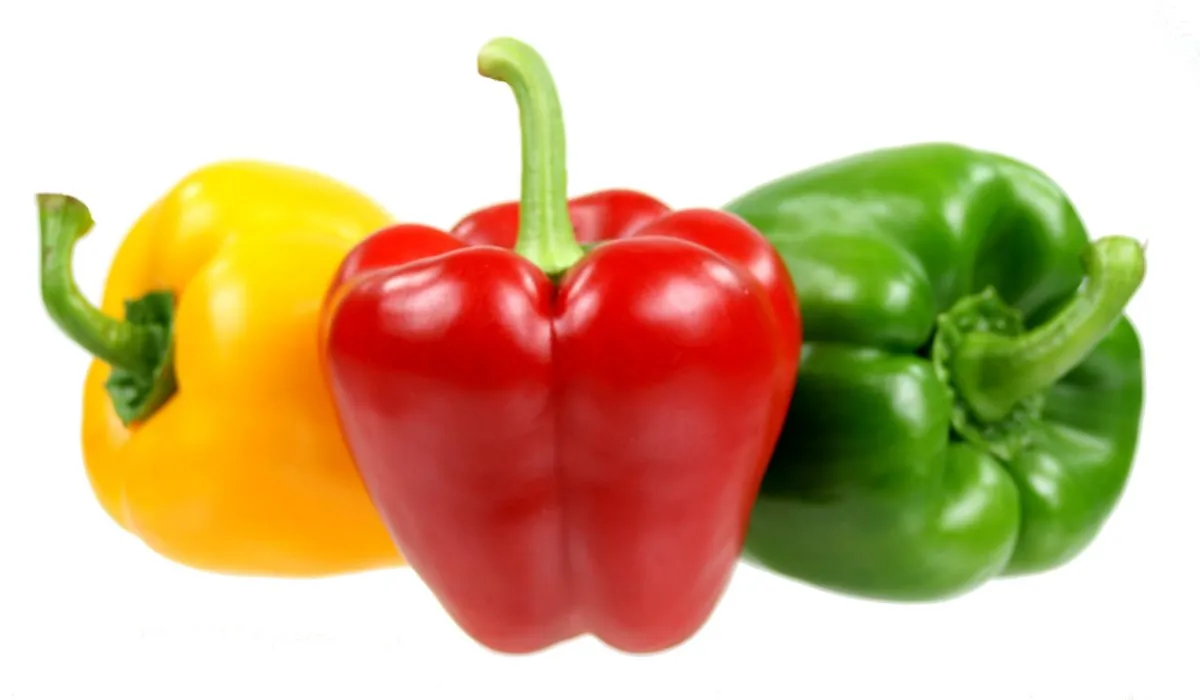
Image Featured articles Traffic light labelling of meals for health and sustainability In two experiments where participants were asked to choose between hypothetical canteen meals, “traffic light labelling” (red, amber or green labels) of different meal options was found to shift meal choices towards those lower in carbon emissions and calorie content. Read
Image News and resources Blog post: Diluting food safety by stealth - UK food after Brexit In this blog post for the UK Food Research Collaboration, researchers Tony Lewis and Erik Millstone note that the UK’s draft replacement regulations for governing food after the UK leaves the European Union (EU) allow the government to relax requirements on food traceability. The authors argue that the government may be preparing to accept lower food standards to minimise supply disruptions in the event of leaving the EU without a withdrawal agreement. Read
Image News and resources Online tool: Antimicrobial resistance in Europe This interactive tool from the European Food Safety Authority presents data on resistance to several types of antimicrobials among humans, pigs and cattle. Read
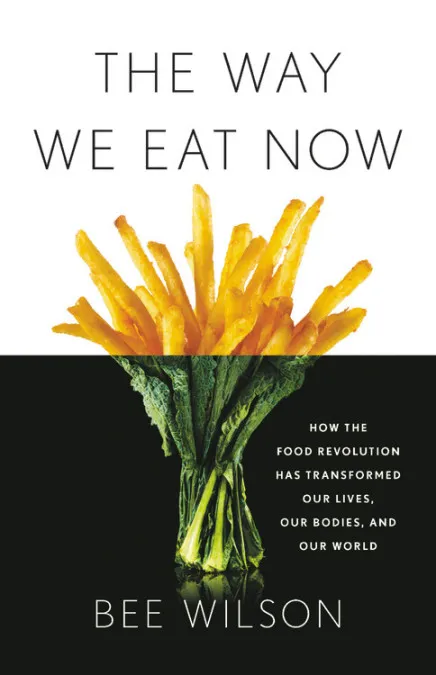
Image Books The way we eat now This book by Bee Wilson explores how changing diets affect health, social interactions and the wider world. Read
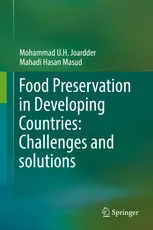
Image Books Food preservation in developing countries: challenges & solutions This book identifies common causes of food waste in developing countries and presents examples of successful food preservation methods for different food types in developing countries. Read
Image Reports Large scale and concentrated land ownership in Scotland The Scottish Land Commission (a public body set up by the Scottish Government) reports that highly concentrated land ownership in some parts of Scotland hampers economic development and can be harmful to local communities. Read
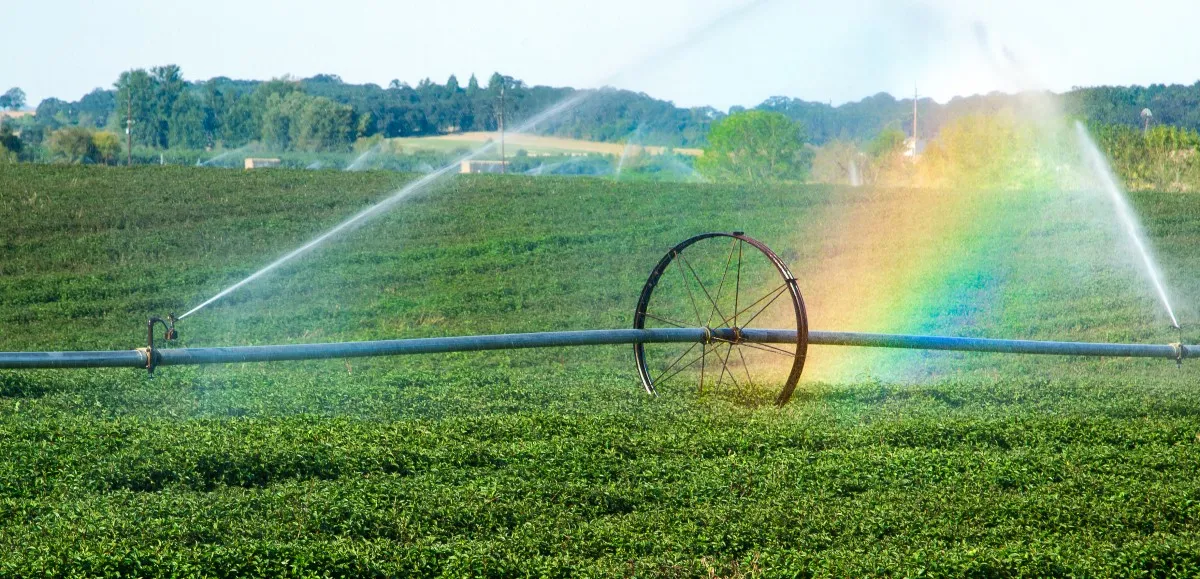
Image Journal articles Agricultural water-use efficiency and nutrient content This paper assesses the agricultural water use efficiency of different food types based on their nutrient content, instead of the conventional approach of assessing water use in terms of litres used to produce a certain weight of food. The purpose of the study is to determine whether higher intakes of nutrient-rich foods such as fruit, vegetables and seeds might conflict with the aim of minimising agriculture’s water use. Read
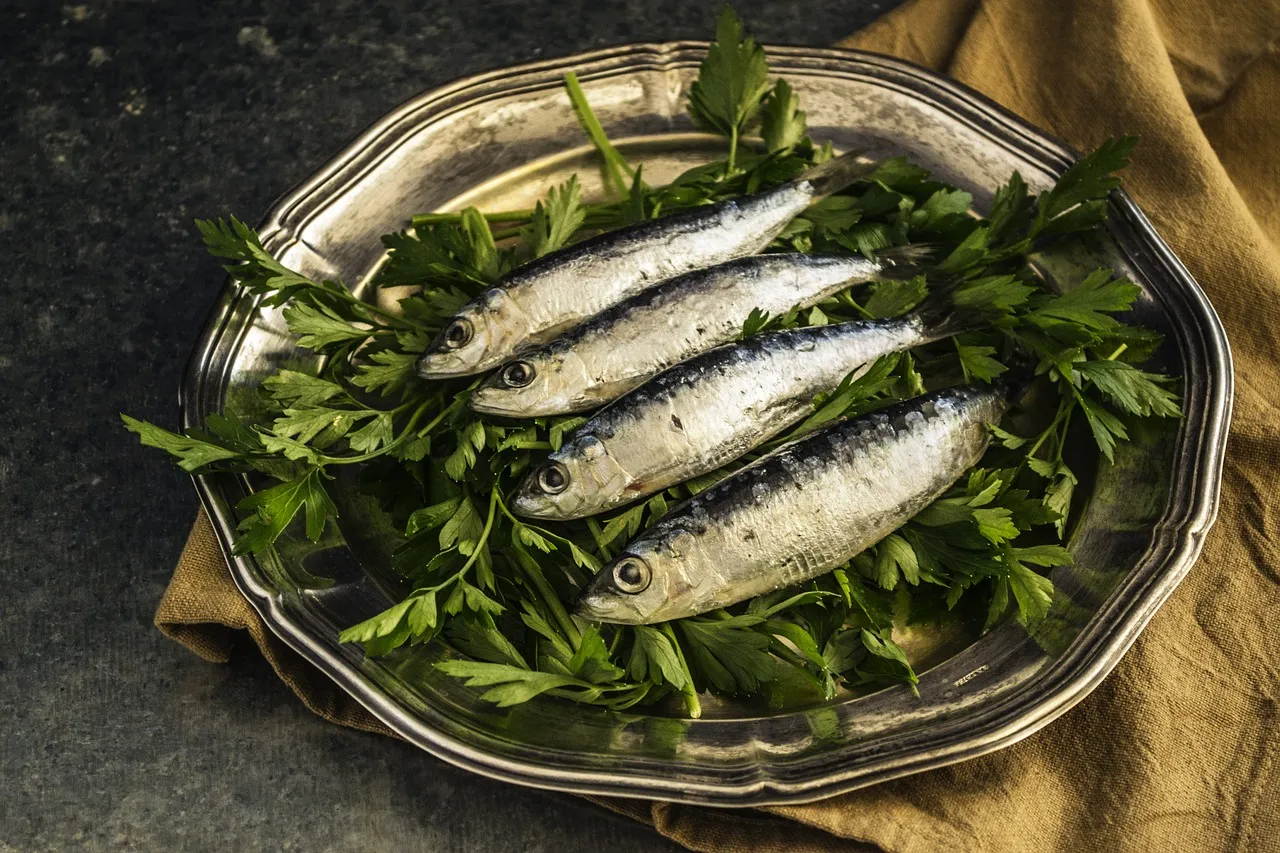
Image Journal articles Healthy, affordable and sustainable diets in the UK FCRN member Christian Reynolds uses linear programming to calculate diets that meet both health and greenhouse gas emission criteria while being affordable for different income groups in the UK. Generally, the optimised diets are higher in plant-based foods than diets consumed in the UK in 2013, although seafood is higher in the optimised diet than in 2013 diets. Read
Image Journal articles Consumption-stage food waste reduction interventions In this paper, FCRN members Christian Reynolds and Tom Quested review the effectiveness of different consumption-stage measures to reduce food waste. Examples of successful interventions include serving food on smaller plates (which can reduce food waste by up to 57%) and changing school nutritional guidelines (which reduced waste of vegetables by 28% because fewer students selected vegetables and those who did select vegetables ate more of them). Read