Image Resources Our extensive research library contains thousands of summaries of journal articles, reports and news stories that can be searched by keyword and category RESOURCES CATEGORY Books Briefing paper Event recording Featured articles Featured report Game Journal articles News and resources Reports Think piece Video Working paper Workshop summary Year 2026 2025 2024 2023 2022 2021 2020 2019 2018 2017 2016 2015 2014 2013 2012 2011 2010 2009 2008 2007 2002 2001 Image Reports Edible fats and oils - Creating a collaboration for change FCRN member Samuel Smith of international sustainability non-profit Forum for the Future has contributed to this report, which sets out the case for organisations to act on the sustainability of all the fats and oils in their supply chains, including but not limited to palm oil. Read Image Reports Repurposing UK agricultural land to meet climate goals This report from the Animal Law and Policy Programme at Harvard Law School estimates the carbon sequestration potential of converting UK land currently used for animal agriculture into native forest. The remaining cropland is enough to provide more than the recommended calories and protein for all UK residents, according to the authors. Read Image Reports White paper: Is the future of food flexitarian? 14% of Brits are “flexitarians”, i.e. they have a mixed diet that is mainly based on vegetarian foods but they occasionally eat meat, according to this white paper from the UK-based market research firm YouGov. Flexitarianism is more common among young women than other demographic groups and more common in inner London than other geographic regions. Read Image Journal articles Heart disease risk and red meat versus plant proteins This paper evaluates the impact of diet on risk factors for heart disease. It finds that replacing red meat with “high-quality” plant protein sources (such as legumes, soy or nuts), but not with fish or “low-quality” carbohydrates (such as refined grains and simple sugars), results in improvements in total and low-density lipoprotein cholesterol. Read Image Journal articles Efficiency and carbon footprint of German meat supply chain This paper traces mass, energy flows and emissions in the beef, poultry and pork supply chains in Germany (including all emissions from the animal production stages, and emissions from energy use at subsequent stages). It outlines the potential of different strategies to reduce consumption-based emissions. It finds that the greatest emissions reductions could come from dietary change, i.e. replacing some meat consumption with consumption of soybeans and nuts, or replacing some meat consumption with offal consumption. Read Image Featured articles Land‐use intensification, species richness and productivity This paper reviews studies where changes in both productivity and species richness have been tracked at the same location, following changes in the intensity of land use. On average, intensifying land use leads to a 20% gain in output and a 9% decrease in species richness, but there is considerable variation between different contexts. Read Image News and resources Database: People working in cellular agriculture, UK Cellular Agriculture UK - a hub for the cultured meat sector in the UK - has created a database of people who are based in the UK and who have a professional interest in cellular agriculture. Read Image News and resources Funding information: Global Challenges Research Fund Former FCRN volunteer Milorad Plavsic now works at the Global Challenges Research Fund (GCRF), part of UK Research and Innovation. He has provided some information for FCRN readers on the funding opportunities available through the GCRF. Read Image News and resources Podcast: Gender in agricultural and sustainable development In this Food Talk podcast by US think-tank Food Tank, Dr. Mariame Maiga (Regional Gender and Social Development Advisor for the West and Central African Council for Agricultural Research and Development) discusses the role that gender plays in agricultural and sustainable development. Read VIEW MORE
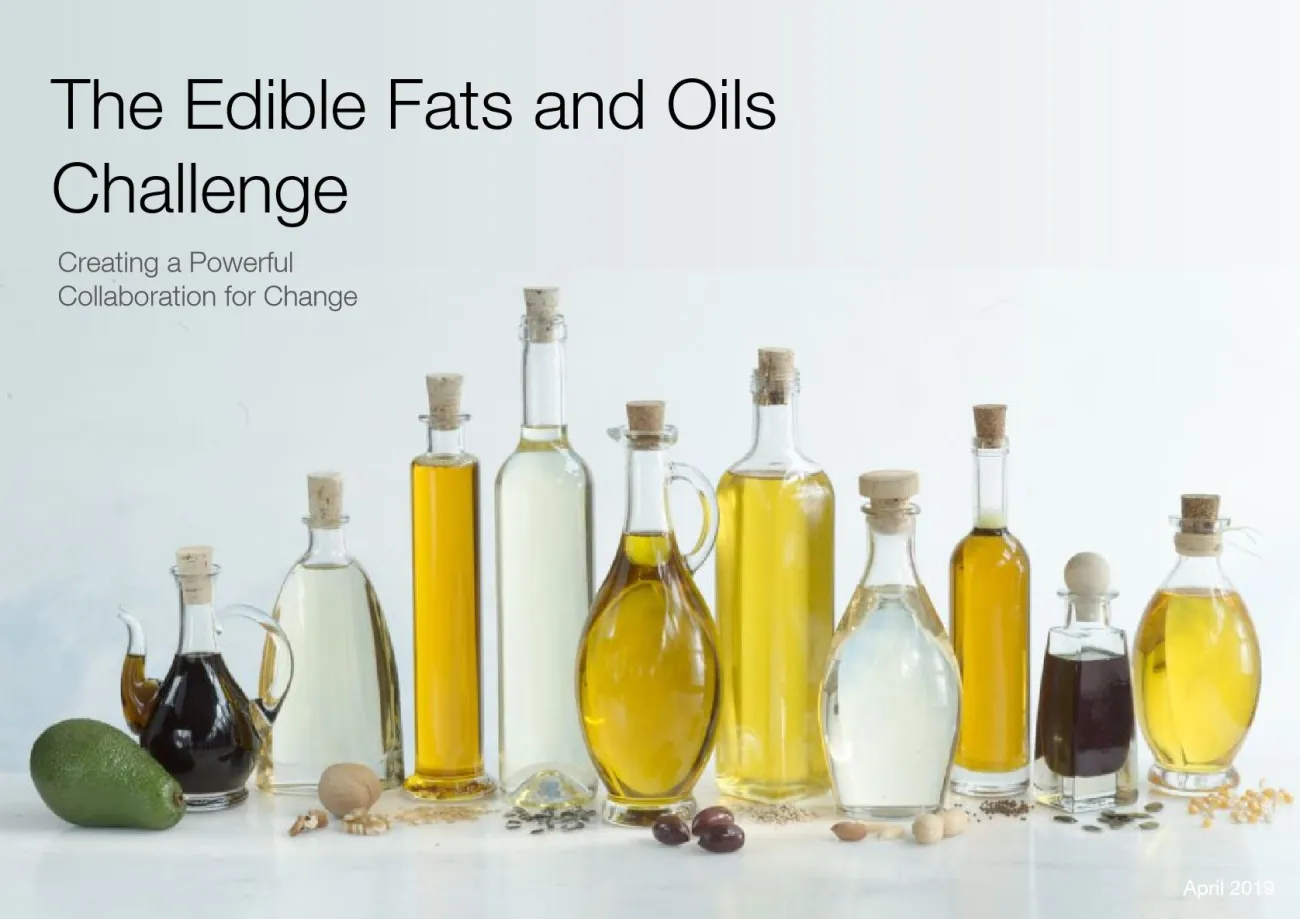
Image Reports Edible fats and oils - Creating a collaboration for change FCRN member Samuel Smith of international sustainability non-profit Forum for the Future has contributed to this report, which sets out the case for organisations to act on the sustainability of all the fats and oils in their supply chains, including but not limited to palm oil. Read
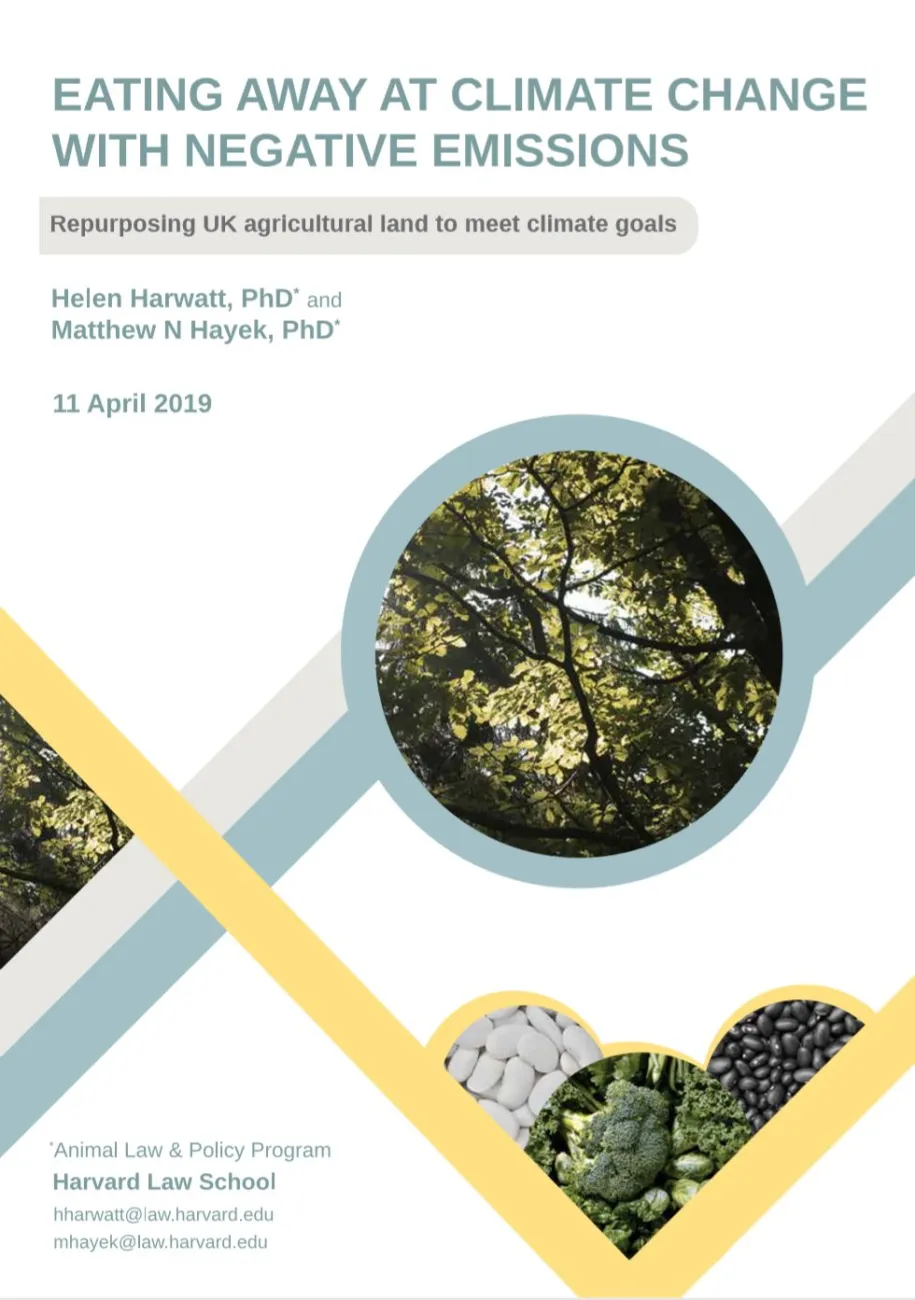
Image Reports Repurposing UK agricultural land to meet climate goals This report from the Animal Law and Policy Programme at Harvard Law School estimates the carbon sequestration potential of converting UK land currently used for animal agriculture into native forest. The remaining cropland is enough to provide more than the recommended calories and protein for all UK residents, according to the authors. Read
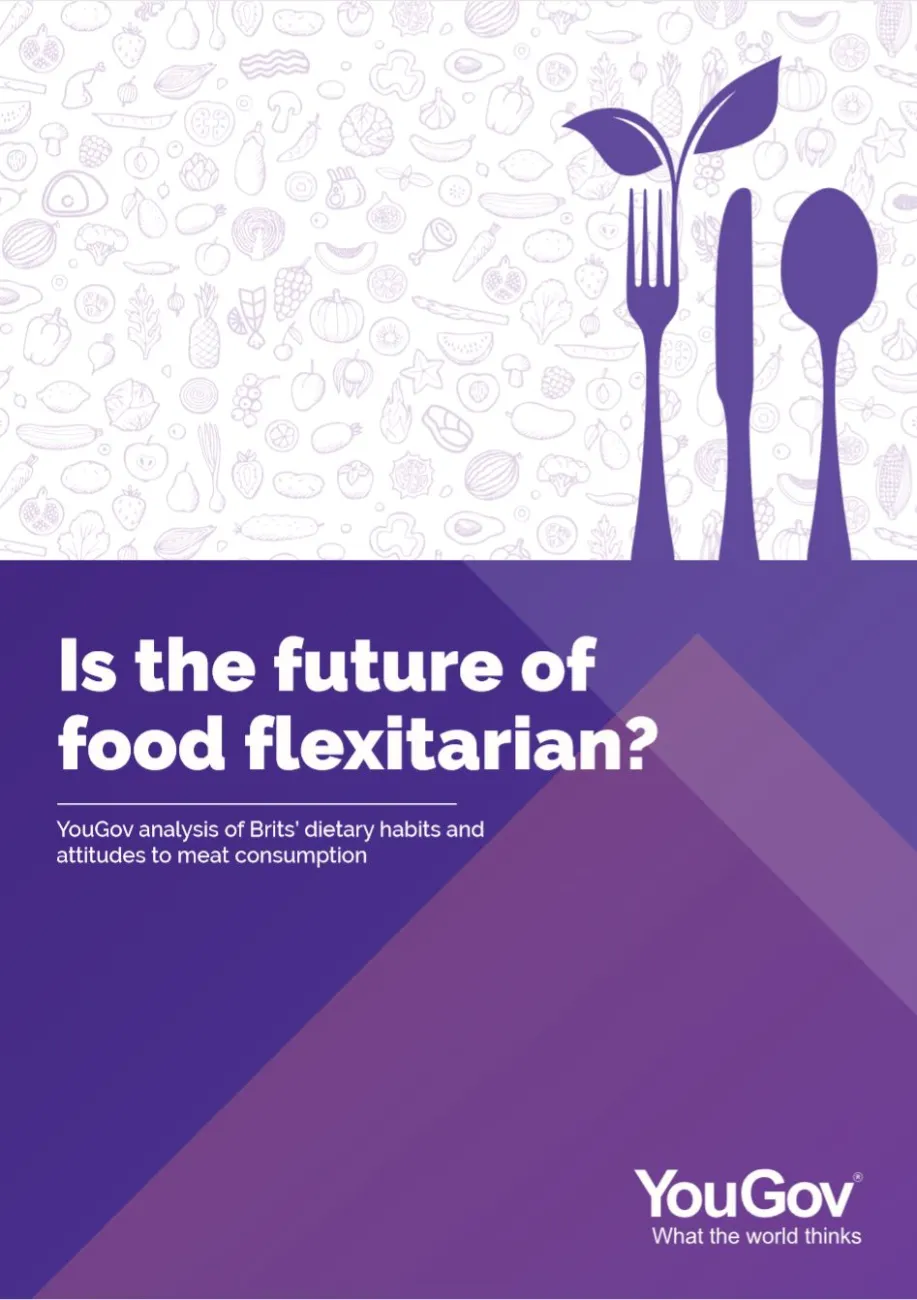
Image Reports White paper: Is the future of food flexitarian? 14% of Brits are “flexitarians”, i.e. they have a mixed diet that is mainly based on vegetarian foods but they occasionally eat meat, according to this white paper from the UK-based market research firm YouGov. Flexitarianism is more common among young women than other demographic groups and more common in inner London than other geographic regions. Read
Image Journal articles Heart disease risk and red meat versus plant proteins This paper evaluates the impact of diet on risk factors for heart disease. It finds that replacing red meat with “high-quality” plant protein sources (such as legumes, soy or nuts), but not with fish or “low-quality” carbohydrates (such as refined grains and simple sugars), results in improvements in total and low-density lipoprotein cholesterol. Read
Image Journal articles Efficiency and carbon footprint of German meat supply chain This paper traces mass, energy flows and emissions in the beef, poultry and pork supply chains in Germany (including all emissions from the animal production stages, and emissions from energy use at subsequent stages). It outlines the potential of different strategies to reduce consumption-based emissions. It finds that the greatest emissions reductions could come from dietary change, i.e. replacing some meat consumption with consumption of soybeans and nuts, or replacing some meat consumption with offal consumption. Read
Image Featured articles Land‐use intensification, species richness and productivity This paper reviews studies where changes in both productivity and species richness have been tracked at the same location, following changes in the intensity of land use. On average, intensifying land use leads to a 20% gain in output and a 9% decrease in species richness, but there is considerable variation between different contexts. Read
Image News and resources Database: People working in cellular agriculture, UK Cellular Agriculture UK - a hub for the cultured meat sector in the UK - has created a database of people who are based in the UK and who have a professional interest in cellular agriculture. Read
Image News and resources Funding information: Global Challenges Research Fund Former FCRN volunteer Milorad Plavsic now works at the Global Challenges Research Fund (GCRF), part of UK Research and Innovation. He has provided some information for FCRN readers on the funding opportunities available through the GCRF. Read
Image News and resources Podcast: Gender in agricultural and sustainable development In this Food Talk podcast by US think-tank Food Tank, Dr. Mariame Maiga (Regional Gender and Social Development Advisor for the West and Central African Council for Agricultural Research and Development) discusses the role that gender plays in agricultural and sustainable development. Read