Close
Login Register
Search
  • About
    • What We Do
    • Who We Are
    • FAQs
  • Our Writing
    • Explainers
    • Essays
    • Letterbox
    • Reports & More
  • Podcasts
  • Our Events
  • Projects
    • Power In The Food Systems
    • Local-Global Scale Project
    • MEAT: The Four Futures Podcast
    • Fuel To Fork
    • Nature
    • Reckoning with Regeneration
    • SHIFT
    • Rethinking the Global Soy Dilemma
  • Resources
  • Opportunities
    • Jobs
    • Funding
    • Courses
    • Collaborations
    • Events
  • Newsletter
  • TABLE (EN)
Search
Back

Food and agriculture policy

Image
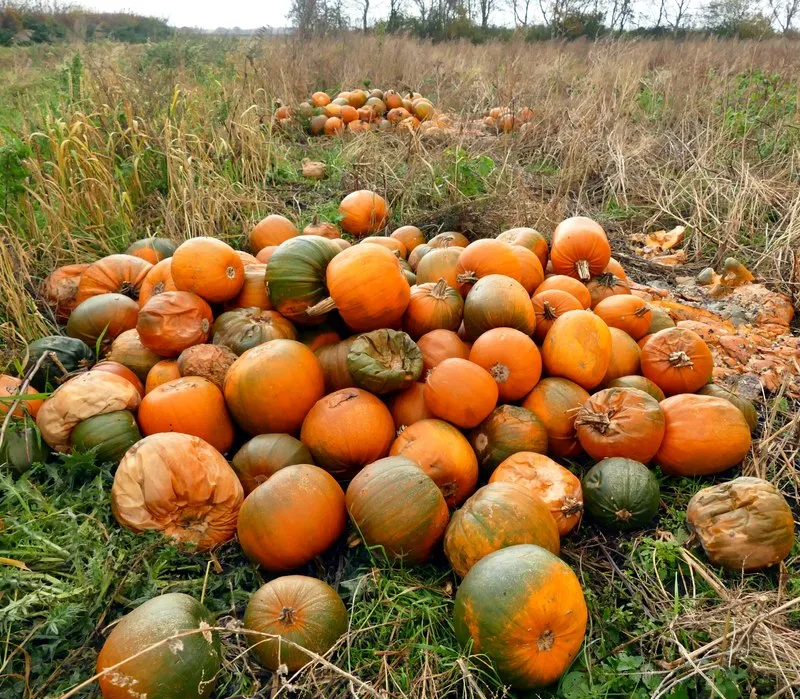
Image: Graham Hogg, Surplus to requirements, Geograph, Creative Commons Attribution-ShareAlike 2.0 Generic
Journal articles
Climate implications of EU food destruction policy
Fresh fruit and vegetables deliberately withdrawn from the market and destroyed under the EU’s Common Agricultural Policy accounted for 5.1 Mt CO2 eq. in embedded production-stage emissions between 1989 and 2015, according to research by FCRN member Stephen Porter of the University of Edinburgh.
Read
Image
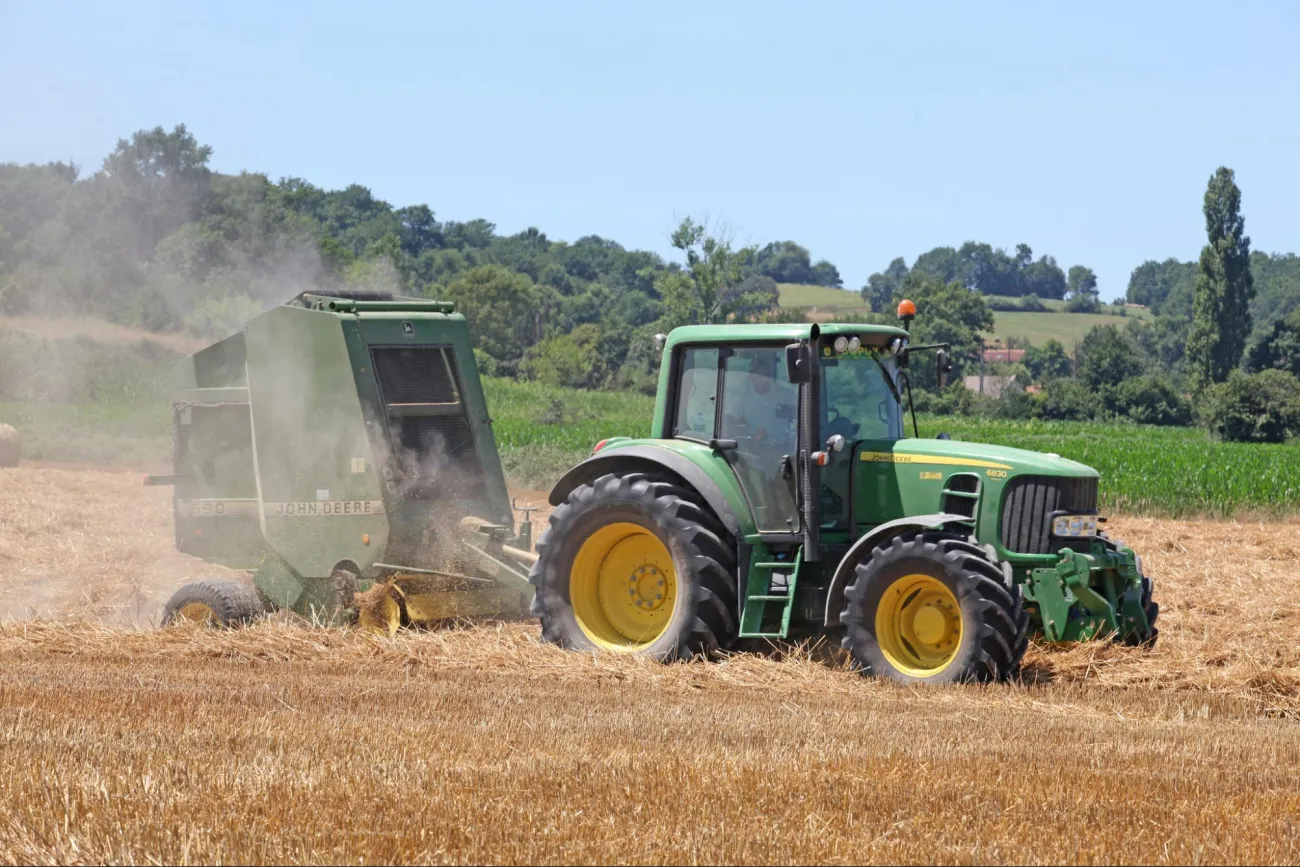
Image: FreeUsePhotos, John Deere 6830, Flickr, Public domain
Journal articles
EU trade liberalisation and agricultural emissions
This paper looks at how trade liberalisation could impact the effectiveness of climate mitigation policies for non-CO2 emissions in the EU agricultural sector. Three scenarios are modelled: free trade agreements (FTA) alone; an EU carbon tax; and the combination of both.
Read
Image
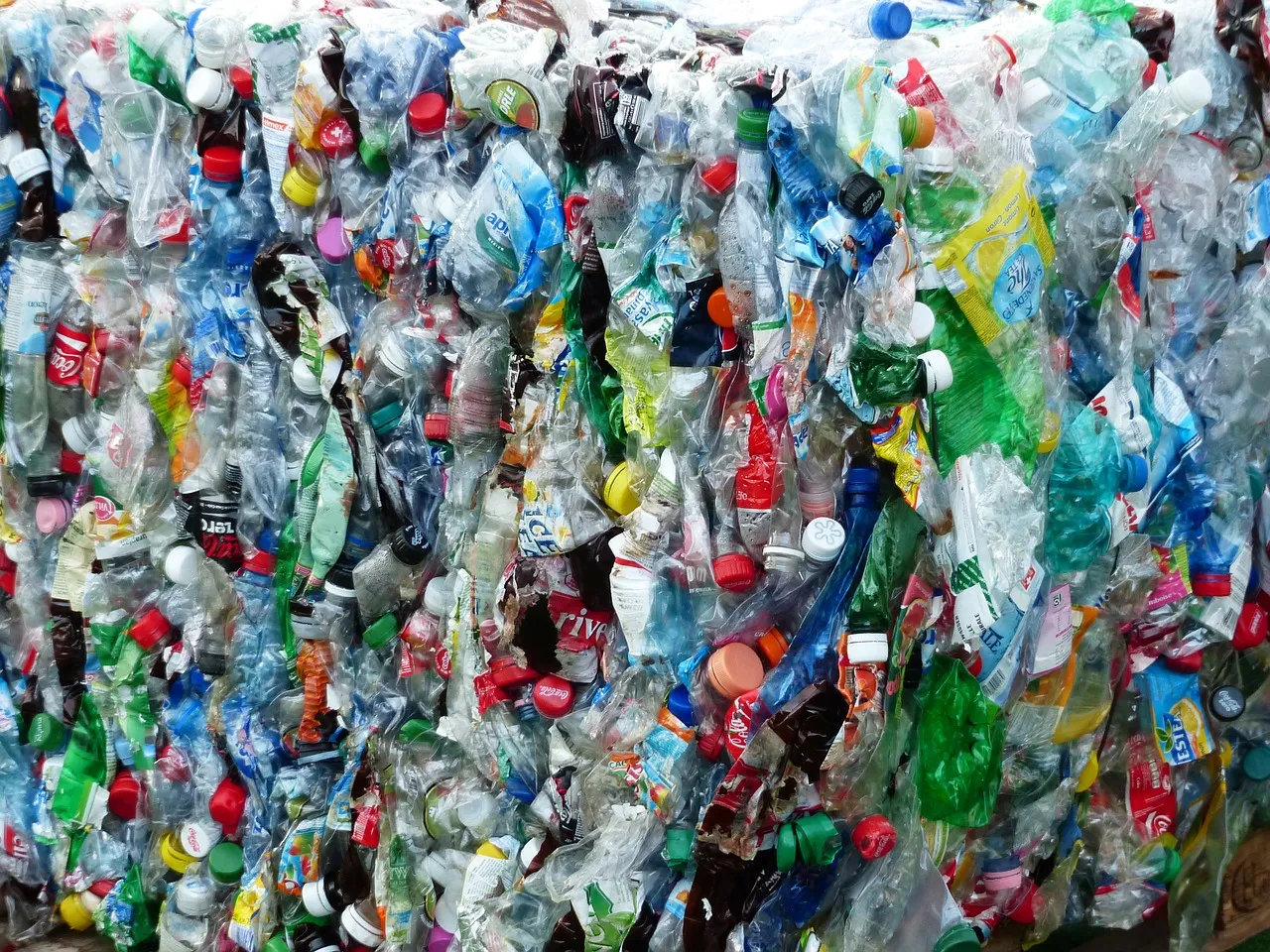
Image: Hans, Plastic Bottles Recycling, Pixabay, Creative Commons CC0
News and resources
UK businesses agree to cut plastics
UK charity WRAP has launched the UK Plastics Pact, a voluntary scheme which brings together businesses responsible for 80% of the plastic packaging on products sold in UK supermarkets. The pact aims to make 100% of plastic packaging reusable, recyclable or compostable by 2025, among other goals.
Read
Image
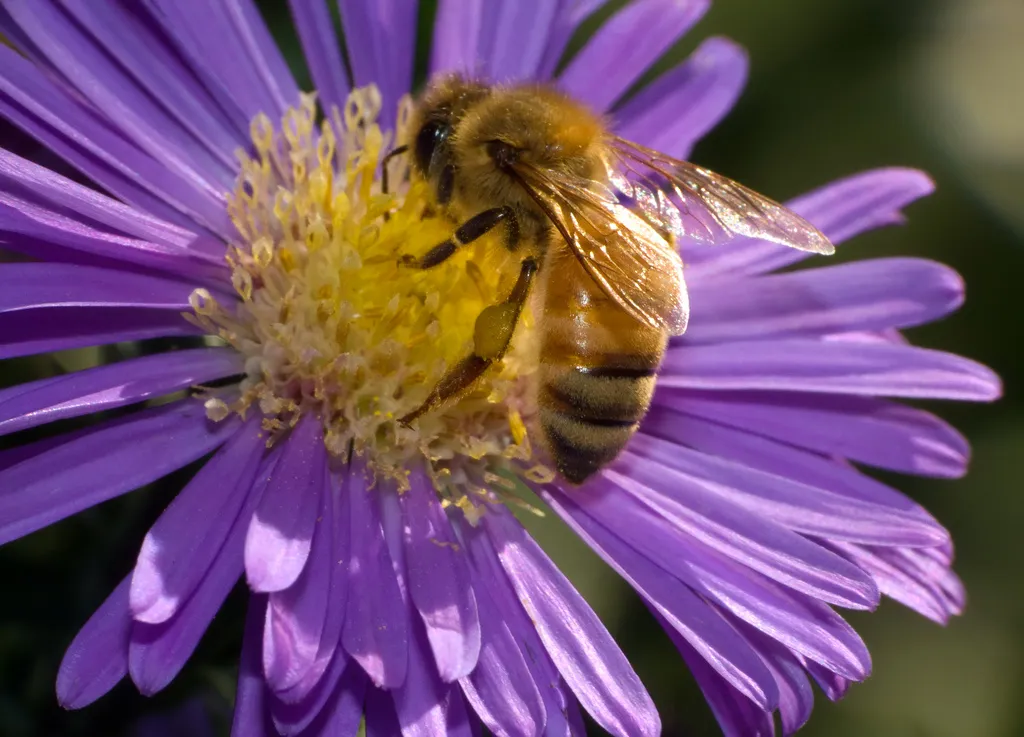
Image: Cory Barnes, Honeybee on Flower, Flickr, Creative Commons Attribution-ShareAlike 2.0 Generic
News and resources
EU votes to ban neonicotinoid pesticides
European Union member countries have voted to ban three neonicotinoid pesticides. Neonicotinoids have been linked to the decline of bees and other pollinators. Neonicotinoids will be banned from use in open fields by the end of 2018, but will still be permitted inside closed greenhouses.
Read
Image
Reports
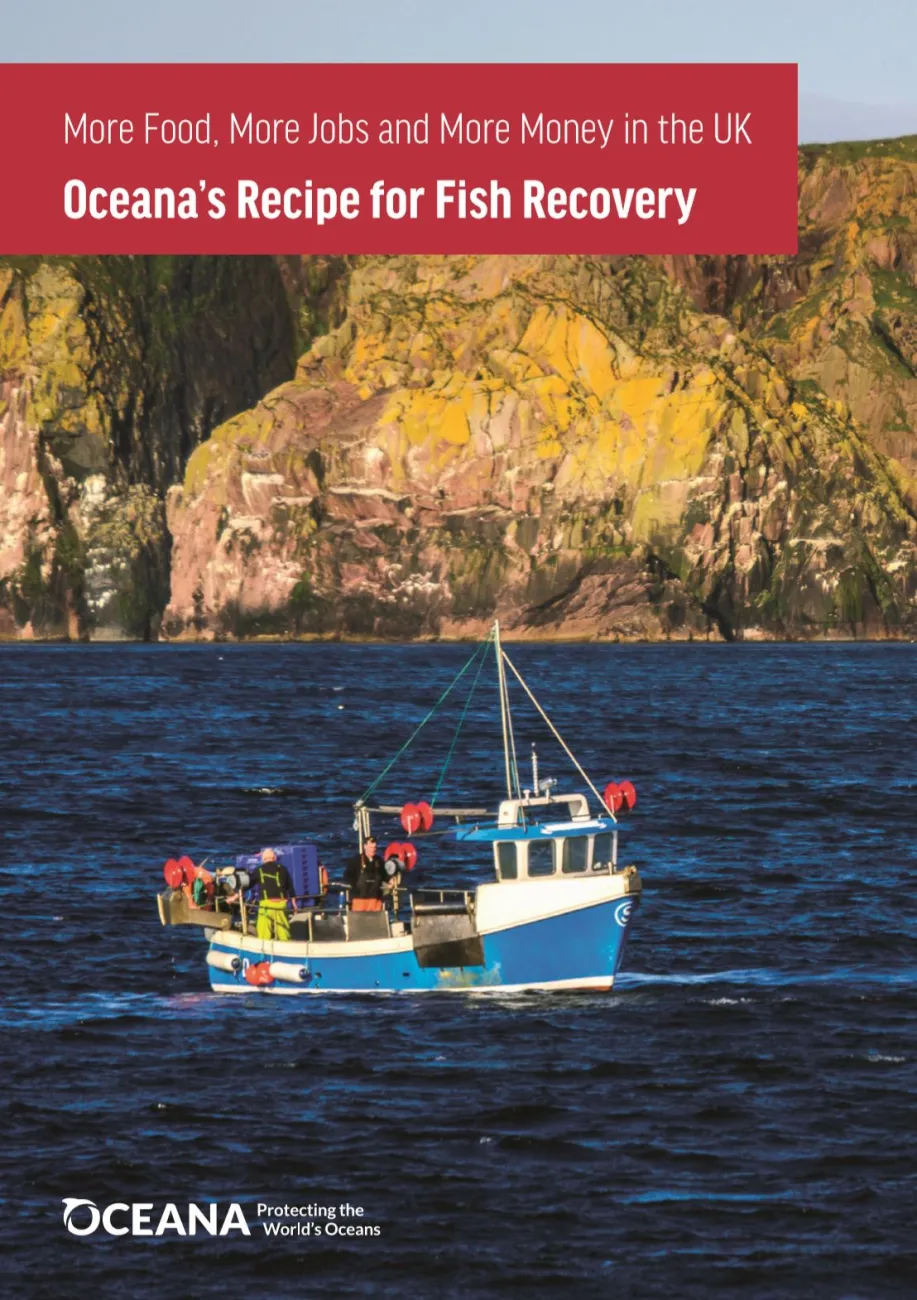
UK fish stock recovery could create jobs
Building UK fish stocks up to their maximum sustainable yields could increase fish catches by 27%, create 5,100 new jobs and add £319 million to the UK’s GDP, NGO Oceana reports. Oceana points out that Brexit may provide a window of opportunity to change the UK’s fishing practices for the better.
Read
Image
Image: Lisa.davis, A vegetarian Indian Thali, Wikipedia, Creative Commons Attribution-Share Alike 2.0 Generic
Journal articles
Global dietary guidelines and climate change
The authors of this paper calculate the carbon footprint of various recommended healthy diets around the world and find that most recommendations are inconsistent with the 1.5°C climate target, and are probably also inconsistent with the 2.0°C target unless non-food sectors almost completely cut their carbon emissions by 2050. Annual per capita diet-related carbon footprints vary from 687 kg CO2 eq. for Indian vegetarian dietary guidelines to 1579 kg CO2 eq. for US dietary guidelines.
Read
Image
News and resources
Newsletter: Frontiers of Food - Nordic Food Policy Lab
The Nordic Food Policy Lab, which collects and curates Nordic food policy solutions responding to the UN Agenda 2030 and the Sustainable Development Goals, has launched a new email newsletter, Frontiers of Food. The newsletter will contain the latest updates, thoughts and case studies on innovative food policy around the world.
Read
Image
Books
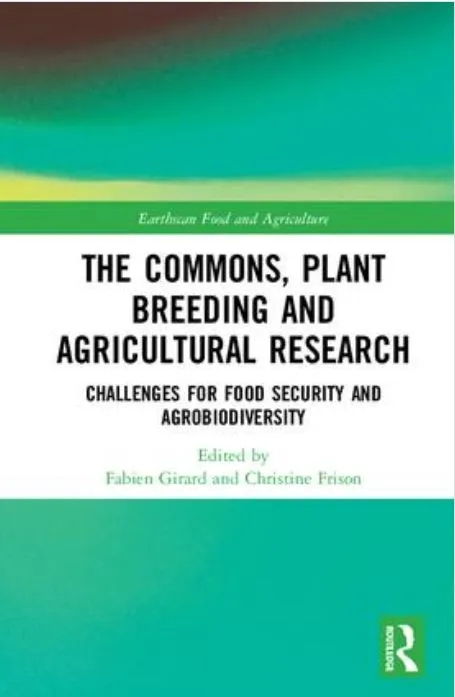
The commons, plant breeding and agricultural research
This book, edited by Fabien Girard and Christine Frison, shows how innovative legal frameworks could better support the need for diversity in crop varieties while maintaining incentives for agricultural innovation, with a particular focus on the concept of the commons.
Read
Image
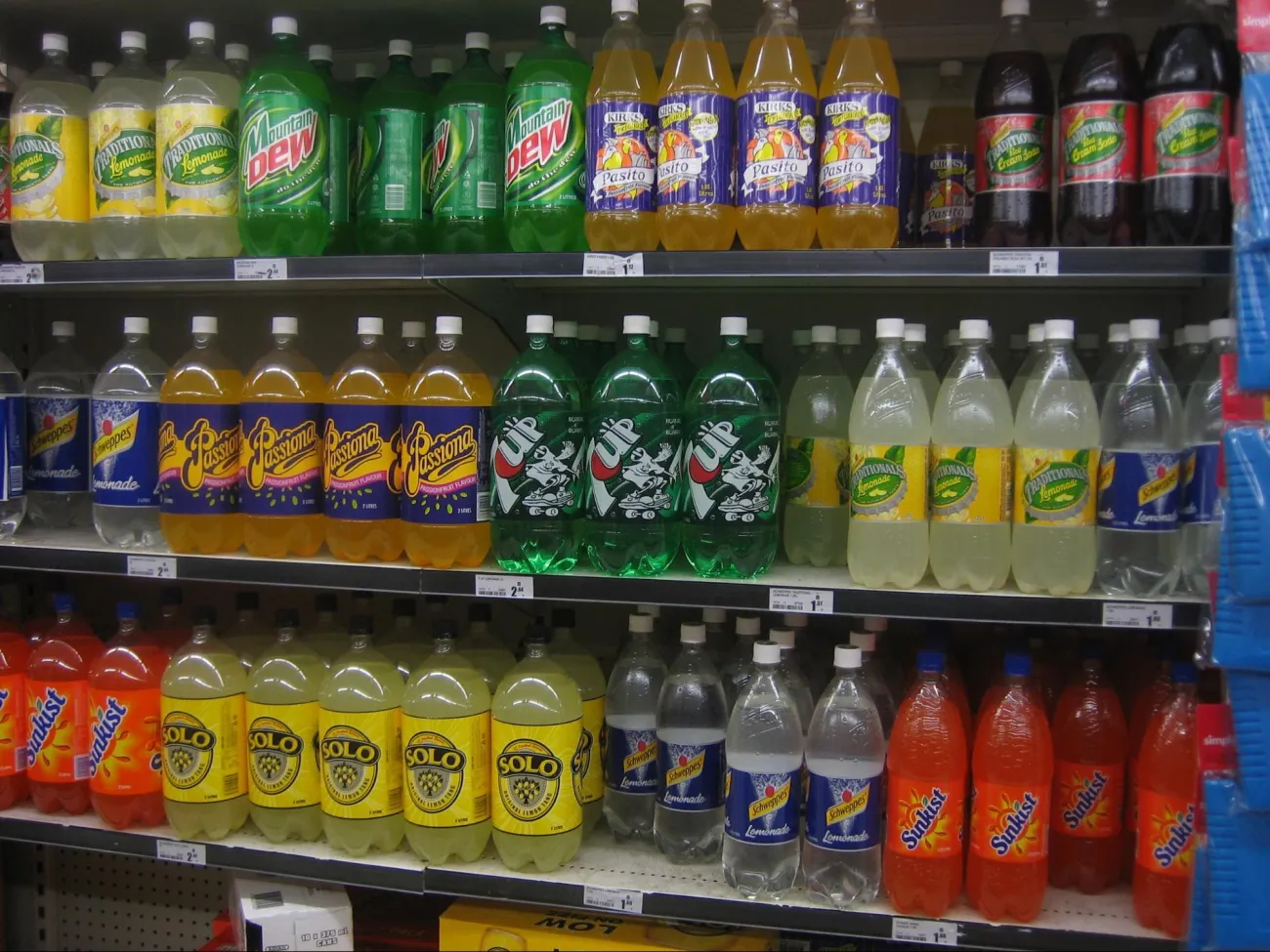
Image: SMC at English Wikipedia, Soft drinks on shelves in a Woolworths supermarket, Wikimedia Commons, Public domain
Resource
Sugar tax comes into effect in the UK - here's what you need to know about it
A sugar tax came into force in the UK on 6 April. Soft drinks manufacturers will be levied 18p per litre of drink that contains more than 5 grams of sugar per 100ml. Unsweetened fruit juices and milk are exempt.
Read
  • VIEW MORE

Sign up for Fodder, our newsletter covering sustainable food news.

Sign up
  • Glossary
  • About
  • Our Writing
  • Podcasts
  • Resources

Social

YouTube Facebook Instagram

© Copyright 2025

A collaboration between: