Close
Login Register
Search
  • About
    • What We Do
    • Who We Are
    • FAQs
  • Our Writing
    • Explainers
    • Essays
    • Letterbox
    • Reports & More
  • Podcasts
  • Our Events
  • Projects
    • Power In The Food Systems
    • Local-Global Scale Project
    • MEAT: The Four Futures Podcast
    • Fuel To Fork
    • Nature
    • Reckoning with Regeneration
    • SHIFT
    • Games at TABLE
    • Rethinking the Global Soy Dilemma
  • Resources
  • Opportunities
    • Jobs
    • Funding
    • Courses
    • Collaborations
    • Events
  • Newsletter
  • TABLE (EN)
Search
Back

Agricultural biodiversity

Image
Resource
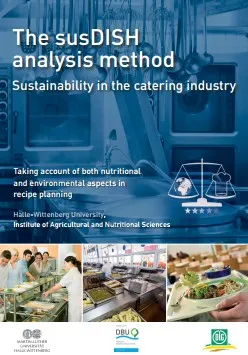
The susDISH analysis method – Sustainability in the catering industry
The booklet The susDISH analysis method – Sustainability in the catering industry, taking account of both nutritional and environmental aspects in recipe planning is published by the Institute of Agricultural and Nutritional Sciences of the Halle-Wittenberg University.
Read
Image
Resource
The Sustainable Intensification of European Agriculture: A Review Sponsored by the RISE Foundation
This report builds on the dialogue built during a workshop held by RISE in 2014 regarding the measurement of farming environmental performance so as to further refine the definitions of sustainable intensification and the subsequent implications that such definitions pose on policy making to progress it. In doing so, the report explores three different case studies: The first case study focuses on soil performance and resilience. It shows how achieving sustainable intensification is highly dependent on having sound measurement of the underlying conditions.
Read
Image
Resource
Organic agriculture and biodiversity impacts
This study, entitled "Gains to species diversity in organically farmed fields are not propagated at the farm level, investigates whether organic farming contributes to biodiversity at the farm level."
Read
Image
Resource
Grazing animals protecting biodiversity in over-fertilized grasslands
This comparative five year study on grasslands suggests that allowing grazing animals to crop the excess growth of of grasses that, due to fertization, grow too vigorously, can counteract the threats these grasses present to the other plants that contribute to the biodiversity of native prairies.
Read
Image
Resource
Homogenisation of food supplies leads to food security concerns
Read
Image
Resource
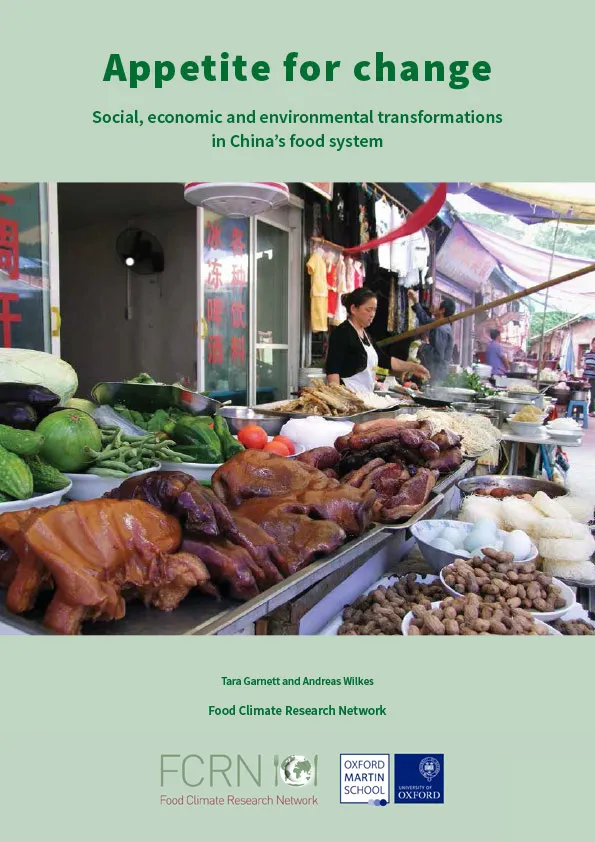
Appetite for Change: social, economic and environmental transformations in China’s food system
The Food Climate Research Network has published a major new report focusing on China’s changing food system. Appetite for Change provides a detailed and integrative analysis of the dramatic changes in China’s food system over the last 35 years, and explores the linkages among the environmental, health, economic and cultural trends that are emerging.  
Read
Image
Resource
Study on land-use intensity shows organic farming boosts biodiversity
Read
Image
Resource
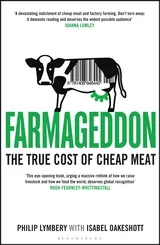
Farmageddon: The True Cost of Cheap Meat
Farmagaddeon describes the effects of livestock intensification (“factory farming”) around the world. It makes the case against industrialised agriculture arguing that it affects not only the welfare of farmed animals but also increasingly our countryside, health and the quality of our food all around the world.
Read
Image
Resource
Using Changes in Agricultural Utility to Quantify Future Climate-Induced Risk to Conservation
Read
  • VIEW MORE

Sign up for Fodder, our monthly newsletter unpacking the future of food.

Tick below to opt-in to email communications.

You can change your mind at any time by clicking the unsubscribe link in the footer of any email you receive from us, or by contacting us at info@tabledebates.org.

We use Mailchimp as our marketing platform. By clicking below to subscribe, you acknowledge that your information will be transferred to Mailchimp for processing. Learn more about Mailchimp's privacy practices.
  • Glossary
  • About
  • Our Writing
  • Podcasts
  • Resources

Social

YouTube Facebook Instagram

© Copyright 2025

A collaboration between: