Close
Login Register
Search
  • About
    • What We Do
    • Who We Are
    • FAQs
  • Our Writing
    • Explainers
    • Essays
    • Letterbox
    • Reports & More
  • Podcasts
  • Our Events
  • Projects
    • Power In The Food Systems
    • Local-Global Scale Project
    • MEAT: The Four Futures Podcast
    • Fuel To Fork
    • Nature
    • Reckoning with Regeneration
    • SHIFT
    • Rethinking the Global Soy Dilemma
  • Resources
  • Opportunities
    • Jobs
    • Funding
    • Courses
    • Collaborations
    • Events
  • Newsletter
  • TABLE (EN)
Search
Back

Agricultural biodiversity

Image
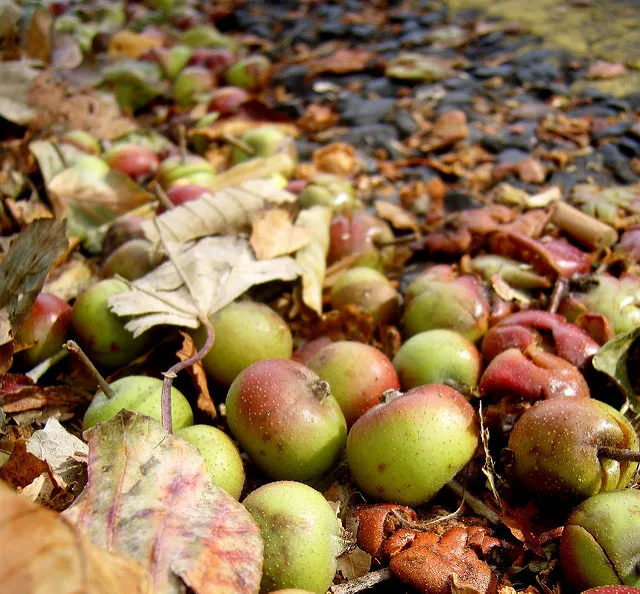
Credit: James Bowe, Apples by the road, Flickr, Creative Commons licence 2.0
Resource
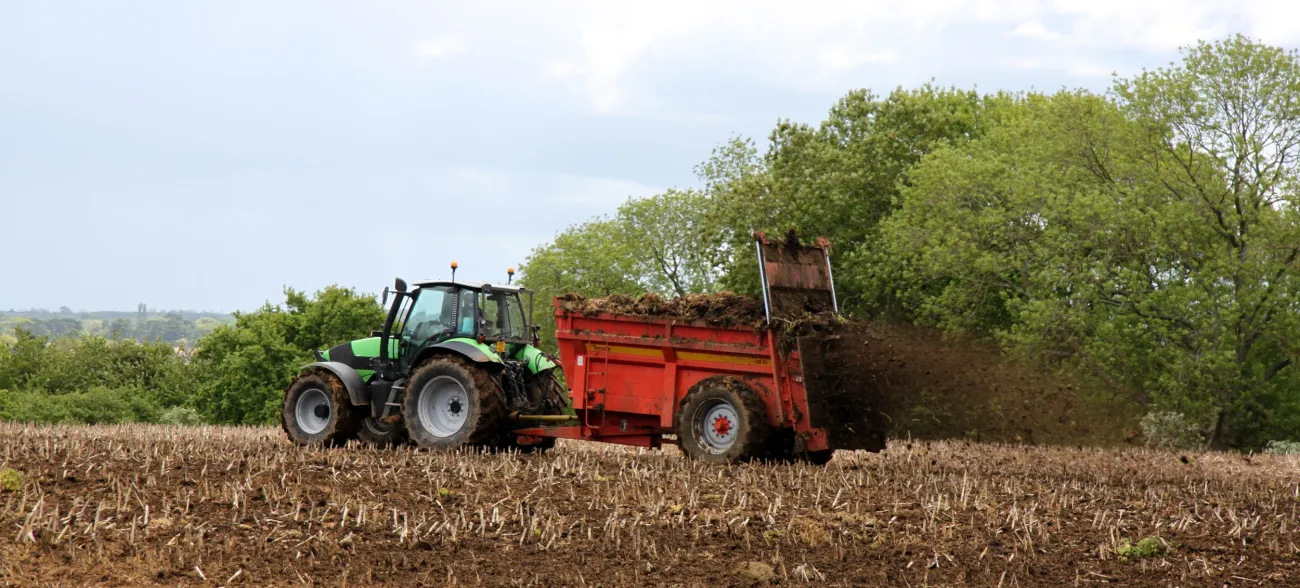
Reducing agricultural loss and food waste: how will nature fare?
This editorial article focuses on an aspect of agricultural food loss and waste, not often considered: the effects that a reduction in food loss and waste at the production stage, might have on the species that have become reliant on food waste.
Read
Image
Photo: USFWS Mountain-Prairie, Wetlands in Croplands, Flickr, Creative Commons License 2.0
Resource
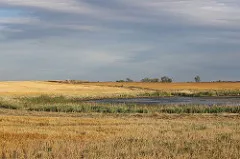
Modelling potential future trade-offs between biodiversity and cropland expansion to improve food security
In this modelling study, the authors examine potential trade-offs between sufficient food provisioning in the future and sustaining biodiversity. On the one hand they find that cropland expansion increases food security, particularly in areas which are currently struggling with access to safe and nutritious food.
Read
Image
Photo: Susanne Nilsson, Flickr, Tropical Fish, Creative Commons License 2.0
Resource
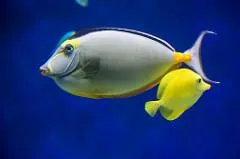
Island with largest recorded biodiversity in the world is threatened by overfishing
Researchers from Conservation International have found a small island near Timor-Leste with staggering species richness. Atauro Island, home to about 8,000 people sits in the middle of the so-called Coral Triangle, known for its biodiverse marine environments.
Read
Image
Resource
Highlights from OneHealth project
The OneHealth project, launched in 2015, explores the relationship between infectious diseases, biodiversity and ecosystems, the economics of disease and disease drivers, and the impacts of climate change and demography on health.
Read
Image
Resource
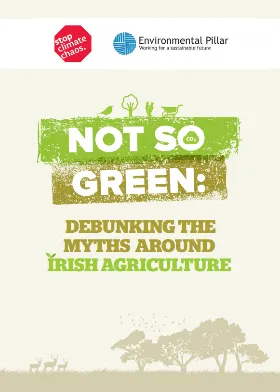
Not so Green: Debunking the Myths around Irish Agriculture
This report by members of the Environmental Pillar and Stop Climate Chaos aims to better inform discussions across civil society, media and government, and at EU policy level, regarding Ireland’s climate, energy, and wider environmental responsibilities.
Read
Image
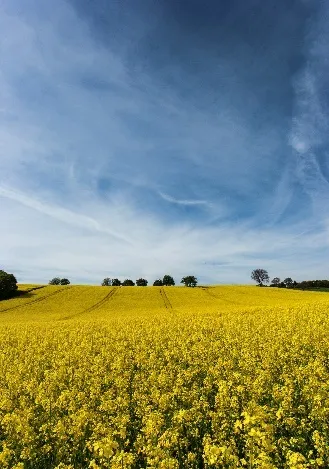
Photo: targut, rapeseed fields, Flickr, Creative commons licence 2.0
Resource
The impact of high crop prices on the use of agro-chemical inputs in France
Biofuel policies have been a major driver of rising prices for biofuel crops around the world, such as rapeseed, corn and soy. In this paper researchers take France as an example and show that a tax of €0.05–0.27 per kg of fertiliser could help to limit French farmers’ use of fertiliser (driven by the high rapeseed prices resulting from biofuels policy).
Read
Image
(Photo: Rainforest by Andrés Moreno, Flickr, creative commons licence 2.0)
Resource
The potential of using biodiversity scenarios to create effective responses to future environmental challenges
This paper presents biodiversity scenarios as a useful tool to help policymakers predict how flora and fauna will likely respond to future environmental conditions. Although changes to land use are a major driver of biodiversity loss, the study finds that scenarios focus overwhelmingly on climate change. The researchers argue that this imbalance makes scenarios less credible, and they make recommendations on how to improve and make more plausible projections.
Read
Image
Resource
IPES report “From uniformity to diversity: a paradigm shift from industrial agriculture to diversified agroecological systems”
The iPES food panel (International Panel of Experts on Sustainable Food Systems), has published a report reviewing the latest evidence on benefits and challenges with different production models, specifically looking at the industrial agriculture and agroecological farming systems. It argues that there are eight key reasons why industrial agriculture is locked in place despite its negative impacts; and it maps out a series of steps to break these cycles and shift towards expanding agroecological farming.
Read
Image
Resource
Synthesis reports: organic agriculture positively affects a number of public benefits, but more detailed research needed to fully understand impacts on health
In a major report, ICROFS (International Centre for Research in Organic Food Systems) at Aarhus University, Denmark evaluates the health and environmental impacts of organic versus conventionally farmed foods.
Read
  • VIEW MORE

Sign up for Fodder, our newsletter covering sustainable food news.

Sign up
  • Glossary
  • About
  • Our Writing
  • Podcasts
  • Resources

Social

YouTube Facebook Instagram

© Copyright 2025

A collaboration between: