Image Resources Our extensive research library contains thousands of summaries of journal articles, reports and news stories that can be searched by keyword and category RESOURCES CATEGORY Books Briefing paper Event recording Featured articles Featured report Game Journal articles News and resources Reports Think piece Video Working paper Workshop summary Year 2026 2025 2024 2023 2022 2021 2020 2019 2018 2017 2016 2015 2014 2013 2012 2011 2010 2009 2008 2007 2002 2001 Resource Paper: LCA of community urban food growing This very useful paper provides a much needed analysis of GHG emissions resulting from community urban food growing. The study is located in the London Borough of Sutton ( a suburban part of london) and the area of production covers just under 3 hectares. The study concludes that urban food prodution can deliver useful reductions in GHG emissions as compared with supermarket equivalents, provided that care is taken to produce the crops where there is the greatest environmental comparative advantage. Read Resource Chatham House Resource Futures report In December 2012 Chatham House (The Royal Institute for International Affairs) produced a report, Resource Futures, which presented the findings of a major into the shifting global political economy of key resources (land, water, energy, minerals and food), analysing their inter-linkages in production, use and trade. Read Resource WWF/ Food Ethics Council report Prime Cuts: valuing the meat we eat WWF and the Food Ethics Council have jointly published a report which explores the whole idea of eating “less but better” meat. Read Resource Yield Enhancement Network launched ADAS, an environmental consultancy firm, has launched a Yield Enhancement Network (YEN) set up to foster and energise innovation in the arable industry, with the goal of understanding how higher yields from the UK’s arable sector can be produced. Read Resource Rise in Flexitarianism in the Netherlands New work undertaken by a team at Wageningen University in the Netherlands suggests that many Dutch consumers are interested in reducing their meat consumption without completely becoming vegetarian. The new data find more than three-quarters of consumers questioned have at least one ‘meat free’ day per week and 40% report at least three meat free days per week. The Dutch researchers claim that this trend of flexitarianism is emerging for other nations throughout Europe. Read Image Resource Fairtrade Monitoring Report Read Resource Increase in Agriculture Students in the UK The Higher Education Statistics Agency (HESA) revealed postgraduate ‘Agriculture and related subjects’ saw the biggest increase in UK university enrolment over the last year. Read Image Resource BP’s Energy Outlook 2030 BP has published a report ‘Energy Outlook 2030’, which projects future energy trends and factors that could affect them, based on views of likely economic and population growth and developments in policy and technology. This year’s edition examines the revolution in shale gas and tight oil, which is driving America’s energy revival. Read Image Resource Report: ‘A Children’s Future Fund – How food duties could provide the money to protect children’s health and the world they grow up in A new report by Sustain, the alliance for better food and farming, calls for the UK Budget 2013 to implement a sugary drinks duty to fund a ‘Children’s Future Fund’ for spending on programmes to improve children’s health and future well-being. Read VIEW MORE
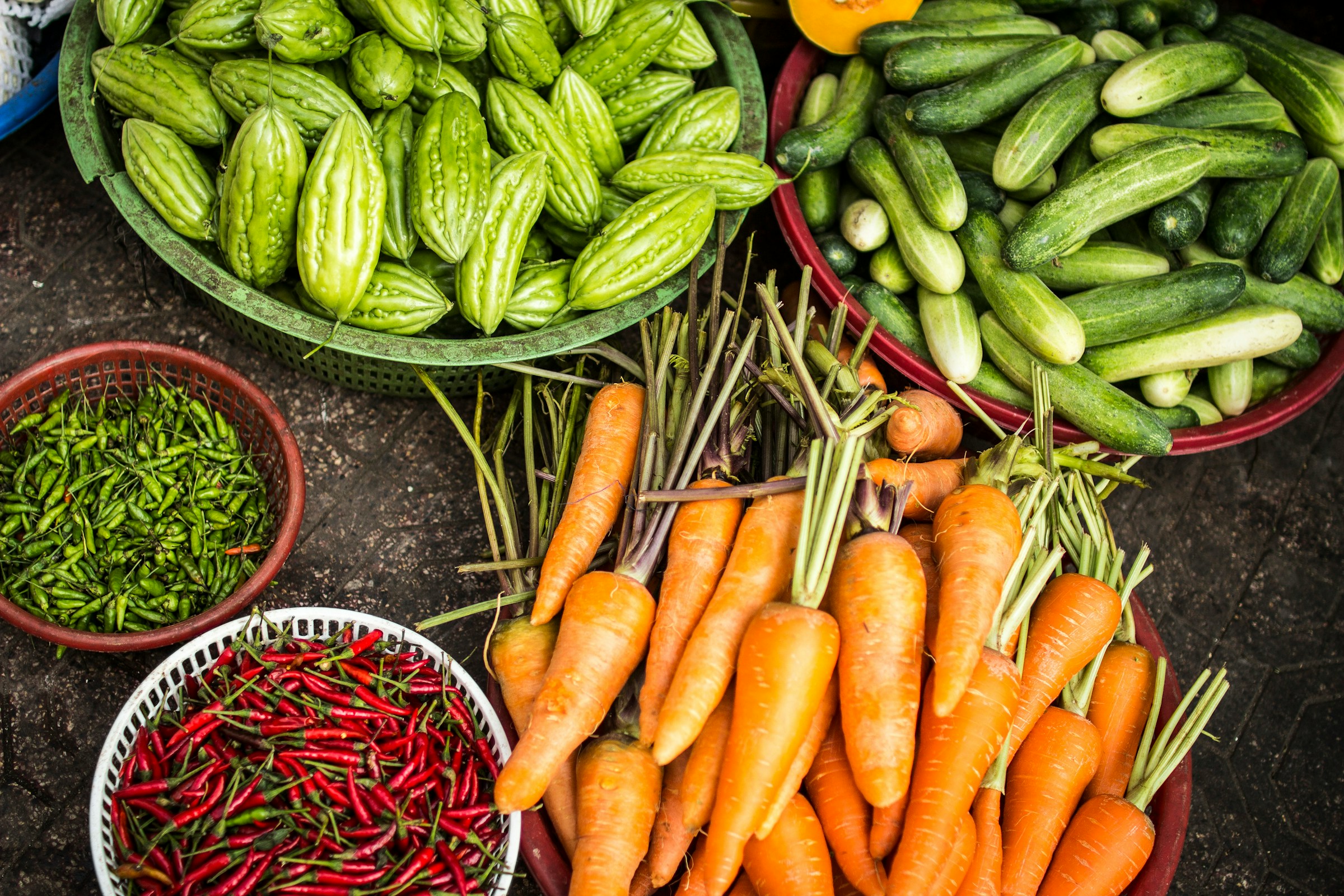
Resource Paper: LCA of community urban food growing This very useful paper provides a much needed analysis of GHG emissions resulting from community urban food growing. The study is located in the London Borough of Sutton ( a suburban part of london) and the area of production covers just under 3 hectares. The study concludes that urban food prodution can deliver useful reductions in GHG emissions as compared with supermarket equivalents, provided that care is taken to produce the crops where there is the greatest environmental comparative advantage. Read
Resource Chatham House Resource Futures report In December 2012 Chatham House (The Royal Institute for International Affairs) produced a report, Resource Futures, which presented the findings of a major into the shifting global political economy of key resources (land, water, energy, minerals and food), analysing their inter-linkages in production, use and trade. Read
Resource WWF/ Food Ethics Council report Prime Cuts: valuing the meat we eat WWF and the Food Ethics Council have jointly published a report which explores the whole idea of eating “less but better” meat. Read
Resource Yield Enhancement Network launched ADAS, an environmental consultancy firm, has launched a Yield Enhancement Network (YEN) set up to foster and energise innovation in the arable industry, with the goal of understanding how higher yields from the UK’s arable sector can be produced. Read
Resource Rise in Flexitarianism in the Netherlands New work undertaken by a team at Wageningen University in the Netherlands suggests that many Dutch consumers are interested in reducing their meat consumption without completely becoming vegetarian. The new data find more than three-quarters of consumers questioned have at least one ‘meat free’ day per week and 40% report at least three meat free days per week. The Dutch researchers claim that this trend of flexitarianism is emerging for other nations throughout Europe. Read
Resource Increase in Agriculture Students in the UK The Higher Education Statistics Agency (HESA) revealed postgraduate ‘Agriculture and related subjects’ saw the biggest increase in UK university enrolment over the last year. Read
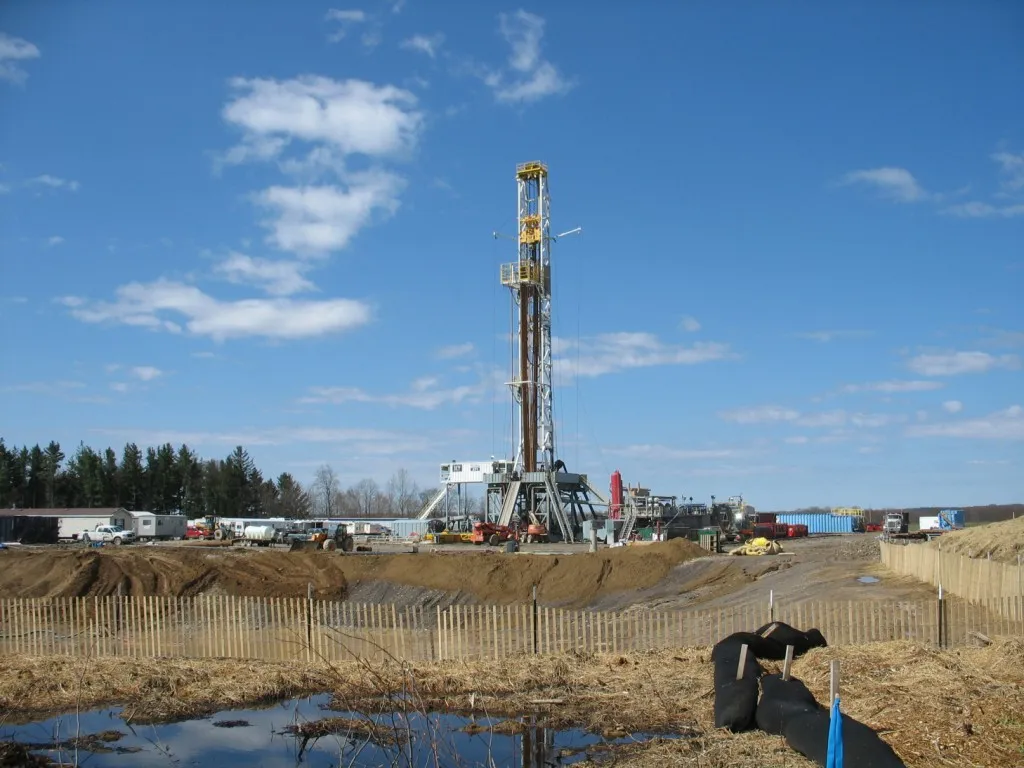
Image Resource BP’s Energy Outlook 2030 BP has published a report ‘Energy Outlook 2030’, which projects future energy trends and factors that could affect them, based on views of likely economic and population growth and developments in policy and technology. This year’s edition examines the revolution in shale gas and tight oil, which is driving America’s energy revival. Read
Image Resource Report: ‘A Children’s Future Fund – How food duties could provide the money to protect children’s health and the world they grow up in A new report by Sustain, the alliance for better food and farming, calls for the UK Budget 2013 to implement a sugary drinks duty to fund a ‘Children’s Future Fund’ for spending on programmes to improve children’s health and future well-being. Read