Image Resources Our extensive research library contains thousands of summaries of journal articles, reports and news stories that can be searched by keyword and category RESOURCES CATEGORY Books Briefing paper Event recording Featured articles Featured report Game Journal articles News and resources Reports Think piece Video Working paper Workshop summary Year 2026 2025 2024 2023 2022 2021 2020 2019 2018 2017 2016 2015 2014 2013 2012 2011 2010 2009 2008 2007 2002 2001 Image Resource A systematic review of the effectiveness of food taxes and subsidies to improve diets: Understanding the recent evidence Food taxes & subsidies are effective at improving diets, according to a systematic review carried out by Australian researchers and published in the journal Nutrition Reviews. The systematic review analyses evidence from research published between January 2009 and March 2012 looking at the effectiveness of food taxes and subsidies on consumption. Included in the review were only papers assessing a specific food tax and those which directly and prospectively observed consumer responses to a fiscal policy intervention. Read Image Resource Importance of food-demand management for climate mitigation This new paper published in Nature Climate Change, focuses on food demand-side climate change mitigation options. It suggests that if current trends continue, food production alone will reach (if not exceed) the global targets for total greenhouse gas emissions in 2050. Diet preferences are shifting globally toward meat-heavy western foods with a high GHG-impact and this, combined with a growing global population, imply that even if we manage to increase agricultural yields (through for example sustainable intensification), this will not be enough to meet projected food demands. Read Image Resource Replacing soya in livestock feeds with UK-grown protein crops: prospects and implications This report from Centre for Agricultural Strategy at the university of Reading discusses the use of soya in UK livestock feeds. It describes how UK livestock production has become increasingly intensive over the last 20 years with a declining number of livestock farms rearing fewer, more productive animals, which require more nutrient dense feeds, containing a higher proportion of high quality protein. As UK agriculture has been unable to meet all of the demand from for vegetable protein, imported soya bean meal has largely filled the gap. Read Image Resource Video presentation from event on sustainable dairy in Asia This video presentation on the topic Elements of a Regional Dairy Strategy for Asia and the Pacific, features Vinod Ahuja, Livestock Policy Officer at FAO Regional Office for Asia and the Pacific. Read Image Resource UK public sector sourcing plan backs local food industry As part of a new food and drink buying standard, UK Prime Minister David Cameron has announced that from 2017 all of central government will commit to source public sector food locally. Read Image Resource Street Food: Culture, Economy, Health and Governance Prepared foods, for sale in streets, squares or markets, are ubiquitous around the world and throughout history. This volume is one of the first to provide a comprehensive social science perspective on street food, illustrating its immense cultural diversity and economic significance, both in developing and developed countries. Read Image Resource 40% of Brits ready to try insects according to new report New data from Canadean based on a survey of 2000 individuals finds that many people in Britain are interested in trying insects and around 6% say that they would like to eat them regularly. Read Image Resource UNEP Year Book 2014: Emerging issues in our global environment Ten years after the first Year Book in this series appeared, a special e-book anniversary edition – UNEP Year Book 2014 – presents a fresh look at ten issues highlighted over the past decade. Read Image Resource Storify report from debate - Feeding Britain: Can we do it sustainably?” This debate, held on 8 July 2014 and hosted by the Green Alliance, discussed the question “Feeding Britain: Can we do it sustainably?” It focused on how prepared companies are for changes in food supply and price shocks, how sustainability fits within the approaches they are currently using, and whether UK food security can really be delivered sustainably. Read VIEW MORE
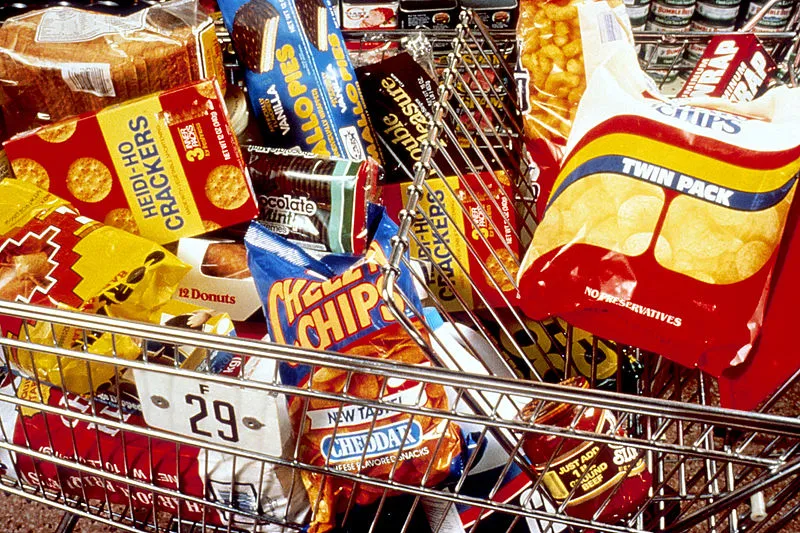
Image Resource A systematic review of the effectiveness of food taxes and subsidies to improve diets: Understanding the recent evidence Food taxes & subsidies are effective at improving diets, according to a systematic review carried out by Australian researchers and published in the journal Nutrition Reviews. The systematic review analyses evidence from research published between January 2009 and March 2012 looking at the effectiveness of food taxes and subsidies on consumption. Included in the review were only papers assessing a specific food tax and those which directly and prospectively observed consumer responses to a fiscal policy intervention. Read
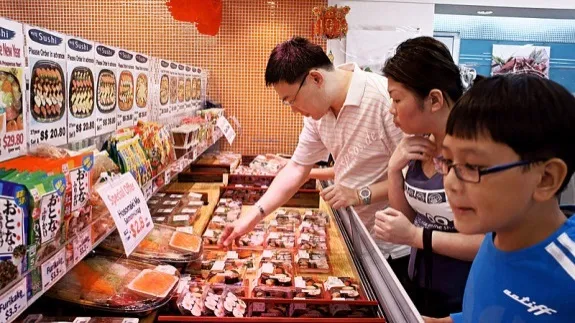
Image Resource Importance of food-demand management for climate mitigation This new paper published in Nature Climate Change, focuses on food demand-side climate change mitigation options. It suggests that if current trends continue, food production alone will reach (if not exceed) the global targets for total greenhouse gas emissions in 2050. Diet preferences are shifting globally toward meat-heavy western foods with a high GHG-impact and this, combined with a growing global population, imply that even if we manage to increase agricultural yields (through for example sustainable intensification), this will not be enough to meet projected food demands. Read
Image Resource Replacing soya in livestock feeds with UK-grown protein crops: prospects and implications This report from Centre for Agricultural Strategy at the university of Reading discusses the use of soya in UK livestock feeds. It describes how UK livestock production has become increasingly intensive over the last 20 years with a declining number of livestock farms rearing fewer, more productive animals, which require more nutrient dense feeds, containing a higher proportion of high quality protein. As UK agriculture has been unable to meet all of the demand from for vegetable protein, imported soya bean meal has largely filled the gap. Read
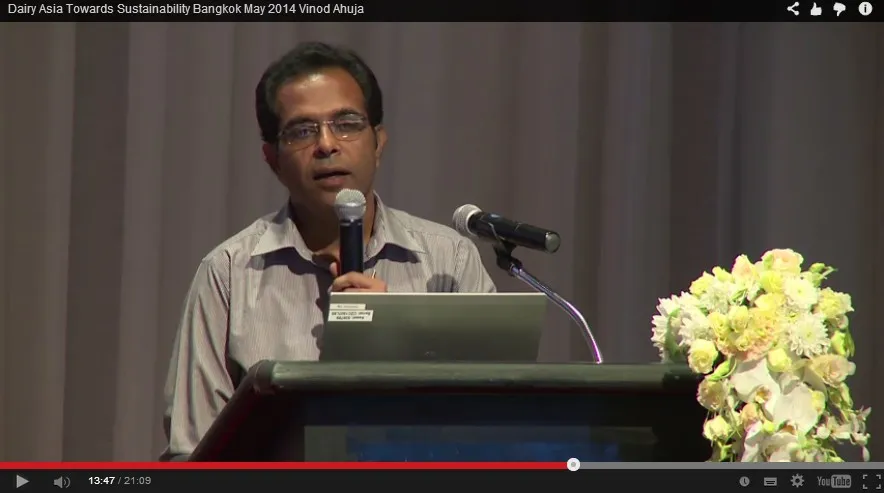
Image Resource Video presentation from event on sustainable dairy in Asia This video presentation on the topic Elements of a Regional Dairy Strategy for Asia and the Pacific, features Vinod Ahuja, Livestock Policy Officer at FAO Regional Office for Asia and the Pacific. Read
Image Resource UK public sector sourcing plan backs local food industry As part of a new food and drink buying standard, UK Prime Minister David Cameron has announced that from 2017 all of central government will commit to source public sector food locally. Read
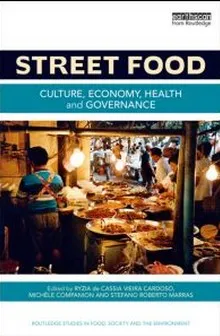
Image Resource Street Food: Culture, Economy, Health and Governance Prepared foods, for sale in streets, squares or markets, are ubiquitous around the world and throughout history. This volume is one of the first to provide a comprehensive social science perspective on street food, illustrating its immense cultural diversity and economic significance, both in developing and developed countries. Read
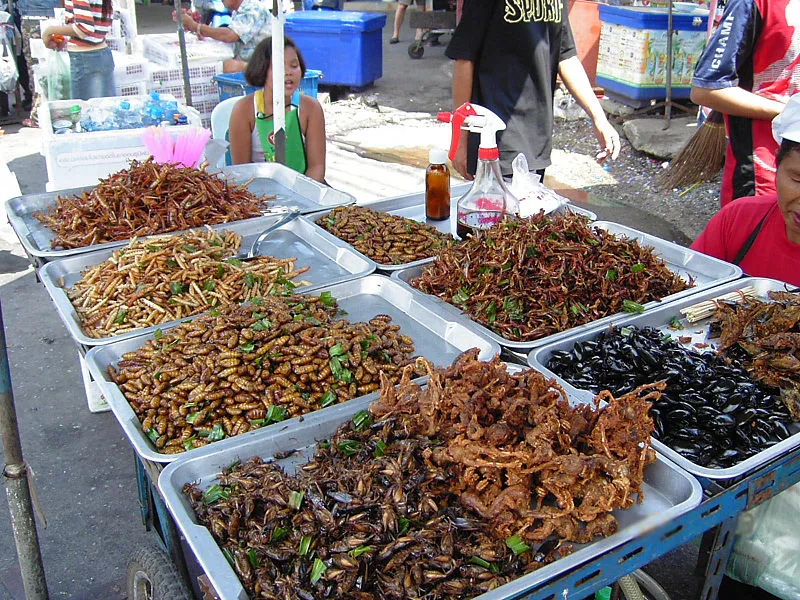
Image Resource 40% of Brits ready to try insects according to new report New data from Canadean based on a survey of 2000 individuals finds that many people in Britain are interested in trying insects and around 6% say that they would like to eat them regularly. Read
Image Resource UNEP Year Book 2014: Emerging issues in our global environment Ten years after the first Year Book in this series appeared, a special e-book anniversary edition – UNEP Year Book 2014 – presents a fresh look at ten issues highlighted over the past decade. Read
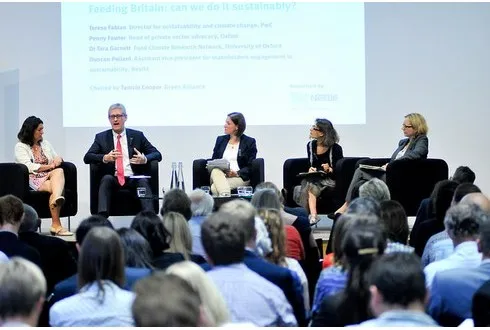
Image Resource Storify report from debate - Feeding Britain: Can we do it sustainably?” This debate, held on 8 July 2014 and hosted by the Green Alliance, discussed the question “Feeding Britain: Can we do it sustainably?” It focused on how prepared companies are for changes in food supply and price shocks, how sustainability fits within the approaches they are currently using, and whether UK food security can really be delivered sustainably. Read