Image Resources Our extensive research library contains thousands of summaries of journal articles, reports and news stories that can be searched by keyword and category RESOURCES CATEGORY Books Briefing paper Event recording Featured articles Featured report Game Journal articles News and resources Reports Think piece Video Working paper Workshop summary Year 2026 2025 2024 2023 2022 2021 2020 2019 2018 2017 2016 2015 2014 2013 2012 2011 2010 2009 2008 2007 2002 2001 Image Resource Increasing CO2 threatens human nutrition Dietary deficiencies of zinc and iron are a substantial global public health problem. An estimated two billion people suffer these deficiencies, causing a loss of 63 million life-years annually. Read Image Resource Direct evidence of milk consumption from ancient human dental calculus The consumption of milk is regarded as a classic example of gene-culture evolution. Archaeologists and geneticists have been puzzling about where and why people have been drinking milk since it was revealed that the mutations which enable adults to drink milk are under the strongest selection of any in the human genome. Co-author Dr Christina Warinner, from the Department of Anthropology, University of Oklahoma, said: "The study has far-reaching implications for understanding the relationship between human diet and evolution. Read Image Resource Poor attitudes in the west will stop insects being food A decline in meat production combined with further increase in demand could spur businesses to look for alternative food protein sources, said Media Eghbal, head of countries analysis at Euromonitor International when being interviewed by the Food navigator. Read Image Resource New Food Systems Academy – an open education resource This website, curated by Geoff Tansey, provides a series of open access online talks, for use by those teaching some aspect of food and farming – but open to anyone to watch. The aim is to provide an overview of the complex and multidisciplinary nature of food systems. Read more about the initiative on their website. Read Image Resource Business and academia join forces to tackle UK food security In light of increasing population growth and competition over land use, the National Centre for Universities and Business (NCUB) is experimenting with collaboration between agronomy experts and companies in the food supply chain. Read Image Resource Topsy turvy: Sustainable cocoa efforts are upside down, says WWF Discussing how a very small proportion of the world's cocoa producers is responsible for the negative impacts of the industry, Oliver Nieburg of WWF presents options for improving performance. Read Image Resource Book: Food Waste - Home Consumption, Material Culture and Everyday Life In recent years, food waste has risen to the top of the political and public agenda, yet until now there has been no scholarly analysis applied to the topic as a complement and counter-balance to campaigning and activist approaches. Read Image Resource Food Safety and Informal Markets - Animal Products in Sub-Saharan Africa Animal products are vital components of the diets and livelihoods of people across sub-Saharan Africa. They are frequently traded in local, unregulated markets and this can pose significant health risks. Read Image Resource Report by CDP “Deforestation-free supply chains: From commitments to action” The report Deforestation-free supply chains: From commitments to action, published by CDP, highlights ways in which industry can be part of tackling the deforestation crisis while still securing and maintaining access to their sources of profit. Read VIEW MORE
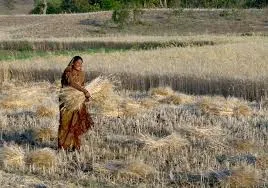
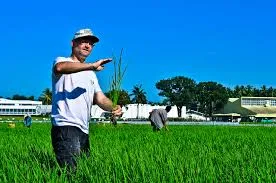
Image Resource Increasing CO2 threatens human nutrition Dietary deficiencies of zinc and iron are a substantial global public health problem. An estimated two billion people suffer these deficiencies, causing a loss of 63 million life-years annually. Read
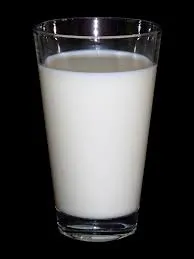
Image Resource Direct evidence of milk consumption from ancient human dental calculus The consumption of milk is regarded as a classic example of gene-culture evolution. Archaeologists and geneticists have been puzzling about where and why people have been drinking milk since it was revealed that the mutations which enable adults to drink milk are under the strongest selection of any in the human genome. Co-author Dr Christina Warinner, from the Department of Anthropology, University of Oklahoma, said: "The study has far-reaching implications for understanding the relationship between human diet and evolution. Read
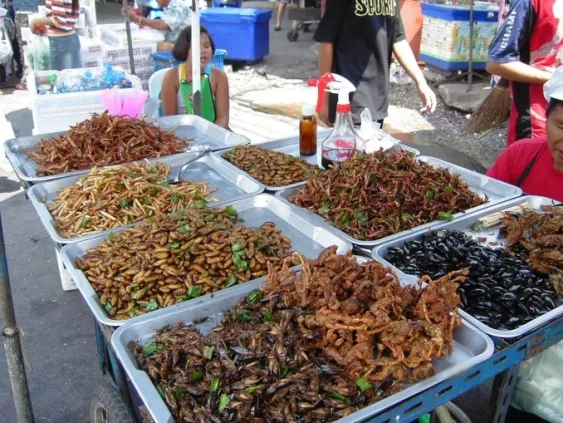
Image Resource Poor attitudes in the west will stop insects being food A decline in meat production combined with further increase in demand could spur businesses to look for alternative food protein sources, said Media Eghbal, head of countries analysis at Euromonitor International when being interviewed by the Food navigator. Read
Image Resource New Food Systems Academy – an open education resource This website, curated by Geoff Tansey, provides a series of open access online talks, for use by those teaching some aspect of food and farming – but open to anyone to watch. The aim is to provide an overview of the complex and multidisciplinary nature of food systems. Read more about the initiative on their website. Read
Image Resource Business and academia join forces to tackle UK food security In light of increasing population growth and competition over land use, the National Centre for Universities and Business (NCUB) is experimenting with collaboration between agronomy experts and companies in the food supply chain. Read
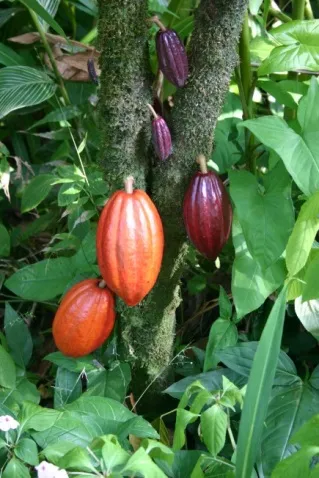
Image Resource Topsy turvy: Sustainable cocoa efforts are upside down, says WWF Discussing how a very small proportion of the world's cocoa producers is responsible for the negative impacts of the industry, Oliver Nieburg of WWF presents options for improving performance. Read
Image Resource Book: Food Waste - Home Consumption, Material Culture and Everyday Life In recent years, food waste has risen to the top of the political and public agenda, yet until now there has been no scholarly analysis applied to the topic as a complement and counter-balance to campaigning and activist approaches. Read
Image Resource Food Safety and Informal Markets - Animal Products in Sub-Saharan Africa Animal products are vital components of the diets and livelihoods of people across sub-Saharan Africa. They are frequently traded in local, unregulated markets and this can pose significant health risks. Read
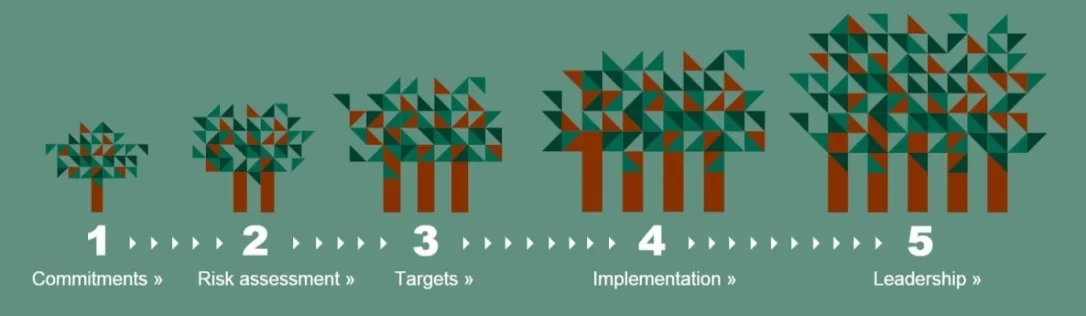
Image Resource Report by CDP “Deforestation-free supply chains: From commitments to action” The report Deforestation-free supply chains: From commitments to action, published by CDP, highlights ways in which industry can be part of tackling the deforestation crisis while still securing and maintaining access to their sources of profit. Read