Image Resources Our extensive research library contains thousands of summaries of journal articles, reports and news stories that can be searched by keyword and category RESOURCES CATEGORY Books Briefing paper Event recording Featured articles Featured report Game Journal articles News and resources Reports Think piece Video Working paper Workshop summary Year 2026 2025 2024 2023 2022 2021 2020 2019 2018 2017 2016 2015 2014 2013 2012 2011 2010 2009 2008 2007 2002 2001 Image Resource Shell exits Prince’s climate group in row over Arctic oil A row over its Arctic drilling programme has culminated in oil giant Shell leaving the Prince of Wales's Corporate Leaders Group. This is a network of European business leaders advocating for climate action including GlaxoSmithKline, Tesco and Unilever. Read Image Resource Mumbai, India bans meat four days Officials in Mumbai have imposed a four day ban on the slaughter and sale of meat. The ban was introduced after increasing pressure from the vegetarian Jain community - a financially very powerful community in the Indian state of Maharashtra. Read Image Resource Strong global outlook for poultry industry - Poultry quarterly Q3 from Rabobank Globally, despite the global Avian Flu (AI) challenge, the margin outlook for the global poultry industry is still strong according to this Rabobank Poultry Quarterly Q3 report. Read Image Resource Global Panel’s Policy Brief: Climate-smart food systems for enhanced nutrition Policy makers can make a significant difference to ensure healthy diets for people at every stage of life. The Global Panel’s policy brief Climate-smart food systems for enhanced nutrition urges decision makers to adopt a pro-nutrition lens while protecting and promoting agriculture in the face of climate change. Ahead of the Paris climate negotiations, Climate-smart food systems for enhanced nutrition explains the challenges of meeting both agricultural and nutritional needs in the face of climate change. It identifies specific opportunities for policy change that can simultaneously enhance food and nutrition security. The panel writes: Read Image Resource Cool cotton – how to reduce the climate change impact of the world’s dirtiest crop This report by the UK’s Soil Association on cotton and climate change argues that switching to organic cotton could reduce the global warming impact of cotton production by 46% compared to non-organic cotton. Cotton has been called the world’s dirtiest agricultural commodity, owing to its heavy use of insecticides and water, high GHG emissions, and land use. Read Image Resource From individual to collective action: exploring the business cases for addressing sustainable food security - new WWF-UK and Food Ethics Council report In this report WWF-UK and Food Ethics Council outline business interpretations of food security, assess the different business cases for food security and puts forward suggestions for action. The report finds that businesses want government intervention to avoid long term risk and they are in favour of bold actions to create a food system that serves citizens, the economy and planet alike. Businesses emphasise that the government needs to do more to provide a level playing field for businesses, including allowing them to collaborate more effectively. Read Image Resource Launch of the second Global nutrition report by IFPRI This second annual nutrition report by IFPRI is a comprehensive summary and scorecard on both global and country level progress on all forms of nutrition. It covers nutrition status and program coverage—as well as underlying determinants such as food security; water, sanitation, and hygiene; resource allocations; and institutional and policy changes—globally (for 193 countries). The 2015 edition highlights the critical relationship between climate change and nutrition and the pivotal role business can play. Read Image Resource World-wide overfishing will not be solved by aquaculture expansion alone – tackling economic driving forces key This paper finds that increasing global demand for fish (due to increasing incomes and worldwide population growth) and developments in fishing methods together threaten to further increase pressure on the most popular fish types. It considers improvements in two areas that may decrease this pressure; increasing the production of farmed fish (aquaculture) and improving the effectiveness of fisheries management. The authors assess how various scenarios of change would affect future wild stock status and simulate the stock development until the year 2048. Through different scenarios they outline ways that the fishery and aquaculture sectors might develop in the coming decades for four popular types of edible fish that are the most important for the world market; sea bass, salmon, cod and tuna. Read Image Resource Resolving Conflicts between Agriculture and the Natural Environment –financial incentives and land sparing versus land sharing New research from Cambridge University finds that providing farmers and farmer industries with financial incentives to mitigate agriculture’s impact on the environment positively effects greenhouse gas reduction and increased biodiversity at the aggregate level. The study analysed investment in two key types of agri-environment schemes: measures to spare land for conservation, and measures (such as taxation) intended to limit fertiliser use. The research team plotted this against national trends for farmland bird populations and emissions from synthetic fertiliser across the US, Canada, Australia and Europe. Read VIEW MORE
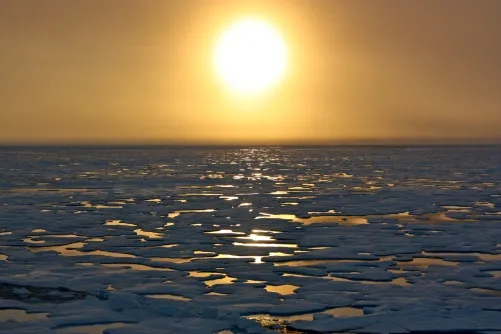
Image Resource Shell exits Prince’s climate group in row over Arctic oil A row over its Arctic drilling programme has culminated in oil giant Shell leaving the Prince of Wales's Corporate Leaders Group. This is a network of European business leaders advocating for climate action including GlaxoSmithKline, Tesco and Unilever. Read
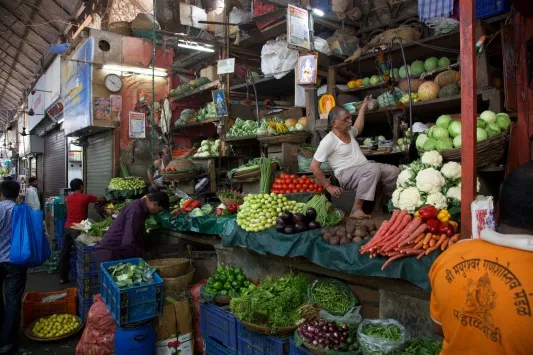
Image Resource Mumbai, India bans meat four days Officials in Mumbai have imposed a four day ban on the slaughter and sale of meat. The ban was introduced after increasing pressure from the vegetarian Jain community - a financially very powerful community in the Indian state of Maharashtra. Read
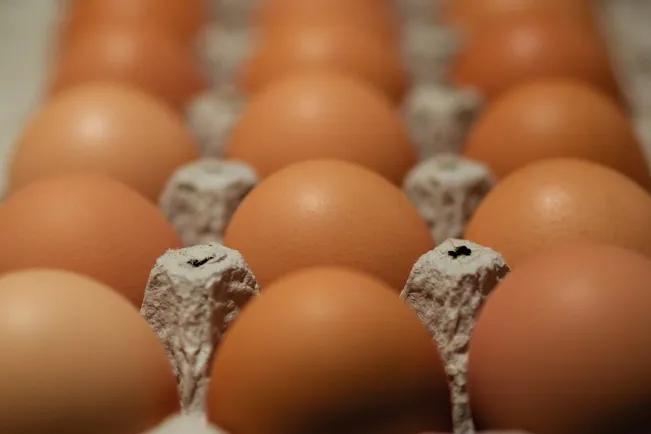
Image Resource Strong global outlook for poultry industry - Poultry quarterly Q3 from Rabobank Globally, despite the global Avian Flu (AI) challenge, the margin outlook for the global poultry industry is still strong according to this Rabobank Poultry Quarterly Q3 report. Read
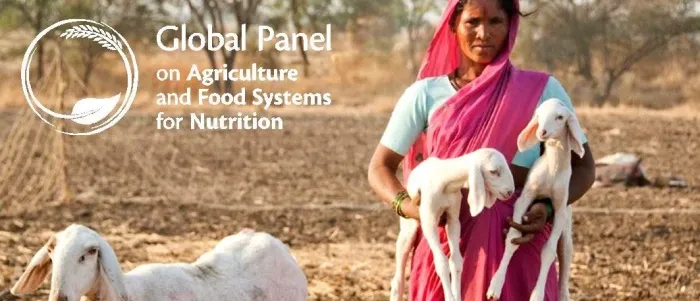
Image Resource Global Panel’s Policy Brief: Climate-smart food systems for enhanced nutrition Policy makers can make a significant difference to ensure healthy diets for people at every stage of life. The Global Panel’s policy brief Climate-smart food systems for enhanced nutrition urges decision makers to adopt a pro-nutrition lens while protecting and promoting agriculture in the face of climate change. Ahead of the Paris climate negotiations, Climate-smart food systems for enhanced nutrition explains the challenges of meeting both agricultural and nutritional needs in the face of climate change. It identifies specific opportunities for policy change that can simultaneously enhance food and nutrition security. The panel writes: Read
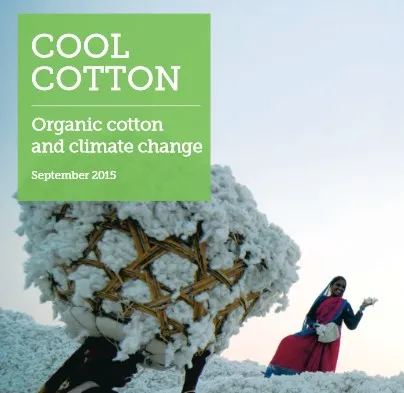
Image Resource Cool cotton – how to reduce the climate change impact of the world’s dirtiest crop This report by the UK’s Soil Association on cotton and climate change argues that switching to organic cotton could reduce the global warming impact of cotton production by 46% compared to non-organic cotton. Cotton has been called the world’s dirtiest agricultural commodity, owing to its heavy use of insecticides and water, high GHG emissions, and land use. Read
Image Resource From individual to collective action: exploring the business cases for addressing sustainable food security - new WWF-UK and Food Ethics Council report In this report WWF-UK and Food Ethics Council outline business interpretations of food security, assess the different business cases for food security and puts forward suggestions for action. The report finds that businesses want government intervention to avoid long term risk and they are in favour of bold actions to create a food system that serves citizens, the economy and planet alike. Businesses emphasise that the government needs to do more to provide a level playing field for businesses, including allowing them to collaborate more effectively. Read
Image Resource Launch of the second Global nutrition report by IFPRI This second annual nutrition report by IFPRI is a comprehensive summary and scorecard on both global and country level progress on all forms of nutrition. It covers nutrition status and program coverage—as well as underlying determinants such as food security; water, sanitation, and hygiene; resource allocations; and institutional and policy changes—globally (for 193 countries). The 2015 edition highlights the critical relationship between climate change and nutrition and the pivotal role business can play. Read
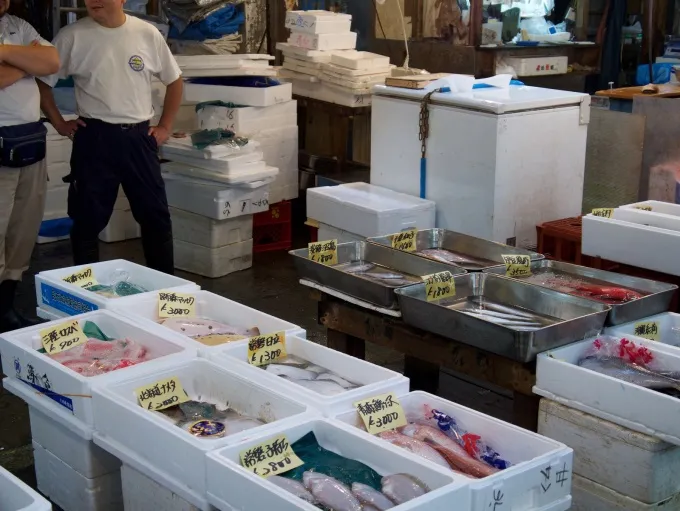
Image Resource World-wide overfishing will not be solved by aquaculture expansion alone – tackling economic driving forces key This paper finds that increasing global demand for fish (due to increasing incomes and worldwide population growth) and developments in fishing methods together threaten to further increase pressure on the most popular fish types. It considers improvements in two areas that may decrease this pressure; increasing the production of farmed fish (aquaculture) and improving the effectiveness of fisheries management. The authors assess how various scenarios of change would affect future wild stock status and simulate the stock development until the year 2048. Through different scenarios they outline ways that the fishery and aquaculture sectors might develop in the coming decades for four popular types of edible fish that are the most important for the world market; sea bass, salmon, cod and tuna. Read
Image Resource Resolving Conflicts between Agriculture and the Natural Environment –financial incentives and land sparing versus land sharing New research from Cambridge University finds that providing farmers and farmer industries with financial incentives to mitigate agriculture’s impact on the environment positively effects greenhouse gas reduction and increased biodiversity at the aggregate level. The study analysed investment in two key types of agri-environment schemes: measures to spare land for conservation, and measures (such as taxation) intended to limit fertiliser use. The research team plotted this against national trends for farmland bird populations and emissions from synthetic fertiliser across the US, Canada, Australia and Europe. Read