Image Resources Our extensive research library contains thousands of summaries of journal articles, reports and news stories that can be searched by keyword and category RESOURCES CATEGORY Books Briefing paper Event recording Featured articles Featured report Game Journal articles News and resources Reports Think piece Video Working paper Workshop summary Year 2026 2025 2024 2023 2022 2021 2020 2019 2018 2017 2016 2015 2014 2013 2012 2011 2010 2009 2008 2007 2002 2001 Image Resource Include nutrition content in agricultural yield assessments say scientists As agricultural production of high-yielding cereals has increased over the past half-century, production of more nutrient-rich cereals has declined. Access to food of high nutritional quality is profoundly important, especially for the 2 to 3 billion people who are undernourished, overweight, or obese or deficient in micronutrients. Read Image Resource Carbon, farming and biodiversity among afforestation programs in Europe These two studies discuss afforestation projects in relation to 1) land availability and sheep farming in Scotland, and 2) the biodiversity losses that may be associated with such projects. Read Image Resource New evidence for the role of neonicotinoid pesticide use in long-term population changes in wild bees in England A new study published in the journal Nature Communications provides additional evidence that a specific group of controversial pesticides, neonicotinoids, affects wild bees negatively. The work was funded by the UK government and related data of wild bee distributions over time to the introduction of the pesticides in British fields. It is the first to link the pesticides to the decline of many bee species in real-world conditions. Read Image Resource Largest meta-analysis on BMI and mortality shows clear relationship between weight and risk of death The Global BMI Mortality Collaboration presents results in the Lancet from the largest pooled dataset on the relationship between weight and mortality rates. The analysis shows that both overweight and obesity in otherwise healthy participants were associated with increased mortality from all causes. Read Image Resource Which diet makes the best use of US agricultural land? Future demand for food and for land is set to grow. A key question is therefore: how can we most productively use land for food, in order balance the multiple competing demands for the ecosystem services it provides? One way this has been investigated previously is by looking at crop yields and how to increase them. Another way, focussing instead on the consumption side, has looked at the metric of dietary land footprint. Read Image Resource China’s new dietary guidelines encouraging citizens to eat less meat In their latest dietary guidelines, the Chinese government recommends a slightly lower meat intake than it did in its previous 2007 guidance. Read Image Resource WRI launches Better Buying Lab The World Resources Institute (WRI) has formed a partnership with major companies including Google, Sainsbury’s, Hilton Worldwide and other leaders in the food industry aimed at finding ways to encourage consumers to buy more plant-based foods. Read Image Resource Highlights from OneHealth project The OneHealth project, launched in 2015, explores the relationship between infectious diseases, biodiversity and ecosystems, the economics of disease and disease drivers, and the impacts of climate change and demography on health. Read Image Resource BBC Radio 4 ‘The Global Philosopher’ Video: Should the Rich World Pay for Climate Change? In a digital studio at Harvard sixty people from 30 countries join Michael Sandel in this Radio 4 show, to discuss the philosophical issues underlying the world's response to climate change. Read VIEW MORE
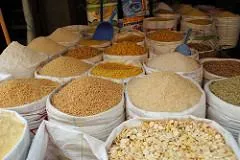
Image Resource Include nutrition content in agricultural yield assessments say scientists As agricultural production of high-yielding cereals has increased over the past half-century, production of more nutrient-rich cereals has declined. Access to food of high nutritional quality is profoundly important, especially for the 2 to 3 billion people who are undernourished, overweight, or obese or deficient in micronutrients. Read
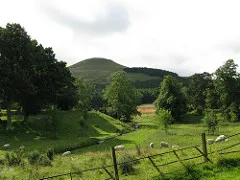
Image Resource Carbon, farming and biodiversity among afforestation programs in Europe These two studies discuss afforestation projects in relation to 1) land availability and sheep farming in Scotland, and 2) the biodiversity losses that may be associated with such projects. Read
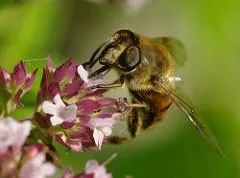
Image Resource New evidence for the role of neonicotinoid pesticide use in long-term population changes in wild bees in England A new study published in the journal Nature Communications provides additional evidence that a specific group of controversial pesticides, neonicotinoids, affects wild bees negatively. The work was funded by the UK government and related data of wild bee distributions over time to the introduction of the pesticides in British fields. It is the first to link the pesticides to the decline of many bee species in real-world conditions. Read
Image Resource Largest meta-analysis on BMI and mortality shows clear relationship between weight and risk of death The Global BMI Mortality Collaboration presents results in the Lancet from the largest pooled dataset on the relationship between weight and mortality rates. The analysis shows that both overweight and obesity in otherwise healthy participants were associated with increased mortality from all causes. Read
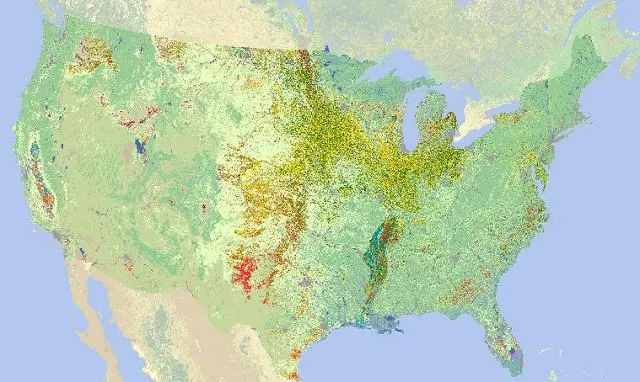
Image Resource Which diet makes the best use of US agricultural land? Future demand for food and for land is set to grow. A key question is therefore: how can we most productively use land for food, in order balance the multiple competing demands for the ecosystem services it provides? One way this has been investigated previously is by looking at crop yields and how to increase them. Another way, focussing instead on the consumption side, has looked at the metric of dietary land footprint. Read
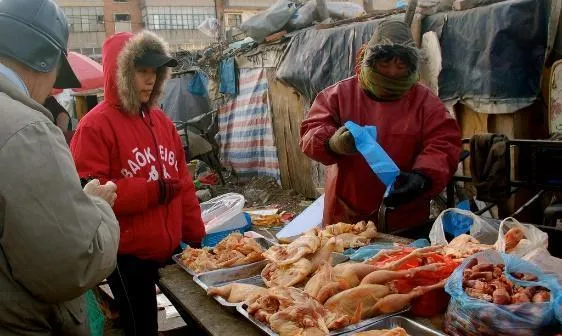
Image Resource China’s new dietary guidelines encouraging citizens to eat less meat In their latest dietary guidelines, the Chinese government recommends a slightly lower meat intake than it did in its previous 2007 guidance. Read
Image Resource WRI launches Better Buying Lab The World Resources Institute (WRI) has formed a partnership with major companies including Google, Sainsbury’s, Hilton Worldwide and other leaders in the food industry aimed at finding ways to encourage consumers to buy more plant-based foods. Read
Image Resource Highlights from OneHealth project The OneHealth project, launched in 2015, explores the relationship between infectious diseases, biodiversity and ecosystems, the economics of disease and disease drivers, and the impacts of climate change and demography on health. Read
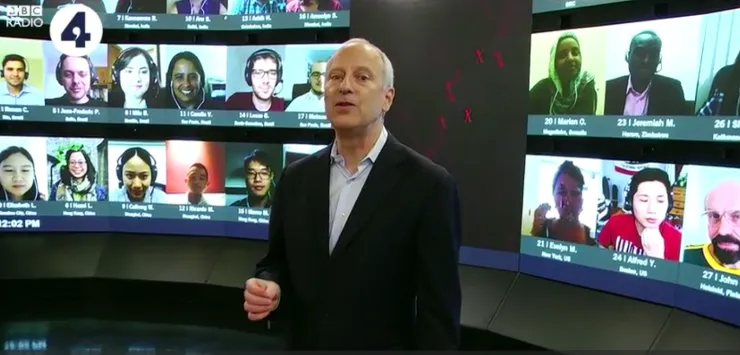
Image Resource BBC Radio 4 ‘The Global Philosopher’ Video: Should the Rich World Pay for Climate Change? In a digital studio at Harvard sixty people from 30 countries join Michael Sandel in this Radio 4 show, to discuss the philosophical issues underlying the world's response to climate change. Read