Image Resources Our extensive research library contains thousands of summaries of journal articles, reports and news stories that can be searched by keyword and category RESOURCES CATEGORY Books Briefing paper Event recording Featured articles Featured report Game Journal articles News and resources Reports Think piece Video Working paper Workshop summary Year 2026 2025 2024 2023 2022 2021 2020 2019 2018 2017 2016 2015 2014 2013 2012 2011 2010 2009 2008 2007 2002 2001 Image Resource The feed behind our food The Protein Challenge 2040's new report, 'The feed behind our food', sets out why retailers and food service businesses should act on sustainability in animal feed. Read Image Resource A model for ‘sustainable’ US beef production This study by researchers in the US used a theoretical approach to work out how much beef could be produced in the US if the cows were raised solely on pasturelands and by-products, and what the environmental and nutritional ramifications of repurposing the freed up cropland would be. Read Image Resource Eco-modernisation, epistemic lock-in, and the barriers to greening aviation and ruminant farming In this paper, the researchers examine the British civil aviation and ruminant farming sectors to understand the barriers to reducing greenhouse gas (GHG) emissions through technological innovation. Read Image Resource The humble ascent of oat milk In more non-dairy milk news, oat milk maker Oatly are marketing their product to coffee shops across the United States. Read Image Resource Cows vs. nuts: who gets to be called milk, and are they climate friendly? The rising popularity of non-dairy milks has prompted calls from the dairy industry for the name “milk” to be restricted to the dairy version. Read Image Resource Meat company Tyson invests in lab-grown meat company Memphis Meats Tyson Foods, which sells billions of dollars of meat each year, has invested in the cultured meat startup Memphis Meats. Read Image Resource Cultured fish company Finless Foods aims to achieve price parity with bluefin tuna by the end of 2019 Finless Foods hopes to make laboratory-cultured bluefin tuna the same price as the conventional product by the end of next year (bluefin tuna, threatened by overfishing, can sell for around $380/lb). Read Image Resource Throwing a more sustainable shrimp on the barbie This blog by researchers Cedric Simon and Ha Truong from CSIRO Agriculture & Food discusses a method they have developed to reduce the amount of wild fish needed for prawn feed. Read Image Resource What’s on the table? Mitigating agricultural emissions while achieving food security A Climate Action Tracker report outlines and quantifies the main opportunities to reduce food-related non-CO2 greenhouse gas emissions, particularly CH4 and N2O. Read VIEW MORE
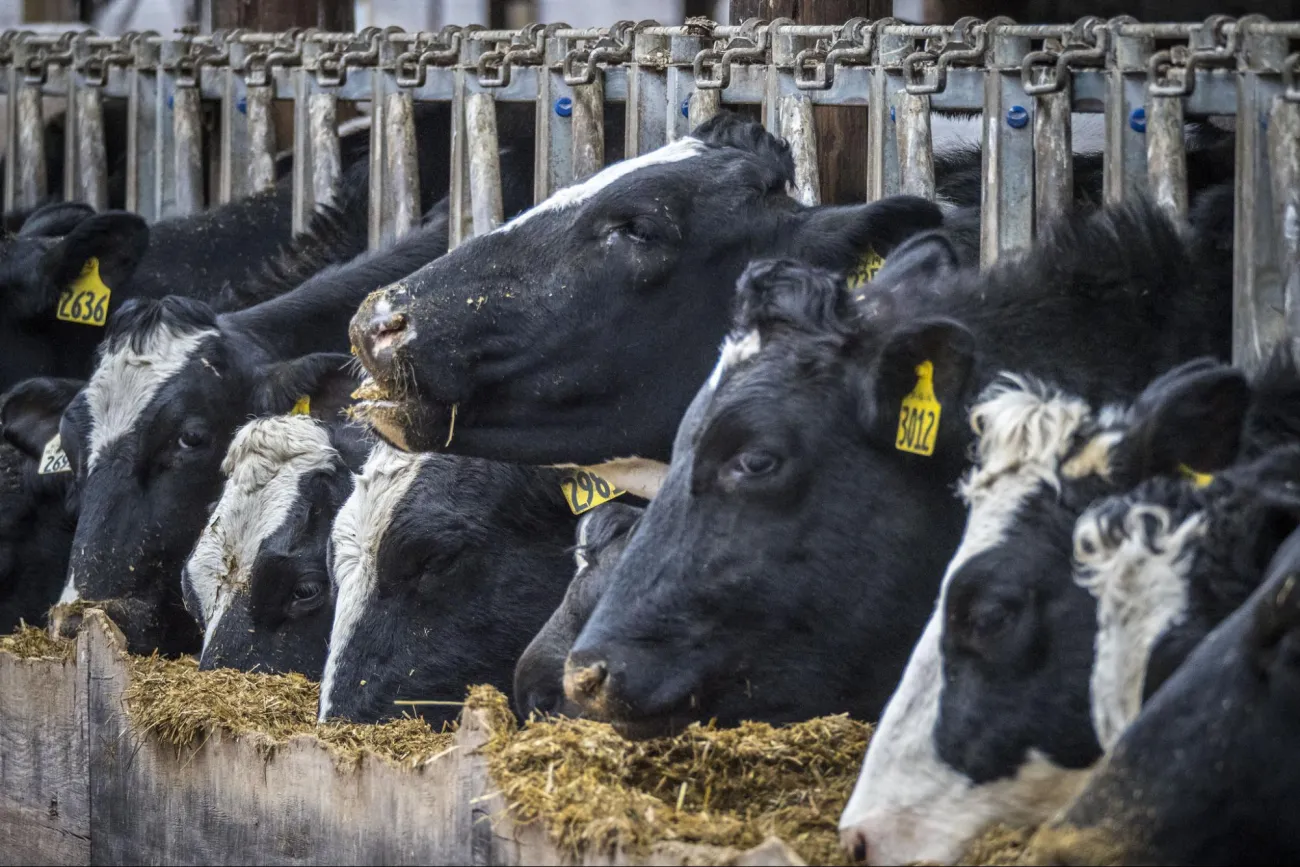
Image Resource The feed behind our food The Protein Challenge 2040's new report, 'The feed behind our food', sets out why retailers and food service businesses should act on sustainability in animal feed. Read
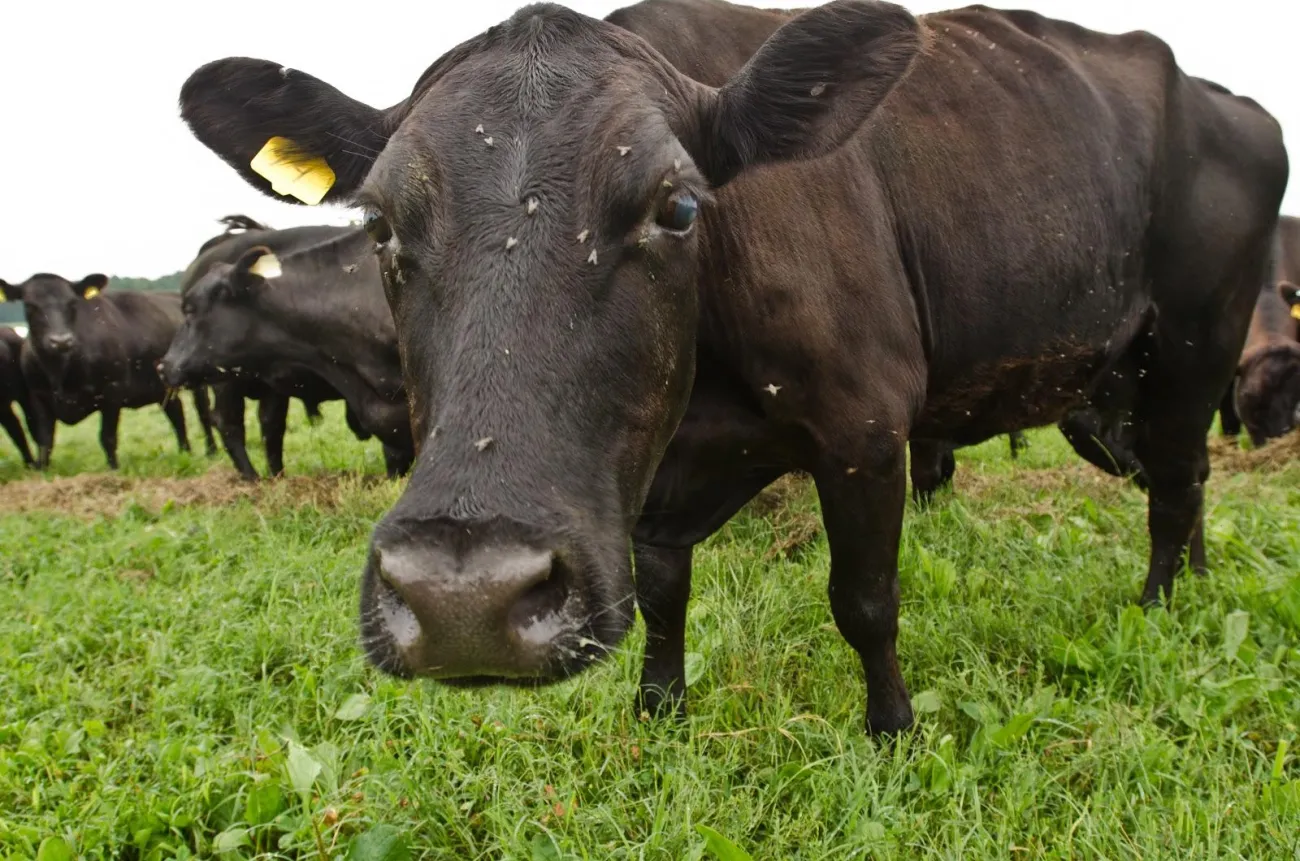
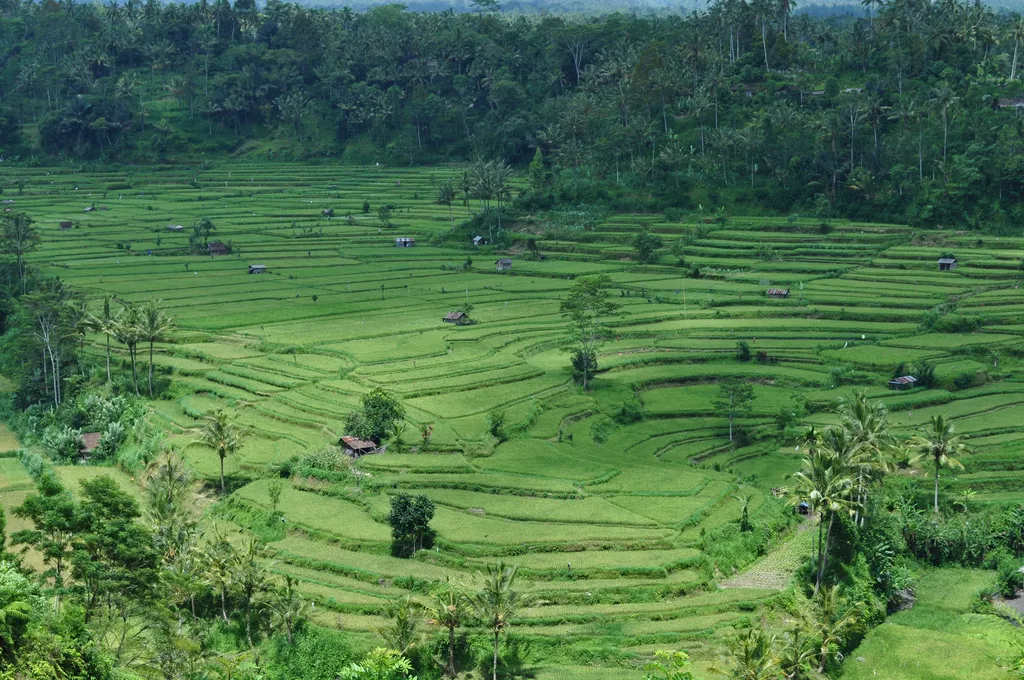
Image Resource A model for ‘sustainable’ US beef production This study by researchers in the US used a theoretical approach to work out how much beef could be produced in the US if the cows were raised solely on pasturelands and by-products, and what the environmental and nutritional ramifications of repurposing the freed up cropland would be. Read
Image Resource Eco-modernisation, epistemic lock-in, and the barriers to greening aviation and ruminant farming In this paper, the researchers examine the British civil aviation and ruminant farming sectors to understand the barriers to reducing greenhouse gas (GHG) emissions through technological innovation. Read
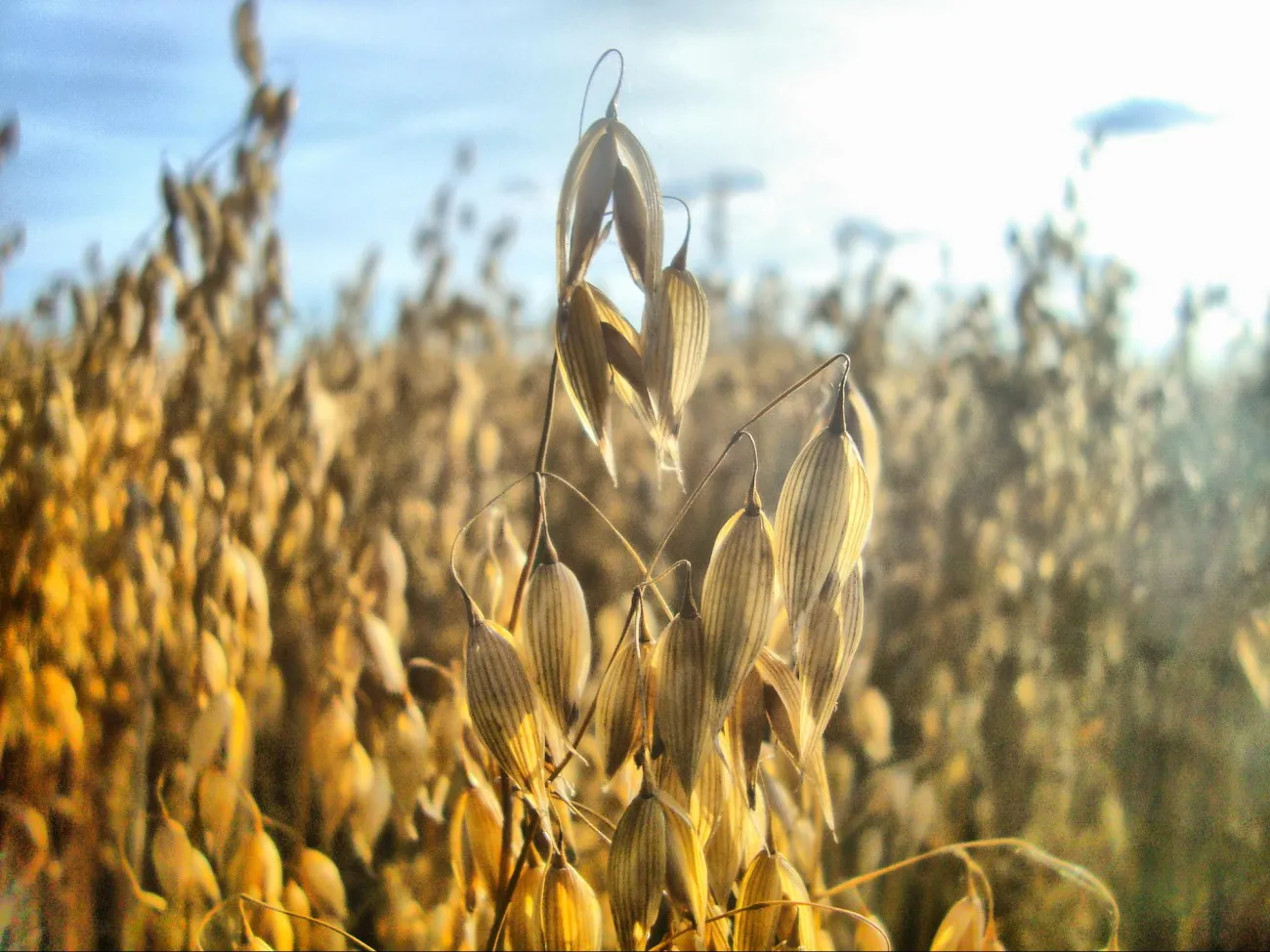
Image Resource The humble ascent of oat milk In more non-dairy milk news, oat milk maker Oatly are marketing their product to coffee shops across the United States. Read
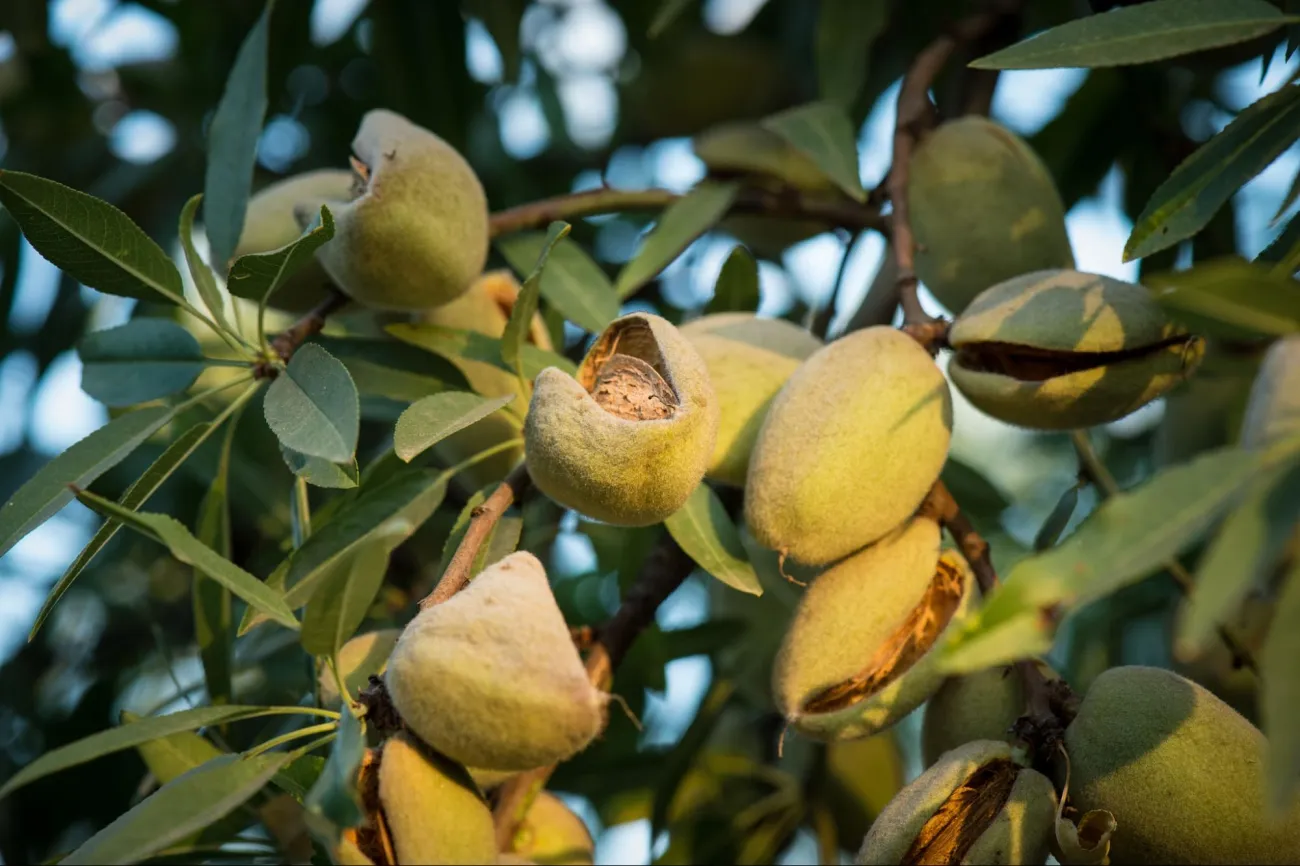
Image Resource Cows vs. nuts: who gets to be called milk, and are they climate friendly? The rising popularity of non-dairy milks has prompted calls from the dairy industry for the name “milk” to be restricted to the dairy version. Read
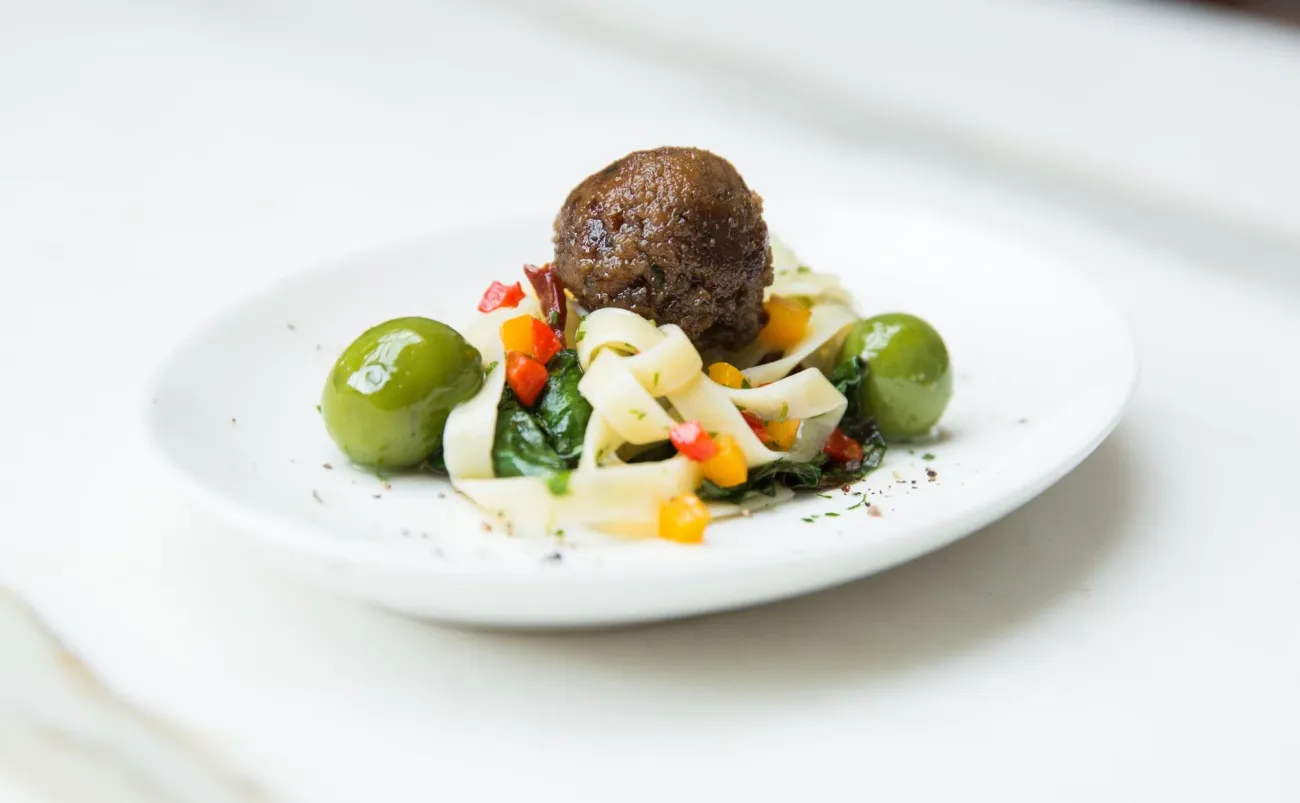
Image Resource Meat company Tyson invests in lab-grown meat company Memphis Meats Tyson Foods, which sells billions of dollars of meat each year, has invested in the cultured meat startup Memphis Meats. Read
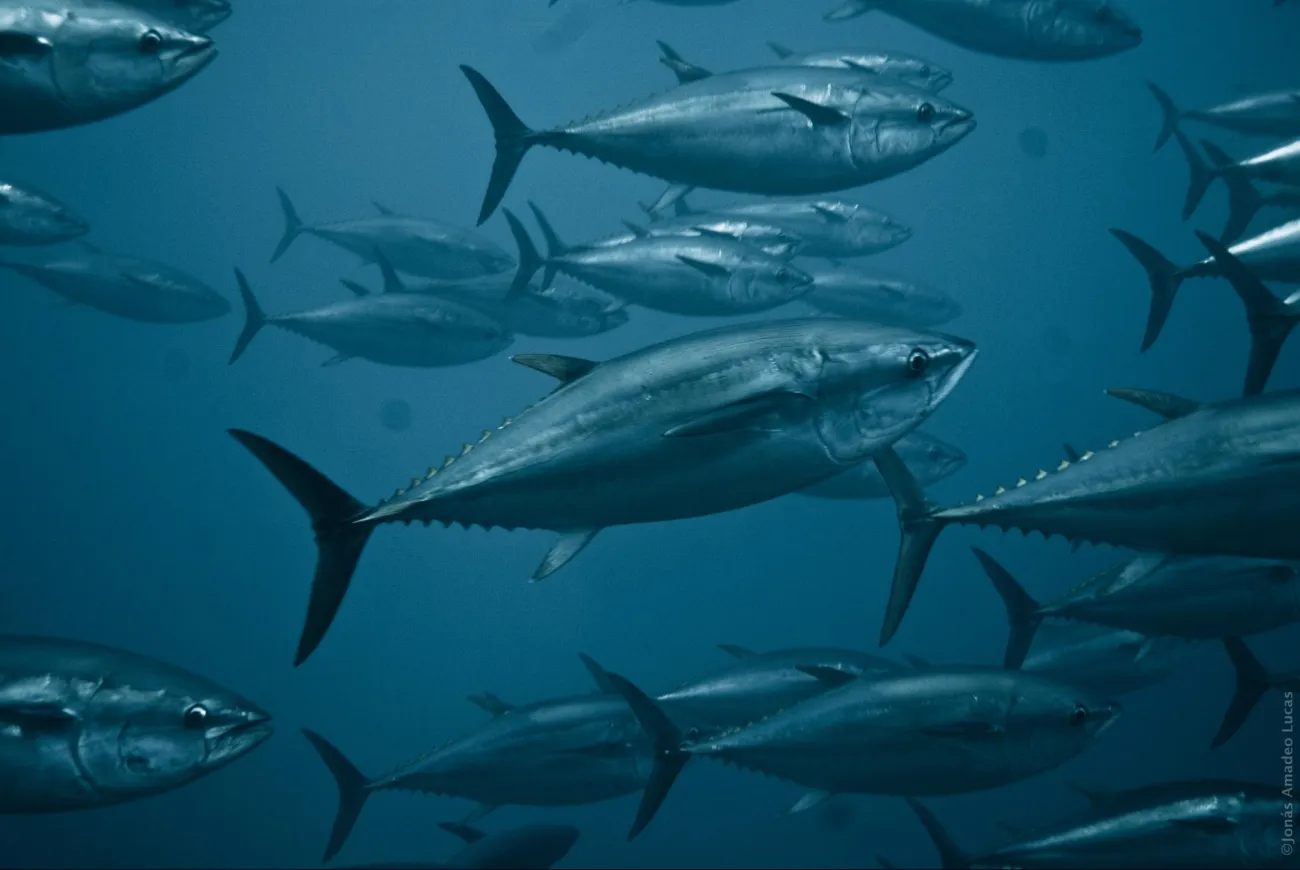
Image Resource Cultured fish company Finless Foods aims to achieve price parity with bluefin tuna by the end of 2019 Finless Foods hopes to make laboratory-cultured bluefin tuna the same price as the conventional product by the end of next year (bluefin tuna, threatened by overfishing, can sell for around $380/lb). Read
Image Resource Throwing a more sustainable shrimp on the barbie This blog by researchers Cedric Simon and Ha Truong from CSIRO Agriculture & Food discusses a method they have developed to reduce the amount of wild fish needed for prawn feed. Read
Image Resource What’s on the table? Mitigating agricultural emissions while achieving food security A Climate Action Tracker report outlines and quantifies the main opportunities to reduce food-related non-CO2 greenhouse gas emissions, particularly CH4 and N2O. Read