Image Resources Our extensive research library contains thousands of summaries of journal articles, reports and news stories that can be searched by keyword and category RESOURCES CATEGORY Books Briefing paper Event recording Featured articles Featured report Game Journal articles News and resources Reports Think piece Video Working paper Workshop summary Year 2026 2025 2024 2023 2022 2021 2020 2019 2018 2017 2016 2015 2014 2013 2012 2011 2010 2009 2008 2007 2002 2001 Image Resource Why eating insects won't end world hunger Insects may not be the environmentally-friendly alternative protein source that the FAO and many entrepreneurs hope, according to Oxford University doctoral candidate Joshua Evans. Read Image Resource Indoor ag isn’t here to replace traditional farms — it’s about more than that Indoor and vertical farming might not replace traditional farms, but they bring their own unique benefits. Read Image Resource Aldi pledges to halve food waste by 2030 Food retailer Aldi has joined the Champions 12.3 coalition, a multi-stakeholder group aiming to achieve the Sustainable Development Goal of ‘halving per capita global food waste at the retail and consumer levels’ by 2030. Read Image Resource Why blockchain won’t fix food safety—yet The blockchain could be used to make it easier to trace the source of food items and tackle food safety scares quickly, but the system still depends on the honesty of those making the data entries. Read Image Resource It’s a jungle out there – the strange animals of economic organisation in agri-food value chains This book, edited by Gaetano Martino, Konstantinos Karantininis, Stefano Pascucci, Liesbeth Dries and Jean Marie Codron, discusses different types of organisations within the European agri-food sector. Read Image Resource Food and Cooking Skills Education: Why teach people how to cook? This book, by Anita Tull, explores some of the challenges that food and cooking skills education faces. Read Image Resource Information sheet: China’s agricultural transition in 2017 - policies, actions and progress The China-UK Sustainable Agriculture Innovation Network (SAIN) has released an information sheet on the state of China’s agricultural sector in 2017. Read Image Resource The circularity gap report A report by the social enterprise Circle Economy finds that today’s economy is only 9.1% circular, based on their newly launched Global Circularity Metric. To move away from the current linear economic model, the report recommends extracting fewer resources, wasting less, optimising the resources we already have and cycling more resources back into the economy. Read Image Resource Negative emission technologies - What role in meeting Paris Agreement targets? A report by the European Academies’ Science Advisory Council finds that negative emissions technologies (NETs) have ‘limited realistic potential’ and cannot be relied upon to remove carbon at the rate envisaged in the Intergovernmental Panel on Climate Change (IPCC) scenarios for avoiding dangerous climate change. Read VIEW MORE
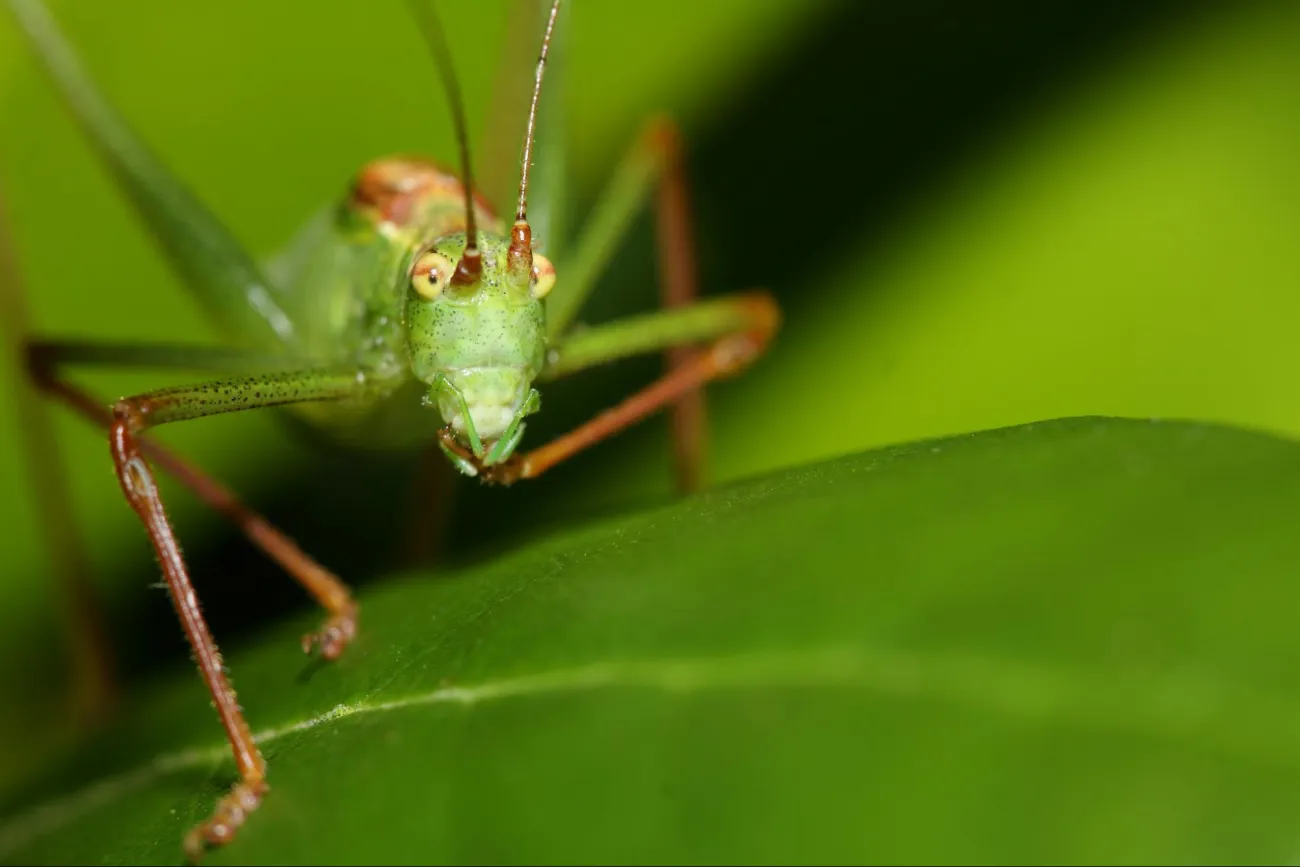
Image Resource Why eating insects won't end world hunger Insects may not be the environmentally-friendly alternative protein source that the FAO and many entrepreneurs hope, according to Oxford University doctoral candidate Joshua Evans. Read
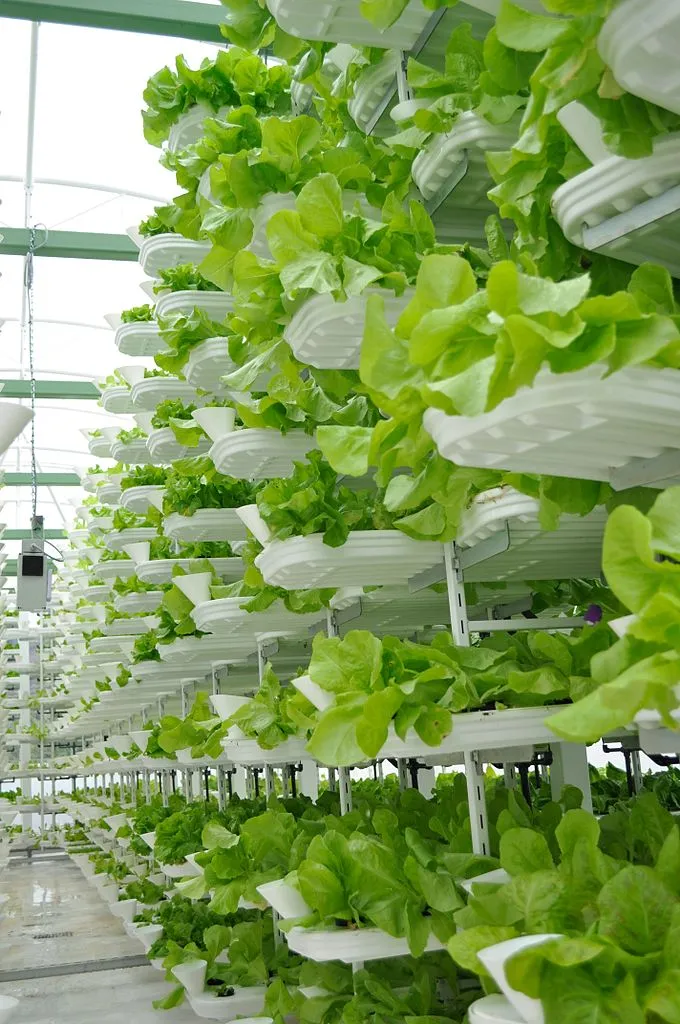
Image Resource Indoor ag isn’t here to replace traditional farms — it’s about more than that Indoor and vertical farming might not replace traditional farms, but they bring their own unique benefits. Read
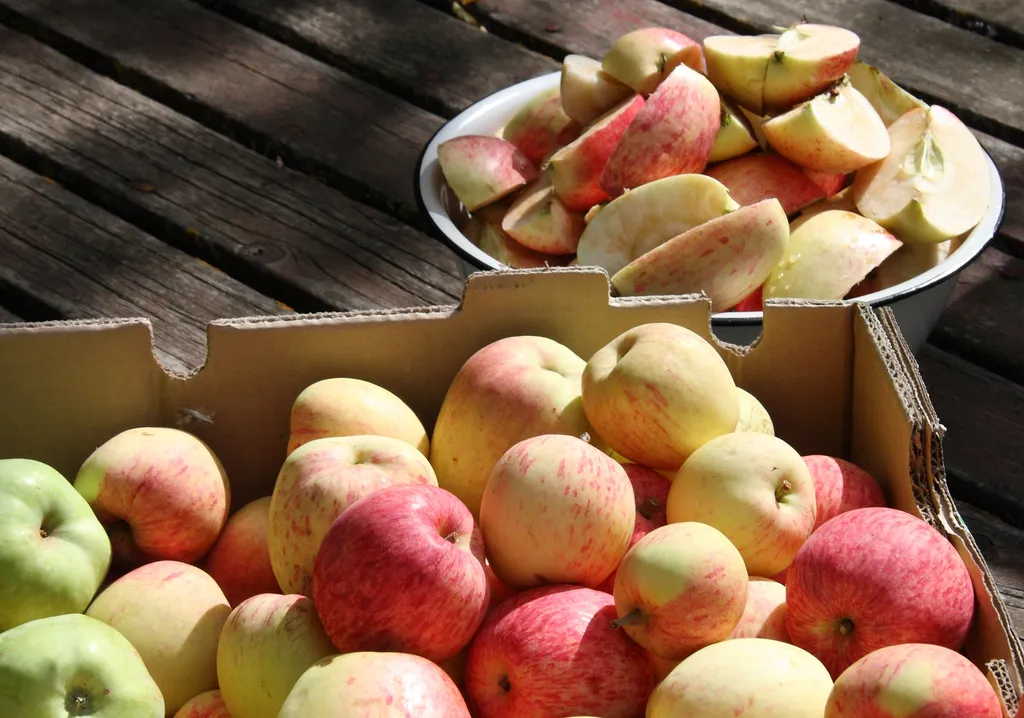
Image Resource Aldi pledges to halve food waste by 2030 Food retailer Aldi has joined the Champions 12.3 coalition, a multi-stakeholder group aiming to achieve the Sustainable Development Goal of ‘halving per capita global food waste at the retail and consumer levels’ by 2030. Read
Image Resource Why blockchain won’t fix food safety—yet The blockchain could be used to make it easier to trace the source of food items and tackle food safety scares quickly, but the system still depends on the honesty of those making the data entries. Read
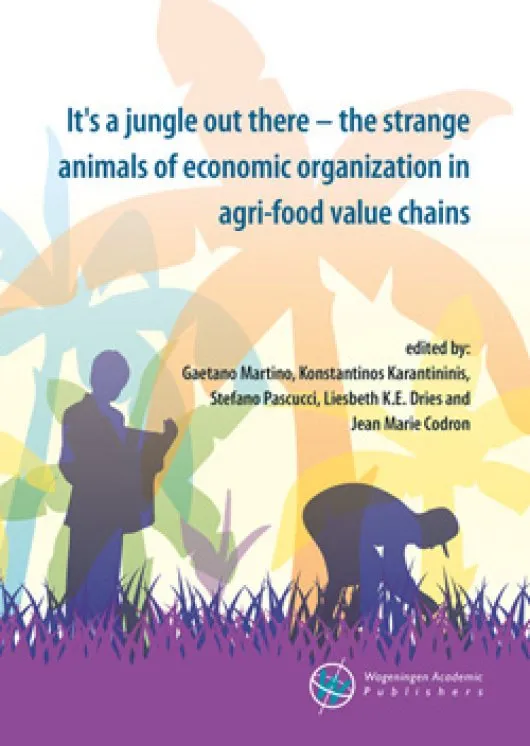
Image Resource It’s a jungle out there – the strange animals of economic organisation in agri-food value chains This book, edited by Gaetano Martino, Konstantinos Karantininis, Stefano Pascucci, Liesbeth Dries and Jean Marie Codron, discusses different types of organisations within the European agri-food sector. Read
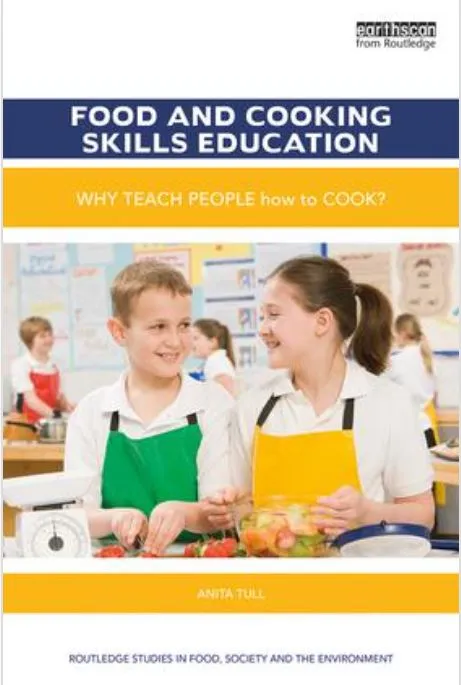
Image Resource Food and Cooking Skills Education: Why teach people how to cook? This book, by Anita Tull, explores some of the challenges that food and cooking skills education faces. Read
Image Resource Information sheet: China’s agricultural transition in 2017 - policies, actions and progress The China-UK Sustainable Agriculture Innovation Network (SAIN) has released an information sheet on the state of China’s agricultural sector in 2017. Read
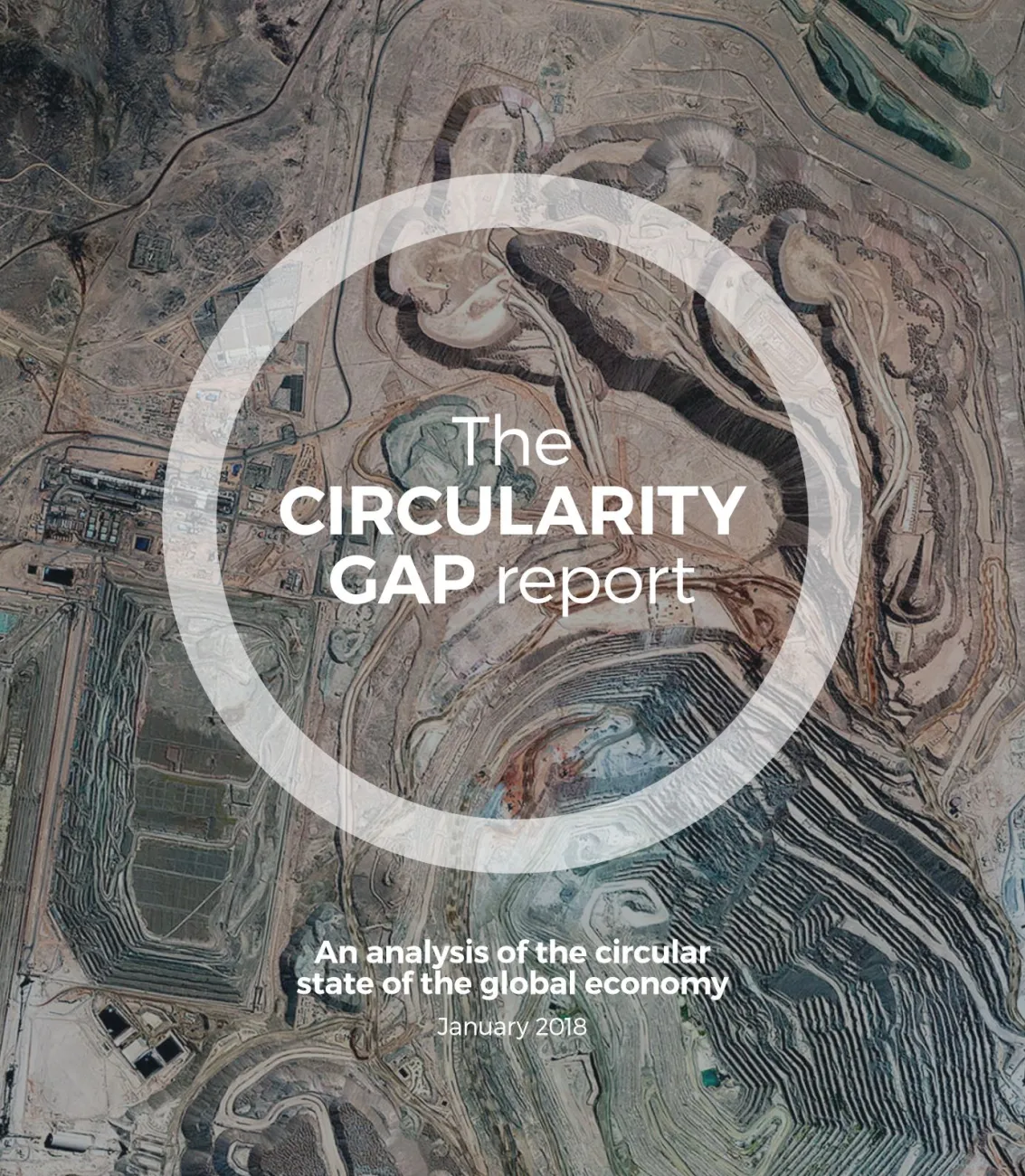
Image Resource The circularity gap report A report by the social enterprise Circle Economy finds that today’s economy is only 9.1% circular, based on their newly launched Global Circularity Metric. To move away from the current linear economic model, the report recommends extracting fewer resources, wasting less, optimising the resources we already have and cycling more resources back into the economy. Read
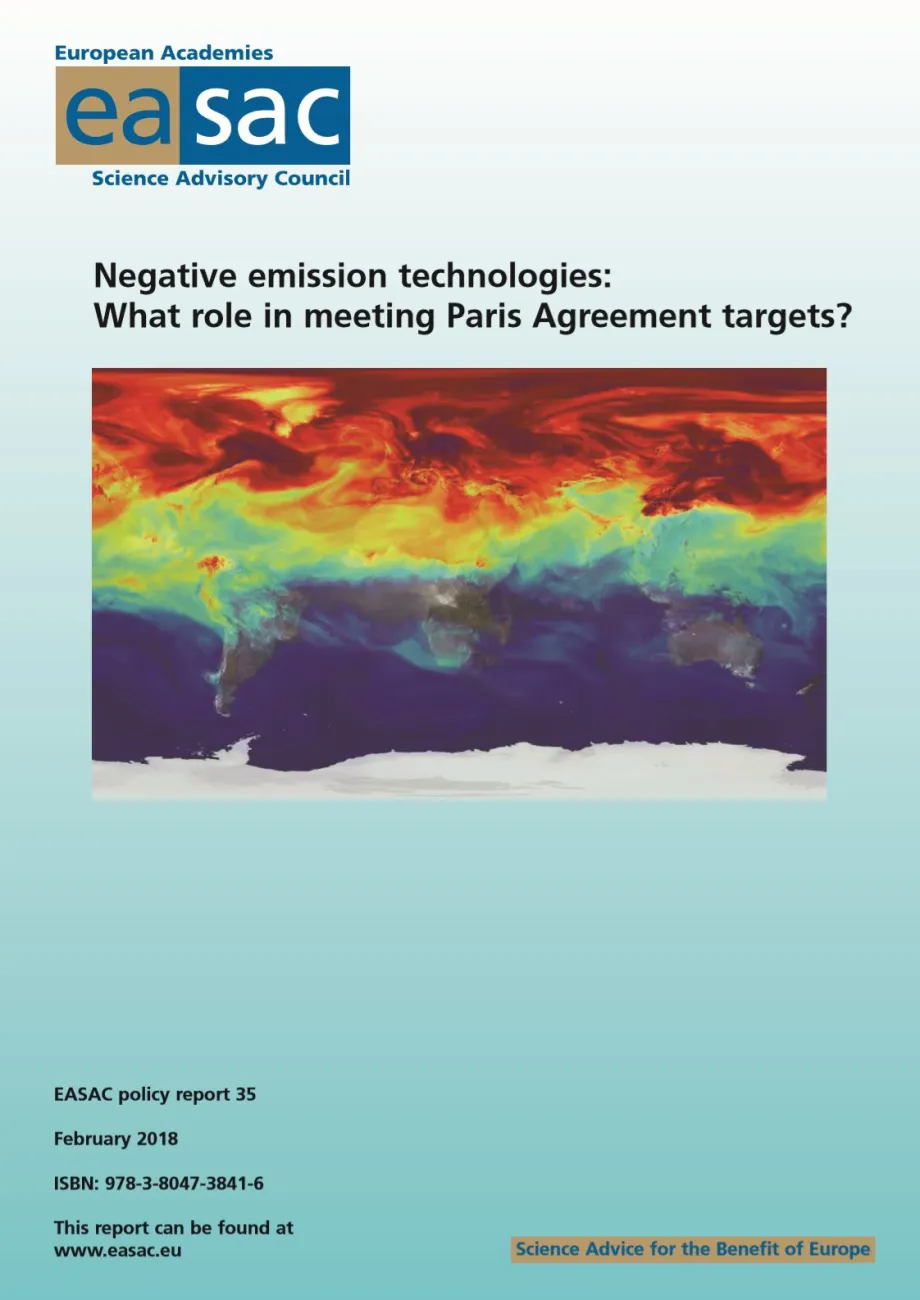
Image Resource Negative emission technologies - What role in meeting Paris Agreement targets? A report by the European Academies’ Science Advisory Council finds that negative emissions technologies (NETs) have ‘limited realistic potential’ and cannot be relied upon to remove carbon at the rate envisaged in the Intergovernmental Panel on Climate Change (IPCC) scenarios for avoiding dangerous climate change. Read