Image Resources Our extensive research library contains thousands of summaries of journal articles, reports and news stories that can be searched by keyword and category RESOURCES CATEGORY Books Briefing paper Event recording Featured articles Featured report Game Journal articles News and resources Reports Think piece Video Working paper Workshop summary Year 2026 2025 2024 2023 2022 2021 2020 2019 2018 2017 2016 2015 2014 2013 2012 2011 2010 2009 2008 2007 2002 2001 Image Reports Hotels can save money by reducing food waste The UK waste charity WRAP has recently reported that hotels could save $7 for every $1 invested in reducing food waste. The report studied 42 hotels in 15 countries and identified winning strategies that included: “measure the food waste, engage staff, rethink the buffet, reduce food overproduction, and repurpose excess food”. 70% of hotels managed to recoup their investments within one year, and 95% within two years. Read Image Reports Food in a warming world A report from the WWF examines the environmental impacts, including carbon footprint, associated with four classic British dishes, and identifies twenty risks that climate change poses to the production of these dishes. Read Image Reports Principles for eating meat and dairy more sustainably Eating Better has published a new report setting out their suggested approach to eating “less and better” meat and dairy. They set out eight principles, including: eat less meat and dairy; reduce waste; choose smaller scale, higher standard producers; and avoid livestock fed on imported feedstuffs such as soy. The report also includes a guide to assurance and labelling schemes to help people choose better meat and dairy. Read Image Reports European meat industry linked to deforestation and fires A new report, The Avoidable Crisis, finds that large-scale deforestation, fires and human rights abuses are linked to soy plantations and the global meat industry. Read Image Journal articles Biodegradable packaging and food waste: the trade-offs This paper examines some of the environmental trade-offs associated with using multilayered biodegradable packaging made of thermoplastic starch and polyhydroxyalkanoate. Read Image Journal articles Increasing food production on existing cropland This article looks at our ability to increase cropping intensity in order to meet future food needs and avoid expanding cropped land area. The research produces spatially explicit information on the cropping intensity gap, i.e. the difference between actual and potential cropping intensity and finds that increasing cropping intensity could compensate for land lost to urbanisation. Read Image Journal articles Half of Bornean orangutans disappeared in 16 years A study shows that 100,000 orangutans in Borneo have been lost between 1999 and 2015 - around half of the population. The results show that this precipitous decrease is not just due to deforestation, since numbers of orangutans also declined in selectively logged and intact forests. Read Image Journal articles Consumer views of plant-based and cultured burgers This paper used a survey to explore consumer views of burgers made from beef, plant-based or cultured meat. The survey participants were asked to choose, hypothetically, between the varieties of burger and were told that all burgers tasted the same (the participants did not actually get to try any burgers during the experiment). The results predict that, if prices were equal, 65% of consumers would buy the beef burger, 21% the plant-based burger, 11% the cultured meat burger and 4% would not buy any. Read Image Journal articles Attitudes to meat reduction in the USA This paper is the first to provide US data about what people eat when they reduce their meat consumption without becoming vegetarian or vegan. The objective of the research was to understand what is eaten in meatless meals and Americans’ attitudes to and perceptions of meat reduction. Read VIEW MORE
Image Reports Hotels can save money by reducing food waste The UK waste charity WRAP has recently reported that hotels could save $7 for every $1 invested in reducing food waste. The report studied 42 hotels in 15 countries and identified winning strategies that included: “measure the food waste, engage staff, rethink the buffet, reduce food overproduction, and repurpose excess food”. 70% of hotels managed to recoup their investments within one year, and 95% within two years. Read
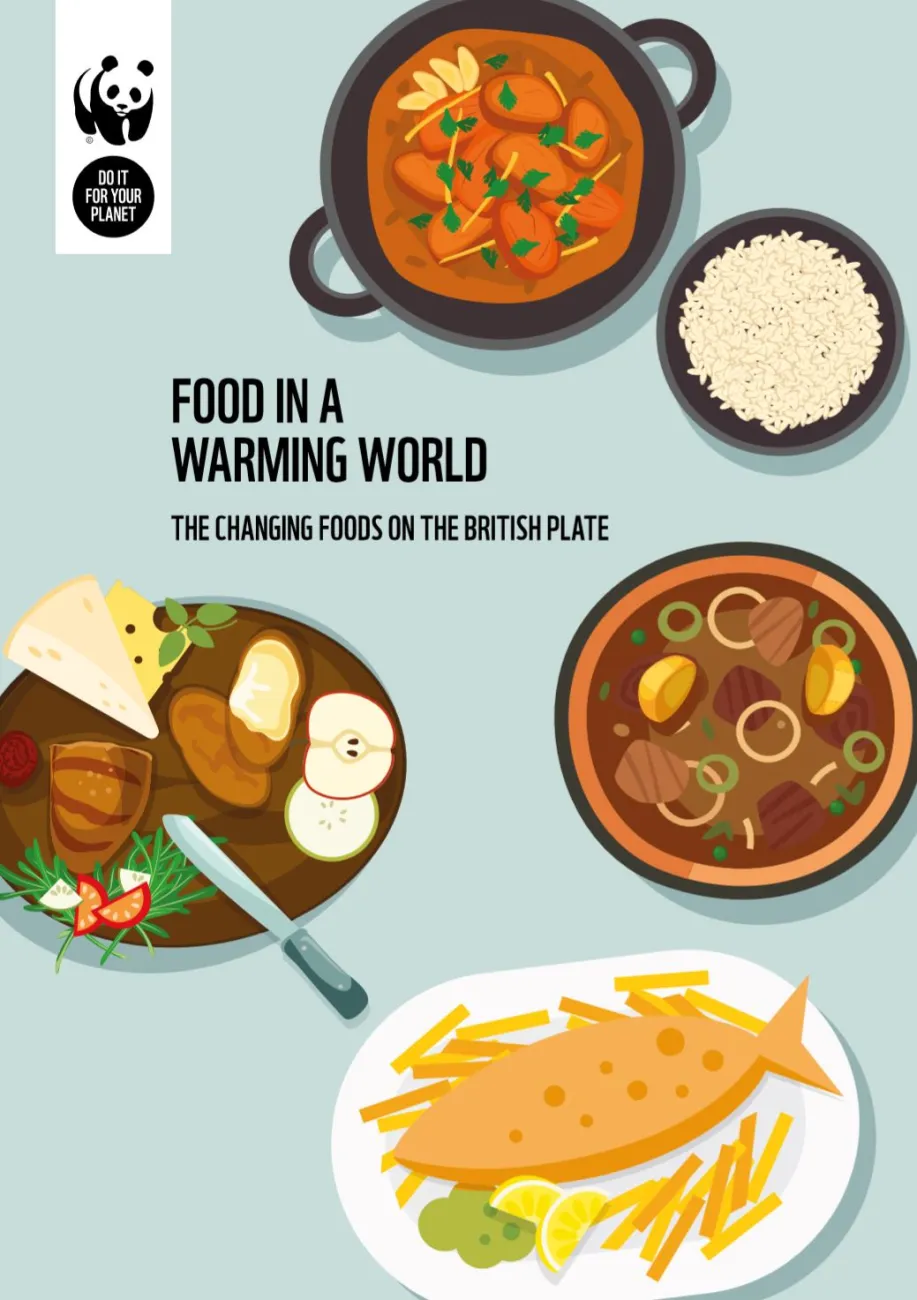
Image Reports Food in a warming world A report from the WWF examines the environmental impacts, including carbon footprint, associated with four classic British dishes, and identifies twenty risks that climate change poses to the production of these dishes. Read
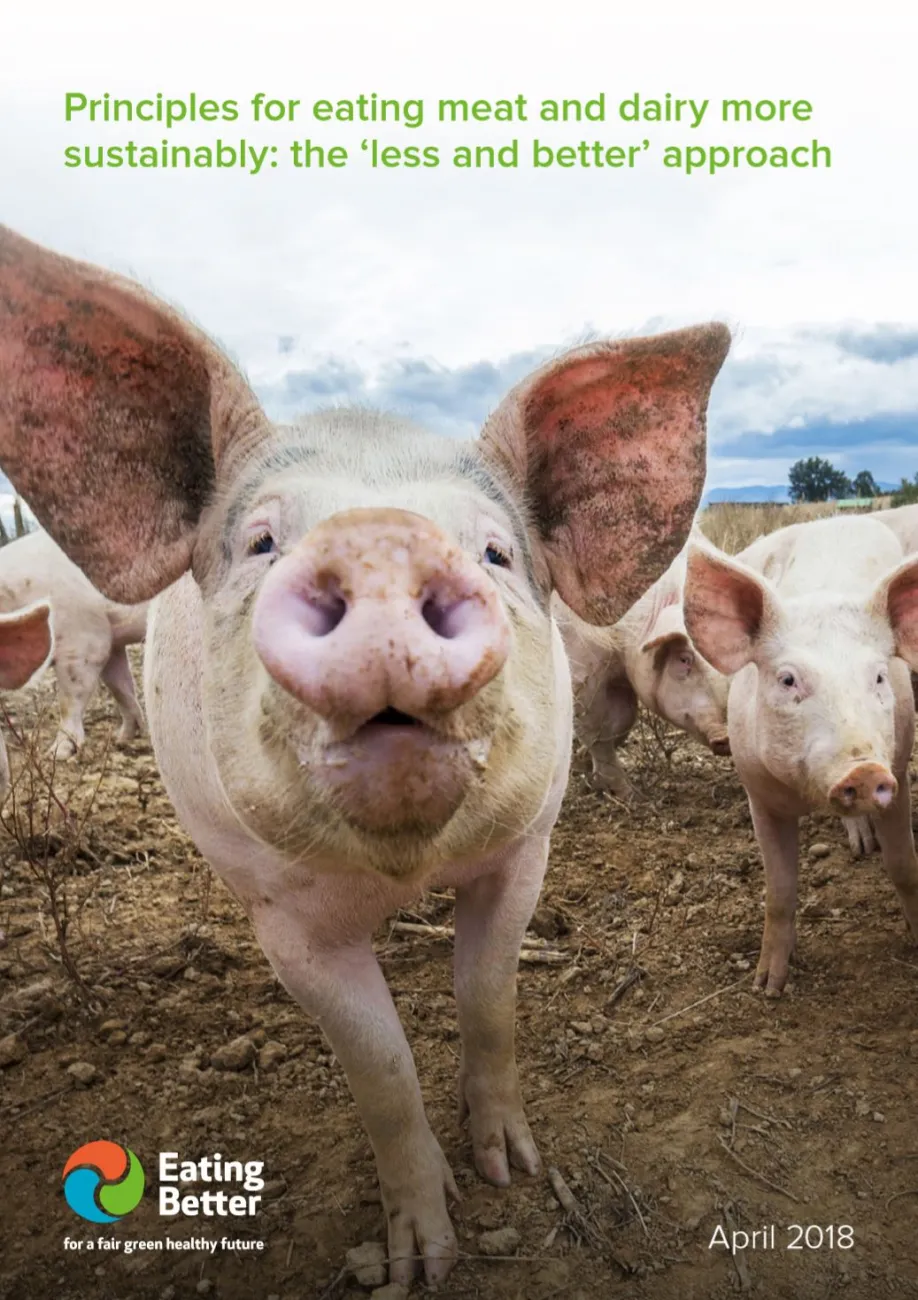
Image Reports Principles for eating meat and dairy more sustainably Eating Better has published a new report setting out their suggested approach to eating “less and better” meat and dairy. They set out eight principles, including: eat less meat and dairy; reduce waste; choose smaller scale, higher standard producers; and avoid livestock fed on imported feedstuffs such as soy. The report also includes a guide to assurance and labelling schemes to help people choose better meat and dairy. Read
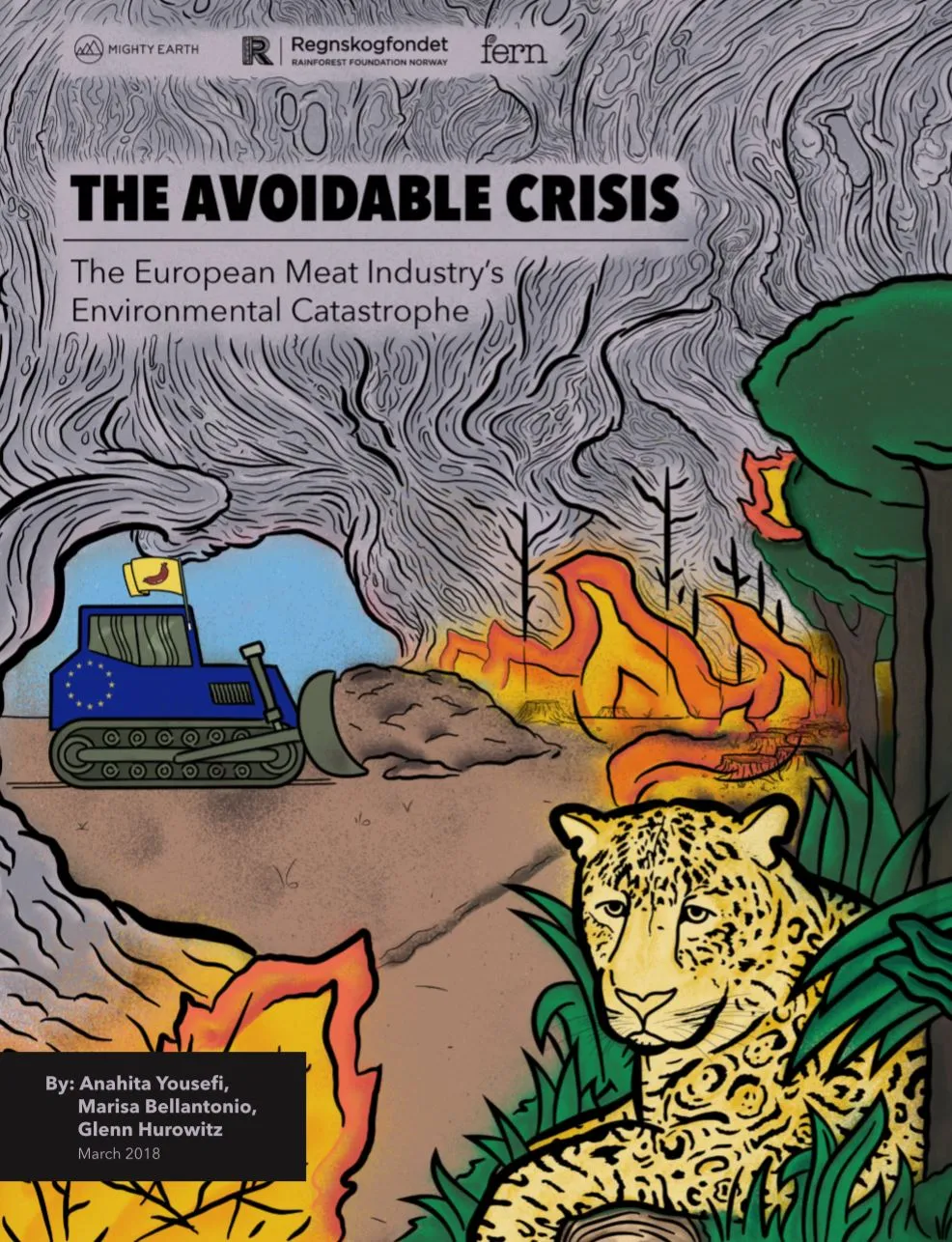
Image Reports European meat industry linked to deforestation and fires A new report, The Avoidable Crisis, finds that large-scale deforestation, fires and human rights abuses are linked to soy plantations and the global meat industry. Read
Image Journal articles Biodegradable packaging and food waste: the trade-offs This paper examines some of the environmental trade-offs associated with using multilayered biodegradable packaging made of thermoplastic starch and polyhydroxyalkanoate. Read
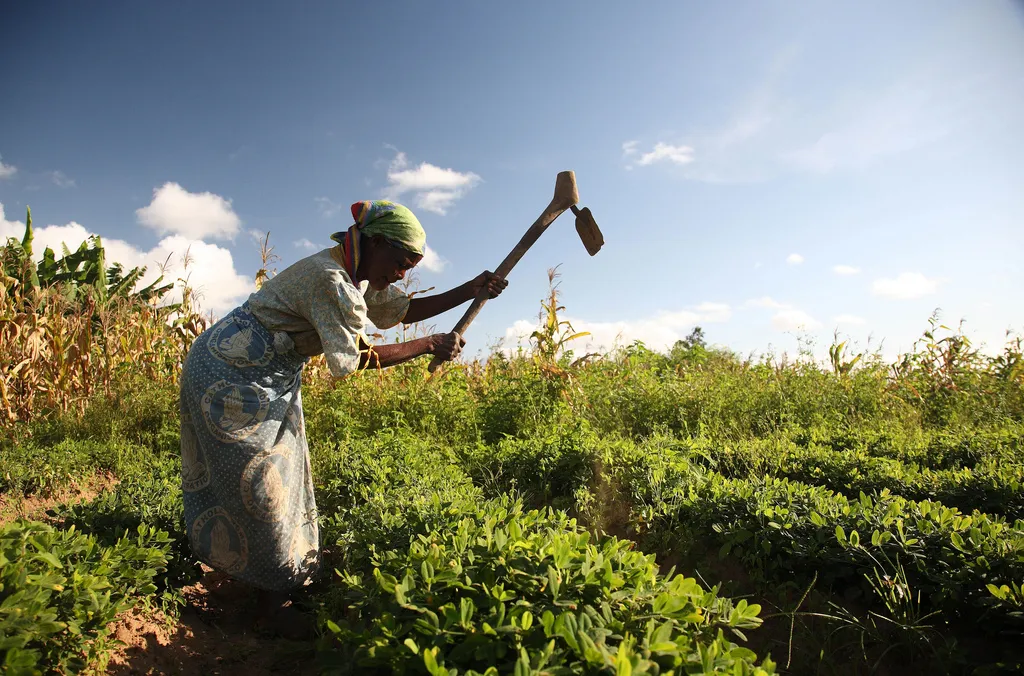
Image Journal articles Increasing food production on existing cropland This article looks at our ability to increase cropping intensity in order to meet future food needs and avoid expanding cropped land area. The research produces spatially explicit information on the cropping intensity gap, i.e. the difference between actual and potential cropping intensity and finds that increasing cropping intensity could compensate for land lost to urbanisation. Read
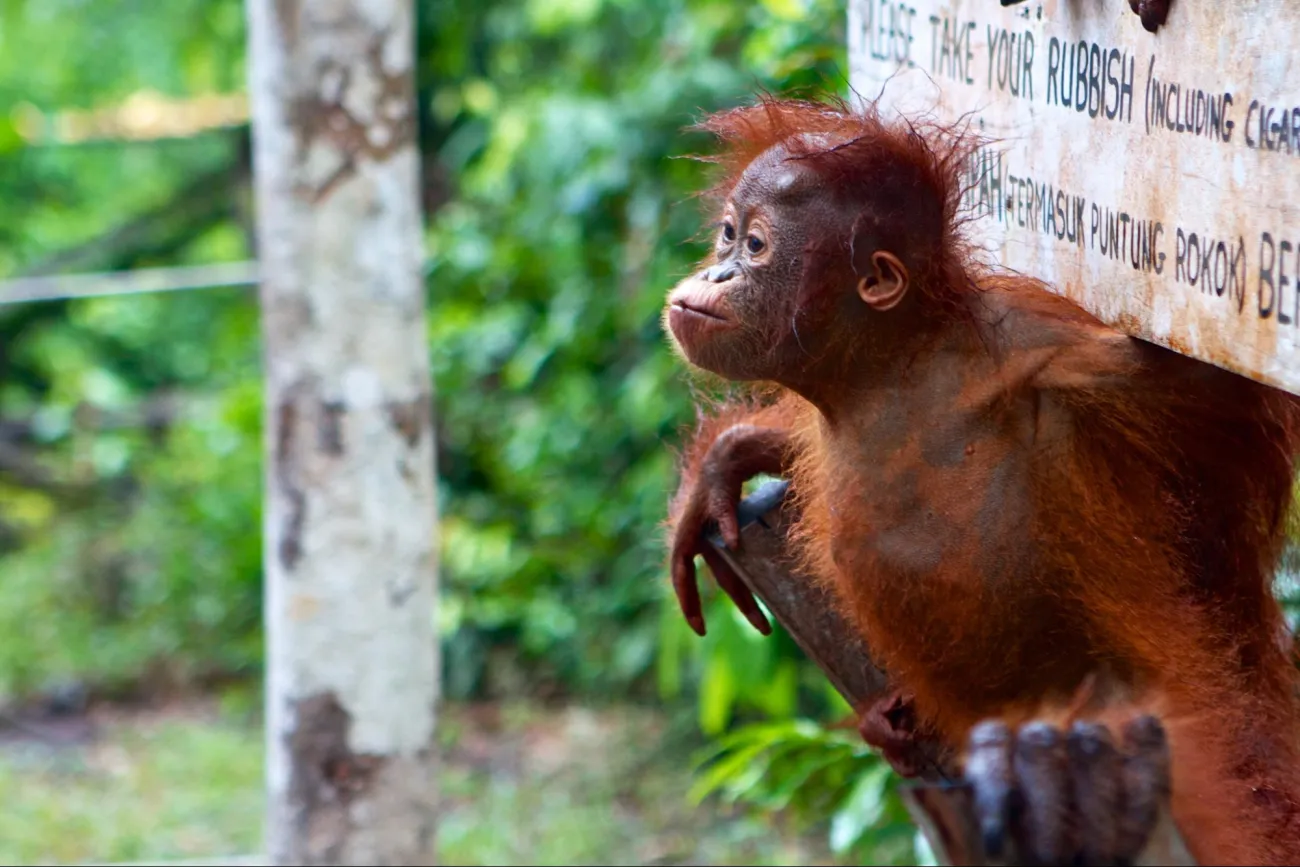
Image Journal articles Half of Bornean orangutans disappeared in 16 years A study shows that 100,000 orangutans in Borneo have been lost between 1999 and 2015 - around half of the population. The results show that this precipitous decrease is not just due to deforestation, since numbers of orangutans also declined in selectively logged and intact forests. Read
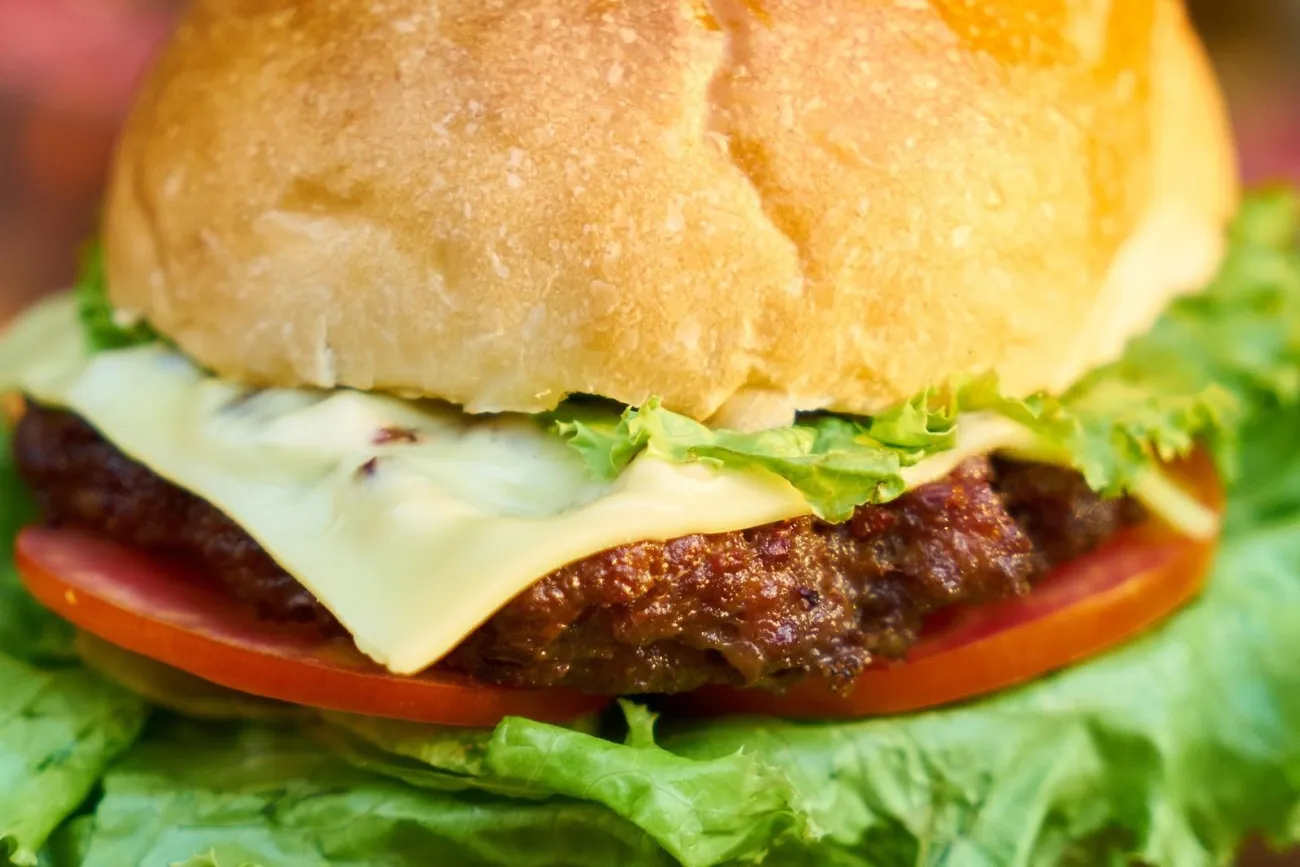
Image Journal articles Consumer views of plant-based and cultured burgers This paper used a survey to explore consumer views of burgers made from beef, plant-based or cultured meat. The survey participants were asked to choose, hypothetically, between the varieties of burger and were told that all burgers tasted the same (the participants did not actually get to try any burgers during the experiment). The results predict that, if prices were equal, 65% of consumers would buy the beef burger, 21% the plant-based burger, 11% the cultured meat burger and 4% would not buy any. Read
Image Journal articles Attitudes to meat reduction in the USA This paper is the first to provide US data about what people eat when they reduce their meat consumption without becoming vegetarian or vegan. The objective of the research was to understand what is eaten in meatless meals and Americans’ attitudes to and perceptions of meat reduction. Read