Image Resources Our extensive research library contains thousands of summaries of journal articles, reports and news stories that can be searched by keyword and category RESOURCES CATEGORY Books Briefing paper Event recording Featured articles Featured report Game Journal articles News and resources Reports Think piece Video Working paper Workshop summary Year 2026 2025 2024 2023 2022 2021 2020 2019 2018 2017 2016 2015 2014 2013 2012 2011 2010 2009 2008 2007 2002 2001 Image Journal articles Using dietary quality scores to assess food sustainability FCRN member Elinor Hallström of the Research Institute of Sweden has authored a systematic review paper on how dietary quality scores are used in environmental sustainability assessment of food. The paper identifies two broad types of dietary quality scores and four different approaches to integrating nutritional and environmental assessments. It finds that both the type of dietary quality score and the way it is combined with environmental assessments can make a difference to which foods appear more sustainable. Read Image Journal articles Trees and indigenous crops for food security in Africa A recent paper by FCRN member Roger Leakey of the International Tree Foundation explores the possibility of smallholder farms in Africa using trees and indigenous crops to provide many environmental, social and economic benefits. Read Image Journal articles Rothamsted Archive of long-term agricultural experiments The electronic Rothamsted Archive provides data on agricultural experiments (starting in 1843) and weather records (since 1853). A recent paper gives an official account of the history of the archive. The archive includes results of experiments on wheat, permanent grassland, barley, woodland and rotational systems. Read Image Journal articles Obesity and food system transformation in Latin America A recent paper examines the connections between food system changes and diet and nutrition changes in Latin America and the Caribbean. It finds that food systems are changing to include more processed food, more and more easily available meat, dairy and out-of-season foods, cheaper food and a rise in supermarkets. It concludes that, while some Latin American countries are leaders on interventions to change demand (such as by introducing taxes on sugary beverages or regulating the advertising of unhealthy food), there is a long way to go, and that a change towards healthier food systems will require introducing incentives for companies to market healthy foods, driven by consumer demand. Read Image Journal articles Humans have eradicated many living things Although humans only make up 0.01% of life on Earth by weight, 83% of wild mammals and 15% of fish have been lost since the start of human civilisation, according to a new study. The study also finds that, of all mammals on Earth, 36% are humans, 60% are livestock and 4% are wild mammals, while 70% of birds are chicken and other poultry with only 30% being wild. Read Image News and resources Infographics: Global land use Data visualisations by Max Roser and Hannah Ritchie, published at Our World In Data, show global land use types, changes over time and land use in agriculture. For example, a graph shows that half of the Earth’s habitable land surface is used for agriculture, of which 77% is used for livestock (including both grazing land and land for feed production). For comparison, livestock accounts for 17% of global calorie supply and 33% of global protein supply. Read Image News and resources Seafood supply chain transparency on the blockchain The World Wide Fund for Nature (WWF) hopes to use blockchain technology to make the entire seafood supply chain traceable. Working with tech startup TraSeable, fishing company Sea Quest and blockchain company Viant, WWF is running a pilot project to trace tuna through the supply chain by tagging catches with radio-frequency identification chips and QR codes - which can be scanned by a mobile phone. Read Image News and resources Consumers prefer “plant-based” to “vegan” Consumers prefer the term “100% plant-based” to “vegan”, according to a survey of US adults. When asked a series of questions including “Which tastes better?” and “Which is healthier?”, more than two-thirds of respondents selected “100% plant-based” over “vegan” (no other answers were available). According to Bark Stuckey (President and Chief Innovation Officer of Mattson, the organisation that conducted the survey), the preference might be because “plant-based” is seen as a positive dietary change, whereas “vegan” is seen as a whole lifestyle associated with deprivation and activism. Read Image News and resources Helping black farmers keep their land In a feature in Civil Eats, agricultural attorney Jillian Hishaw describes some of the difficulties that black farmers have faced in the US, including systematic denial of loans, exclusion from disaster payments, and lack of official paperwork for land that was passed on from slave owners. Hishaw founded the Family Agriculture Resource Management Services (FARMS) to help farmers who are black or from other historically disadvantaged groups to keep their land. Read VIEW MORE
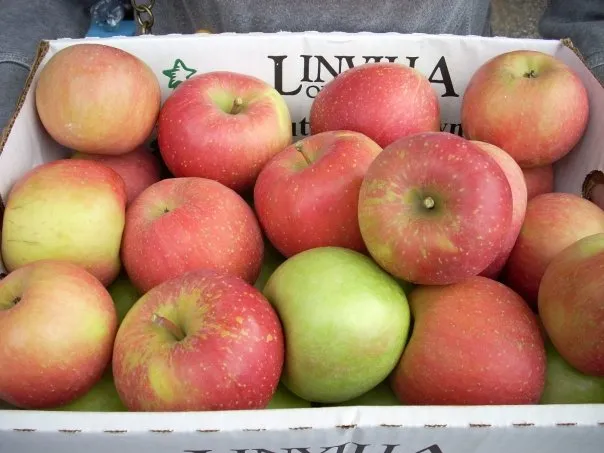
Image Journal articles Using dietary quality scores to assess food sustainability FCRN member Elinor Hallström of the Research Institute of Sweden has authored a systematic review paper on how dietary quality scores are used in environmental sustainability assessment of food. The paper identifies two broad types of dietary quality scores and four different approaches to integrating nutritional and environmental assessments. It finds that both the type of dietary quality score and the way it is combined with environmental assessments can make a difference to which foods appear more sustainable. Read
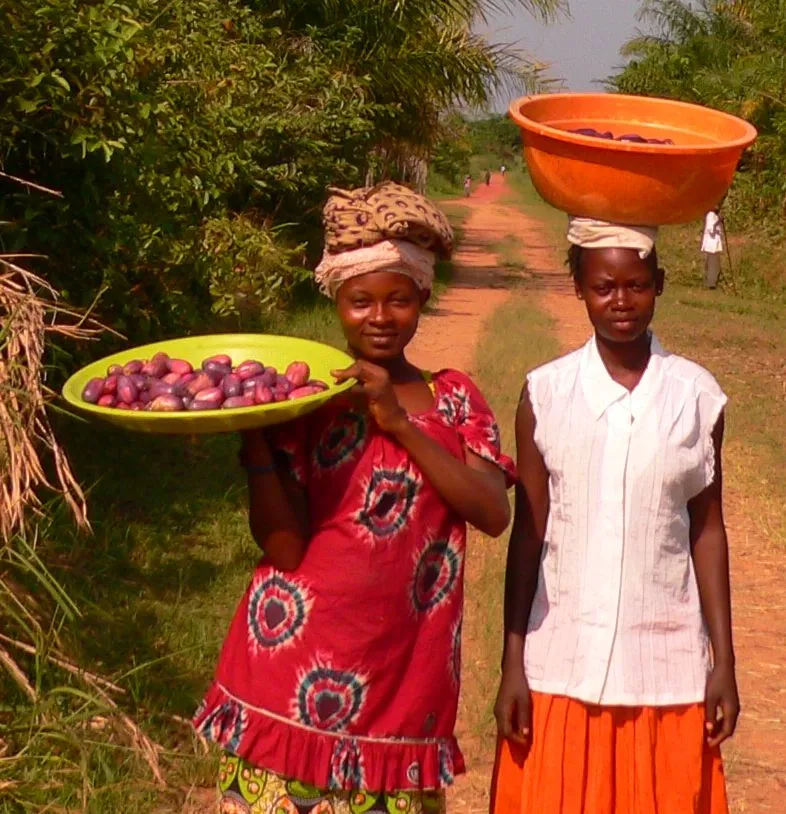
Image Journal articles Trees and indigenous crops for food security in Africa A recent paper by FCRN member Roger Leakey of the International Tree Foundation explores the possibility of smallholder farms in Africa using trees and indigenous crops to provide many environmental, social and economic benefits. Read
Image Journal articles Rothamsted Archive of long-term agricultural experiments The electronic Rothamsted Archive provides data on agricultural experiments (starting in 1843) and weather records (since 1853). A recent paper gives an official account of the history of the archive. The archive includes results of experiments on wheat, permanent grassland, barley, woodland and rotational systems. Read
Image Journal articles Obesity and food system transformation in Latin America A recent paper examines the connections between food system changes and diet and nutrition changes in Latin America and the Caribbean. It finds that food systems are changing to include more processed food, more and more easily available meat, dairy and out-of-season foods, cheaper food and a rise in supermarkets. It concludes that, while some Latin American countries are leaders on interventions to change demand (such as by introducing taxes on sugary beverages or regulating the advertising of unhealthy food), there is a long way to go, and that a change towards healthier food systems will require introducing incentives for companies to market healthy foods, driven by consumer demand. Read
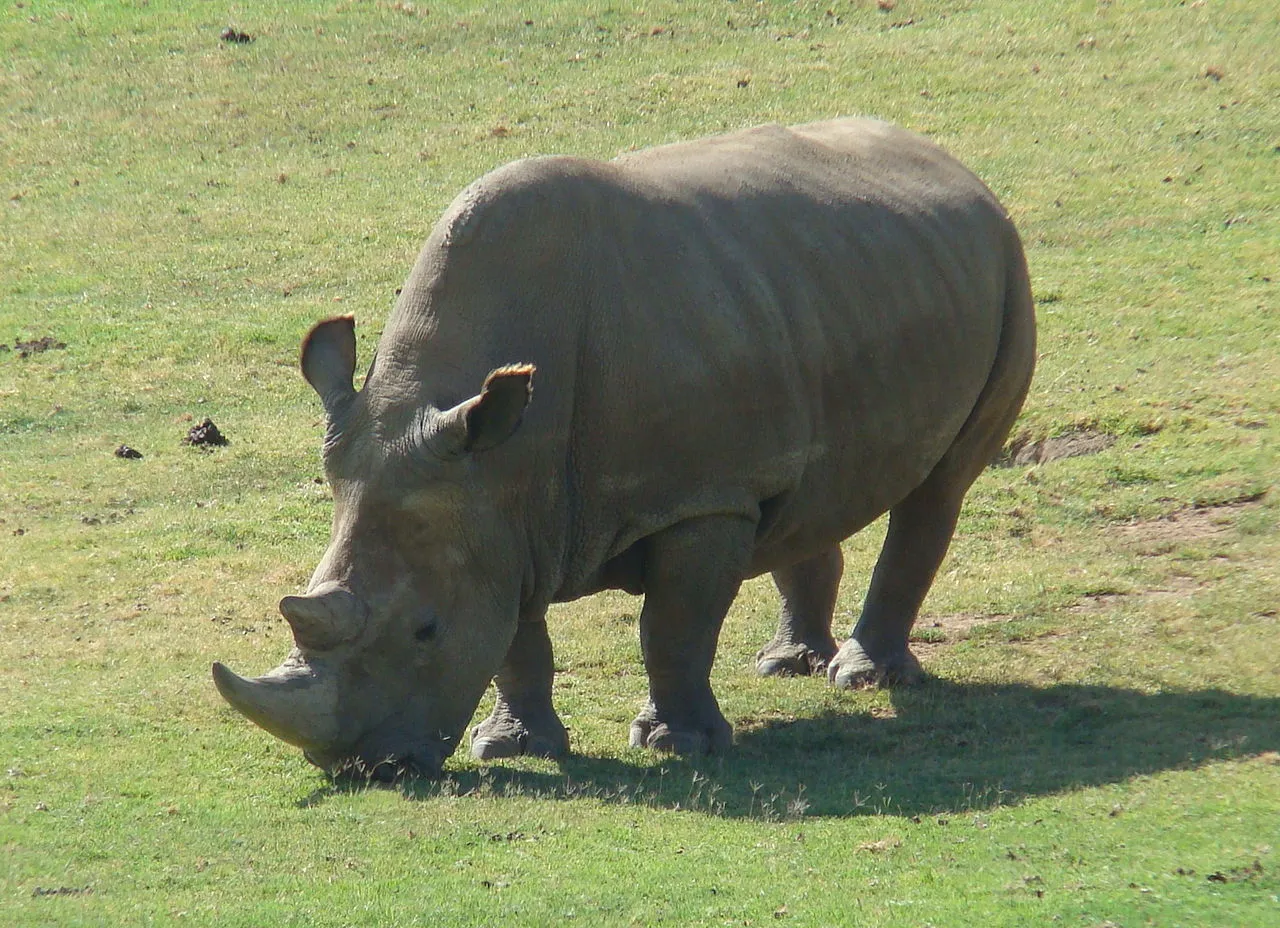
Image Journal articles Humans have eradicated many living things Although humans only make up 0.01% of life on Earth by weight, 83% of wild mammals and 15% of fish have been lost since the start of human civilisation, according to a new study. The study also finds that, of all mammals on Earth, 36% are humans, 60% are livestock and 4% are wild mammals, while 70% of birds are chicken and other poultry with only 30% being wild. Read
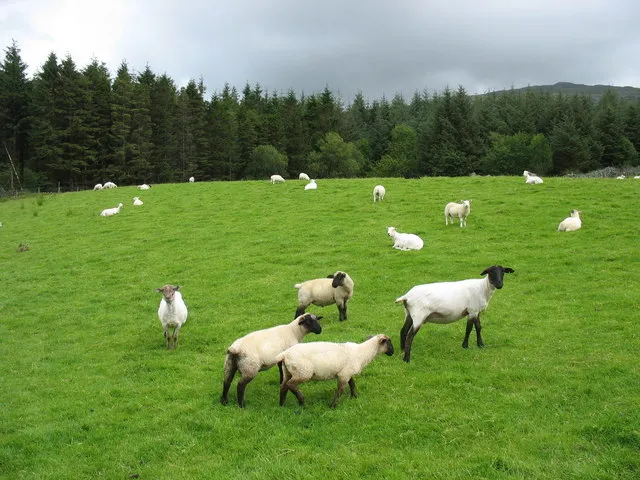
Image News and resources Infographics: Global land use Data visualisations by Max Roser and Hannah Ritchie, published at Our World In Data, show global land use types, changes over time and land use in agriculture. For example, a graph shows that half of the Earth’s habitable land surface is used for agriculture, of which 77% is used for livestock (including both grazing land and land for feed production). For comparison, livestock accounts for 17% of global calorie supply and 33% of global protein supply. Read
Image News and resources Seafood supply chain transparency on the blockchain The World Wide Fund for Nature (WWF) hopes to use blockchain technology to make the entire seafood supply chain traceable. Working with tech startup TraSeable, fishing company Sea Quest and blockchain company Viant, WWF is running a pilot project to trace tuna through the supply chain by tagging catches with radio-frequency identification chips and QR codes - which can be scanned by a mobile phone. Read
Image News and resources Consumers prefer “plant-based” to “vegan” Consumers prefer the term “100% plant-based” to “vegan”, according to a survey of US adults. When asked a series of questions including “Which tastes better?” and “Which is healthier?”, more than two-thirds of respondents selected “100% plant-based” over “vegan” (no other answers were available). According to Bark Stuckey (President and Chief Innovation Officer of Mattson, the organisation that conducted the survey), the preference might be because “plant-based” is seen as a positive dietary change, whereas “vegan” is seen as a whole lifestyle associated with deprivation and activism. Read
Image News and resources Helping black farmers keep their land In a feature in Civil Eats, agricultural attorney Jillian Hishaw describes some of the difficulties that black farmers have faced in the US, including systematic denial of loans, exclusion from disaster payments, and lack of official paperwork for land that was passed on from slave owners. Hishaw founded the Family Agriculture Resource Management Services (FARMS) to help farmers who are black or from other historically disadvantaged groups to keep their land. Read