Image Resources Our extensive research library contains thousands of summaries of journal articles, reports and news stories that can be searched by keyword and category RESOURCES CATEGORY Books Briefing paper Event recording Featured articles Featured report Game Journal articles News and resources Reports Think piece Video Working paper Workshop summary Year 2026 2025 2024 2023 2022 2021 2020 2019 2018 2017 2016 2015 2014 2013 2012 2011 2010 2009 2008 2007 2002 2001 Image Reports Feeding surplus food to pigs safely Environmental campaigning organisation Feedback have released a new report in which, having examined environmental, economic and safety factors, it lays out the case for lifting the ban on feeding surplus food to pigs in the UK. The report finds that up to 2.5 million tonnes of food waste from the UK manufacturing, retail and catering sectors could be fed safely to pigs, if legalised. The report draws on the work of an expert panel convened by EU REFRESH, who concluded that food waste can be safely fed to pigs if it is heat-treated and processed properly, and conducted in a limited number of well-regulated off-farm processing facilities. The report was featured on BBC1’s Countryfile and in the Times. Read Image Reports Impacts of climate change on fisheries and aquaculture The FAO has released a report on the current state of knowledge on how climate change will affect fisheries and aquaculture, including mitigation and adaptation options. The report finds that “climate change will lead to significant changes in the availability and trade of fish products”. Marine catches could decrease by 2050 in the tropics and rise in some high latitude regions, with a global decrease in Exclusive Economic Zones of 3% to 12%. Inland fisheries in Pakistan, Iraq, Morocco and Spain may come under greater stress, while those in Myanmar, Cambodia, the Congo, the Central African Republic and Colombia may remain under low stress in the future. Read Image Reports Feeding Britain: food security after Brexit A report by the Food Research Collaboration argues that the sustainability and security of Britain’s food supply would be put at risk by a hard Brexit or a no-deal Brexit, where the UK reverts to trading according to World Trade Organisation rules. The report points out that the UK imports 30% of its food from the EU, plus another 11% via trade deals negotiated between the EU and other countries. The report claims that the government may suspend food regulations if a no-deal Brexit happens, to minimise barriers to importing food. Furthermore, it criticises the UK government for neglecting the importance of retail and food service in the UK food system. Read Image Journal articles Regional experiences of different levels of climate change Researchers from the University of Oxford’s Environmental Change Institute (of which the FCRN is part) have created a new tool - the “temperature of equivalence” - to map the impacts of varying degrees of climate change in different areas. They find that people living in low-income countries will, on average, experience heat extremes at 1.5°C of (global average) warming that people living high-income countries will not encounter until 3°C. This result is based on combining a map of predicted heat extremes with information on where people actually live within these areas. The paper also finds that, on average, people in high-income countries would experience the same increase in extreme rainfall after 1.0°C of warming that people in low-income countries would experience at 1.5°C of warming. Read Image Journal articles An interdisciplinary approach for solving the global food crisis A group of researchers from the University of Michigan’s Sustainable Food Systems Initiative has called for a new approach to solving food system problems, based on the intersection of four key areas: the ecology of agroecosystems, equity on a global and local scale, cultural dimensions of food and agriculture, and human health. Read Image Journal articles Fuel use and greenhouse gas emissions of world fisheries A new paper finds that the global marine fishing fleet produces greenhouse gas emissions equivalent to 4% of the total emissions from global food production. The types of fisheries with the highest emissions intensity per unit of catch are those using motorised craft (vs. non-motorised), those harvesting for human consumption (vs. catches used for meal, oil or non-food uses), fishing for crustaceans (vs. other species types) and fisheries in China (vs. those in other regions). Read Image Journal articles Meat consumption, health, and the environment A new paper in Science reviews trends in meat consumption and the associated health and environmental implications. The paper also discusses potential means of influencing meat consumption levels. Read Image News and resources Edete raises $3m for bee-free pollination tech An Israeli startup has raised $3 million to create a mechanical system for pollinating plants, as an alternative to relying on bees. Wild bee numbers are declining, while bees used by farmers can suffer from Colony Collapse Disorder. Edete Precision Technologies for Agriculture hopes to build two separate systems: one to collect and store pollen, and another to autonomously apply the pollen to plants. Read Image News and resources How Crispr might change crops An article in Wired explains the implications for agriculture of the gene-editing tool Crispr, which can be used to edit the DNA of living cells at specific points in the genome. Potential applications include removing swollen joints from tomato stems, which can puncture the fruit. Read VIEW MORE
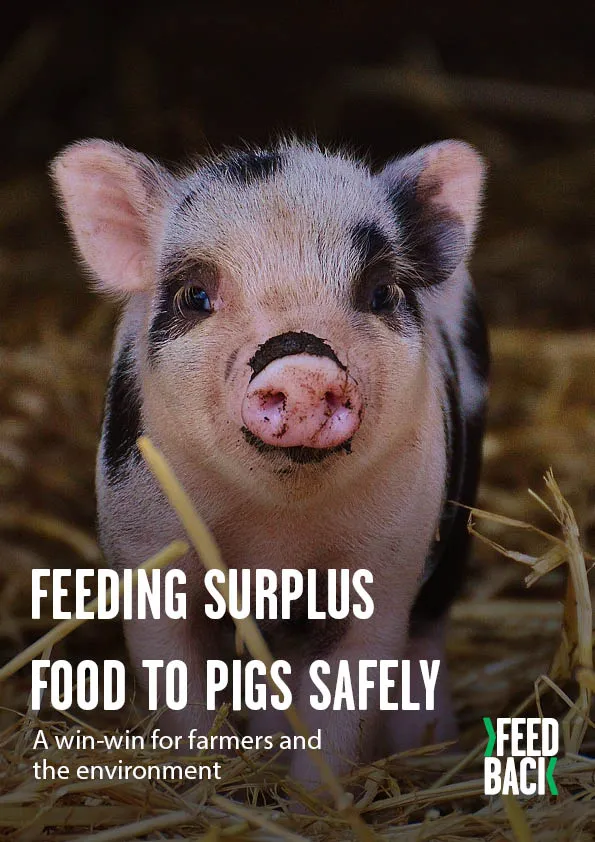
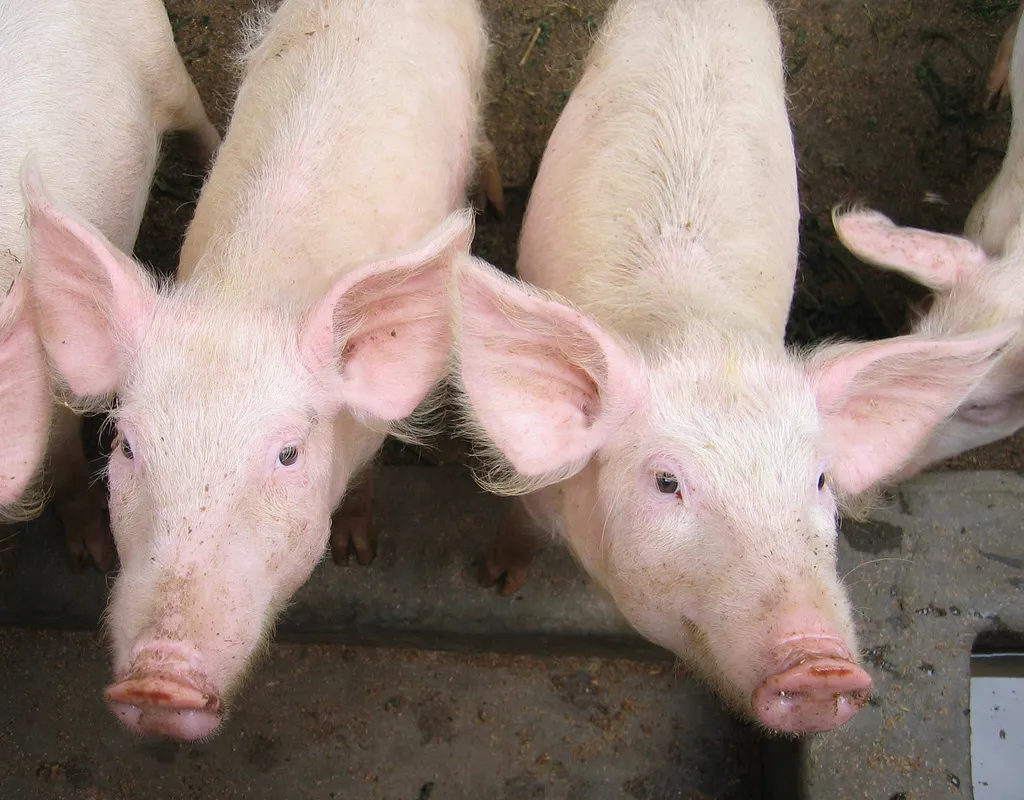
Image Reports Feeding surplus food to pigs safely Environmental campaigning organisation Feedback have released a new report in which, having examined environmental, economic and safety factors, it lays out the case for lifting the ban on feeding surplus food to pigs in the UK. The report finds that up to 2.5 million tonnes of food waste from the UK manufacturing, retail and catering sectors could be fed safely to pigs, if legalised. The report draws on the work of an expert panel convened by EU REFRESH, who concluded that food waste can be safely fed to pigs if it is heat-treated and processed properly, and conducted in a limited number of well-regulated off-farm processing facilities. The report was featured on BBC1’s Countryfile and in the Times. Read
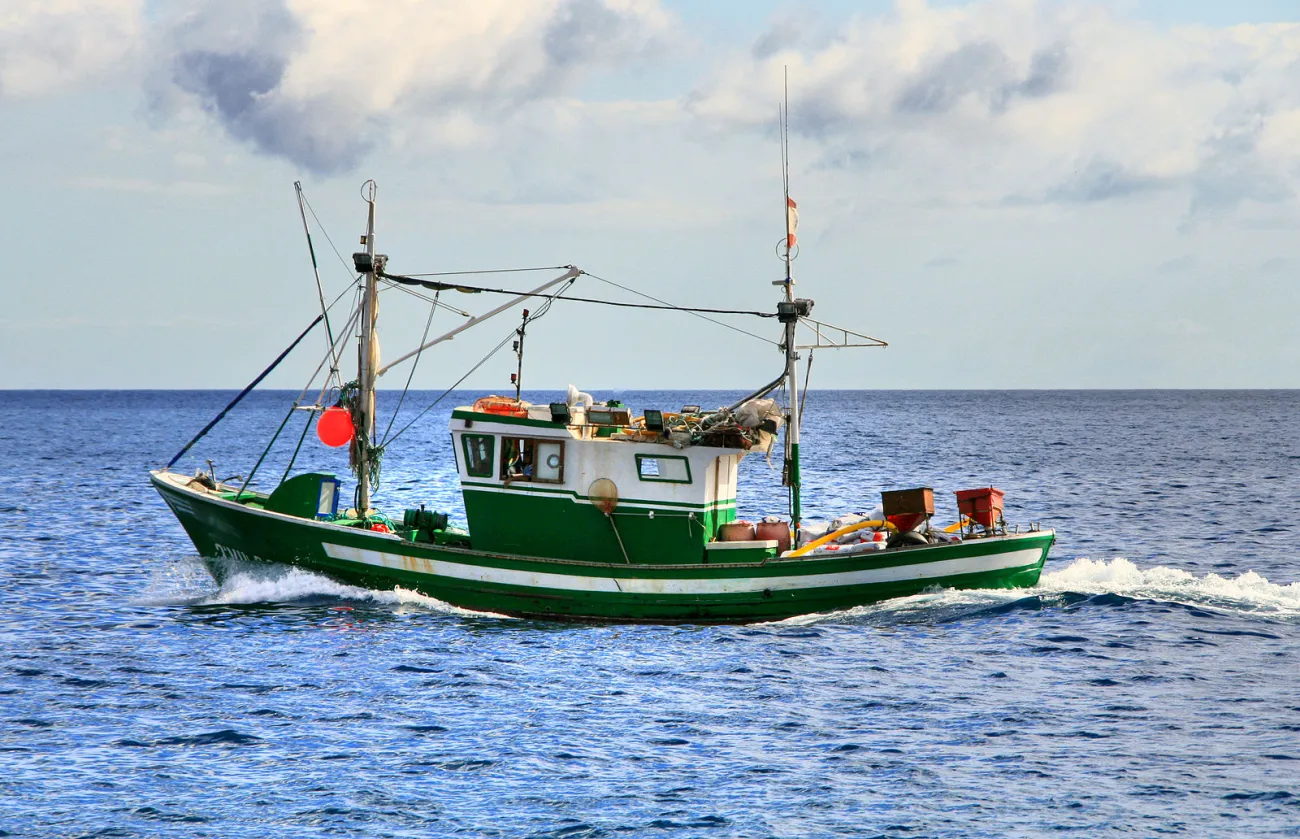
Image Reports Impacts of climate change on fisheries and aquaculture The FAO has released a report on the current state of knowledge on how climate change will affect fisheries and aquaculture, including mitigation and adaptation options. The report finds that “climate change will lead to significant changes in the availability and trade of fish products”. Marine catches could decrease by 2050 in the tropics and rise in some high latitude regions, with a global decrease in Exclusive Economic Zones of 3% to 12%. Inland fisheries in Pakistan, Iraq, Morocco and Spain may come under greater stress, while those in Myanmar, Cambodia, the Congo, the Central African Republic and Colombia may remain under low stress in the future. Read
Image Reports Feeding Britain: food security after Brexit A report by the Food Research Collaboration argues that the sustainability and security of Britain’s food supply would be put at risk by a hard Brexit or a no-deal Brexit, where the UK reverts to trading according to World Trade Organisation rules. The report points out that the UK imports 30% of its food from the EU, plus another 11% via trade deals negotiated between the EU and other countries. The report claims that the government may suspend food regulations if a no-deal Brexit happens, to minimise barriers to importing food. Furthermore, it criticises the UK government for neglecting the importance of retail and food service in the UK food system. Read
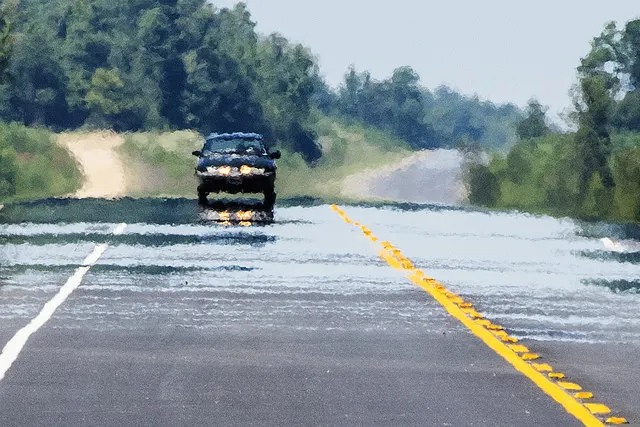
Image Journal articles Regional experiences of different levels of climate change Researchers from the University of Oxford’s Environmental Change Institute (of which the FCRN is part) have created a new tool - the “temperature of equivalence” - to map the impacts of varying degrees of climate change in different areas. They find that people living in low-income countries will, on average, experience heat extremes at 1.5°C of (global average) warming that people living high-income countries will not encounter until 3°C. This result is based on combining a map of predicted heat extremes with information on where people actually live within these areas. The paper also finds that, on average, people in high-income countries would experience the same increase in extreme rainfall after 1.0°C of warming that people in low-income countries would experience at 1.5°C of warming. Read
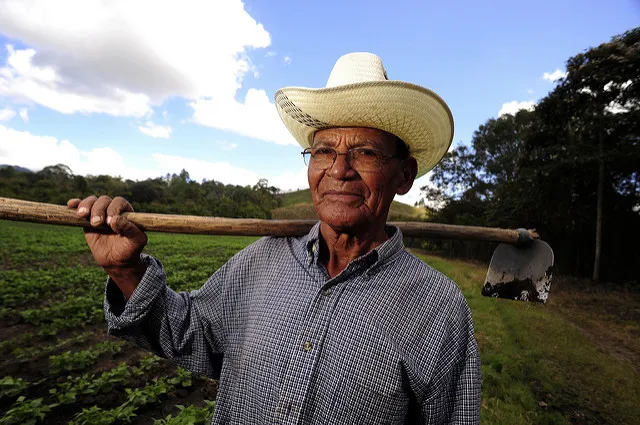
Image Journal articles An interdisciplinary approach for solving the global food crisis A group of researchers from the University of Michigan’s Sustainable Food Systems Initiative has called for a new approach to solving food system problems, based on the intersection of four key areas: the ecology of agroecosystems, equity on a global and local scale, cultural dimensions of food and agriculture, and human health. Read
Image Journal articles Fuel use and greenhouse gas emissions of world fisheries A new paper finds that the global marine fishing fleet produces greenhouse gas emissions equivalent to 4% of the total emissions from global food production. The types of fisheries with the highest emissions intensity per unit of catch are those using motorised craft (vs. non-motorised), those harvesting for human consumption (vs. catches used for meal, oil or non-food uses), fishing for crustaceans (vs. other species types) and fisheries in China (vs. those in other regions). Read
Image Journal articles Meat consumption, health, and the environment A new paper in Science reviews trends in meat consumption and the associated health and environmental implications. The paper also discusses potential means of influencing meat consumption levels. Read
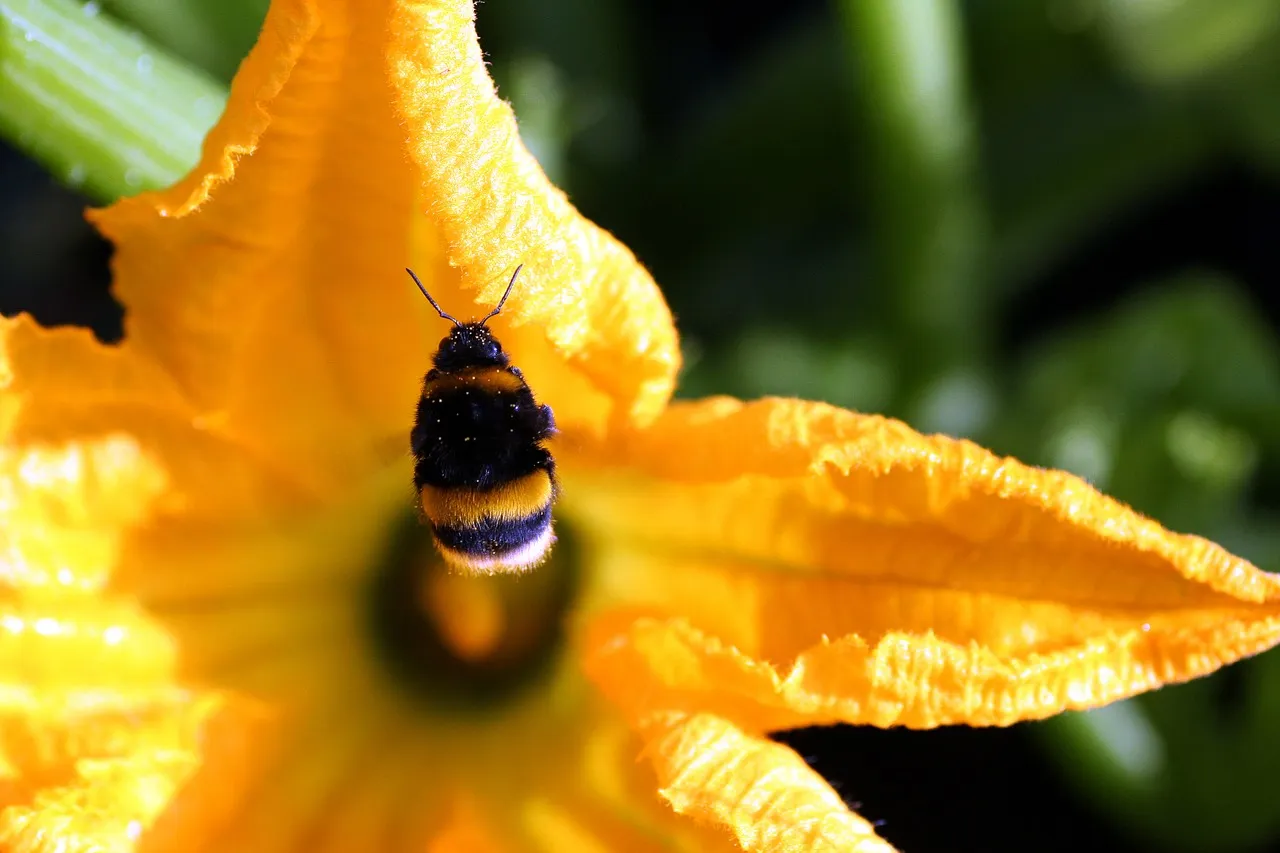
Image News and resources Edete raises $3m for bee-free pollination tech An Israeli startup has raised $3 million to create a mechanical system for pollinating plants, as an alternative to relying on bees. Wild bee numbers are declining, while bees used by farmers can suffer from Colony Collapse Disorder. Edete Precision Technologies for Agriculture hopes to build two separate systems: one to collect and store pollen, and another to autonomously apply the pollen to plants. Read
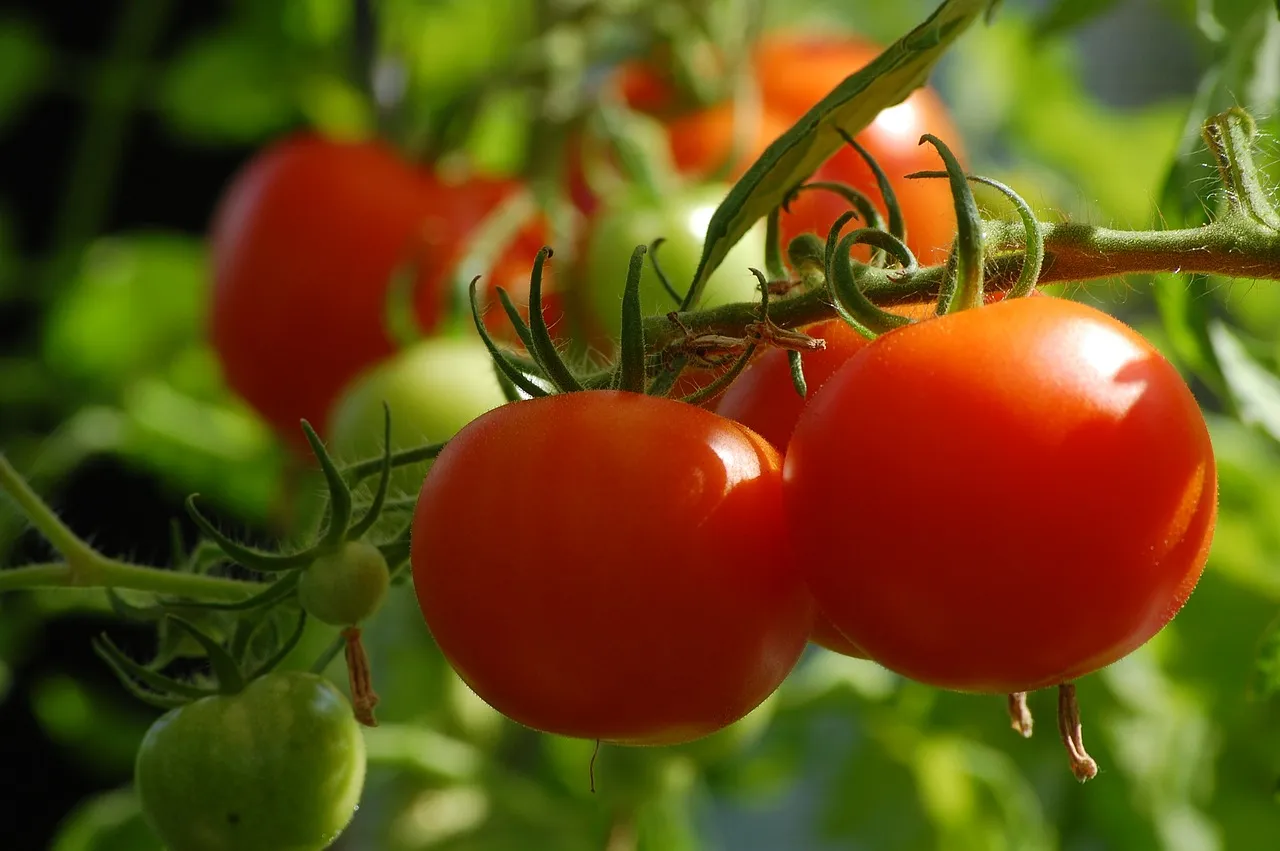
Image News and resources How Crispr might change crops An article in Wired explains the implications for agriculture of the gene-editing tool Crispr, which can be used to edit the DNA of living cells at specific points in the genome. Potential applications include removing swollen joints from tomato stems, which can puncture the fruit. Read