Image Resources Our extensive research library contains thousands of summaries of journal articles, reports and news stories that can be searched by keyword and category RESOURCES CATEGORY Books Briefing paper Event recording Featured articles Featured report Game Journal articles News and resources Reports Think piece Video Working paper Workshop summary Year 2026 2025 2024 2023 2022 2021 2020 2019 2018 2017 2016 2015 2014 2013 2012 2011 2010 2009 2008 2007 2002 2001 Image Journal articles Ethical consumption as a high-status practice This paper surveyed food shoppers in Toronto to find the links between socioeconomic status and food preferences. It finds that the shoppers with the highest socioeconomic status tend to be motivated by both aesthetic and ethical concerns when choosing food. Read Image Journal articles Corporate food power and supply chain sustainability FCRN member Susanne Freidberg examines corporate sustainability practices in the food sector, noting that many early projects overestimated consumer interest in environmental impacts information and the ability of the supply chain to produce that data, and that effective initiatives often require businesses to partner with academia and NGOs. Read Image Journal articles How the soda industry shapes obesity policy in China This paper explores the influence that the Coca-Cola Company has had on obesity science and policy in China, in part through Coca-Cola’s influence on the International Life Sciences Institute (ILSI). The author notes that China’s health recommendations usually focus on physical activity instead of the dietary policies recommended by the World Health Organisation - in line with Coca-Cola’s message that all food and drinks can be part of a healthy diet, as long as there is enough exercise. Read Image News and resources Do cashless restaurants and stores exclude people? Some businesses no longer accept cash and instead prefer card or other digital payments. This piece in The Spoon explores the ways in which cashless businesses might exclude some people, following legislation in New York City that could, if passed, force restaurants, coffee shops and stores to accept cash. Read Image News and resources The Land magazine feature on meat-eating and veganism The latest issue of The Land magazine, of which FCRN member Simon Fairlie is an editor, has a 40-page section on meat-eating and veganism, with about 20 articles and short features representing a variety of viewpoints. Read Image News and resources Agriculture ministry gains control of Brazilian indigenous lands Bolsonaro, the new far-right president of Brazil, has given the Agriculture Ministry responsibility for “identification, delimitation, demarcation and registration of lands traditionally occupied by indigenous people”, according to Reuters. Environmentalists are concerned that the Amazon rainforest will be opened to greater commercial exploitation. Read Image Books Agriculture & Food Systems to 2050 This book, edited by Rachid Serraj and Prabhu Pingali, explores the threats and opportunities that global agricultural and food systems are likely to face between now and 2050. Chapter topics include global drivers and megatrends, urbanisation, technological innovation and intensification of agriculture. Read Image Reports Resources and waste strategy for England The UK government has set out a waste and resources strategy for England, aiming to eliminate all avoidable waste by 2050 and promote a circular economy. Proposed measures include taxing plastic that contains less than 30% recycled material and providing food waste collection to all householders and relevant businesses. Read Image Reports Industrial animal agriculture and the SDGs This policy briefing, by FCRN member Peter Stevenson of Compassion in World Farming, argues that industrial animal agriculture will make it difficult to reach several of the Sustainable Development Goals (SDGs). Read VIEW MORE
Image Journal articles Ethical consumption as a high-status practice This paper surveyed food shoppers in Toronto to find the links between socioeconomic status and food preferences. It finds that the shoppers with the highest socioeconomic status tend to be motivated by both aesthetic and ethical concerns when choosing food. Read
Image Journal articles Corporate food power and supply chain sustainability FCRN member Susanne Freidberg examines corporate sustainability practices in the food sector, noting that many early projects overestimated consumer interest in environmental impacts information and the ability of the supply chain to produce that data, and that effective initiatives often require businesses to partner with academia and NGOs. Read
Image Journal articles How the soda industry shapes obesity policy in China This paper explores the influence that the Coca-Cola Company has had on obesity science and policy in China, in part through Coca-Cola’s influence on the International Life Sciences Institute (ILSI). The author notes that China’s health recommendations usually focus on physical activity instead of the dietary policies recommended by the World Health Organisation - in line with Coca-Cola’s message that all food and drinks can be part of a healthy diet, as long as there is enough exercise. Read
Image News and resources Do cashless restaurants and stores exclude people? Some businesses no longer accept cash and instead prefer card or other digital payments. This piece in The Spoon explores the ways in which cashless businesses might exclude some people, following legislation in New York City that could, if passed, force restaurants, coffee shops and stores to accept cash. Read
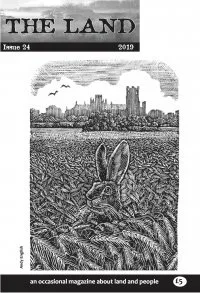
Image News and resources The Land magazine feature on meat-eating and veganism The latest issue of The Land magazine, of which FCRN member Simon Fairlie is an editor, has a 40-page section on meat-eating and veganism, with about 20 articles and short features representing a variety of viewpoints. Read
Image News and resources Agriculture ministry gains control of Brazilian indigenous lands Bolsonaro, the new far-right president of Brazil, has given the Agriculture Ministry responsibility for “identification, delimitation, demarcation and registration of lands traditionally occupied by indigenous people”, according to Reuters. Environmentalists are concerned that the Amazon rainforest will be opened to greater commercial exploitation. Read
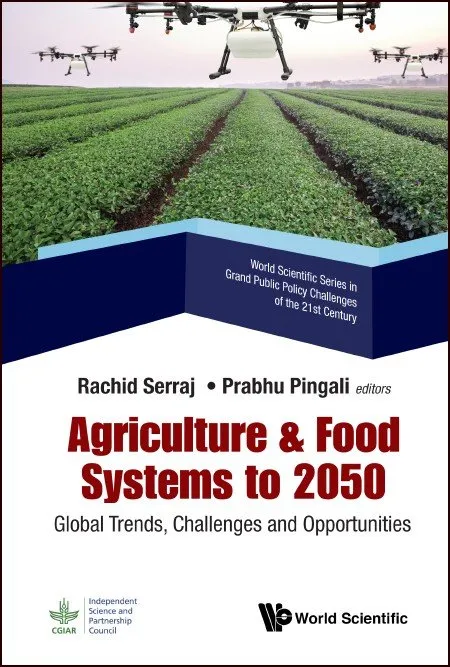
Image Books Agriculture & Food Systems to 2050 This book, edited by Rachid Serraj and Prabhu Pingali, explores the threats and opportunities that global agricultural and food systems are likely to face between now and 2050. Chapter topics include global drivers and megatrends, urbanisation, technological innovation and intensification of agriculture. Read
Image Reports Resources and waste strategy for England The UK government has set out a waste and resources strategy for England, aiming to eliminate all avoidable waste by 2050 and promote a circular economy. Proposed measures include taxing plastic that contains less than 30% recycled material and providing food waste collection to all householders and relevant businesses. Read
Image Reports Industrial animal agriculture and the SDGs This policy briefing, by FCRN member Peter Stevenson of Compassion in World Farming, argues that industrial animal agriculture will make it difficult to reach several of the Sustainable Development Goals (SDGs). Read