Image Resources Our extensive research library contains thousands of summaries of journal articles, reports and news stories that can be searched by keyword and category RESOURCES CATEGORY Books Briefing paper Event recording Featured articles Featured report Game Journal articles News and resources Reports Think piece Video Working paper Workshop summary Year 2026 2025 2024 2023 2022 2021 2020 2019 2018 2017 2016 2015 2014 2013 2012 2011 2010 2009 2008 2007 2002 2001 Image Reports Global animal protein outlook 2019 RaboResearch reviews the state of the global animal protein industry, predicting that production will grow in 2019 (albeit at a lower rate than 2018), except in China where production is expected to decline due to African swine fever. Read Image Reports Fixing food 2018 - Best practices towards the SDGs In this report, the Barilla Centre for Food & Nutrition uses findings from the Food Sustainability Index to investigate best practices in food sustainability, focusing on sustainable agriculture, nutritional challenges, and food loss and waste. Read Image Reports EAT-Lancet: healthy diets from sustainable food systems The EAT-Lancet Commission sets out a “universal healthy reference diet” that it argues will allow the food system to remain within the planetary boundaries while feeding 10 billion people by 2050. The suggested diet includes a variety of plant-based foods and low amounts of animal-based foods. Read Image Journal articles Assessing sustainable food security in the EU This paper, co-authored by FCRN member Monika Zurek, provides a process for assessing food system sustainability in the European Union across different dimensions and scales. The approach was developed as part of the Horizon2020 SUSFANS project. Read Image Journal articles Consumers underestimate food emissions People tend to underestimate the greenhouse gas emissions and energy use associated with different food types, according to this paper, but are likely to buy lower-emission food types when provided with information on greenhouse gas emissions. Read Image Journal articles The eco‐friendly burger? Cultured meat in context In this paper, FCRN member Hanna Tuomisto gives an overview of the process of growing cultured meat, current developments, its environmental impacts, technical challenges, and consumer perceptions. Read Image Journal articles The potential of future foods for sustainable and healthy diets Insects, seaweed, microalgae, cultured meat, mycoprotein and mussels are among the nine ‘future foods’ discussed in this paper, co-authored by FCRN members Hanna Tuomisto and Hannah van Zanten, which compares the nutritional profiles and environmental impacts of these foods with conventional plant- and animal-sourced foods. Read Image News and resources New website: Agroecology Now! The Centre for Agroecology, Water and Resilience at Coventry University has launched a new website on agroecology, containing information about related projects, publications, policy statements and videos. Read Image News and resources Crab fishers sue oil and gas firms over climate change The Pacific Coast Federation of Fishermen's Associations has taken legal action against 30 fossil fuel companies, arguing that the crab fishing industry is being harmed by climate change. Algal blooms, made more likely by warming ocean waters, have cut short crab fishing seasons. Read VIEW MORE
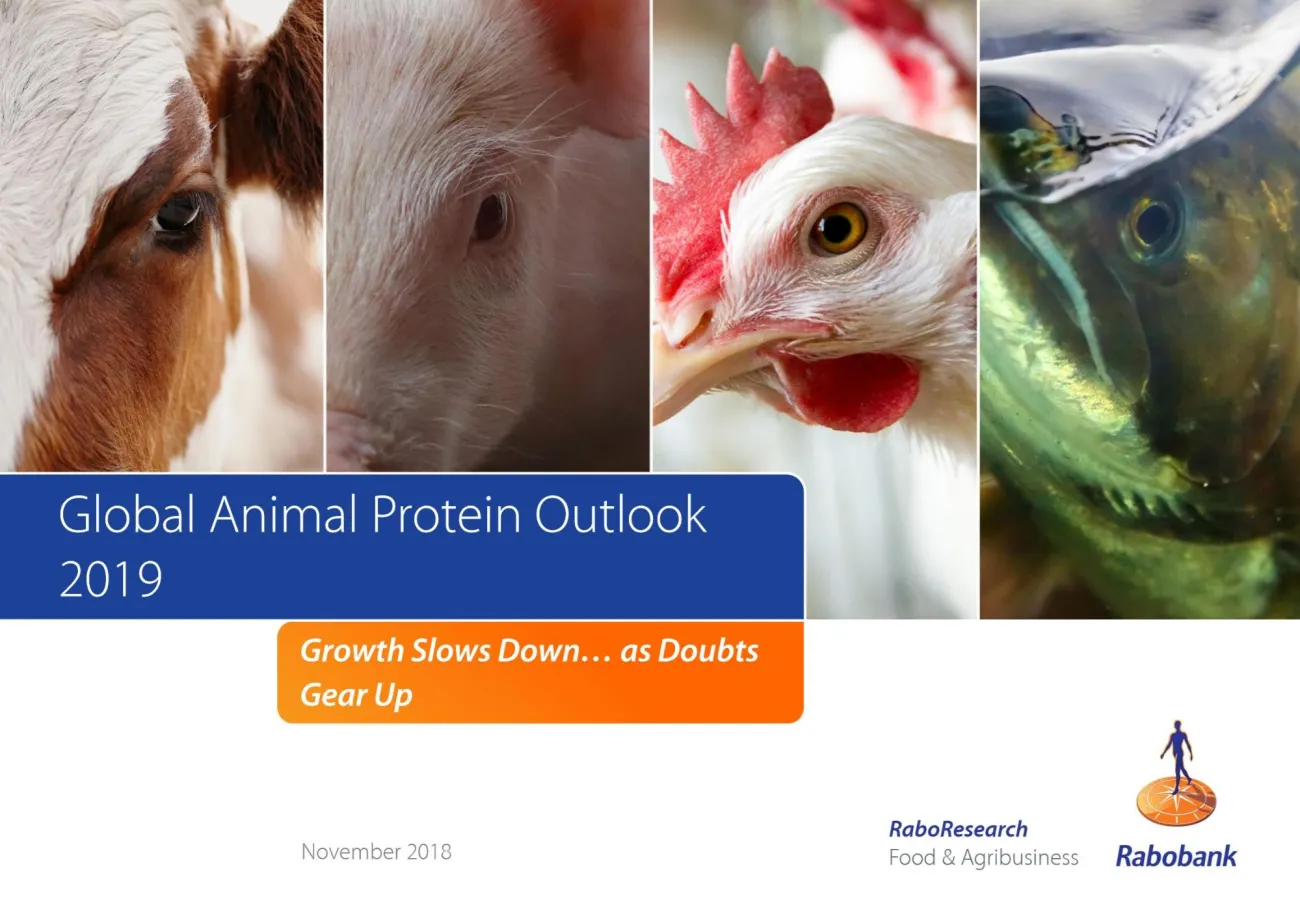
Image Reports Global animal protein outlook 2019 RaboResearch reviews the state of the global animal protein industry, predicting that production will grow in 2019 (albeit at a lower rate than 2018), except in China where production is expected to decline due to African swine fever. Read
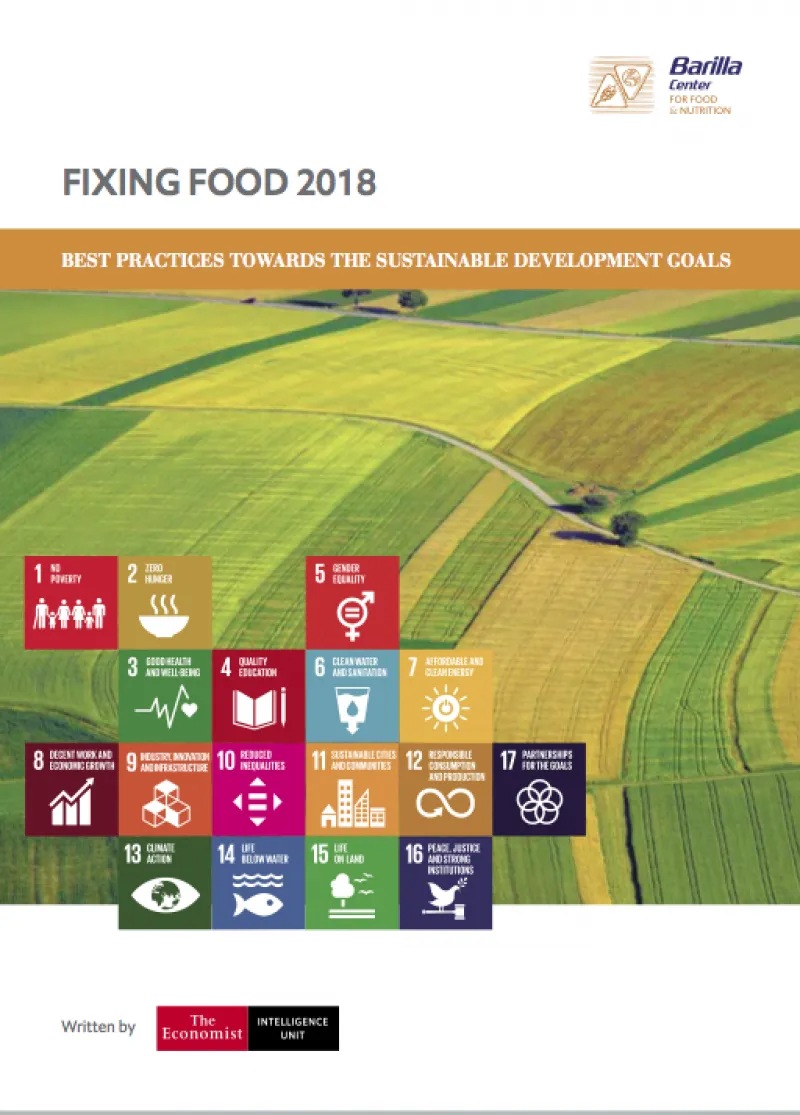
Image Reports Fixing food 2018 - Best practices towards the SDGs In this report, the Barilla Centre for Food & Nutrition uses findings from the Food Sustainability Index to investigate best practices in food sustainability, focusing on sustainable agriculture, nutritional challenges, and food loss and waste. Read
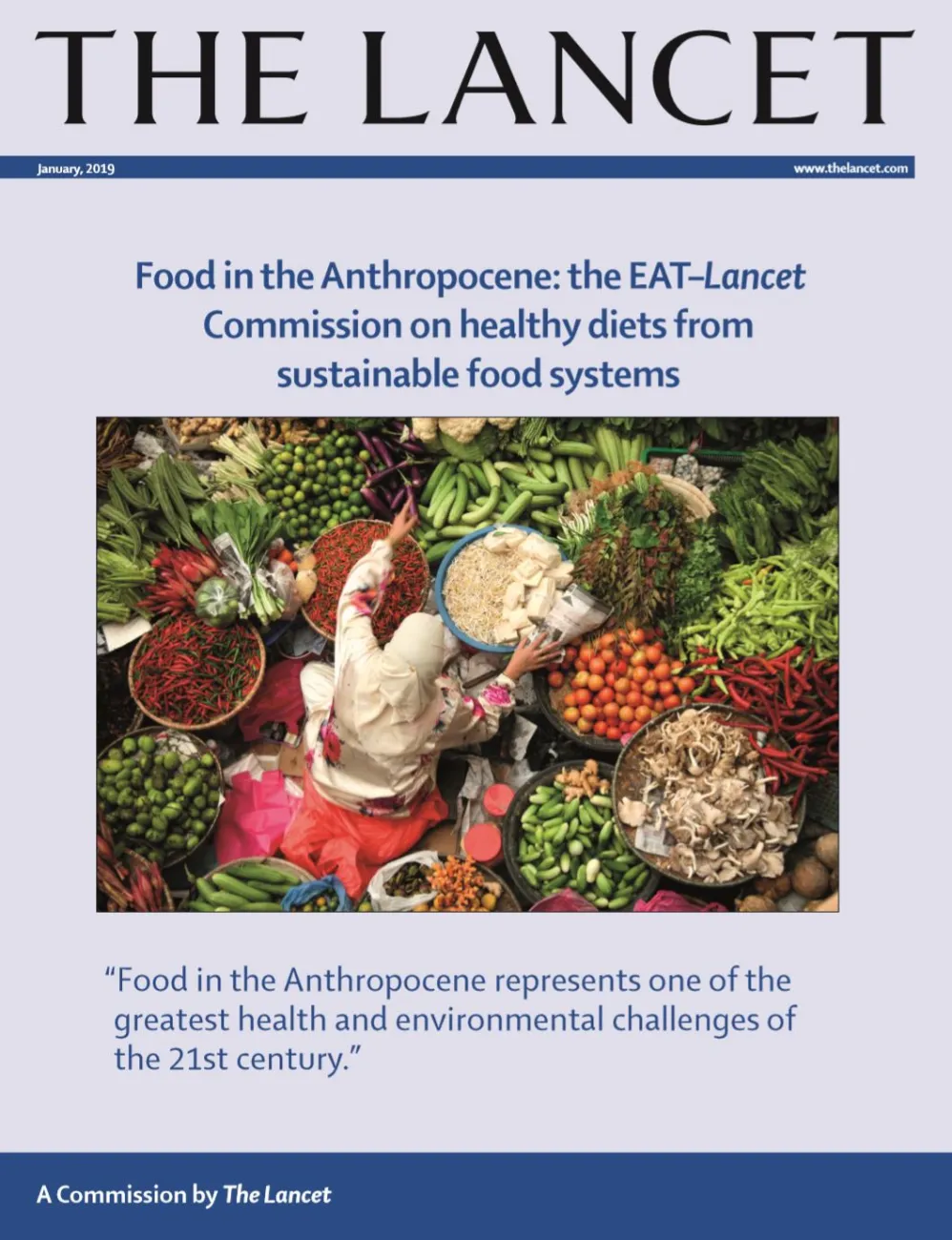
Image Reports EAT-Lancet: healthy diets from sustainable food systems The EAT-Lancet Commission sets out a “universal healthy reference diet” that it argues will allow the food system to remain within the planetary boundaries while feeding 10 billion people by 2050. The suggested diet includes a variety of plant-based foods and low amounts of animal-based foods. Read
Image Journal articles Assessing sustainable food security in the EU This paper, co-authored by FCRN member Monika Zurek, provides a process for assessing food system sustainability in the European Union across different dimensions and scales. The approach was developed as part of the Horizon2020 SUSFANS project. Read
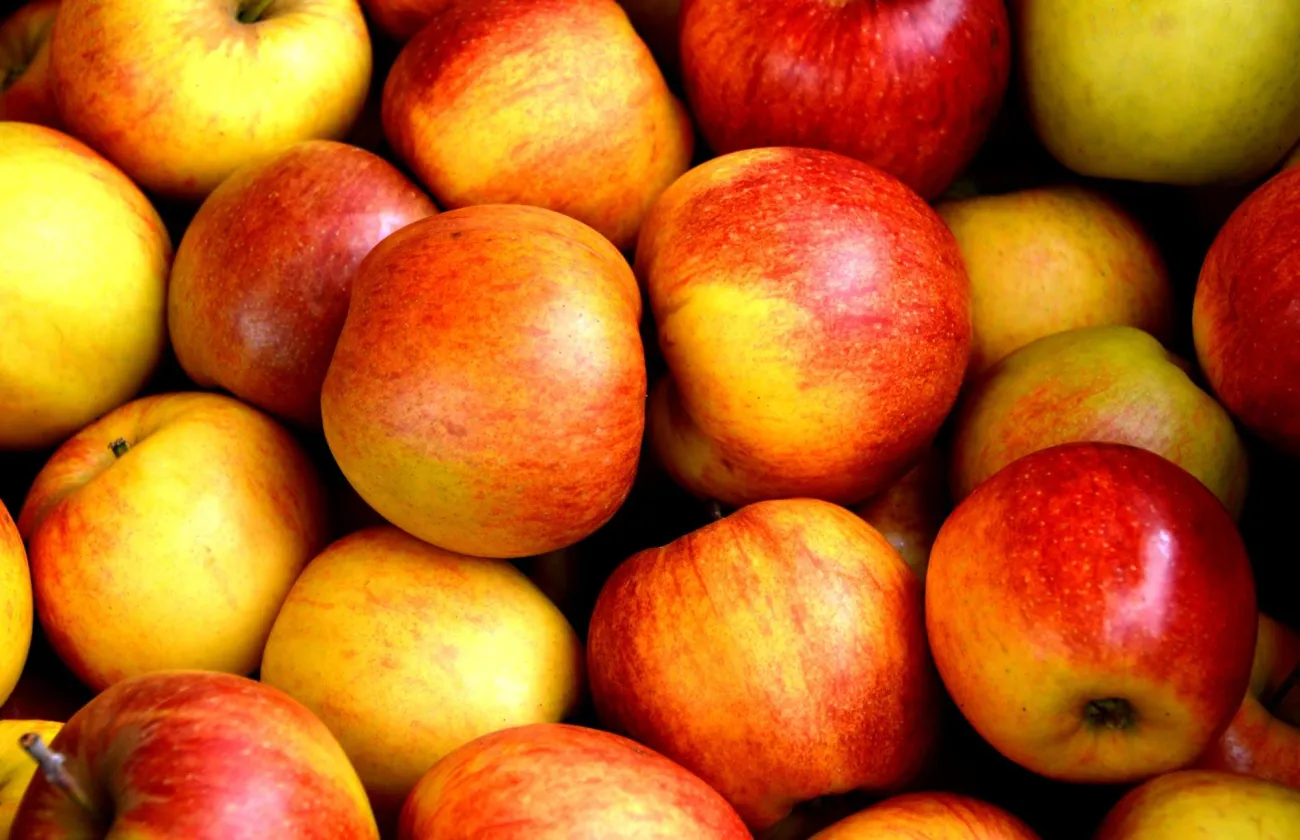
Image Journal articles Consumers underestimate food emissions People tend to underestimate the greenhouse gas emissions and energy use associated with different food types, according to this paper, but are likely to buy lower-emission food types when provided with information on greenhouse gas emissions. Read
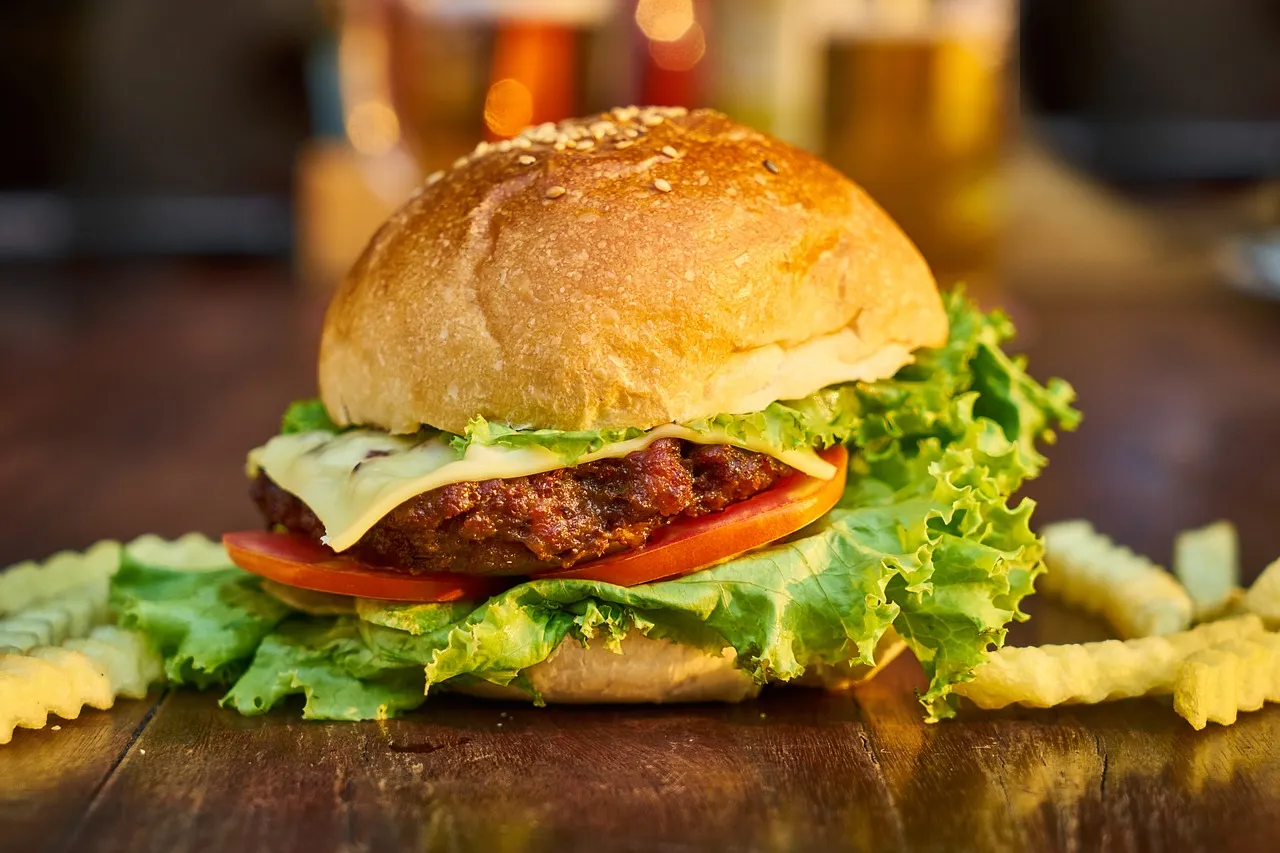
Image Journal articles The eco‐friendly burger? Cultured meat in context In this paper, FCRN member Hanna Tuomisto gives an overview of the process of growing cultured meat, current developments, its environmental impacts, technical challenges, and consumer perceptions. Read
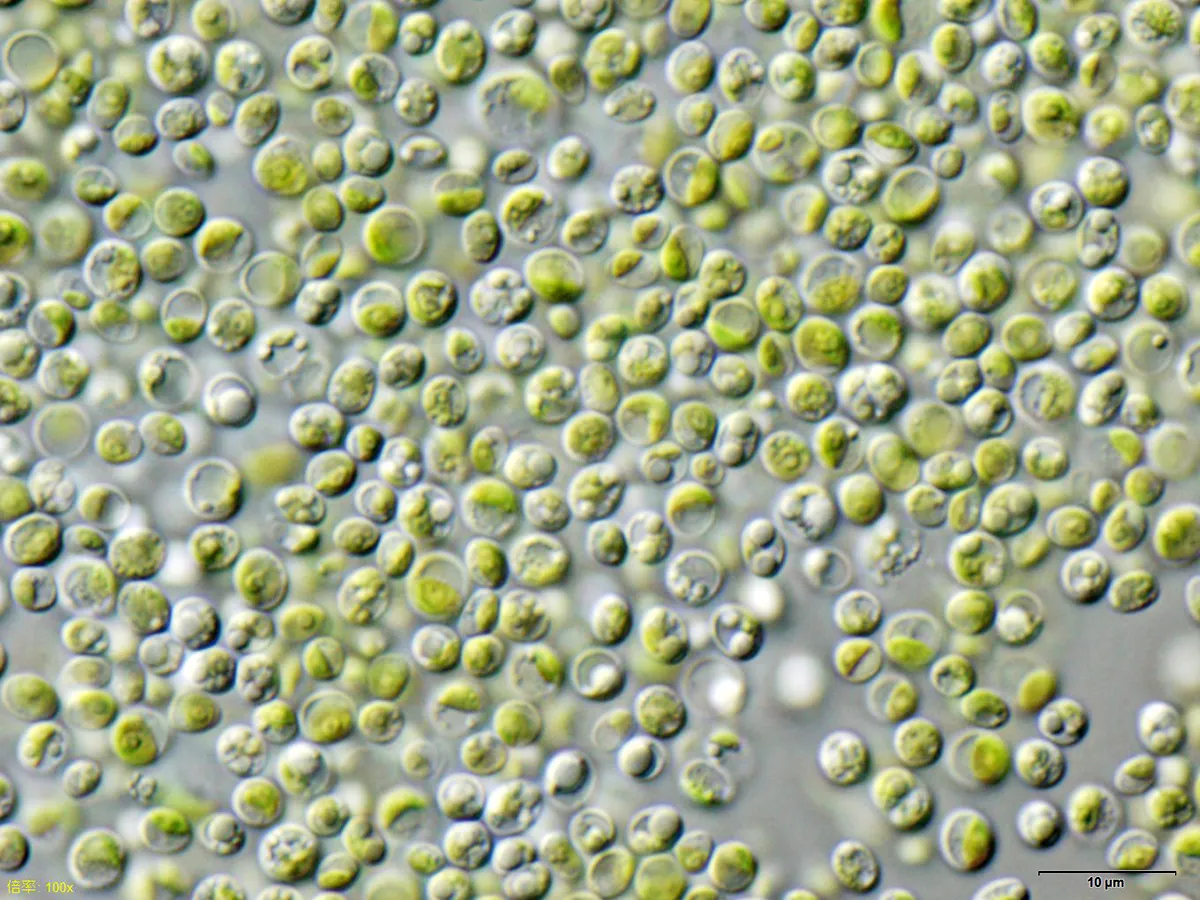
Image Journal articles The potential of future foods for sustainable and healthy diets Insects, seaweed, microalgae, cultured meat, mycoprotein and mussels are among the nine ‘future foods’ discussed in this paper, co-authored by FCRN members Hanna Tuomisto and Hannah van Zanten, which compares the nutritional profiles and environmental impacts of these foods with conventional plant- and animal-sourced foods. Read
Image News and resources New website: Agroecology Now! The Centre for Agroecology, Water and Resilience at Coventry University has launched a new website on agroecology, containing information about related projects, publications, policy statements and videos. Read
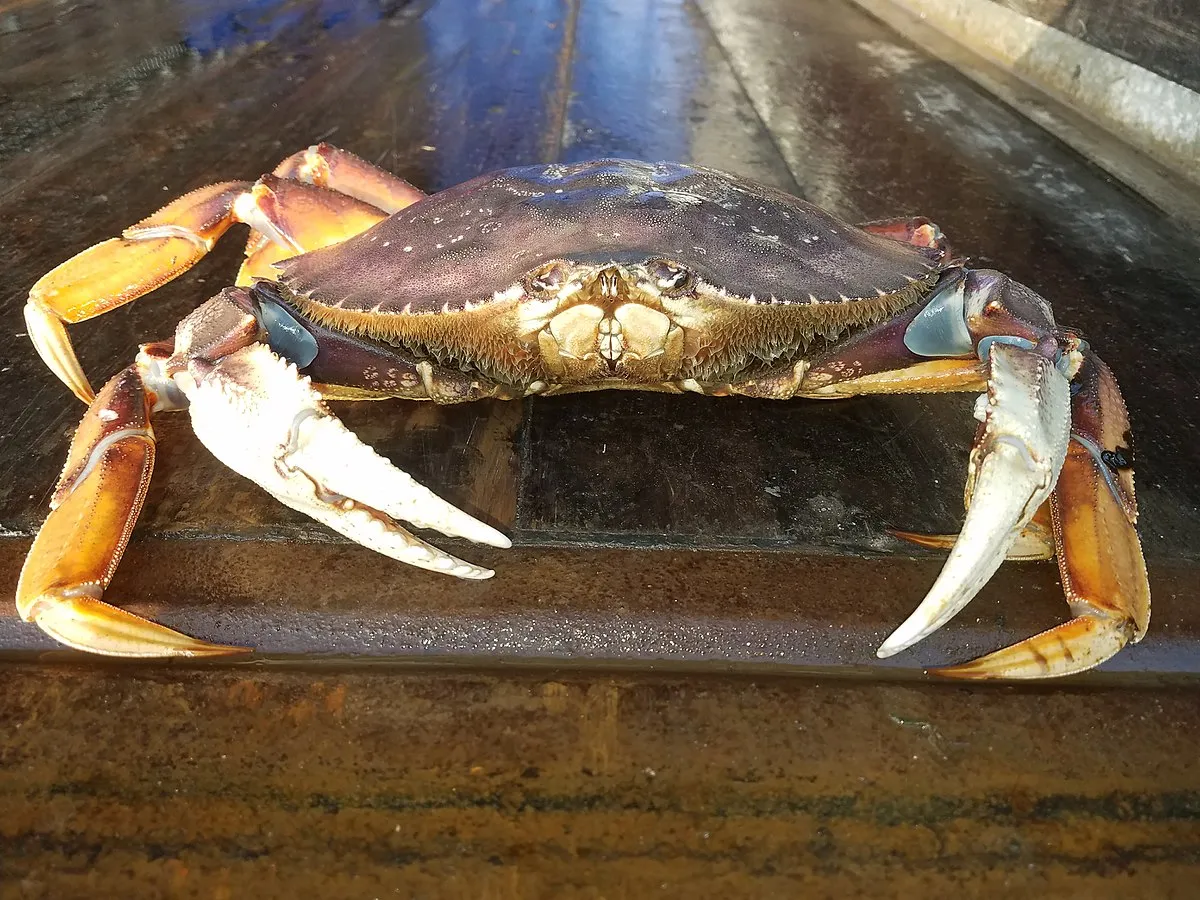
Image News and resources Crab fishers sue oil and gas firms over climate change The Pacific Coast Federation of Fishermen's Associations has taken legal action against 30 fossil fuel companies, arguing that the crab fishing industry is being harmed by climate change. Algal blooms, made more likely by warming ocean waters, have cut short crab fishing seasons. Read