Image Resources Our extensive research library contains thousands of summaries of journal articles, reports and news stories that can be searched by keyword and category RESOURCES CATEGORY Books Briefing paper Event recording Featured articles Featured report Game Journal articles News and resources Reports Think piece Video Working paper Workshop summary Year 2026 2025 2024 2023 2022 2021 2020 2019 2018 2017 2016 2015 2014 2013 2012 2011 2010 2009 2008 2007 2002 2001 Journal articles Environmental impacts of packaged foods FCRN member Ujué Fresán has co-authored this paper, which calculates the environmental impacts associated with the packaging of several breakfast foods (including orange juice, cereals and peanut butter). For each food product, significant differences in carbon footprint were found, depending on packaging size, packaging materials and brand. Packaging consistently accounted for a lower carbon footprint than production of the food item itself. Read Image Journal articles Animal product alternatives: An agenda for food tech justice This paper argues that animal product alternatives (including both plant-based products and cellular agriculture) are likely to be implemented within the current “corporate food regime” and may not be compatible with a food sovereignty perspective. However, it suggests that using a “food tech justice” lens could guide animal product alternatives towards a role in a food system that considers health, equity and sustainability. Read Image Featured articles Making sense of making meat: Cellular agriculture This paper, co-authored by FCRN member Alexandra Sexton (who is part of Oxford’s Livestock, Environment and People project), identifies key moments in the field of cellular agriculture from the past two decades. The first wave of largely university-based research lasted until the 2013 presentation of the cultured burger created at Maastricht University, while the second wave has seen the emergence of a start-up culture. Read Image News and resources UK supermarkets sign pledge to halve food waste Over 100 food organisations, including many supermarkets, have signed the “Step up to the Plate” pledge (organised by the UK’s Department for Environment, Food and Rural Affairs) to halve food waste by 2030, support a week of action in November 2019, empower citizens and change their individual habits so as to reduce food waste. Read Image News and resources Opinion: Can your burger really save the planet? This opinion piece in YES! Magazine, written by Stephanie Feldstein (population and sustainability director at the Centre for Biological Diversity), uses the case of plant-based burgers to explore the tensions between personal environmental actions, industry actions and systemic change. Read Image Books The biology of agroecosystems This book, by Nicola Randall and Barbara Smith, provides a summary of agricultural ecosystems around the world and uses case studies to illustrate the biological issues and solutions associated with several types of farming system. Read Image Books Advances in food security and sustainability, Volume 4 This book, edited by David Barling and Jessica Fanzo, explores challenges related to protecting environmental resources while also meeting human nutritional requirements, covering a wide range of subjects relating to food security and sustainability. Read Image Reports Transition to an Irish vegan agricultural system This report by James O’Donovan, chair of the Cork Environmental Forum, outlines the potential environmental, social, and economic benefits of a transition to a vegan agricultural system in Ireland. Read Image Reports The role of government in transforming the food system This report from UK animal welfare organisation Compassion in World Farming sets out its vision of how the UK government can contribute to making the food system more “nourishing, sustainable, equitable and humane”. Read VIEW MORE
Journal articles Environmental impacts of packaged foods FCRN member Ujué Fresán has co-authored this paper, which calculates the environmental impacts associated with the packaging of several breakfast foods (including orange juice, cereals and peanut butter). For each food product, significant differences in carbon footprint were found, depending on packaging size, packaging materials and brand. Packaging consistently accounted for a lower carbon footprint than production of the food item itself. Read
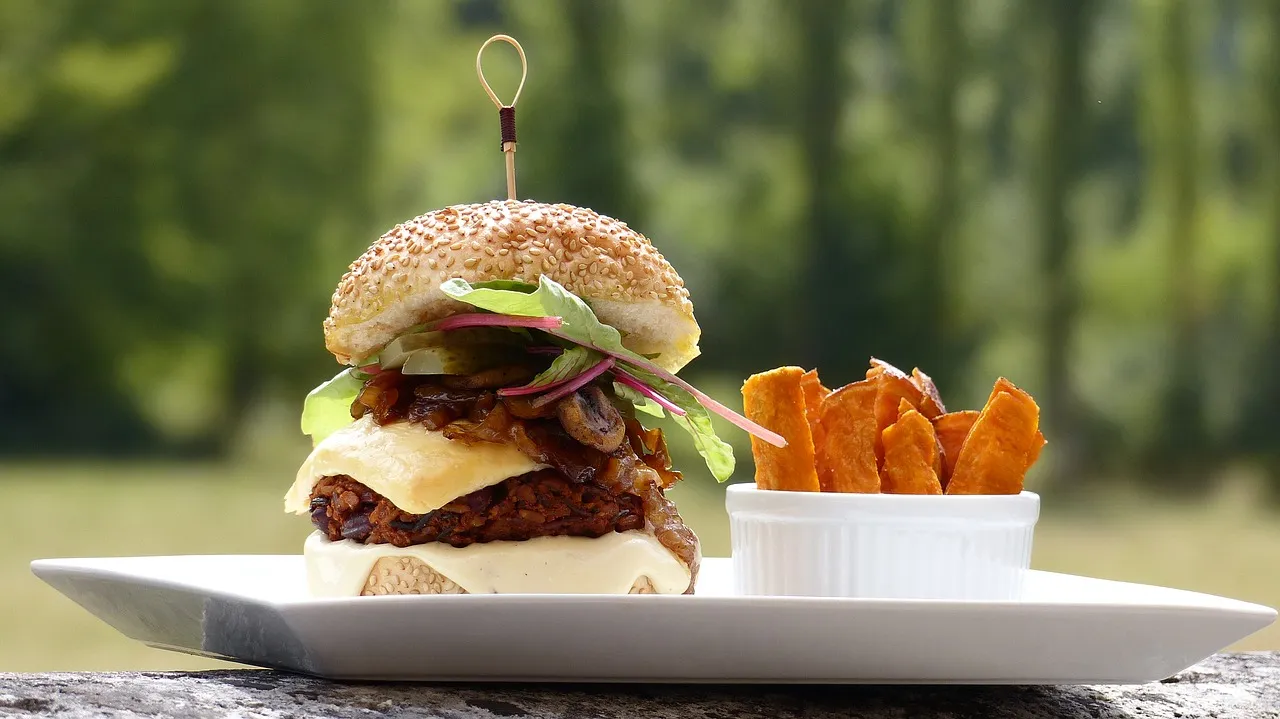
Image Journal articles Animal product alternatives: An agenda for food tech justice This paper argues that animal product alternatives (including both plant-based products and cellular agriculture) are likely to be implemented within the current “corporate food regime” and may not be compatible with a food sovereignty perspective. However, it suggests that using a “food tech justice” lens could guide animal product alternatives towards a role in a food system that considers health, equity and sustainability. Read
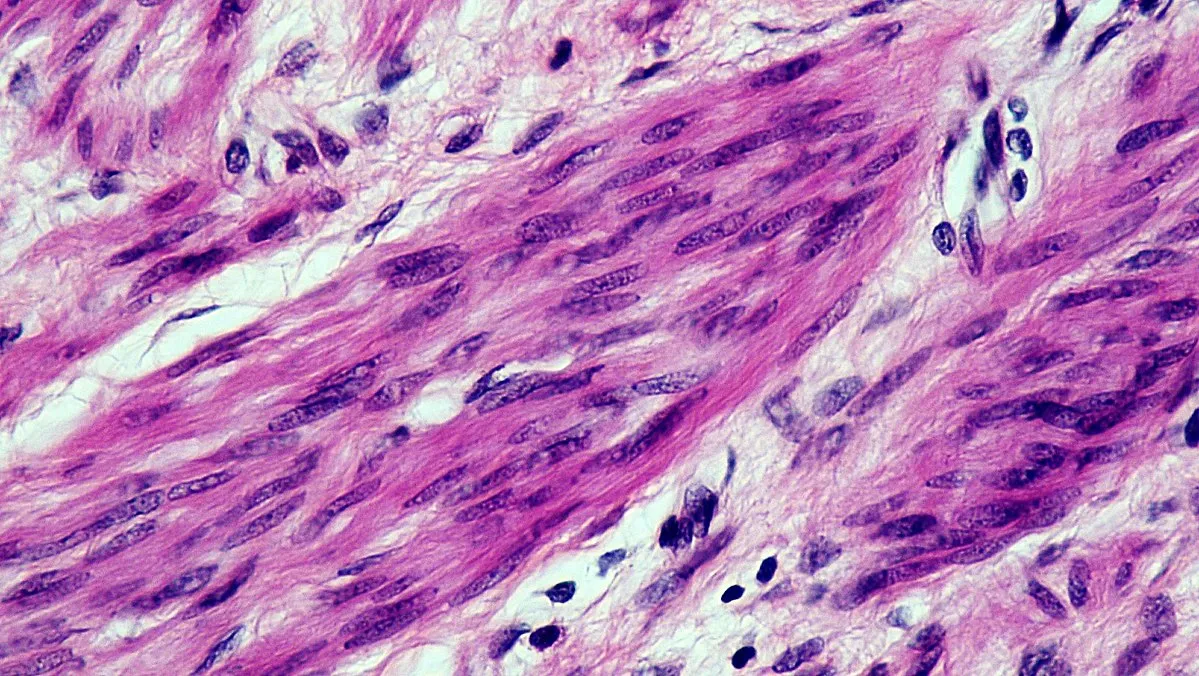
Image Featured articles Making sense of making meat: Cellular agriculture This paper, co-authored by FCRN member Alexandra Sexton (who is part of Oxford’s Livestock, Environment and People project), identifies key moments in the field of cellular agriculture from the past two decades. The first wave of largely university-based research lasted until the 2013 presentation of the cultured burger created at Maastricht University, while the second wave has seen the emergence of a start-up culture. Read
Image News and resources UK supermarkets sign pledge to halve food waste Over 100 food organisations, including many supermarkets, have signed the “Step up to the Plate” pledge (organised by the UK’s Department for Environment, Food and Rural Affairs) to halve food waste by 2030, support a week of action in November 2019, empower citizens and change their individual habits so as to reduce food waste. Read
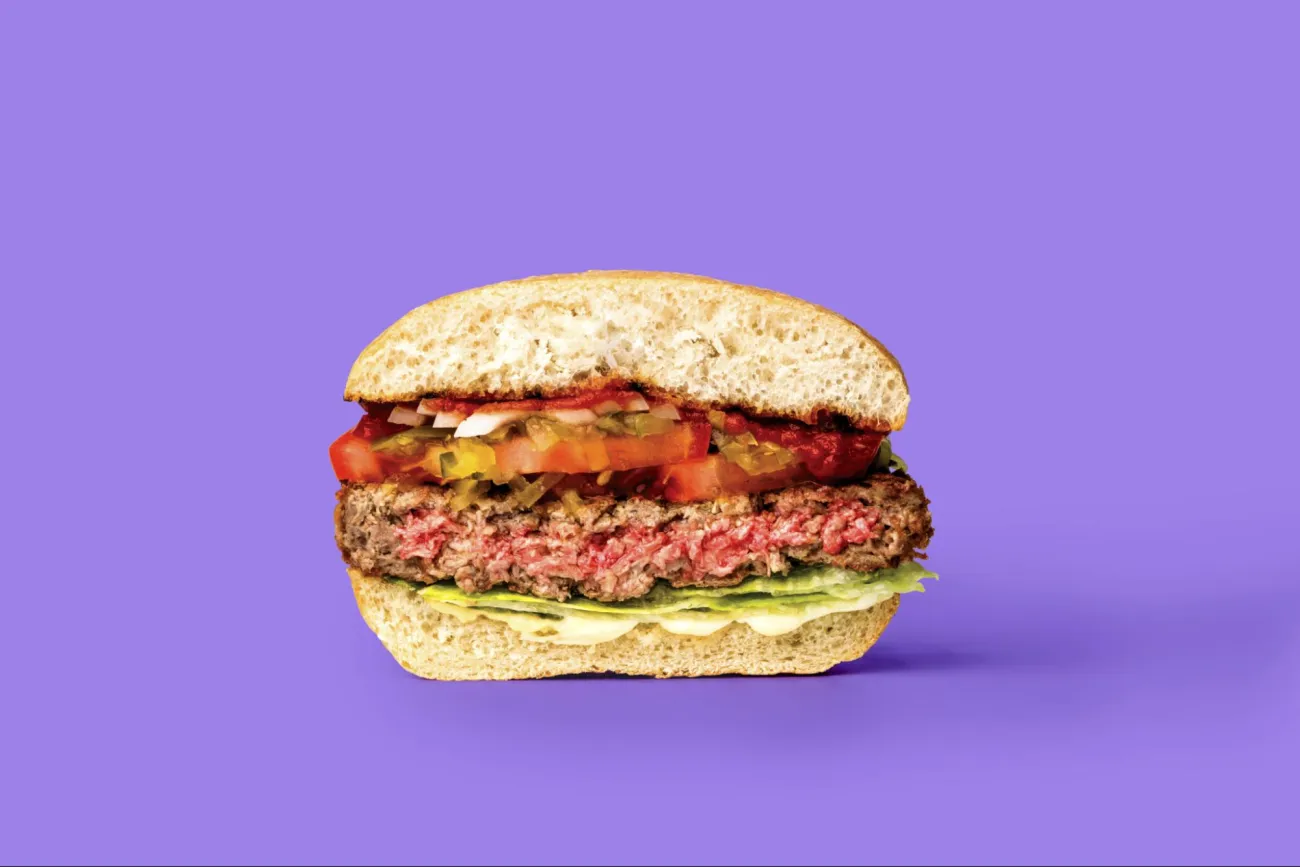
Image News and resources Opinion: Can your burger really save the planet? This opinion piece in YES! Magazine, written by Stephanie Feldstein (population and sustainability director at the Centre for Biological Diversity), uses the case of plant-based burgers to explore the tensions between personal environmental actions, industry actions and systemic change. Read
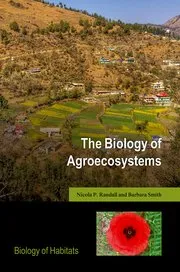
Image Books The biology of agroecosystems This book, by Nicola Randall and Barbara Smith, provides a summary of agricultural ecosystems around the world and uses case studies to illustrate the biological issues and solutions associated with several types of farming system. Read
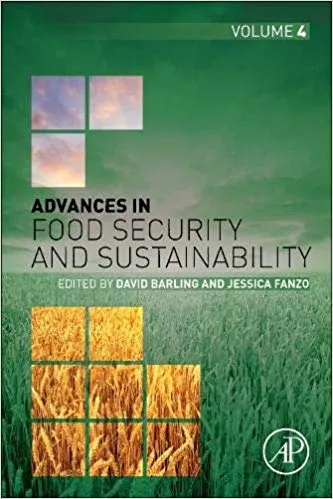
Image Books Advances in food security and sustainability, Volume 4 This book, edited by David Barling and Jessica Fanzo, explores challenges related to protecting environmental resources while also meeting human nutritional requirements, covering a wide range of subjects relating to food security and sustainability. Read
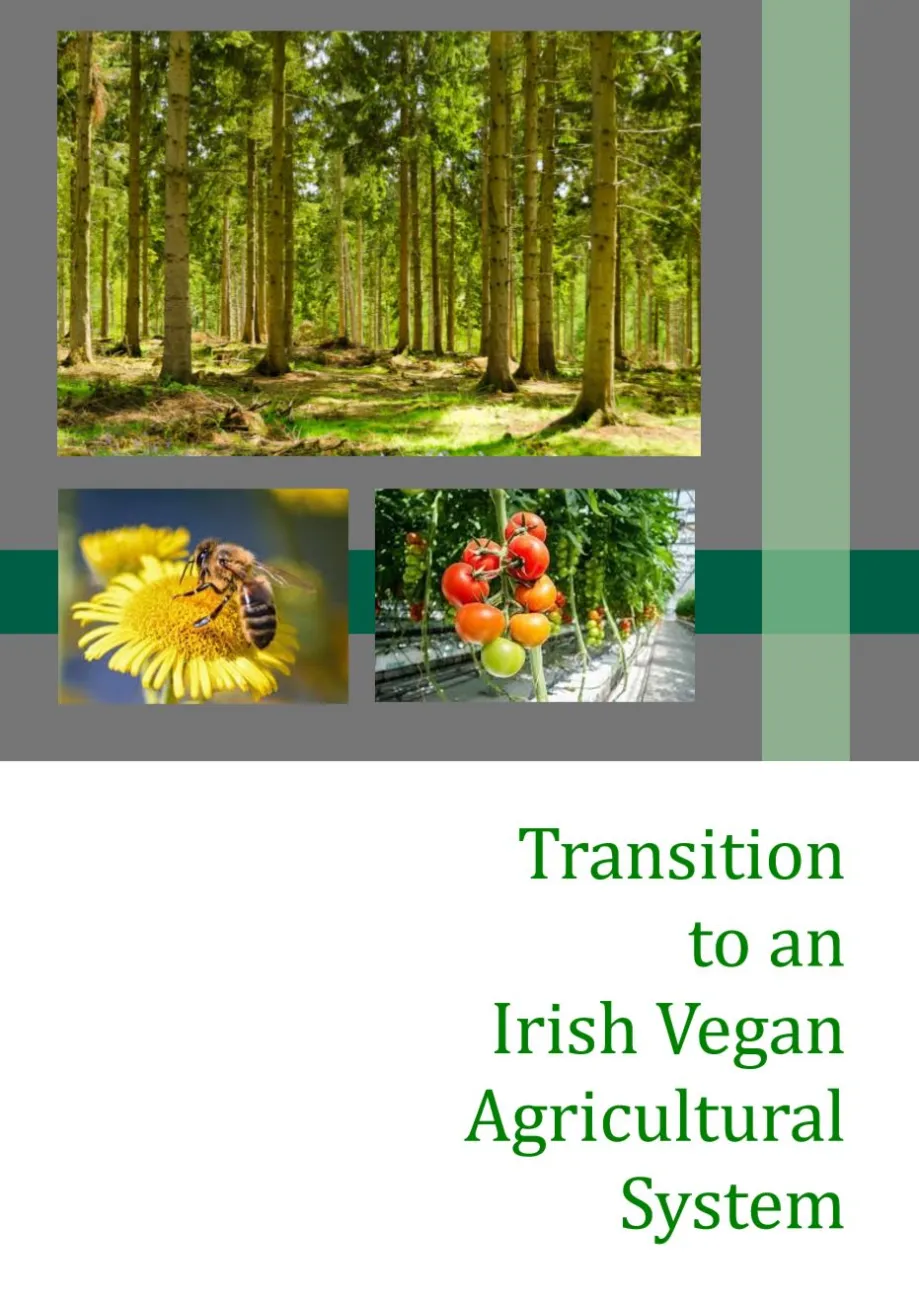
Image Reports Transition to an Irish vegan agricultural system This report by James O’Donovan, chair of the Cork Environmental Forum, outlines the potential environmental, social, and economic benefits of a transition to a vegan agricultural system in Ireland. Read
Image Reports The role of government in transforming the food system This report from UK animal welfare organisation Compassion in World Farming sets out its vision of how the UK government can contribute to making the food system more “nourishing, sustainable, equitable and humane”. Read