Image Resources Our extensive research library contains thousands of summaries of journal articles, reports and news stories that can be searched by keyword and category RESOURCES CATEGORY Books Briefing paper Event recording Featured articles Featured report Game Journal articles News and resources Reports Think piece Video Working paper Workshop summary Year 2026 2025 2024 2023 2022 2021 2020 2019 2018 2017 2016 2015 2014 2013 2012 2011 2010 2009 2008 2007 2002 2001 Image Books Industry strategies for healthy diets and sustainability This book explores how the design of new food products can contribute to healthy diets and discusses the role of the food industry and government in shaping health policies. Read Image Reports Use and misuse of UK soil and land to grow sugar beet This report from UK food waste charity Feedback examines the impacts of UK sugar production. It finds that the area of farmland used to produce sugar beet in the UK - 110,000 hectares - is similar to the area devoted to UK vegetable production. The report argues that sugar beet harvesting is damaging to the soil. Read Image Reports Catering to the climate: Earth-friendly menus at events This report from the US nonprofit Centre for Biological Diversity quantifies the environmental impacts (climate, habitat loss and water use) of caterers or events planners switching from a “conventional American dining menu” (including dairy, beef and other meats) to a mostly plant-based alternative menu. Read Image Reports Impacts of N2Africa project in Ghana and Ethiopia This paper from the UK’s Institute of Development Studies analyses how the project N2Africa: Putting nitrogen fixation to work for smallholder farmers in Africa has contributed to development outcomes in Ghana and Ethiopia. Read Image Journal articles Restaurants, sweets and alcohol drive Japanese food GHGs FCRN member Christian Reynolds has co-authored this paper, which finds that in Japan, differences in the carbon footprint of household food consumption are driven by what the paper describes as “unexpected” food categories: the households with higher food carbon footprints spend more on restaurant food, fish, vegetables, alcohol and confectionary. Read Image Featured articles The Lancet Series on the double burden of malnutrition The Lancet and the World Health Organisation have produced a series on the double burden of malnutrition and how it affects low- and middle-income countries. The double burden of malnutrition refers to the simultaneous presence of overnutrition (e.g. overweight and obesity) and undernutrition (e.g. stunting and wasting) in a country, city, community or person. Read Image News and resources The Changing Room: A podcast about coping with change The Centre for Agroecology, Water and Resilience (CAWR) at Coventry University has launched a new podcast series, The Changing Room, which will explore how to cope with social, economic and environmental change. The first episode explores how climate change is affecting our everyday lives. The second episode, which will be released in January 2020, will discuss food justice. Read Image News and resources Film: Our seeds - central to food, life and culture In this film by research and communications project Agroecology Now! farmers from Lower Dzongu, Sikkim, India discuss the importance of traditional seeds for food, life and culture and their plans to establish a community seed bank to help maintain and revive traditional seeds. Farmers will be able to “borrow” seeds of local varieties from the seed bank, grow them and then return a greater number of seeds to the seed bank. Read Image News and resources Data visualisation: Sustainable Intensification Tracker The US think tank Breakthrough Institute has created an interactive series of graphs to visualise how the environmental impact of farming in the United States has changed over time, covering land use, nitrogen loss, water, herbicides, soil erosion, greenhouse gas emissions and spending on research and development. Read VIEW MORE
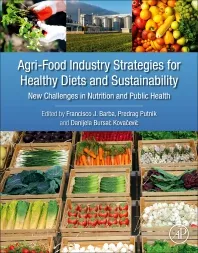
Image Books Industry strategies for healthy diets and sustainability This book explores how the design of new food products can contribute to healthy diets and discusses the role of the food industry and government in shaping health policies. Read
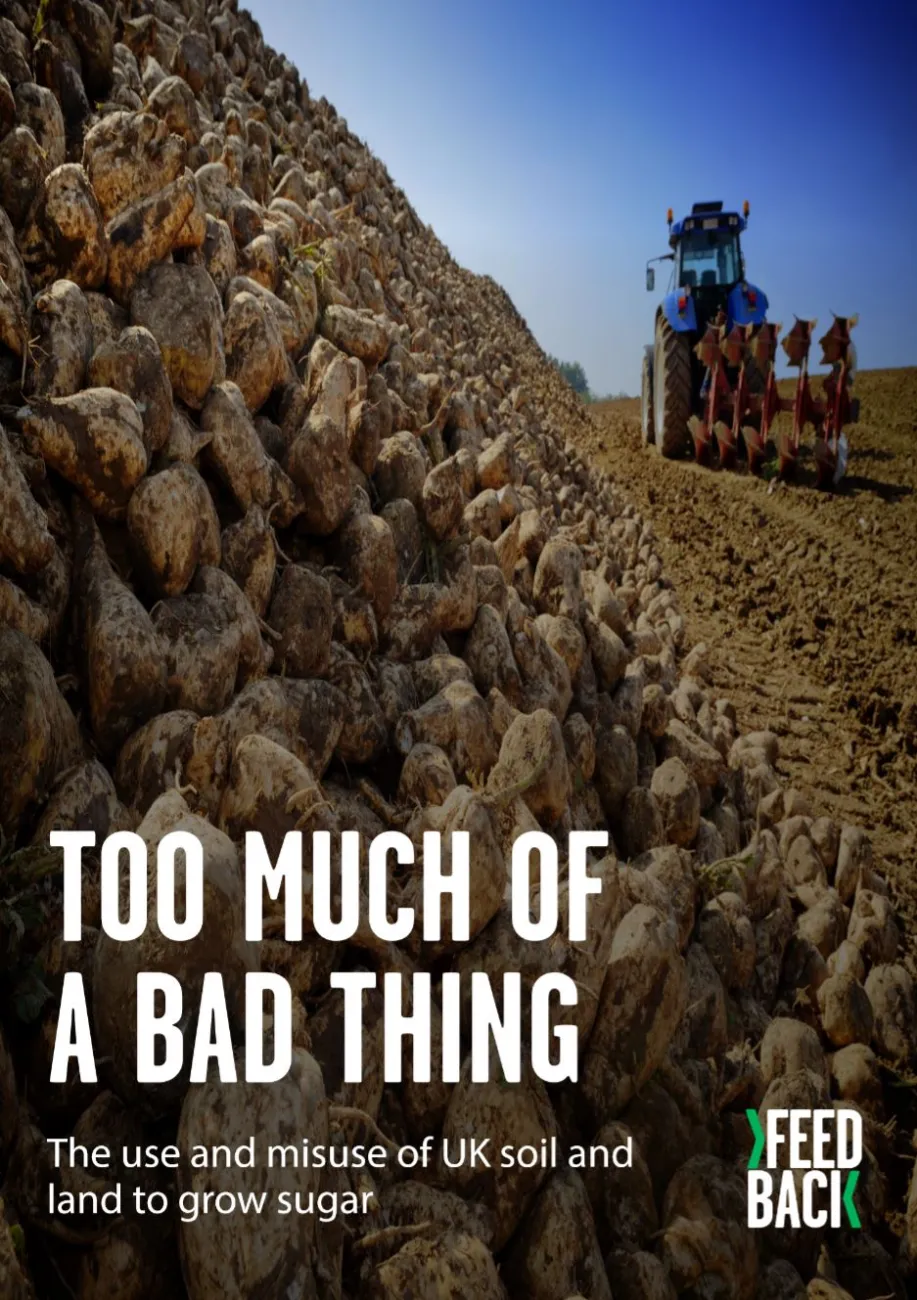
Image Reports Use and misuse of UK soil and land to grow sugar beet This report from UK food waste charity Feedback examines the impacts of UK sugar production. It finds that the area of farmland used to produce sugar beet in the UK - 110,000 hectares - is similar to the area devoted to UK vegetable production. The report argues that sugar beet harvesting is damaging to the soil. Read
Image Reports Catering to the climate: Earth-friendly menus at events This report from the US nonprofit Centre for Biological Diversity quantifies the environmental impacts (climate, habitat loss and water use) of caterers or events planners switching from a “conventional American dining menu” (including dairy, beef and other meats) to a mostly plant-based alternative menu. Read
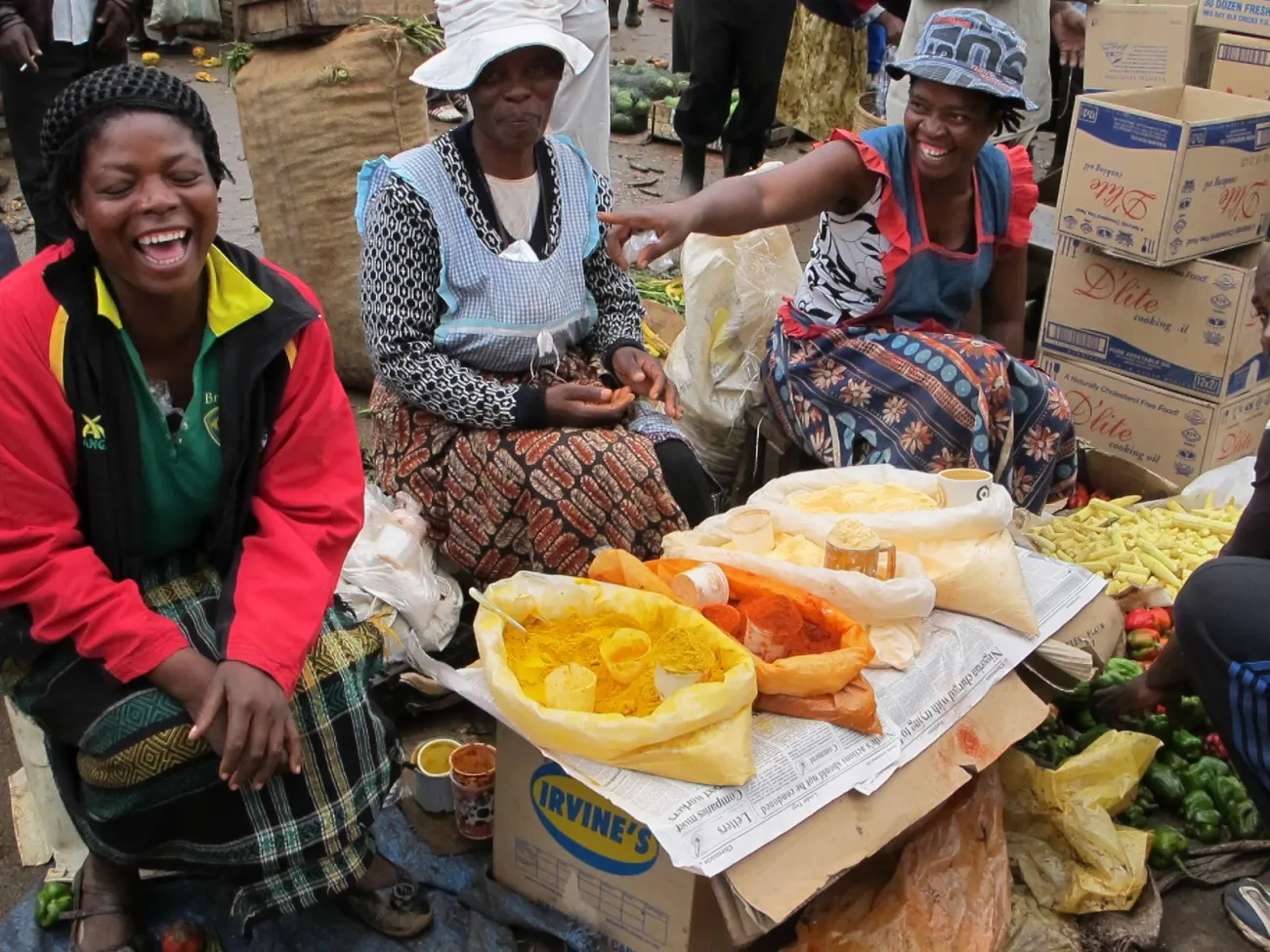
Image Reports Impacts of N2Africa project in Ghana and Ethiopia This paper from the UK’s Institute of Development Studies analyses how the project N2Africa: Putting nitrogen fixation to work for smallholder farmers in Africa has contributed to development outcomes in Ghana and Ethiopia. Read
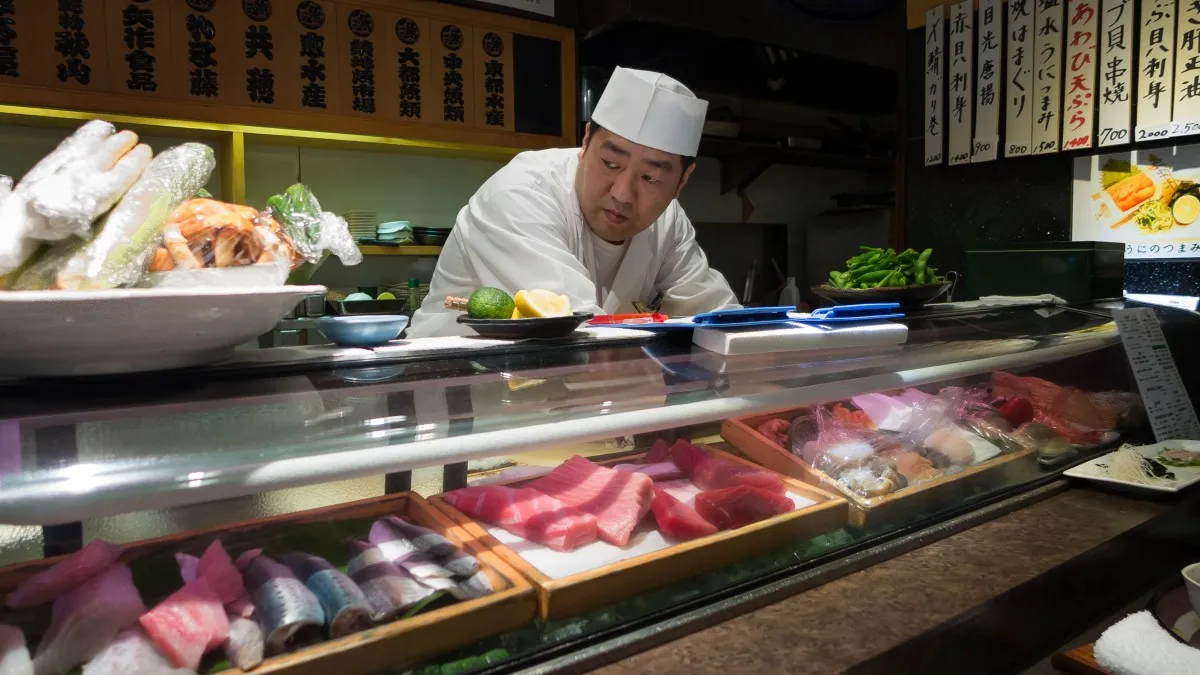
Image Journal articles Restaurants, sweets and alcohol drive Japanese food GHGs FCRN member Christian Reynolds has co-authored this paper, which finds that in Japan, differences in the carbon footprint of household food consumption are driven by what the paper describes as “unexpected” food categories: the households with higher food carbon footprints spend more on restaurant food, fish, vegetables, alcohol and confectionary. Read
Image Featured articles The Lancet Series on the double burden of malnutrition The Lancet and the World Health Organisation have produced a series on the double burden of malnutrition and how it affects low- and middle-income countries. The double burden of malnutrition refers to the simultaneous presence of overnutrition (e.g. overweight and obesity) and undernutrition (e.g. stunting and wasting) in a country, city, community or person. Read
Image News and resources The Changing Room: A podcast about coping with change The Centre for Agroecology, Water and Resilience (CAWR) at Coventry University has launched a new podcast series, The Changing Room, which will explore how to cope with social, economic and environmental change. The first episode explores how climate change is affecting our everyday lives. The second episode, which will be released in January 2020, will discuss food justice. Read
Image News and resources Film: Our seeds - central to food, life and culture In this film by research and communications project Agroecology Now! farmers from Lower Dzongu, Sikkim, India discuss the importance of traditional seeds for food, life and culture and their plans to establish a community seed bank to help maintain and revive traditional seeds. Farmers will be able to “borrow” seeds of local varieties from the seed bank, grow them and then return a greater number of seeds to the seed bank. Read
Image News and resources Data visualisation: Sustainable Intensification Tracker The US think tank Breakthrough Institute has created an interactive series of graphs to visualise how the environmental impact of farming in the United States has changed over time, covering land use, nitrogen loss, water, herbicides, soil erosion, greenhouse gas emissions and spending on research and development. Read