Image Resources Our extensive research library contains thousands of summaries of journal articles, reports and news stories that can be searched by keyword and category RESOURCES CATEGORY Books Briefing paper Event recording Featured articles Featured report Game Journal articles News and resources Reports Think piece Video Working paper Workshop summary Year 2026 2025 2024 2023 2022 2021 2020 2019 2018 2017 2016 2015 2014 2013 2012 2011 2010 2009 2008 2007 2002 2001 Image Books Water for food security, nutrition and social justice This book reframes the debate around water and food security, focusing on the rights of marginalised people instead of only discussing irrigated agriculture. Read Image Books Immigration, race, and the struggle for sustainability This book describes the experiences of a growing minority of Latino/a immigrant farm owners in the United States. According to the book, many of these people use farming practices from their home countries, such as growing several crops at the same time or using integrated pest management. Read Image Reports Climate change likely to stress Canadian food system This report from Dalhousie University and the University of Guelph tracks changes in food prices in Canada. It finds that prices in some food categories were impacted by environmental events, including an unexpected 5% increase in fish prices due to warming oceans. It also predicts that consumers will put strong pressure on food producers to avoid single-use plastic packaging, and that the Canadian food system is likely to be stressed by climate change, such as through droughts, forest fires and heavy precipitation. Read Image Reports UK food shoppers care about ethical and sustainable food This report by Lloyd’s Register (a UK-based provider of professional services for engineering) surveyed 1000 UK shoppers. It finds that one in three shoppers are concerned about food safety, only 19% are very confident that the vegetarian or vegan food they eat does not contain meat, nearly two thirds of people sometimes check the country of origin of food they buy, and 85% of shoppers think it is fairly or very important for supermarkets to source their products ethically and sustainably. Read Image Reports Shifting to diversified agroecological systems in China This report from the Centre for Agroecology, Water and Resilience (CAWR) at Coventry University examines how farming in China can move away from a dependence on “industrial agriculture” (defined here as excessive and inefficient use of fertilisers and pesticides) towards agroecological systems (including practices such as lower stocking densities, using manure instead of synthetic fertilisers, growing diverse crops and using soil-building techniques). Read Image Reports Tripling Africa’s cereal production with low emissions This briefing from the CGIAR Research Program on Climate Change, Agriculture and Food Security (CCAFS) notes that demand for five cereals in sub-Saharan Africa is set to almost triple by 2050. It argues that it is possible for the region to be self-sufficient in cereals by 2050 using only the current area of cereal farmland, but that this requires significantly higher fertiliser use. To keep greenhouse gas emissions to the minimum possible will require suitable crop varieties, careful nutrient management, optimum planting densities and protection of crops against weeds, pests and diseases. Read Image Journal articles Clarifying Amazonia's burning crisis This piece examines the data behind forest fires in Brazil, which attracted international attention during the summer of 2019. It concludes that the number of fires in August 2019 was nearly three times higher than in August 2018, and that the extent of deforestation was the highest since 2008, thus refuting the Brazilian government’s claim that August 2019 was “normal” for deforestation. Some contributors to the piece declined to be listed as authors so that they could stay anonymous. Read Image Journal articles Agricultural development can cut food waste and emissions This paper studies the impacts of several agricultural development projects (by USAID’s Feed the Future initiative) that aimed to tackle food loss and waste (FLW), finding that the interventions could reduce greenhouse gas emissions per unit of food produced. Read Image Featured articles Carbon neutral expansion of oil palm plantations According to this study of oil palm plantations in Colombia, converting pasture to oil palm plantation is almost carbon neutral, because declines in soil organic carbon are offset by gains in oil palm biomass over a period of several decades. The authors argue that planting oil palm on former pasture land is preferable to converting rainforest to plantations, as regards greenhouse gas emissions. Read VIEW MORE
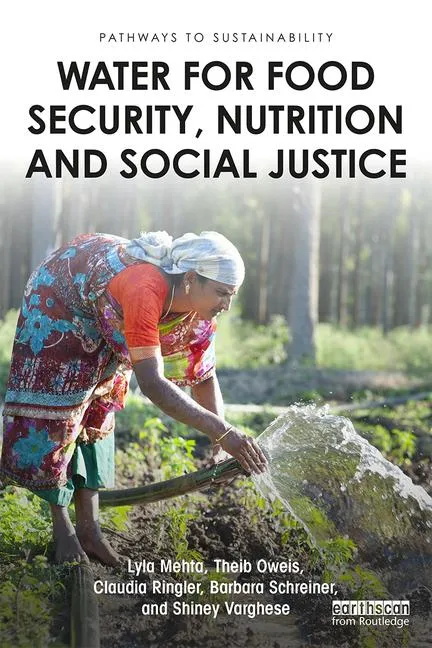
Image Books Water for food security, nutrition and social justice This book reframes the debate around water and food security, focusing on the rights of marginalised people instead of only discussing irrigated agriculture. Read
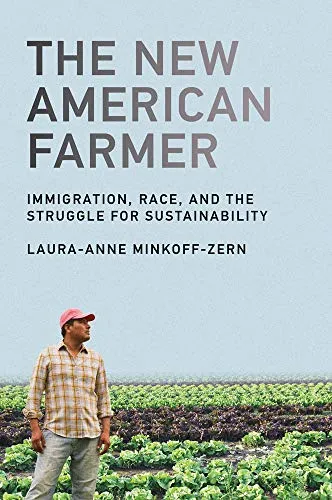
Image Books Immigration, race, and the struggle for sustainability This book describes the experiences of a growing minority of Latino/a immigrant farm owners in the United States. According to the book, many of these people use farming practices from their home countries, such as growing several crops at the same time or using integrated pest management. Read
Image Reports Climate change likely to stress Canadian food system This report from Dalhousie University and the University of Guelph tracks changes in food prices in Canada. It finds that prices in some food categories were impacted by environmental events, including an unexpected 5% increase in fish prices due to warming oceans. It also predicts that consumers will put strong pressure on food producers to avoid single-use plastic packaging, and that the Canadian food system is likely to be stressed by climate change, such as through droughts, forest fires and heavy precipitation. Read
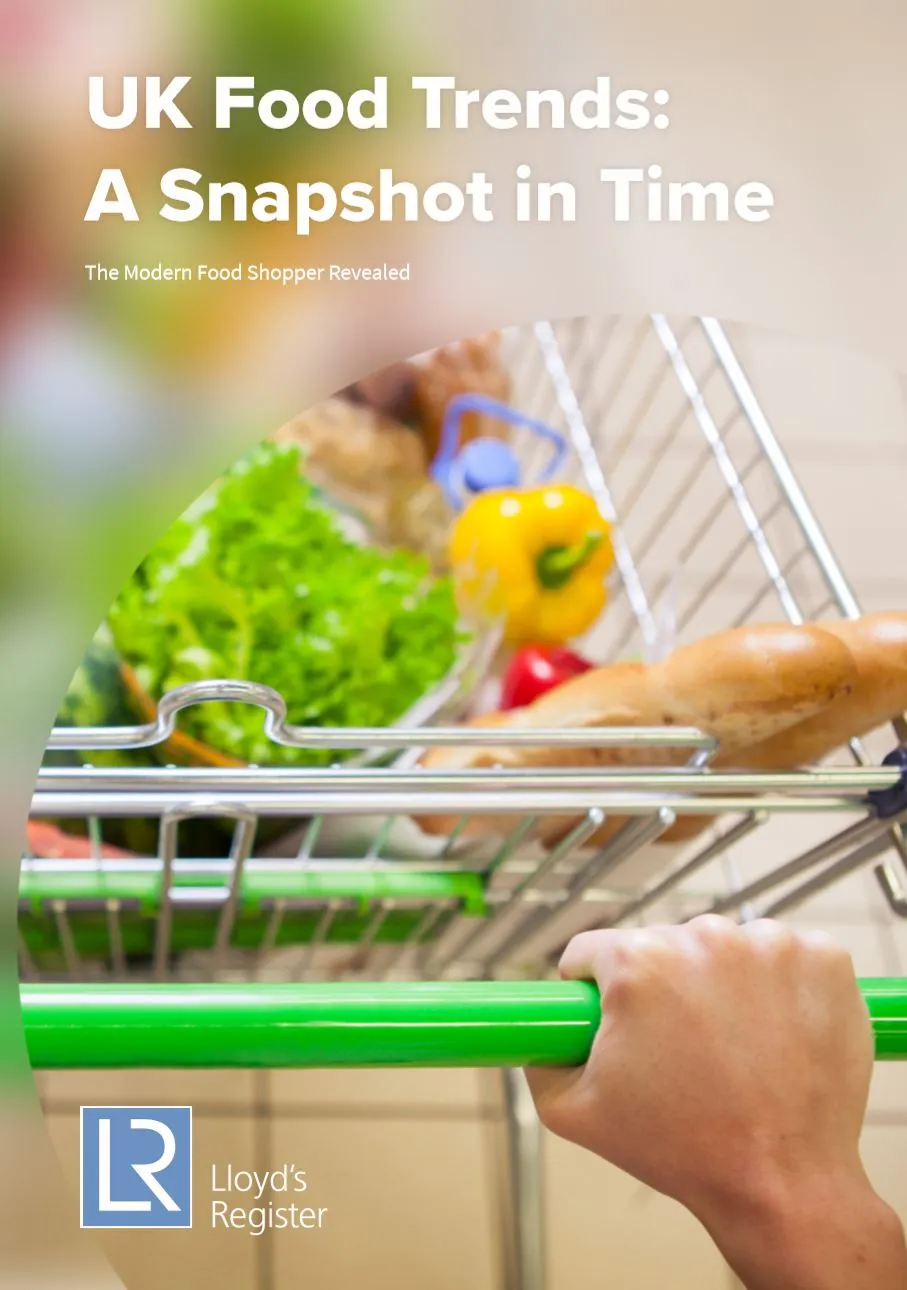
Image Reports UK food shoppers care about ethical and sustainable food This report by Lloyd’s Register (a UK-based provider of professional services for engineering) surveyed 1000 UK shoppers. It finds that one in three shoppers are concerned about food safety, only 19% are very confident that the vegetarian or vegan food they eat does not contain meat, nearly two thirds of people sometimes check the country of origin of food they buy, and 85% of shoppers think it is fairly or very important for supermarkets to source their products ethically and sustainably. Read
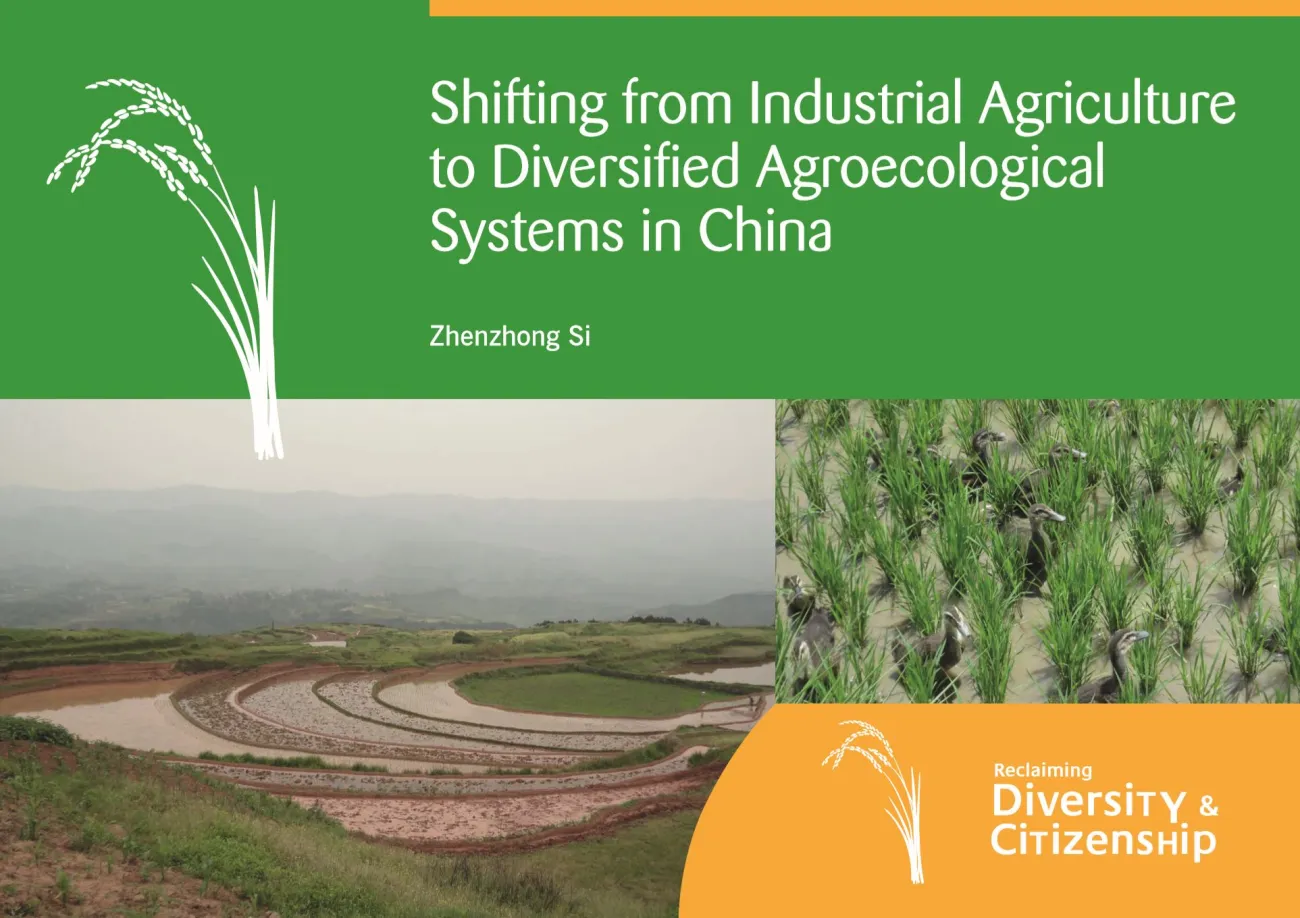
Image Reports Shifting to diversified agroecological systems in China This report from the Centre for Agroecology, Water and Resilience (CAWR) at Coventry University examines how farming in China can move away from a dependence on “industrial agriculture” (defined here as excessive and inefficient use of fertilisers and pesticides) towards agroecological systems (including practices such as lower stocking densities, using manure instead of synthetic fertilisers, growing diverse crops and using soil-building techniques). Read
Image Reports Tripling Africa’s cereal production with low emissions This briefing from the CGIAR Research Program on Climate Change, Agriculture and Food Security (CCAFS) notes that demand for five cereals in sub-Saharan Africa is set to almost triple by 2050. It argues that it is possible for the region to be self-sufficient in cereals by 2050 using only the current area of cereal farmland, but that this requires significantly higher fertiliser use. To keep greenhouse gas emissions to the minimum possible will require suitable crop varieties, careful nutrient management, optimum planting densities and protection of crops against weeds, pests and diseases. Read
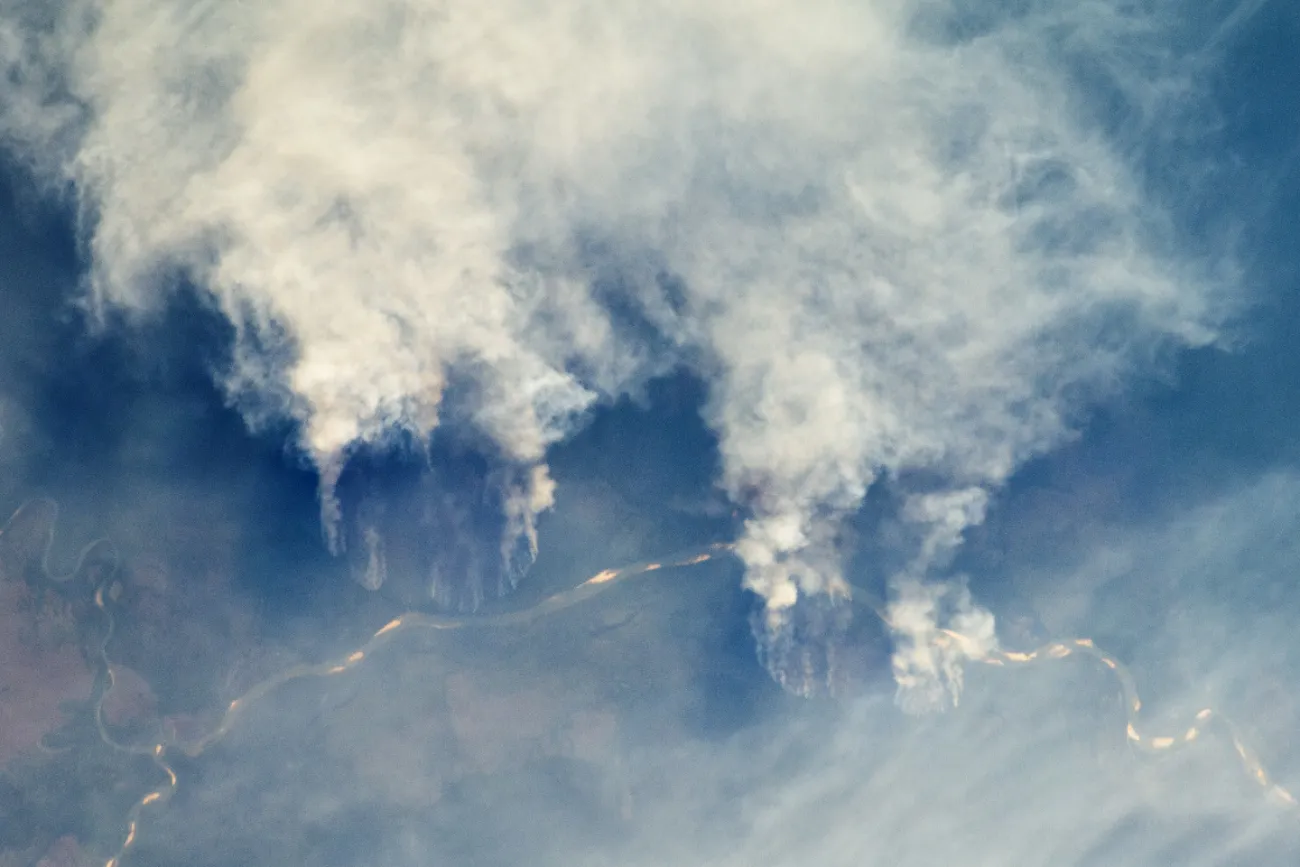
Image Journal articles Clarifying Amazonia's burning crisis This piece examines the data behind forest fires in Brazil, which attracted international attention during the summer of 2019. It concludes that the number of fires in August 2019 was nearly three times higher than in August 2018, and that the extent of deforestation was the highest since 2008, thus refuting the Brazilian government’s claim that August 2019 was “normal” for deforestation. Some contributors to the piece declined to be listed as authors so that they could stay anonymous. Read
Image Journal articles Agricultural development can cut food waste and emissions This paper studies the impacts of several agricultural development projects (by USAID’s Feed the Future initiative) that aimed to tackle food loss and waste (FLW), finding that the interventions could reduce greenhouse gas emissions per unit of food produced. Read
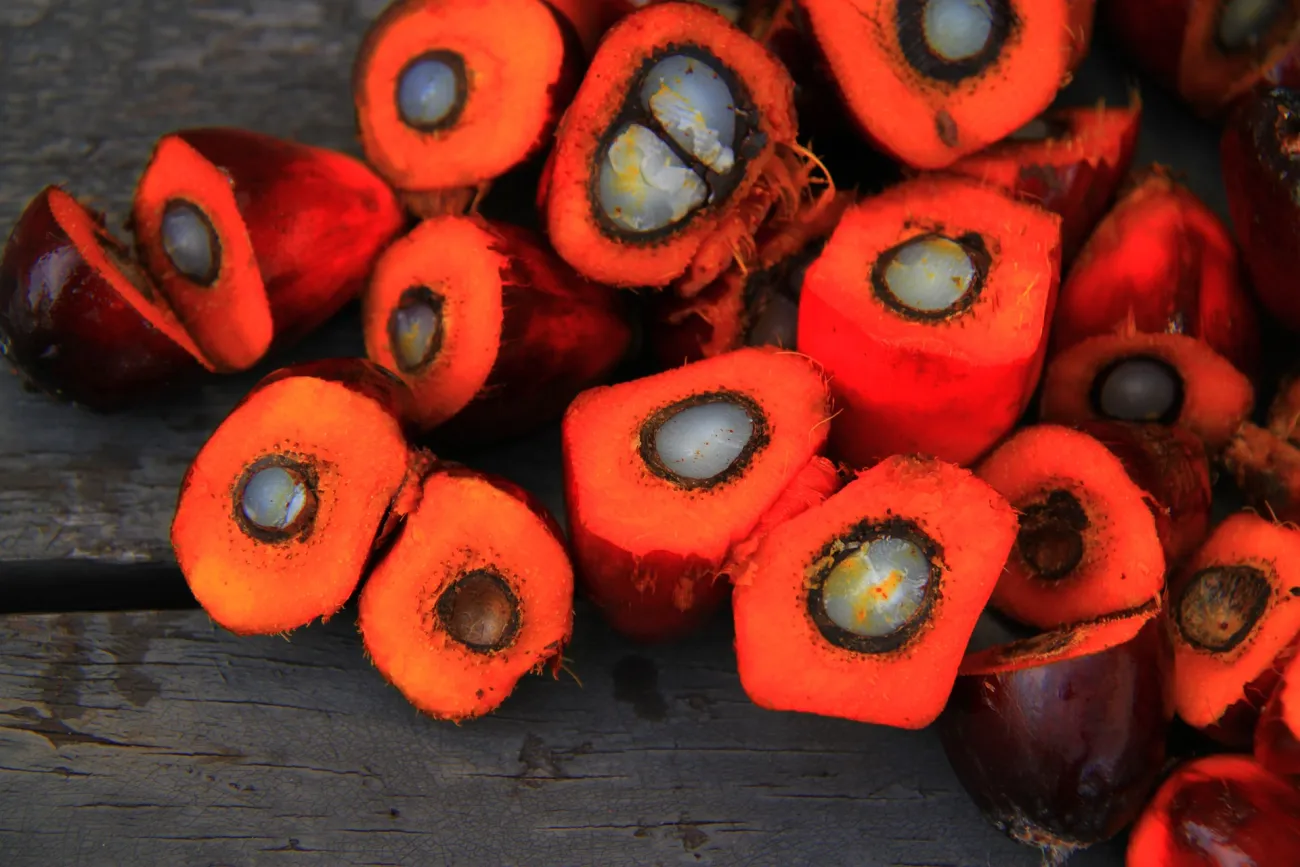
Image Featured articles Carbon neutral expansion of oil palm plantations According to this study of oil palm plantations in Colombia, converting pasture to oil palm plantation is almost carbon neutral, because declines in soil organic carbon are offset by gains in oil palm biomass over a period of several decades. The authors argue that planting oil palm on former pasture land is preferable to converting rainforest to plantations, as regards greenhouse gas emissions. Read