Image Resources Our extensive research library contains thousands of summaries of journal articles, reports and news stories that can be searched by keyword and category RESOURCES CATEGORY Books Briefing paper Event recording Featured articles Featured report Game Journal articles News and resources Reports Think piece Video Working paper Workshop summary Year 2026 2025 2024 2023 2022 2021 2020 2019 2018 2017 2016 2015 2014 2013 2012 2011 2010 2009 2008 2007 2002 2001 Image Books Short food supply chains as response to food shocks This book uses case studies from Europe and North America to explore how relocalised food supply chains could respond to challenges to the food system. It argues that shorter food supply chains could in principle perform better socially, economically and environmentally than more geographically dispersed supply chains. Read Image Reports Opinions on COVID-19 and wildlife trade in five Asian markets This report by wildlife charity WWF gives the results of a survey of people in Hong Kong, Japan, Myanmar, Thailand, and Vietnam. Respondents were asked about their sentiments on the COVID-19 outbreak in their respective country and their opinions on illegal and unregulated markets selling wildlife. Read Image Reports Putting people at the heart of the climate and nature response The interim report of the UK think tank Institute for Public Policy Research’s Environmental Justice Commission sets out a vision for the transformation of society and the economy. It argues that it is essential to put people at the heart of solving the climate and nature crises. Read Image Reports Riskier business: The UK’s overseas land footprint This report, commissioned by UK wildlife charities WWF-UK and RSPB, finds that an area of overseas land equivalent to 88% of the UK’s land area is needed to supply the UK’s demand for beef and leather, cocoa, palm oil, pulp and paper, rubber, soy and timber. This area is increasing over time. Read Image Reports Carbon footprints of dairy and pork across countries This working paper from the World Resources Institute compares the carbon footprint of dairy from 13 different countries and pork from 11 countries. It uses a carbon opportunity cost approach to carbon footprinting, i.e. it accounts for carbon that is not stored in vegetation or soils because the land is being used to produce dairy or pork. Read Image Journal articles Inclusive dietary strategies for the multi-ethnic city This paper by FCRN member Anke Brons explores the meaning of inclusivity and exclusivity in sustainable diet recommendations, specifically in relation to the experience of Syrian migrants in the Netherlands. Read Image Journal articles Benefits of re-booting tropical agriculture This paper by FCRN member Roger Leakey proposes a three-stage process to improve smallholder incomes, yields, nutrition and environmental performance in tropical agriculture, focusing on Africa. Leakey argues that food policies developed in industrialised nations do not always recognise that farming systems are very different across the world. Read Image Featured articles Innovation can accelerate food systems transitions This perspective piece assesses the technological readiness of a variety of food system innovations, such as artificial meat, drones and vertical farming. It also suggests eight ways in which food system innovation can be accelerated by incentives and regulation. Read Image Featured articles The global cropland-sparing potential of high-yield farming This paper finds that global cropland use could be almost halved while maintaining current output levels by optimising fertiliser inputs and re-allocating the production location of 16 major crops. Co-benefits would include reduced emissions from fertilisers and rice paddies, lower irrigation water requirements, and land being freed up for sequestering carbon through restoring natural vegetation. Read VIEW MORE
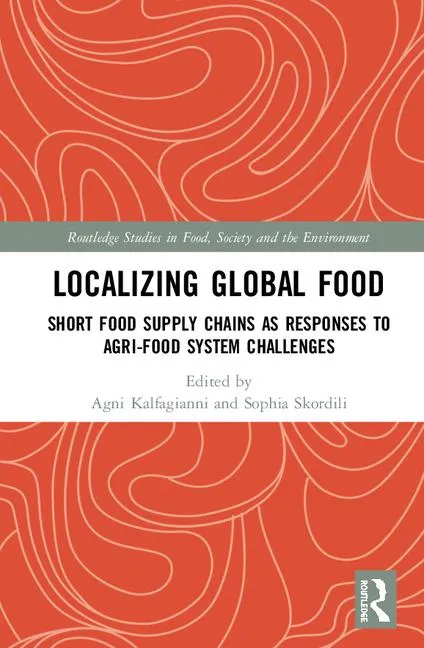
Image Books Short food supply chains as response to food shocks This book uses case studies from Europe and North America to explore how relocalised food supply chains could respond to challenges to the food system. It argues that shorter food supply chains could in principle perform better socially, economically and environmentally than more geographically dispersed supply chains. Read
Image Reports Opinions on COVID-19 and wildlife trade in five Asian markets This report by wildlife charity WWF gives the results of a survey of people in Hong Kong, Japan, Myanmar, Thailand, and Vietnam. Respondents were asked about their sentiments on the COVID-19 outbreak in their respective country and their opinions on illegal and unregulated markets selling wildlife. Read
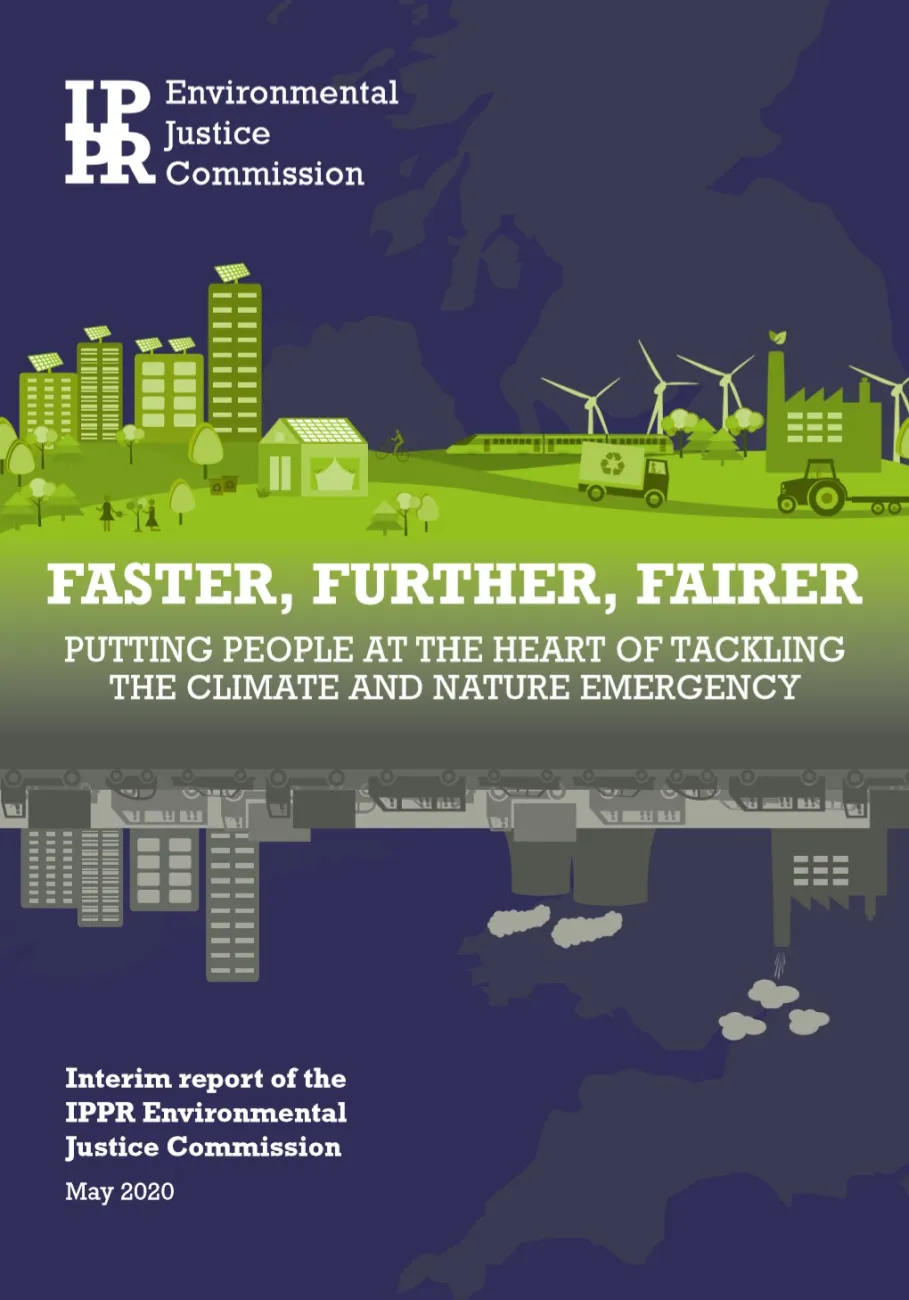
Image Reports Putting people at the heart of the climate and nature response The interim report of the UK think tank Institute for Public Policy Research’s Environmental Justice Commission sets out a vision for the transformation of society and the economy. It argues that it is essential to put people at the heart of solving the climate and nature crises. Read
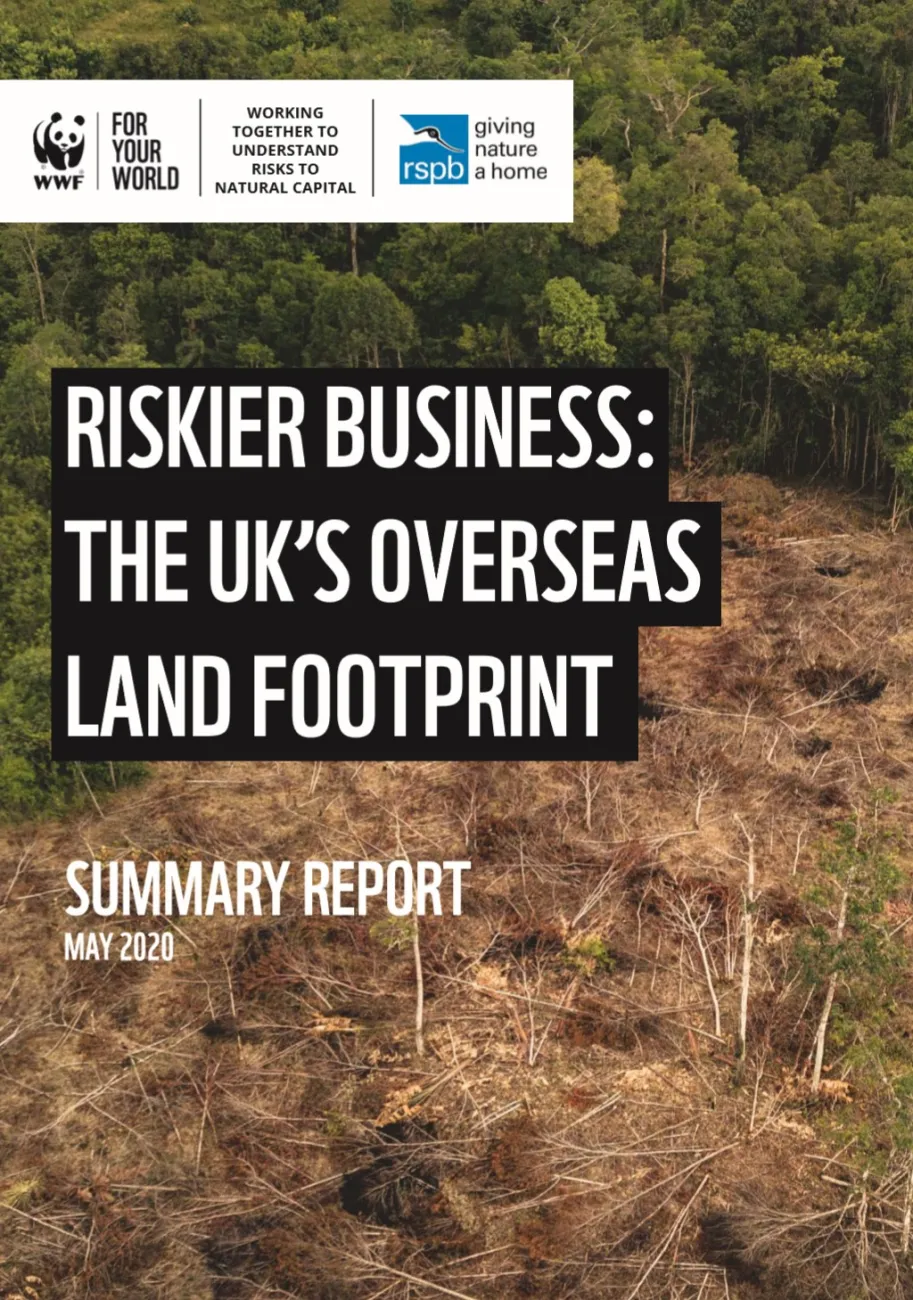
Image Reports Riskier business: The UK’s overseas land footprint This report, commissioned by UK wildlife charities WWF-UK and RSPB, finds that an area of overseas land equivalent to 88% of the UK’s land area is needed to supply the UK’s demand for beef and leather, cocoa, palm oil, pulp and paper, rubber, soy and timber. This area is increasing over time. Read
Image Reports Carbon footprints of dairy and pork across countries This working paper from the World Resources Institute compares the carbon footprint of dairy from 13 different countries and pork from 11 countries. It uses a carbon opportunity cost approach to carbon footprinting, i.e. it accounts for carbon that is not stored in vegetation or soils because the land is being used to produce dairy or pork. Read
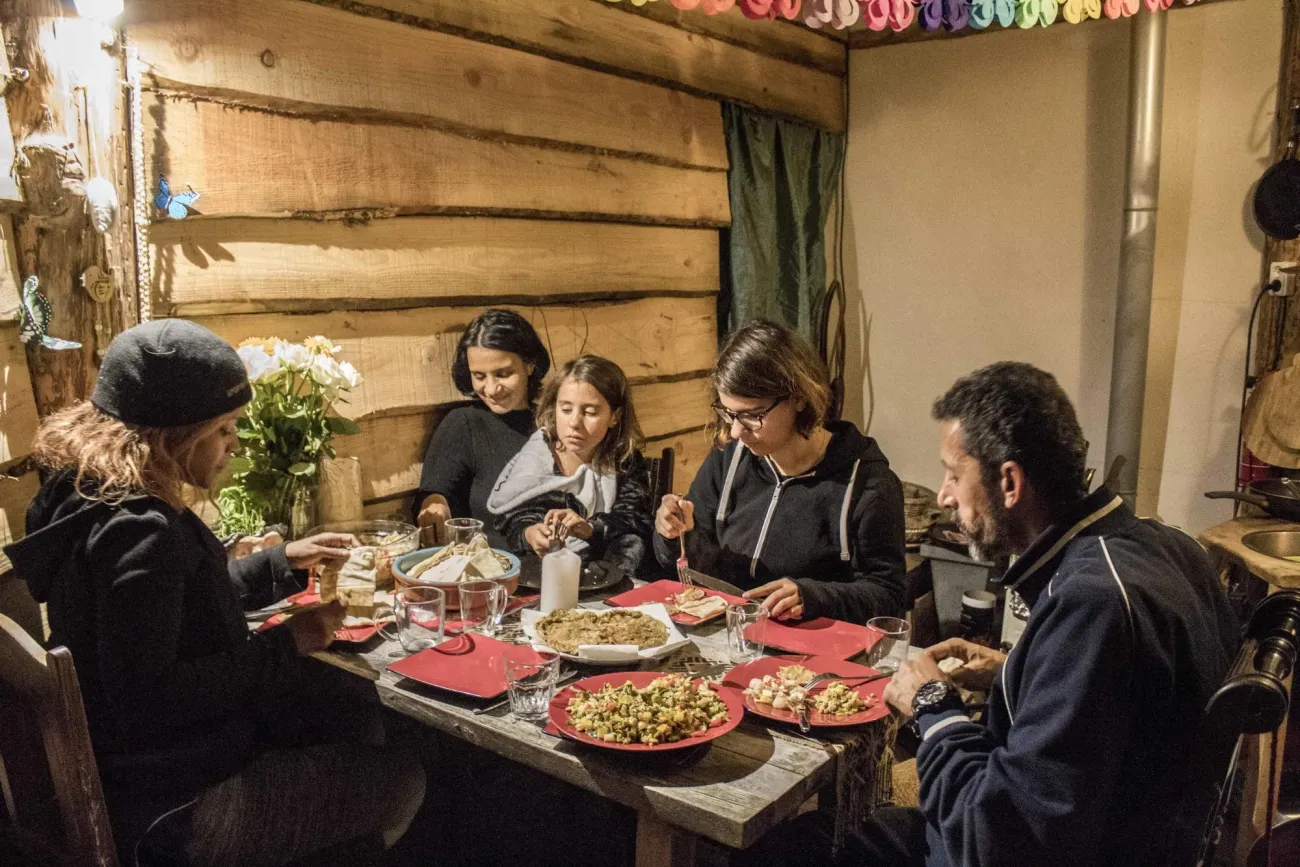
Image Journal articles Inclusive dietary strategies for the multi-ethnic city This paper by FCRN member Anke Brons explores the meaning of inclusivity and exclusivity in sustainable diet recommendations, specifically in relation to the experience of Syrian migrants in the Netherlands. Read
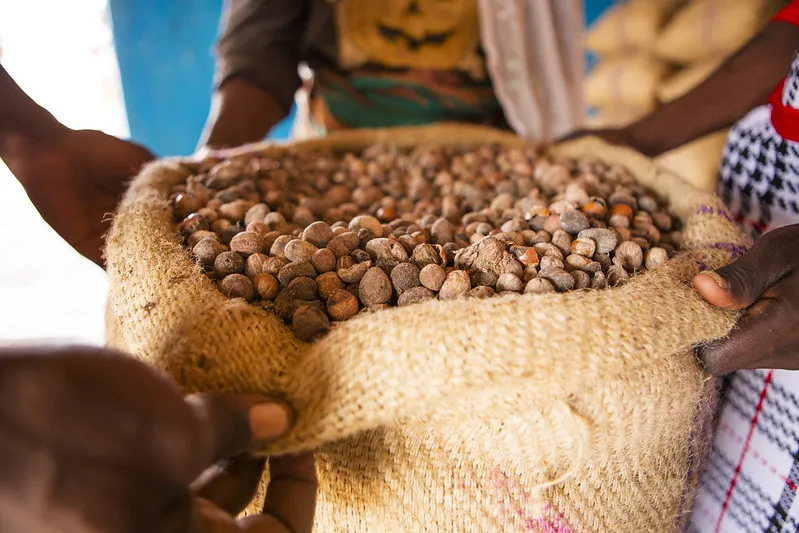
Image Journal articles Benefits of re-booting tropical agriculture This paper by FCRN member Roger Leakey proposes a three-stage process to improve smallholder incomes, yields, nutrition and environmental performance in tropical agriculture, focusing on Africa. Leakey argues that food policies developed in industrialised nations do not always recognise that farming systems are very different across the world. Read
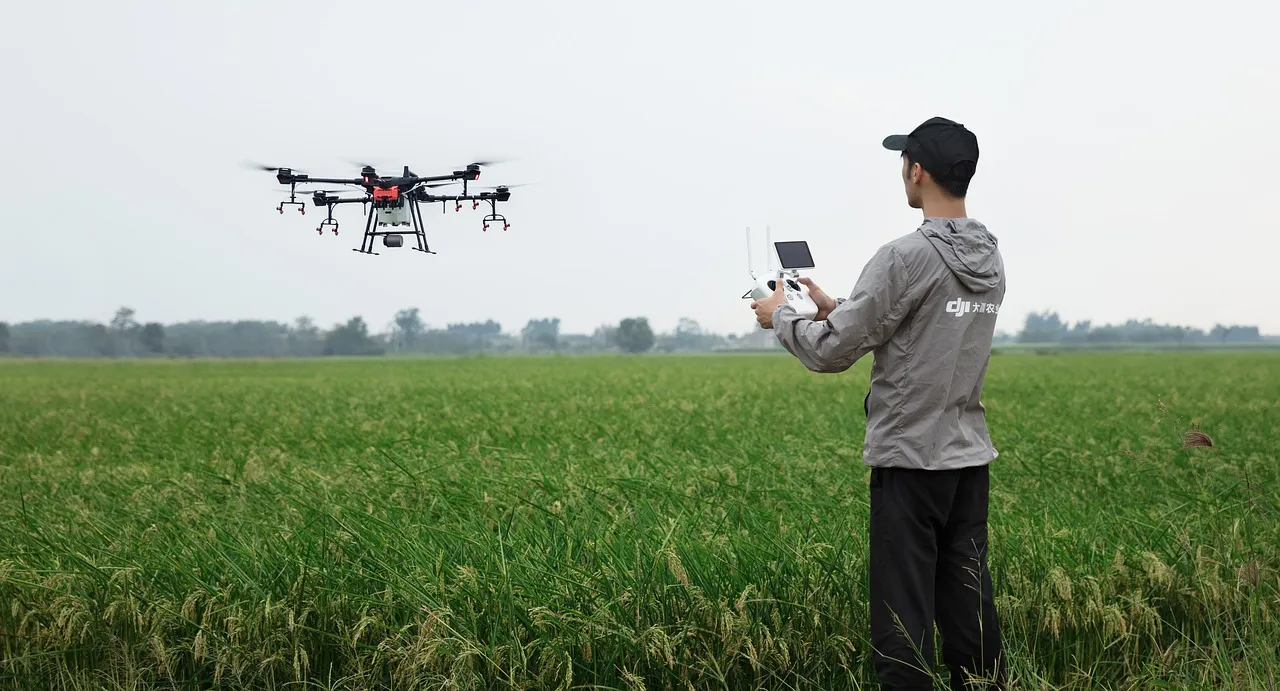
Image Featured articles Innovation can accelerate food systems transitions This perspective piece assesses the technological readiness of a variety of food system innovations, such as artificial meat, drones and vertical farming. It also suggests eight ways in which food system innovation can be accelerated by incentives and regulation. Read
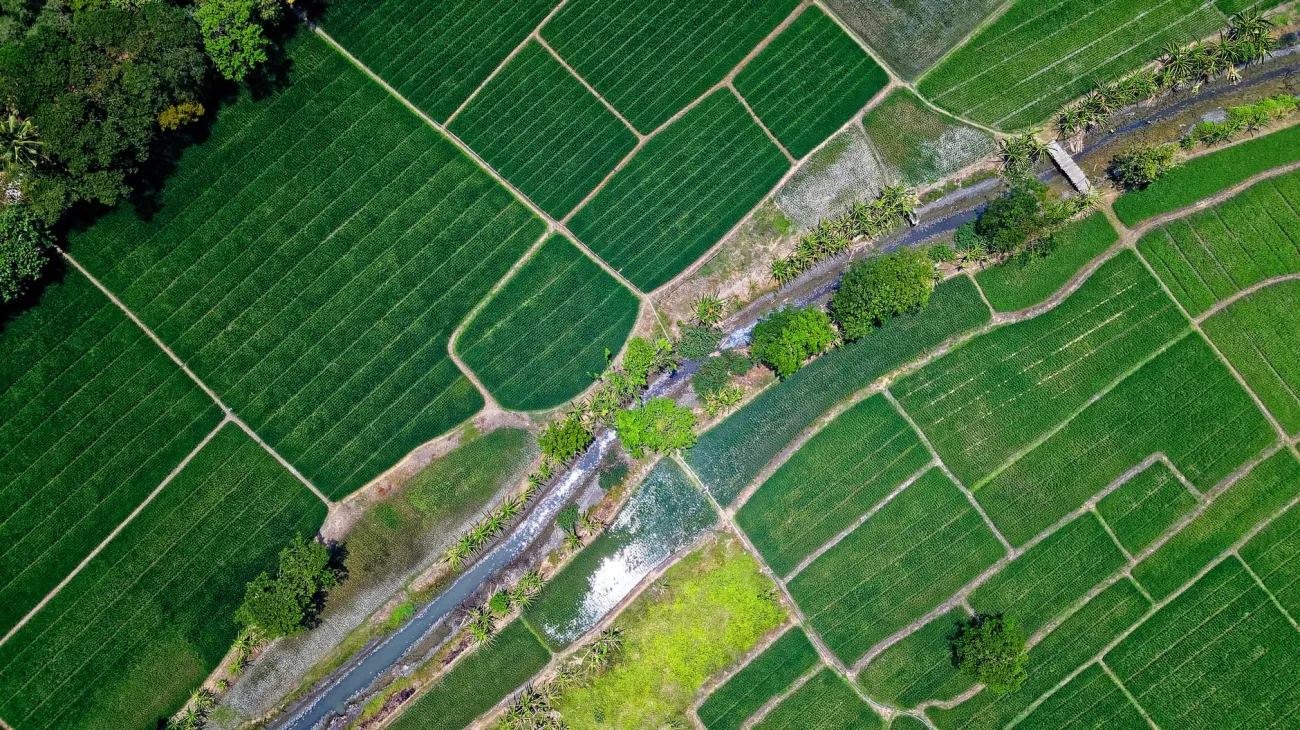
Image Featured articles The global cropland-sparing potential of high-yield farming This paper finds that global cropland use could be almost halved while maintaining current output levels by optimising fertiliser inputs and re-allocating the production location of 16 major crops. Co-benefits would include reduced emissions from fertilisers and rice paddies, lower irrigation water requirements, and land being freed up for sequestering carbon through restoring natural vegetation. Read