Image Resources Our extensive research library contains thousands of summaries of journal articles, reports and news stories that can be searched by keyword and category RESOURCES CATEGORY Books Briefing paper Event recording Featured articles Featured report Game Journal articles News and resources Reports Think piece Video Working paper Workshop summary Year 2026 2025 2024 2023 2022 2021 2020 2019 2018 2017 2016 2015 2014 2013 2012 2011 2010 2009 2008 2007 2002 2001 Image News and resources Foresight4Food resources: COVID-19, food and rural poverty The international initiative Foresight4Food is offering several online resources on COVID-19, food systems and rural poverty. Read Image News and resources Nature and food systems in the post-COVID-19 world This opinion piece on The Poultry Site by FCRN member Laura Higham of FAI Farms considers the nature and food systems dimensions of the COVID-19 pandemic and the steps we must take to redefine our relationship with animals and the natural world. Read Image News and resources Podcast: Climate change - what is the future of our food? In this episode of the Futuremakers podcast, Dr Monika Zurek and Dr Jim Woodhill of the Food Systems Group at the University of Oxford's Environmental Change Institute discuss the future of food in the light of population growth, dietary choices and technologies such as lab-grown meat. Read Image News and resources Wuhan officially bans eating wild animals Local authorities in Wuhan, the Chinese city where the COVID-19 virus is thought to have originally started spreading to humans, have announced a ban on eating wild animals along with a ban on hunting wild animals except for scientific research or population regulation. The city will also buy out wild animal breeders. Read Image News and resources Import quality standards dropped from UK agriculture bill An amendment to guarantee that post-Brexit food imports meet the same standards required of British food producers has been dropped from the UK’s agriculture bill, to the dismay of several food, farming and nature organisations. Read Image Books Peatlands: Ecology, conservation and heritage This book provides an overview of peatlands and their importance around the world, including chapters on peatland destruction and restoration projects. Read Image Reports Citizen agency: a guiding principle for food research This paper from the UK think tank International Institute for Environment and Development (IIED) presents the results of research carried out together with women vendors in the dining areas of the Achumani and Obrajes markets in La Paz, Bolivia. The research is guided by the principle of “citizen agency” - involving non-scientists in the research process - which the paper argues is important for avoiding mismatches between public policy and local realities. Read Image Reports COVID-19 stimulus through farm conservation programmes This policy briefing from US think tank The Breakthrough Institute lays out options for post-COVID-19 stimulus spending in the United States. It suggests funding farm conservation programmes that could improve farmer profitability, generate jobs, and improve environmental performance. It also proposes nationally scaling up farm machinery rebate systems, which exist in a few states, to encourage the purchase of efficient agricultural equipment. Read Image Reports Iceland supermarket cuts food waste by 23% UK supermarket Iceland has reduced its food waste by 23% over two years, according to this report. In 2019/2020, Iceland wasted food equivalent to 0.57% of sales. None of this waste went to landfill. The majority of food waste went to anaerobic digestion, with some surplus bread being converted to animal feed. Small amounts of surplus food were redistributed to people in need or used to brew beer. Read VIEW MORE
Image News and resources Foresight4Food resources: COVID-19, food and rural poverty The international initiative Foresight4Food is offering several online resources on COVID-19, food systems and rural poverty. Read
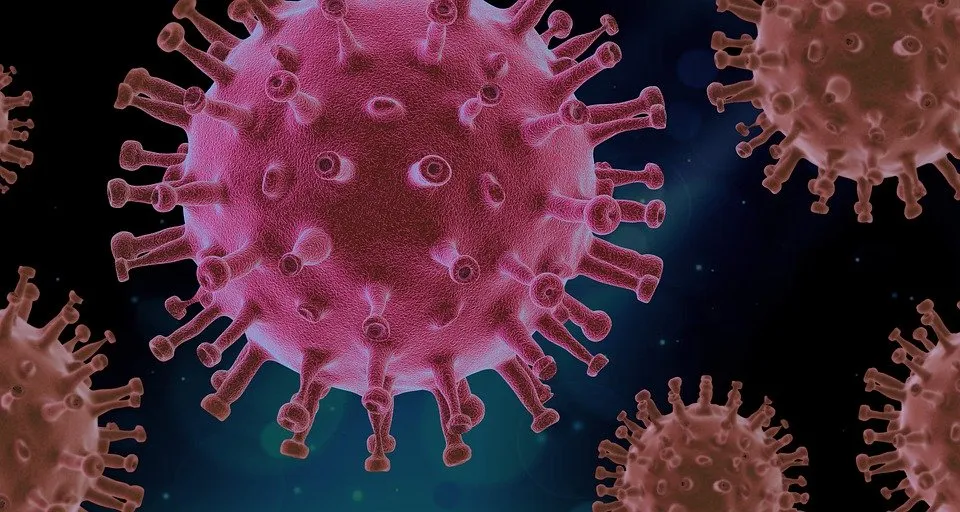
Image News and resources Nature and food systems in the post-COVID-19 world This opinion piece on The Poultry Site by FCRN member Laura Higham of FAI Farms considers the nature and food systems dimensions of the COVID-19 pandemic and the steps we must take to redefine our relationship with animals and the natural world. Read
Image News and resources Podcast: Climate change - what is the future of our food? In this episode of the Futuremakers podcast, Dr Monika Zurek and Dr Jim Woodhill of the Food Systems Group at the University of Oxford's Environmental Change Institute discuss the future of food in the light of population growth, dietary choices and technologies such as lab-grown meat. Read
Image News and resources Wuhan officially bans eating wild animals Local authorities in Wuhan, the Chinese city where the COVID-19 virus is thought to have originally started spreading to humans, have announced a ban on eating wild animals along with a ban on hunting wild animals except for scientific research or population regulation. The city will also buy out wild animal breeders. Read
Image News and resources Import quality standards dropped from UK agriculture bill An amendment to guarantee that post-Brexit food imports meet the same standards required of British food producers has been dropped from the UK’s agriculture bill, to the dismay of several food, farming and nature organisations. Read
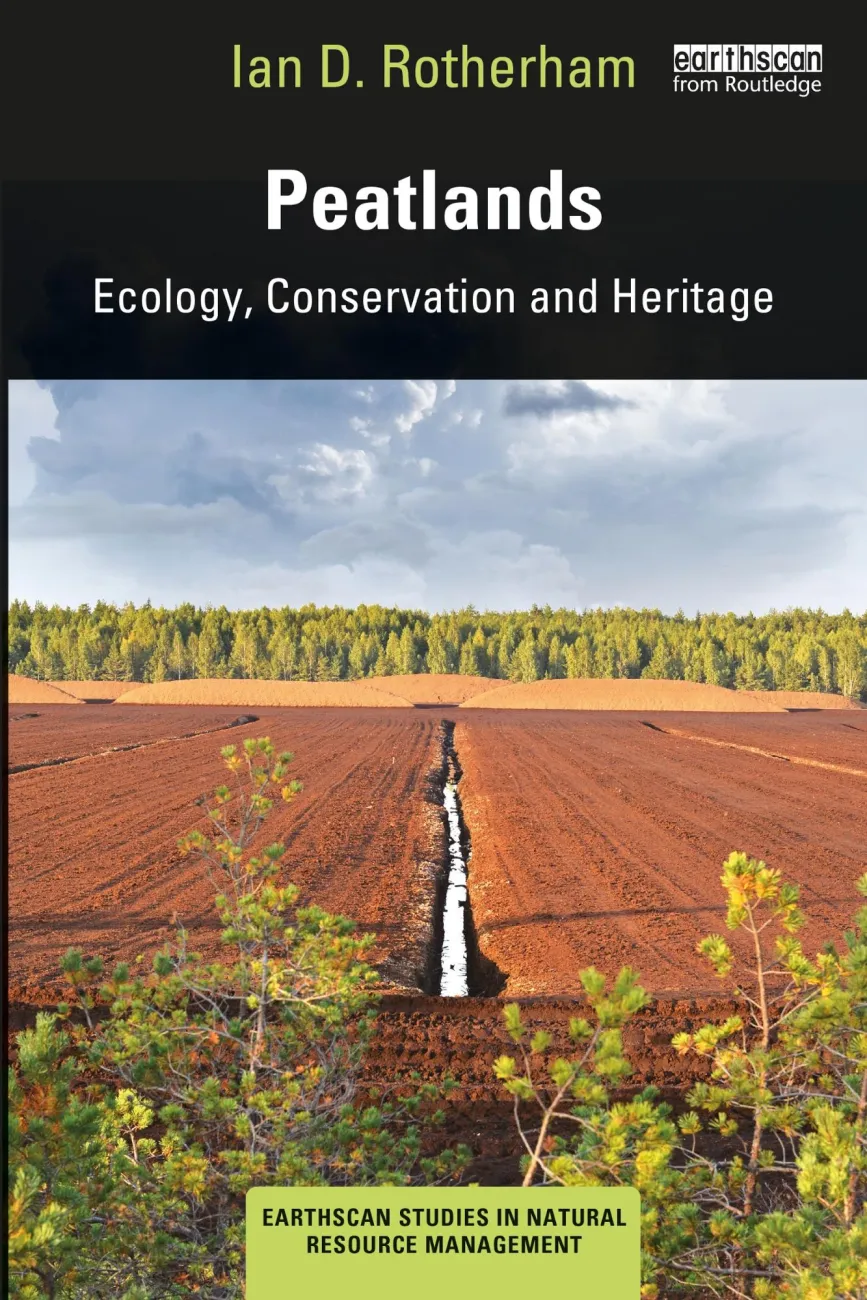
Image Books Peatlands: Ecology, conservation and heritage This book provides an overview of peatlands and their importance around the world, including chapters on peatland destruction and restoration projects. Read
Image Reports Citizen agency: a guiding principle for food research This paper from the UK think tank International Institute for Environment and Development (IIED) presents the results of research carried out together with women vendors in the dining areas of the Achumani and Obrajes markets in La Paz, Bolivia. The research is guided by the principle of “citizen agency” - involving non-scientists in the research process - which the paper argues is important for avoiding mismatches between public policy and local realities. Read
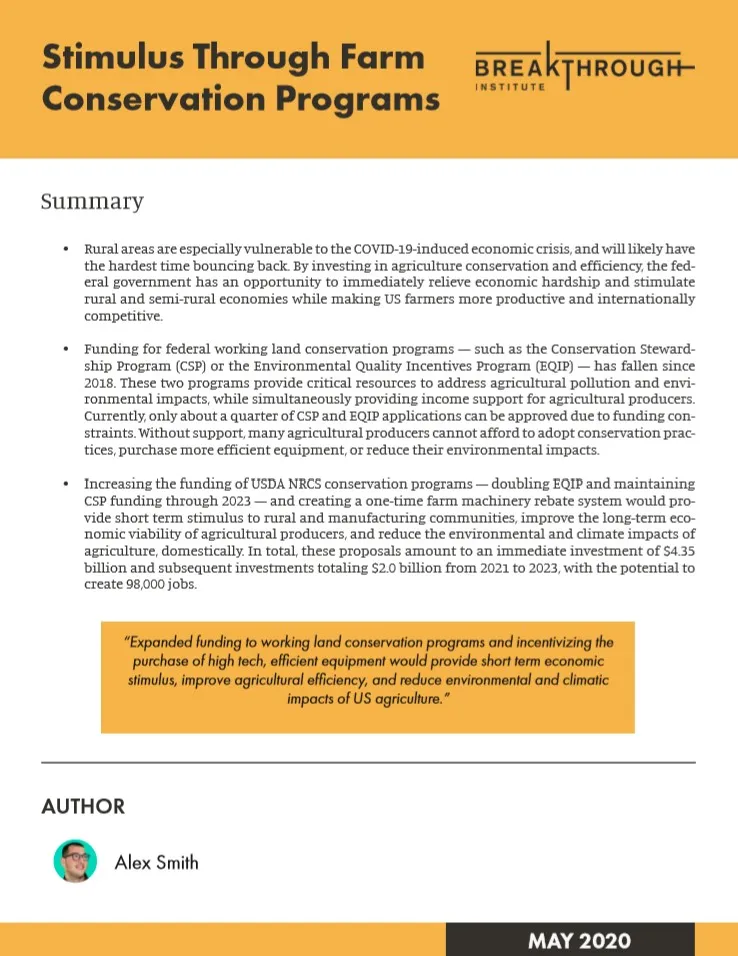
Image Reports COVID-19 stimulus through farm conservation programmes This policy briefing from US think tank The Breakthrough Institute lays out options for post-COVID-19 stimulus spending in the United States. It suggests funding farm conservation programmes that could improve farmer profitability, generate jobs, and improve environmental performance. It also proposes nationally scaling up farm machinery rebate systems, which exist in a few states, to encourage the purchase of efficient agricultural equipment. Read
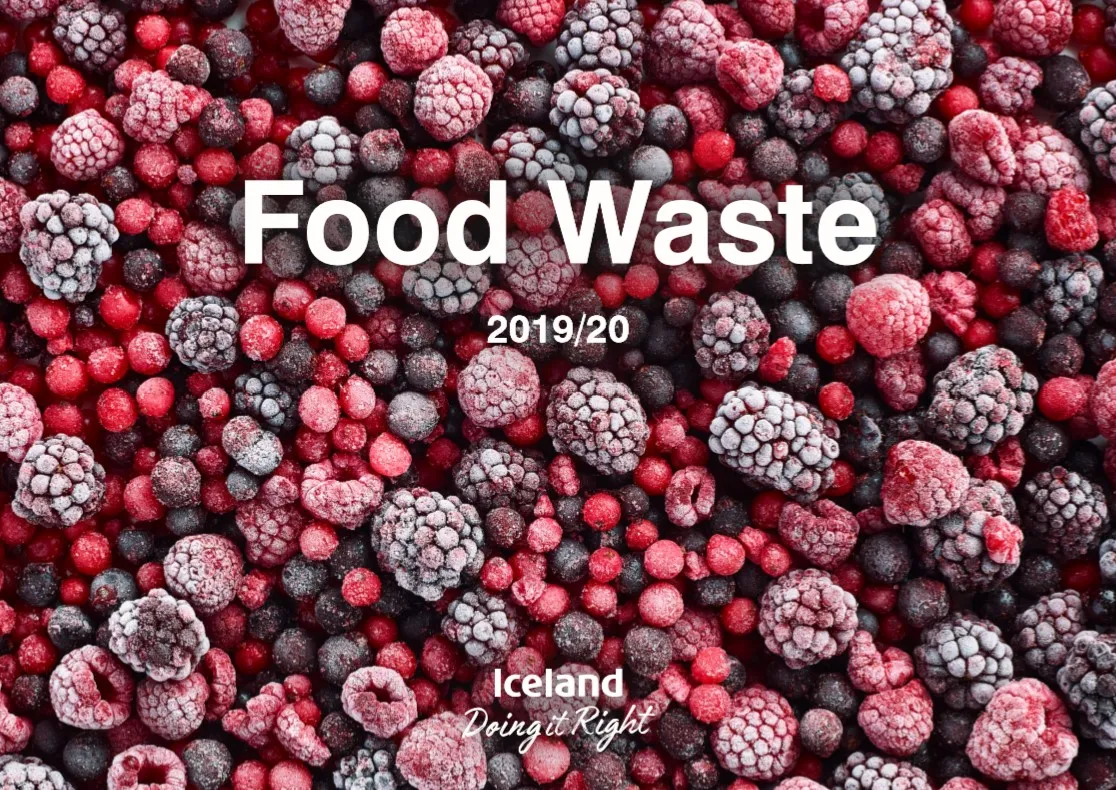
Image Reports Iceland supermarket cuts food waste by 23% UK supermarket Iceland has reduced its food waste by 23% over two years, according to this report. In 2019/2020, Iceland wasted food equivalent to 0.57% of sales. None of this waste went to landfill. The majority of food waste went to anaerobic digestion, with some surplus bread being converted to animal feed. Small amounts of surplus food were redistributed to people in need or used to brew beer. Read