Image Resources Our extensive research library contains thousands of summaries of journal articles, reports and news stories that can be searched by keyword and category RESOURCES CATEGORY Books Briefing paper Event recording Featured articles Featured report Game Journal articles News and resources Reports Think piece Video Working paper Workshop summary Year 2026 2025 2024 2023 2022 2021 2020 2019 2018 2017 2016 2015 2014 2013 2012 2011 2010 2009 2008 2007 2002 2001 Image News and resources The possibilities and challenges of kelp This article by FoodPrint discusses the tension between the purported environmental benefits of kelp farming and consumers’ lack of familiarity with kelp as a food, and describes “regenerative” kelp farming systems that also produce oysters, clams and mussels. It sets out several ways in which kelp can be used, including in foods such as pesto or lasagne, as well as other uses such as bioplastics, fertiliser, biofuel and animal feed. Read Image News and resources Podcast: Ugly vegetables need love too This episode of the Nordic Talks podcast series (produced by the Nordic Council of Ministers) discusses how imperfect vegetables are handled in the food industry and asks why the market for "ugly" vegetables is suddenly taking off in Norway and China. Read Image News and resources Collaborative Research Directory on alternative proteins The Good Food Institute, a US alternative protein nonprofit, has released a collaborative research directory listing researchers who are active in the alternative protein space and those who want to work in the field. The directory lists location, research interests and whether institutions are hiring staff. Read Image Books Home gardens for improved food security and livelihood This book uses case studies from Africa, Asia and Latin America to argue that, in the right circumstances, home gardens can help to supply people with food and income. It explores how home gardening relates to gender, food security, resilience and poverty alleviation. Read Image Reports Food policy on trial: Universal Basic Income This paper sets out the results of an event held by UK NGO the Food Ethics Council on 10 June 2020, which discussed the advantages and drawbacks of Universal Basic Income as a way of contributing to fairer food systems. Read Image Reports Sub-Saharan Africa’s food systems and COVID-19 This discussion paper by the international Food and Land Use Coalition sets out a framework for understanding the impacts of COVID-19 on food systems in Sub-Saharan Africa (SSA). It finds that the cost of a basic food basket has increased during the first quarter of 2020 by over 10% in nine SSA countries and by 5-10% in eight other SSA countries. Read Image Reports Breaking the chain of transmission of zoonotic diseases This report by the United Nations Environment Programme considers the root causes behind the emergence and spread of COVID-19 and other zoonotic diseases and sets out key messages for policymakers. Read Image Reports The investors funding livestock corporations This report from UK food waste NGO Feedback shows that, between 2015 and 2020, industrial meat and dairy corporations around the world have received $478 billion in funding, including loans, from over 2,500 investors including pension funds, university endowments and high street banks, in some cases appearing to go against the ethical policies of the funders. Read Image Journal articles Integrating climate and food policies in higher education FCRN member David Cleveland uses the University of California as a case study and finds that integrating climate and food policies could contribute substantially to reducing institutional greenhouse gas emissions by accounting for Scope 3 emissions (which would include emissions from food purchased by the institution). Read VIEW MORE
Image News and resources The possibilities and challenges of kelp This article by FoodPrint discusses the tension between the purported environmental benefits of kelp farming and consumers’ lack of familiarity with kelp as a food, and describes “regenerative” kelp farming systems that also produce oysters, clams and mussels. It sets out several ways in which kelp can be used, including in foods such as pesto or lasagne, as well as other uses such as bioplastics, fertiliser, biofuel and animal feed. Read
Image News and resources Podcast: Ugly vegetables need love too This episode of the Nordic Talks podcast series (produced by the Nordic Council of Ministers) discusses how imperfect vegetables are handled in the food industry and asks why the market for "ugly" vegetables is suddenly taking off in Norway and China. Read
Image News and resources Collaborative Research Directory on alternative proteins The Good Food Institute, a US alternative protein nonprofit, has released a collaborative research directory listing researchers who are active in the alternative protein space and those who want to work in the field. The directory lists location, research interests and whether institutions are hiring staff. Read
Image Books Home gardens for improved food security and livelihood This book uses case studies from Africa, Asia and Latin America to argue that, in the right circumstances, home gardens can help to supply people with food and income. It explores how home gardening relates to gender, food security, resilience and poverty alleviation. Read
Image Reports Food policy on trial: Universal Basic Income This paper sets out the results of an event held by UK NGO the Food Ethics Council on 10 June 2020, which discussed the advantages and drawbacks of Universal Basic Income as a way of contributing to fairer food systems. Read
Image Reports Sub-Saharan Africa’s food systems and COVID-19 This discussion paper by the international Food and Land Use Coalition sets out a framework for understanding the impacts of COVID-19 on food systems in Sub-Saharan Africa (SSA). It finds that the cost of a basic food basket has increased during the first quarter of 2020 by over 10% in nine SSA countries and by 5-10% in eight other SSA countries. Read
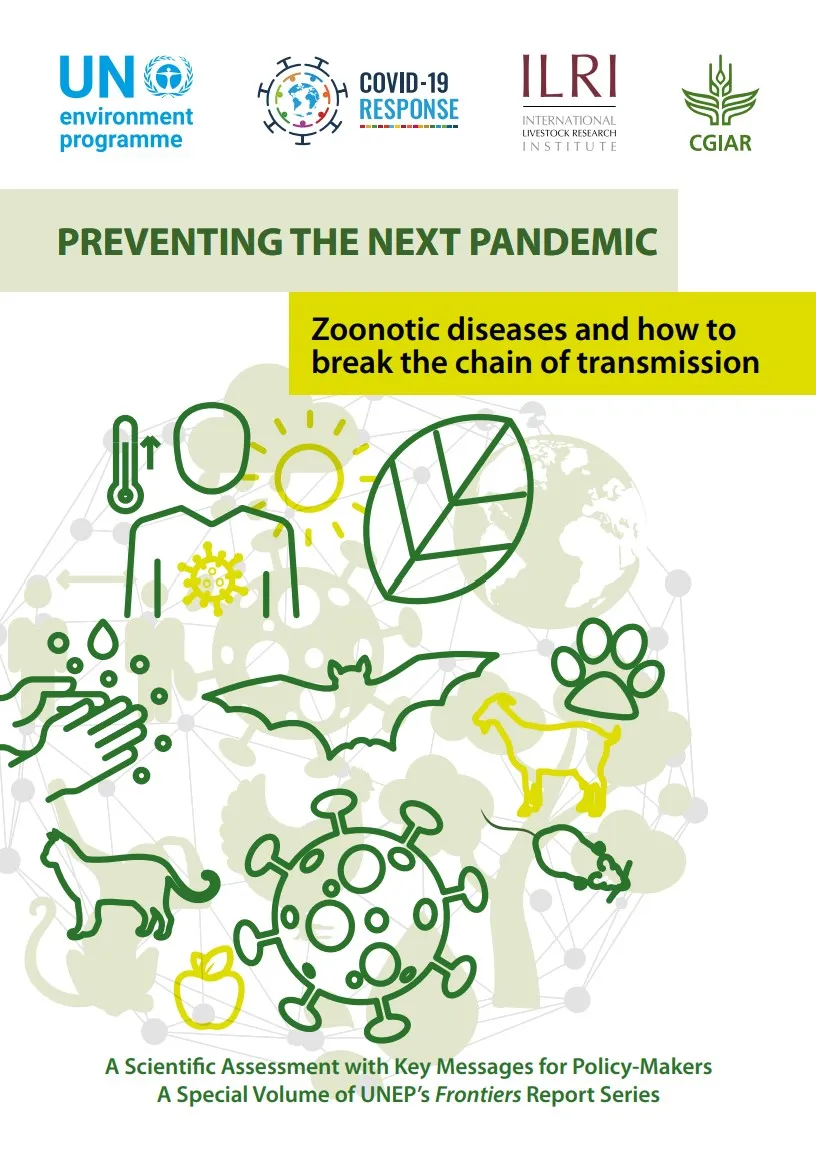
Image Reports Breaking the chain of transmission of zoonotic diseases This report by the United Nations Environment Programme considers the root causes behind the emergence and spread of COVID-19 and other zoonotic diseases and sets out key messages for policymakers. Read
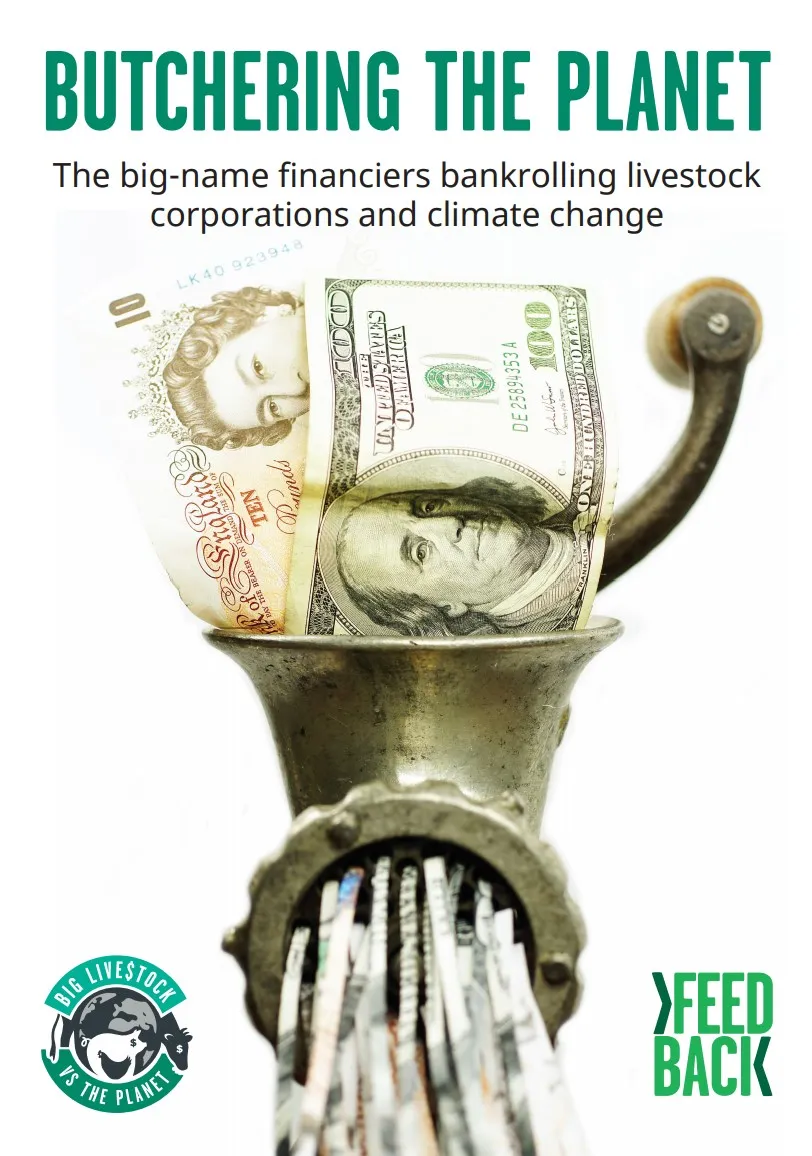
Image Reports The investors funding livestock corporations This report from UK food waste NGO Feedback shows that, between 2015 and 2020, industrial meat and dairy corporations around the world have received $478 billion in funding, including loans, from over 2,500 investors including pension funds, university endowments and high street banks, in some cases appearing to go against the ethical policies of the funders. Read
Image Journal articles Integrating climate and food policies in higher education FCRN member David Cleveland uses the University of California as a case study and finds that integrating climate and food policies could contribute substantially to reducing institutional greenhouse gas emissions by accounting for Scope 3 emissions (which would include emissions from food purchased by the institution). Read