Image Resources Our extensive research library contains thousands of summaries of journal articles, reports and news stories that can be searched by keyword and category RESOURCES CATEGORY Books Briefing paper Event recording Featured articles Featured report Game Journal articles News and resources Reports Think piece Video Working paper Workshop summary Year 2026 2025 2024 2023 2022 2021 2020 2019 2018 2017 2016 2015 2014 2013 2012 2011 2010 2009 2008 2007 2002 2001 Image Journal articles Sustainable bivalve farming for food security in the tropics In this paper, FCRN member David Willer argues that bivalve shellfish aquaculture could provide a nutritious and low-impact source of protein to nearly one billion people, particularly in the tropics. Read Image Featured articles Coconut oil, conservation and the conscientious consumer According to this paper, coconut oil cultivation puts a much greater number of species at risk per million tonnes of oil than other oils, including palm oil, despite narratives about the environmental impacts of oils usually focusing on deforestation caused by palm oil cultivation. Read Image News and resources East Anglia greenhouses to be heated by waste heat This BBC story looks at a new initiative to heat greenhouses in East Anglia using waste heat from nearby water treatment plants. According to the story, the technology could reduce greenhouse gas emissions from heating greenhouses as well as reduce reliance on imported produce. Read Image News and resources The environmental impacts of intensive and extensive systems This piece, part of the Oxford Livestock, Environment and People (LEAP) programme’s Controversies series, explores the arguments and evidence around the environmental impacts of intensive feedlot systems versus extensive grazing systems. Read Image Books Why home cooking won't solve our problems This book uses nine case studies to argue that promoting home-cooked meals as a solution to social and environmental food system problems risks placing a disproportionate burden on individual families, in particular mothers. Read Image Reports Trase Yearbook 2020: The state of forest-risk supply chains Trase - a partnership between the Stockholm Environment Institute and Global Canopy - has published its 2020 yearbook, which reviews deforestation in supply chains for commodities such as soy, beef, chicken and palm oil and examines the effectiveness of zero-deforestation commitments. Read Image Reports Accelerating economic recovery through agricultural innovation US think tank The Breakthrough Institute has published a policy brief on how new federal funding for agricultural research and development in the United States could protect and generate tens of thousands of jobs while also helping roughly halve US agricultural greenhouse gas emissions. Read Image Reports Certification’s failure to protect wild fish This report from UK food waste NGO Feedback argues that sustainability certification of wild-caught forage fish as feed for Scottish salmon aquaculture companies could in fact be driving overfishing. Read Image Reports The nutritional inefficiencies of the Scottish salmon industry This report from UK food waste NGO Feedback uses the Scottish salmon aquaculture sector as an example to argue that feeding wild fish to farmed salmon is an inefficient and environmentally damaging way of providing micronutrients to humans. It suggests that replacing some farmed salmon consumption with small wild-caught fish and farmed mussels could provide the same level of micronutrients while protecting fish stocks. Read VIEW MORE
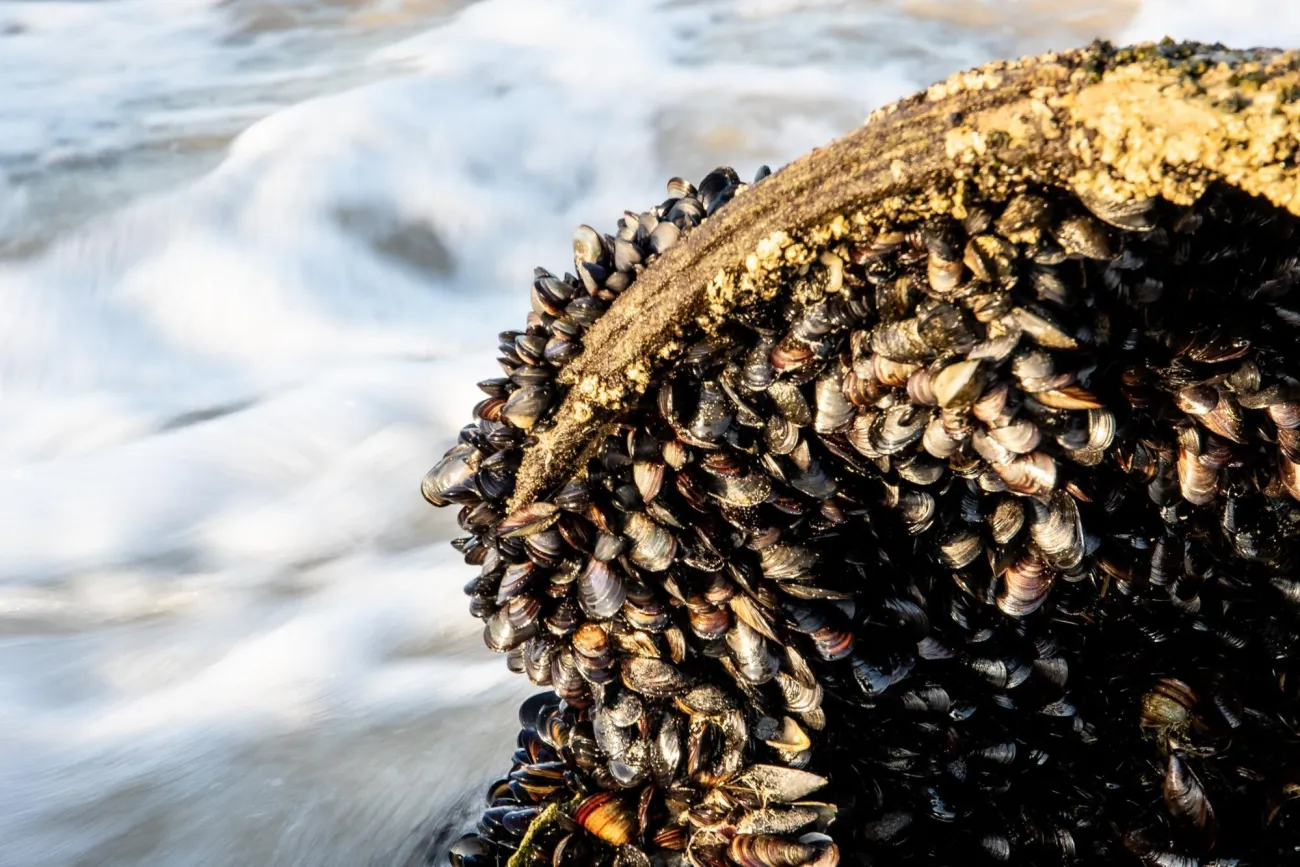
Image Journal articles Sustainable bivalve farming for food security in the tropics In this paper, FCRN member David Willer argues that bivalve shellfish aquaculture could provide a nutritious and low-impact source of protein to nearly one billion people, particularly in the tropics. Read
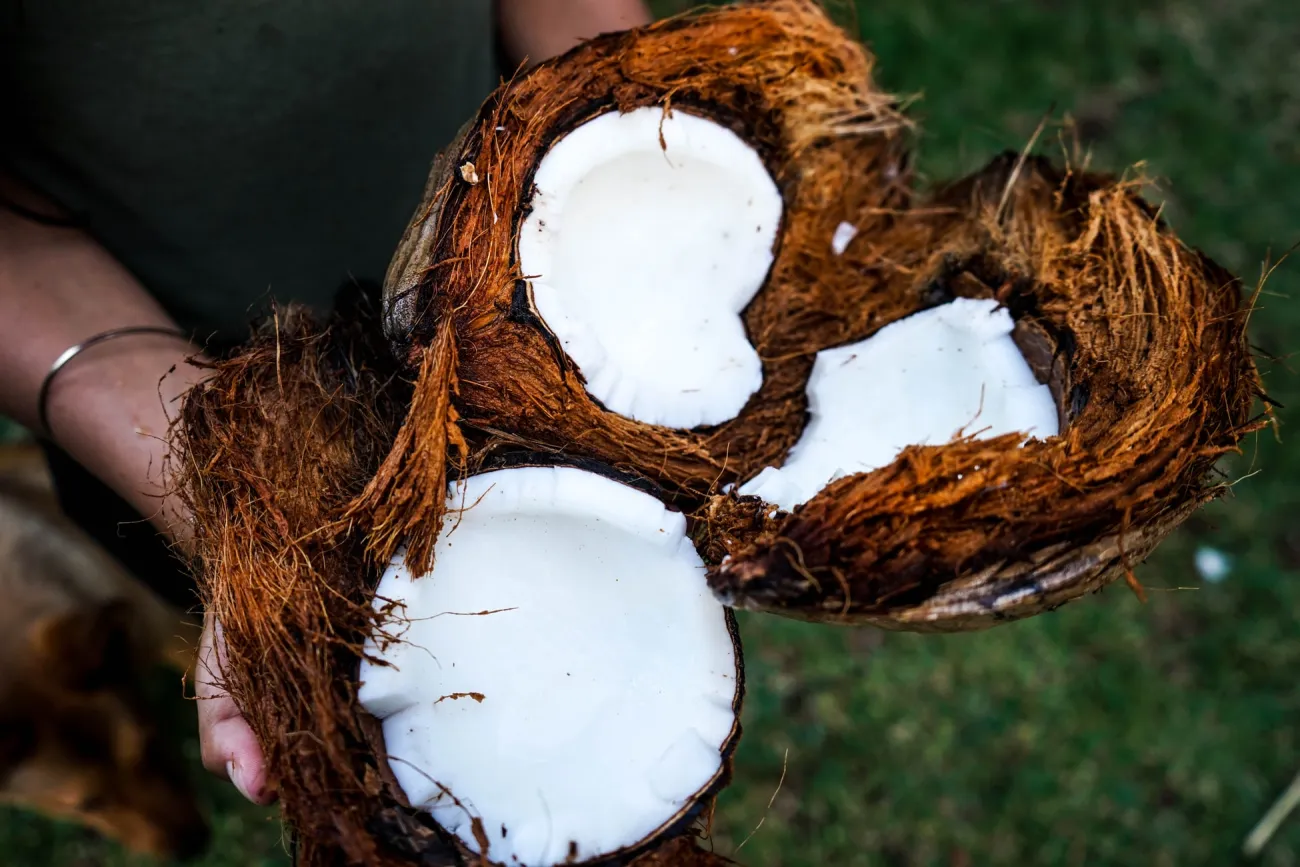
Image Featured articles Coconut oil, conservation and the conscientious consumer According to this paper, coconut oil cultivation puts a much greater number of species at risk per million tonnes of oil than other oils, including palm oil, despite narratives about the environmental impacts of oils usually focusing on deforestation caused by palm oil cultivation. Read
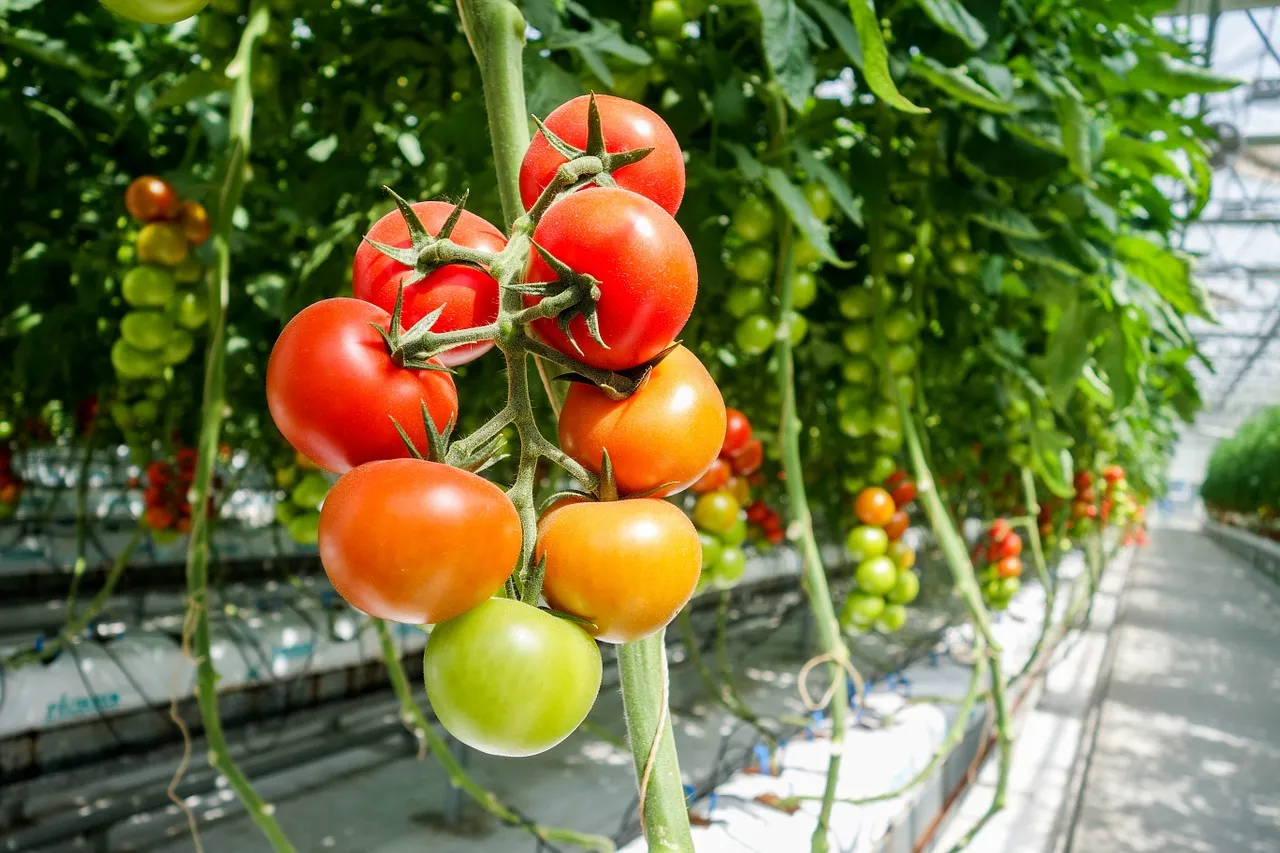
Image News and resources East Anglia greenhouses to be heated by waste heat This BBC story looks at a new initiative to heat greenhouses in East Anglia using waste heat from nearby water treatment plants. According to the story, the technology could reduce greenhouse gas emissions from heating greenhouses as well as reduce reliance on imported produce. Read
Image News and resources The environmental impacts of intensive and extensive systems This piece, part of the Oxford Livestock, Environment and People (LEAP) programme’s Controversies series, explores the arguments and evidence around the environmental impacts of intensive feedlot systems versus extensive grazing systems. Read
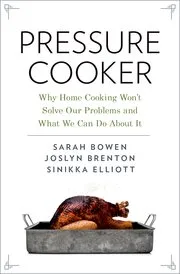
Image Books Why home cooking won't solve our problems This book uses nine case studies to argue that promoting home-cooked meals as a solution to social and environmental food system problems risks placing a disproportionate burden on individual families, in particular mothers. Read
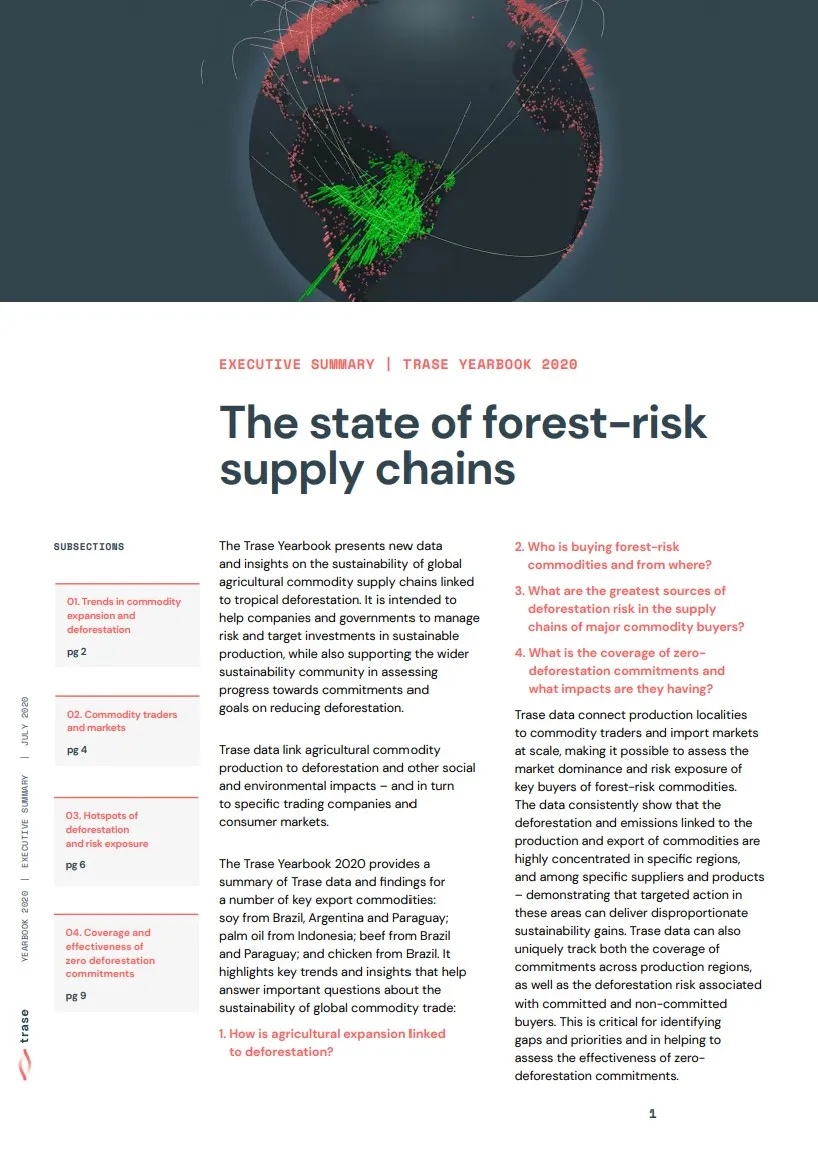
Image Reports Trase Yearbook 2020: The state of forest-risk supply chains Trase - a partnership between the Stockholm Environment Institute and Global Canopy - has published its 2020 yearbook, which reviews deforestation in supply chains for commodities such as soy, beef, chicken and palm oil and examines the effectiveness of zero-deforestation commitments. Read
Image Reports Accelerating economic recovery through agricultural innovation US think tank The Breakthrough Institute has published a policy brief on how new federal funding for agricultural research and development in the United States could protect and generate tens of thousands of jobs while also helping roughly halve US agricultural greenhouse gas emissions. Read
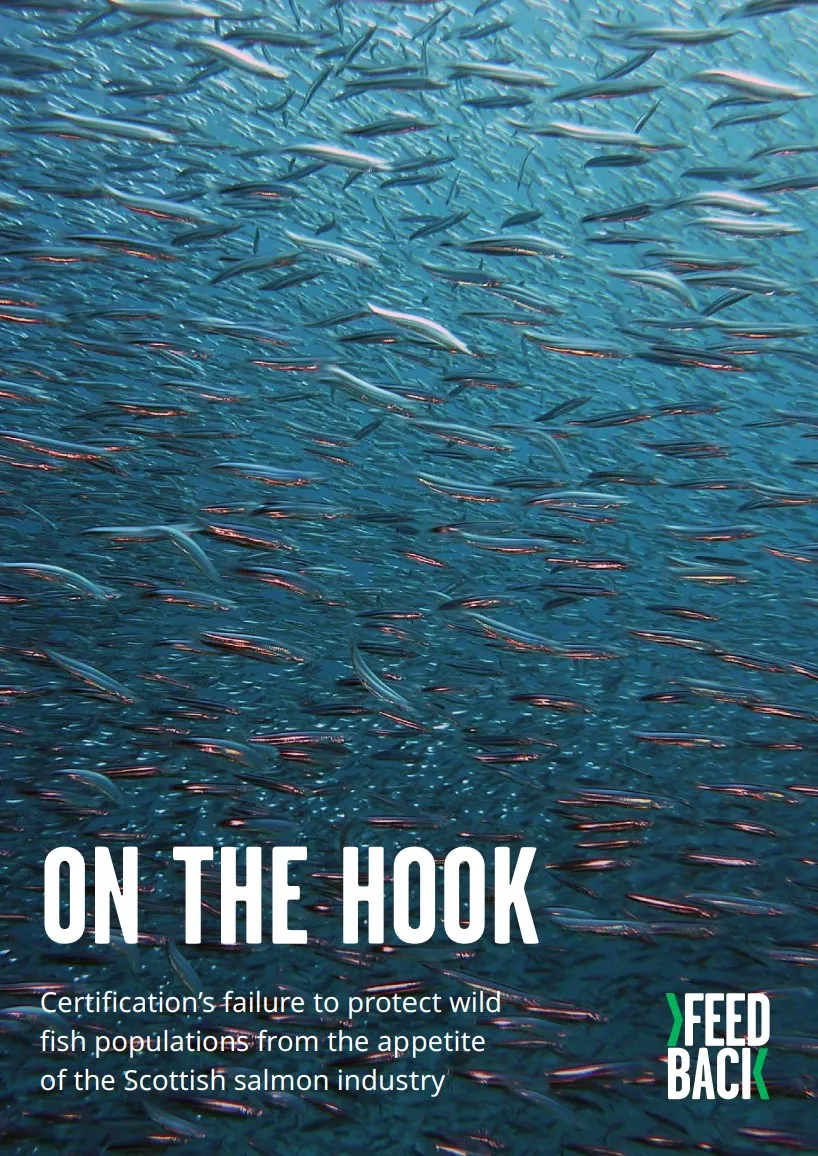
Image Reports Certification’s failure to protect wild fish This report from UK food waste NGO Feedback argues that sustainability certification of wild-caught forage fish as feed for Scottish salmon aquaculture companies could in fact be driving overfishing. Read
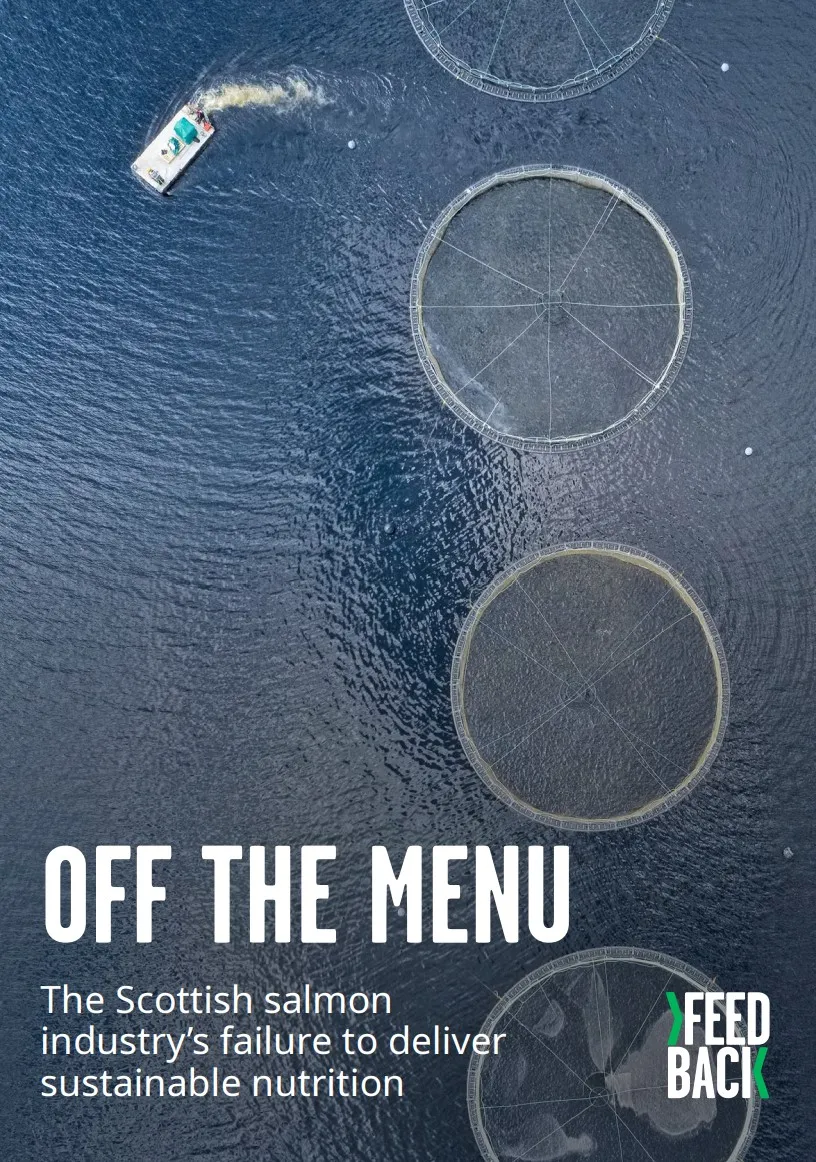
Image Reports The nutritional inefficiencies of the Scottish salmon industry This report from UK food waste NGO Feedback uses the Scottish salmon aquaculture sector as an example to argue that feeding wild fish to farmed salmon is an inefficient and environmentally damaging way of providing micronutrients to humans. It suggests that replacing some farmed salmon consumption with small wild-caught fish and farmed mussels could provide the same level of micronutrients while protecting fish stocks. Read