Image Resources Our extensive research library contains thousands of summaries of journal articles, reports and news stories that can be searched by keyword and category RESOURCES CATEGORY Books Briefing paper Event recording Featured articles Featured report Game Journal articles News and resources Reports Think piece Video Working paper Workshop summary Year 2026 2025 2024 2023 2022 2021 2020 2019 2018 2017 2016 2015 2014 2013 2012 2011 2010 2009 2008 2007 2002 2001 Image Journal articles Carbon farming on European sheep pasture This paper reports that reforesting areas of land in the UK currently used for sheep grazing could be an economically viable strategy for farmers, using payments for carbon sequestration from people or businesses who want to offset their emissions The paper argues that sheep farming in the UK is not profitable without subsidies, which currently account for over 90% of sheep farm income. Read Image Journal articles How many chickens does it take to make an egg? This paper, co-authored by FCRN member David Cleveland, aims to quantify the animal welfare and environmental implications of replacing egg-based mayonnaise with plant-based mayonnaise and replacing eggs with tofu, using a case study from the University of California, Santa Barbara. Read Image Featured articles Sustainability strategies in the global coffee sector This paper, co-authored by FCRN member Simon Bager, assesses the sustainability practices of a sample of hundreds of companies in the global coffee sector, including producers, traders, roasters, processors and cafés. It reports that around one third of the companies have no sustainability commitments, another third have one to four commitments and the remaining third have five or more sustainability commitments. Read Image News and resources Proposed UK law restricts illegal deforestation in supply chains The UK government has proposed a new law that would require large businesses to prove that their supply chains for commodities (including beef, cocoa, palm oil and soya) do not contain products that have been produced on illegally deforested land. The proposals would cover commodities embedded within other products, such as animals fed on soy or palm oil used as an ingredient. Read Image Books Food systems law: An introduction for non-lawyers This book introduces readers without a background in law to the US laws and regulations that affect the food system, covering environmental, health and agricultural law. Read Image Reports Cooking up a sustainable future In this report, UK non-profit Forum for the Future argues that chefs have an important role to play in providing healthy and sustainable diets. The report sets out a vision of future chef training that focuses less on meat and dairy and more on “ethical, seasonal and sustainably sourced ingredients”. Read Image Reports Food system transformation can help meet climate targets This report from WWF, the UN Environment Programme (UNEP), EAT and Climate Focus finds that by integrating food system interventions into their climate plans, policymakers can improve their chances of meeting their Nationally Determined Contributions as part of the Paris Agreement. Read Image Reports Moving to deforestation free animal feed in Europe This report by UK sustainability consultancy 3Keel assesses the quantity, origin and certification status of soy in the supply chains of animal products sold by 11 European retailers (including UK supermarkets such as ALDI, Asda, Tesco and Sainsbury’s). It finds that 25% of this soy footprint was claimed to be free of deforestation - an increase over the previous year’s figure. The remaining 75% of the soy footprint is not claimed to meet any deforestation-free standard. Read Image Reports Proportion of plant-based ready meals rises According to this report by UK NGO Eating Better, the proportion of UK supermarket ready meals that is plant-based has increased significantly, from 3% in 2018 to 16% in March 2020, with another 9% being vegetarian but not wholly plant-based. Morrisons, Asda and Aldi doubled the size of their meat free range in the last two years. Read VIEW MORE
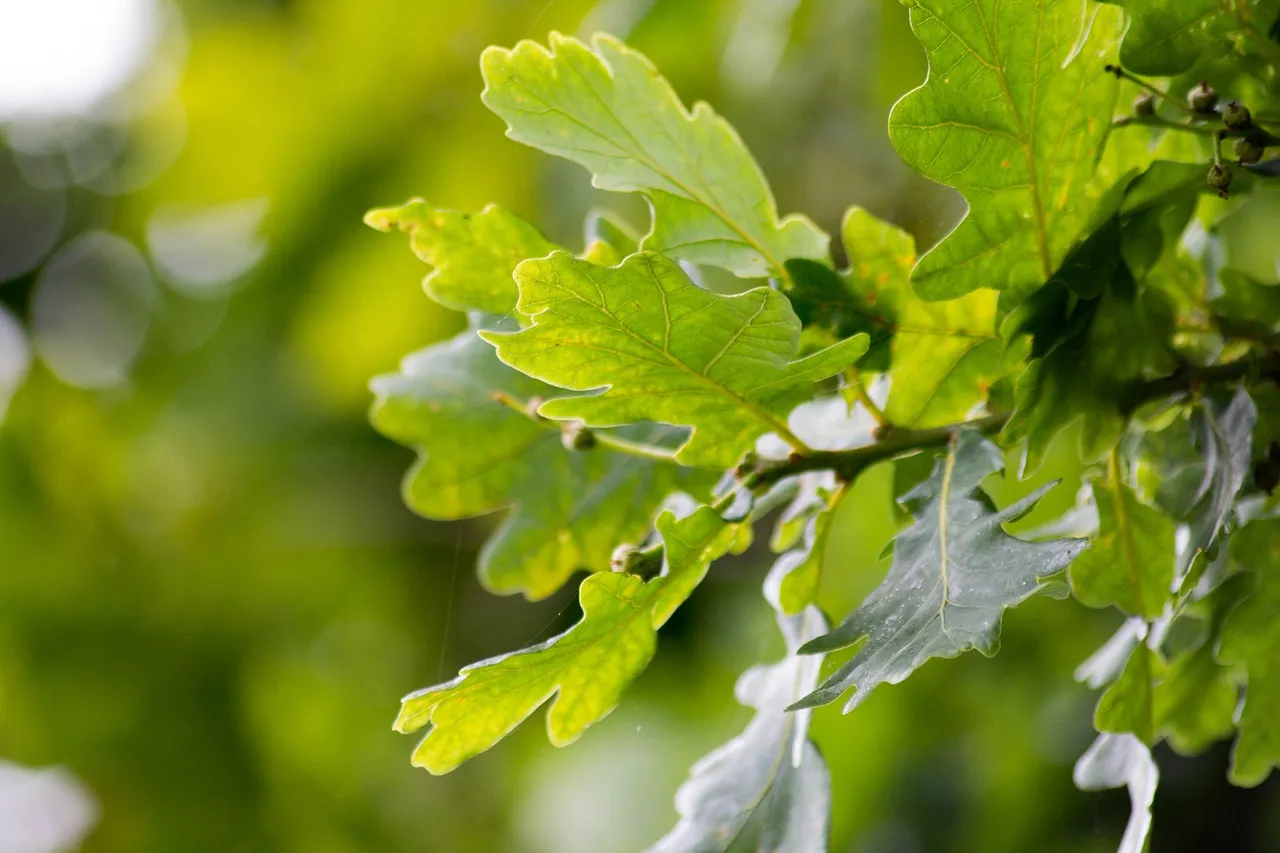
Image Journal articles Carbon farming on European sheep pasture This paper reports that reforesting areas of land in the UK currently used for sheep grazing could be an economically viable strategy for farmers, using payments for carbon sequestration from people or businesses who want to offset their emissions The paper argues that sheep farming in the UK is not profitable without subsidies, which currently account for over 90% of sheep farm income. Read
Image Journal articles How many chickens does it take to make an egg? This paper, co-authored by FCRN member David Cleveland, aims to quantify the animal welfare and environmental implications of replacing egg-based mayonnaise with plant-based mayonnaise and replacing eggs with tofu, using a case study from the University of California, Santa Barbara. Read
Image Featured articles Sustainability strategies in the global coffee sector This paper, co-authored by FCRN member Simon Bager, assesses the sustainability practices of a sample of hundreds of companies in the global coffee sector, including producers, traders, roasters, processors and cafés. It reports that around one third of the companies have no sustainability commitments, another third have one to four commitments and the remaining third have five or more sustainability commitments. Read
Image News and resources Proposed UK law restricts illegal deforestation in supply chains The UK government has proposed a new law that would require large businesses to prove that their supply chains for commodities (including beef, cocoa, palm oil and soya) do not contain products that have been produced on illegally deforested land. The proposals would cover commodities embedded within other products, such as animals fed on soy or palm oil used as an ingredient. Read
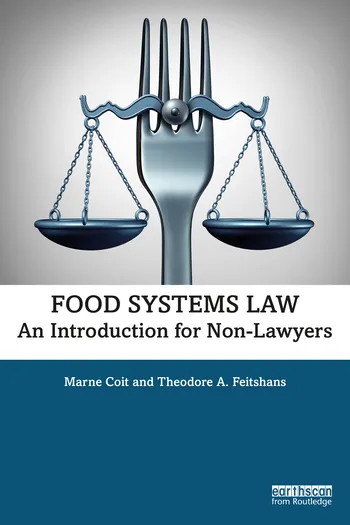
Image Books Food systems law: An introduction for non-lawyers This book introduces readers without a background in law to the US laws and regulations that affect the food system, covering environmental, health and agricultural law. Read
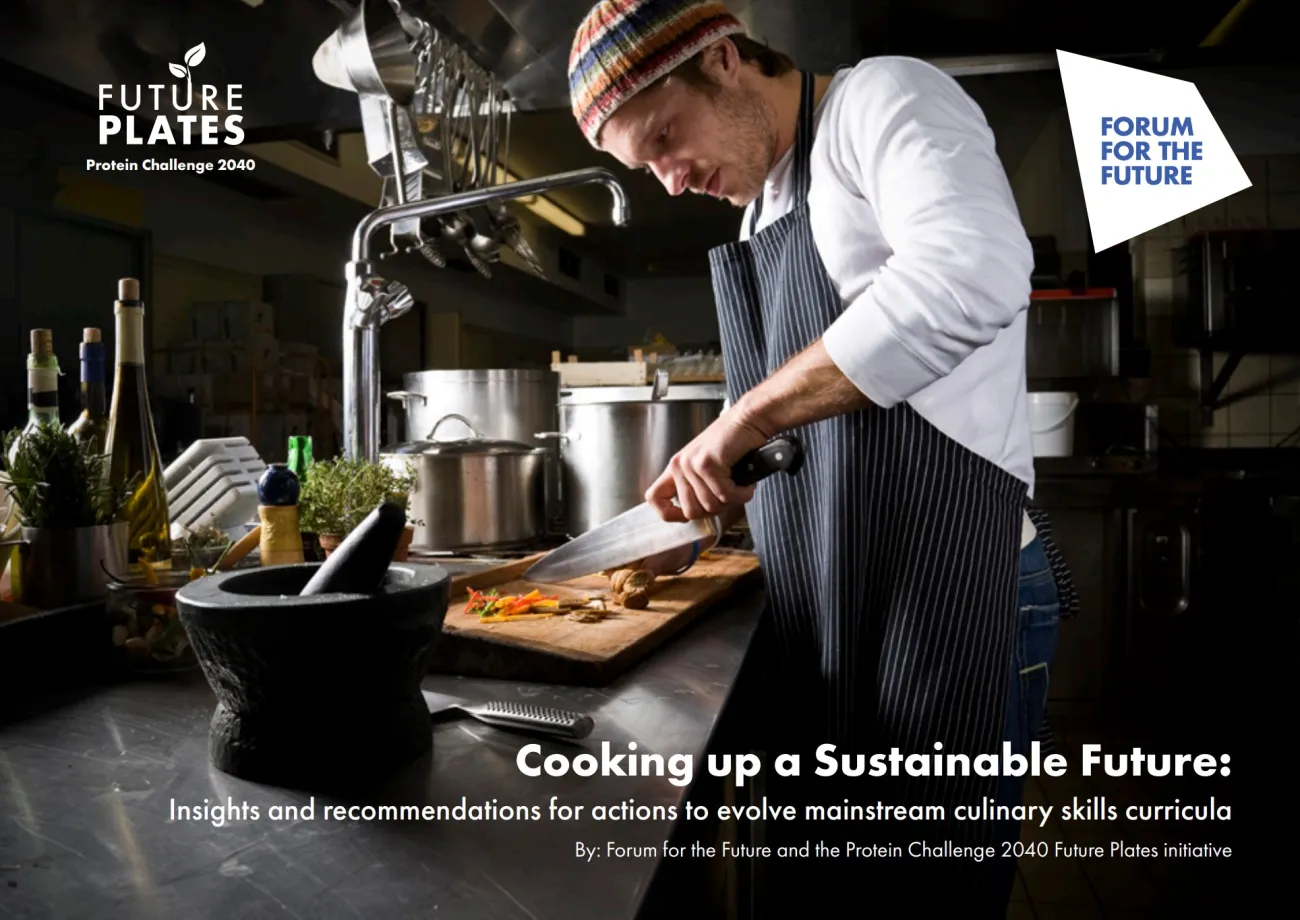
Image Reports Cooking up a sustainable future In this report, UK non-profit Forum for the Future argues that chefs have an important role to play in providing healthy and sustainable diets. The report sets out a vision of future chef training that focuses less on meat and dairy and more on “ethical, seasonal and sustainably sourced ingredients”. Read
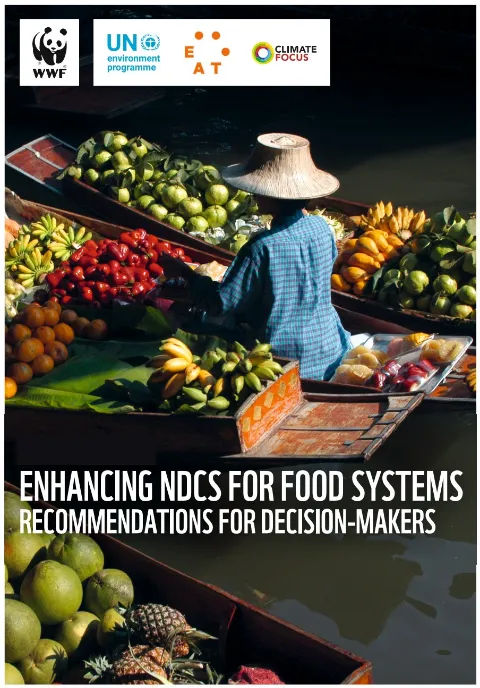
Image Reports Food system transformation can help meet climate targets This report from WWF, the UN Environment Programme (UNEP), EAT and Climate Focus finds that by integrating food system interventions into their climate plans, policymakers can improve their chances of meeting their Nationally Determined Contributions as part of the Paris Agreement. Read
Image Reports Moving to deforestation free animal feed in Europe This report by UK sustainability consultancy 3Keel assesses the quantity, origin and certification status of soy in the supply chains of animal products sold by 11 European retailers (including UK supermarkets such as ALDI, Asda, Tesco and Sainsbury’s). It finds that 25% of this soy footprint was claimed to be free of deforestation - an increase over the previous year’s figure. The remaining 75% of the soy footprint is not claimed to meet any deforestation-free standard. Read
Image Reports Proportion of plant-based ready meals rises According to this report by UK NGO Eating Better, the proportion of UK supermarket ready meals that is plant-based has increased significantly, from 3% in 2018 to 16% in March 2020, with another 9% being vegetarian but not wholly plant-based. Morrisons, Asda and Aldi doubled the size of their meat free range in the last two years. Read