Image Resources Our extensive research library contains thousands of summaries of journal articles, reports and news stories that can be searched by keyword and category RESOURCES CATEGORY Books Briefing paper Event recording Featured articles Featured report Game Journal articles News and resources Reports Think piece Video Working paper Workshop summary Year 2026 2025 2024 2023 2022 2021 2020 2019 2018 2017 2016 2015 2014 2013 2012 2011 2010 2009 2008 2007 2002 2001 Image Journal articles Scenarios for global aquaculture and human nutrition This paper, co-authored by FCRN member David Little, sets out four scenarios for the global future of aquaculture - food sovereignty, blue internationalism, aqua-nationalism and aquatic chicken - and discusses how each scenario could affect human wellbeing and environmental health. Read Image Journal articles Environmental and health impacts of Eatwell diets This study sets out the health impacts and environmental footprints of diets that meet the UK government’s Eatwell Guide recommendations, based on observational data from the UK’s National Diet and Nutrition Survey. Read Image Featured articles Considering plant-based and cell-based meats In this paper, FCRN member Raychel Santo reviews evidence on the potential benefits and risks of the production and consumption of plant-based and cell-based meat alternatives. The paper covers implications for health, environmental performance, animal welfare, economy and policy. Read Image News and resources The impacts of fat-filled milk powder exports to West Africa According to this article from POLITICO, dairy farmers in West Africa are being undercut by exports of “fat-filled milk powder” from the European Union. This product is a blend of dairy whey left over from processes such as butter manufacture and vegetable fats such as palm oil. Read Image News and resources Higher Steaks produces lab-grown bacon and pork belly UK cultured meat startup Higher Steaks has created one of the world’s first lab-grown pork products (Mission Barns claims to have created, but not publicised, a lab-grown bacon prototype in May 2020). The Higher Steaks pork belly is made of 50% cultivated cells, and the bacon product contains 70% cultivated cells, with the remaining material being plant-based. Read Image News and resources Outcomes of eDialogue: What future for small-scale farming? On July 16, 2020, the UN Sustainable Development Solutions Network and Foresight4Food co-hosted the first of a series of eDialogues on the future of small-scale farming. The first session gave an overview of the challenges smallholders face and opportunities for improvement in yields and standards of living. A video recording and written summary (PDF link) of the event are now available online. Read Image News and resources Acting despite uncertainty: restricting food marketing to kids Professor Corinna Hawkes, Director of the Centre for Food Policy at City, University of London, has launched a new blog called The Better Food Journey. In this blog post, Hawkes discusses the complexities of regulating the marketing of unhealthy food, noting that without advertising, food companies may instead try to compete by cutting prices or adding sugar. The blog post is topical since in July 2020 the UK government announced new restrictions on the advertising of foods high in fat, sugar and salt. Read Image Books Fair and equitable benefit-sharing in agriculture (Open Access) This open access book explores the emergence and development of the legal concept of fair and equitable benefit-sharing, and its application in agriculture, covering agricultural research and development, land governance and grassroots initiatives. Read Image Books Food insecurity: A matter of justice, sovereignty, and survival This book uses case studies from across the world to examine the history of food insecurity and the role that food sovereignty could play in mitigating hunger. Read VIEW MORE
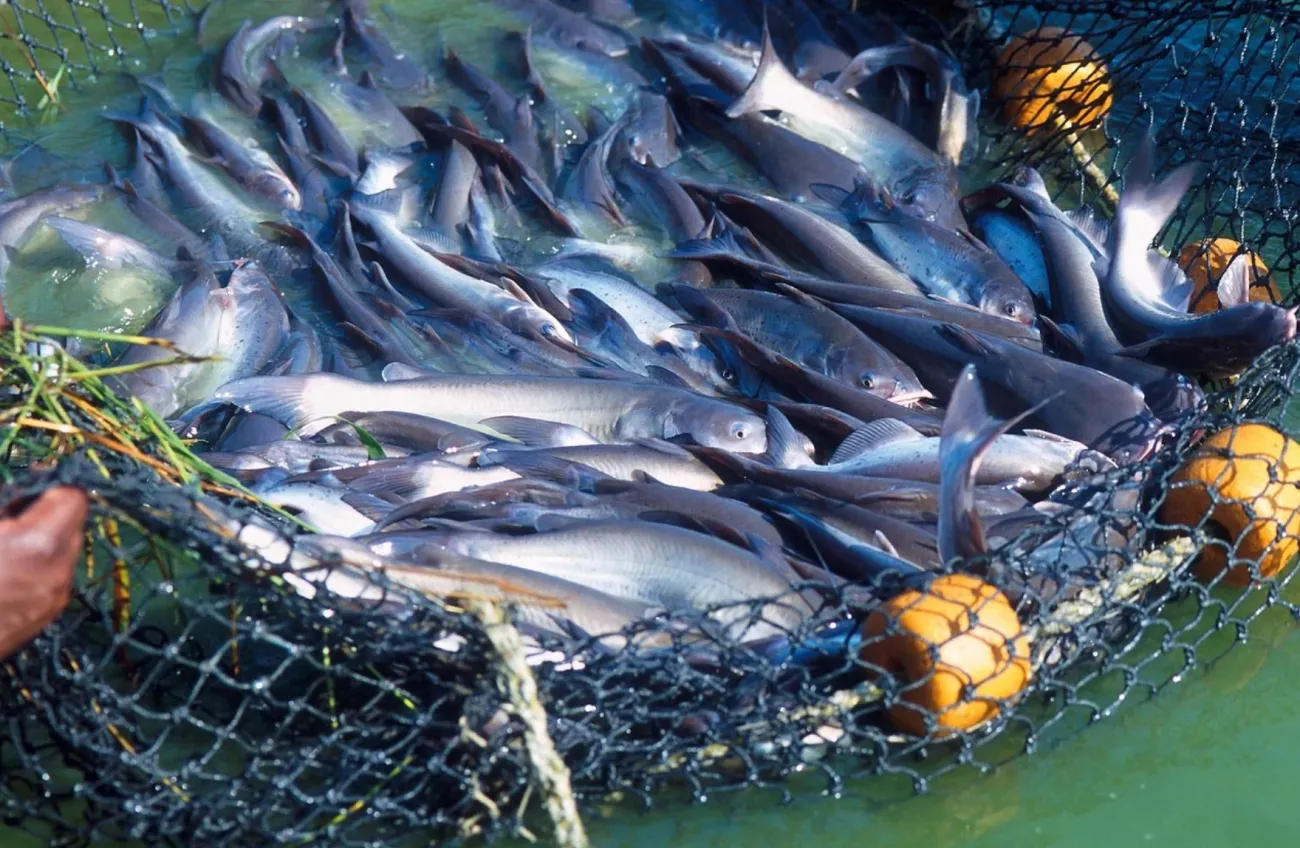
Image Journal articles Scenarios for global aquaculture and human nutrition This paper, co-authored by FCRN member David Little, sets out four scenarios for the global future of aquaculture - food sovereignty, blue internationalism, aqua-nationalism and aquatic chicken - and discusses how each scenario could affect human wellbeing and environmental health. Read
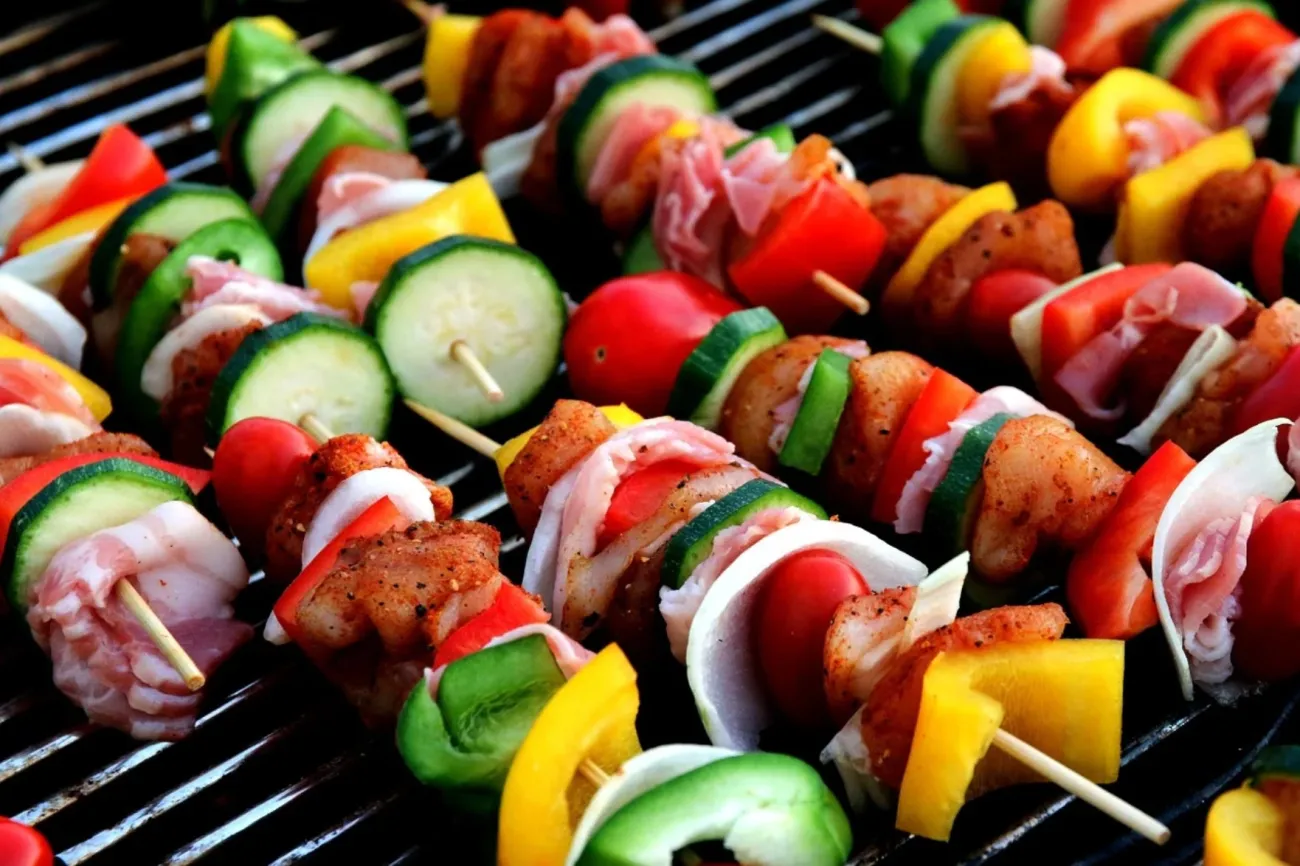
Image Journal articles Environmental and health impacts of Eatwell diets This study sets out the health impacts and environmental footprints of diets that meet the UK government’s Eatwell Guide recommendations, based on observational data from the UK’s National Diet and Nutrition Survey. Read
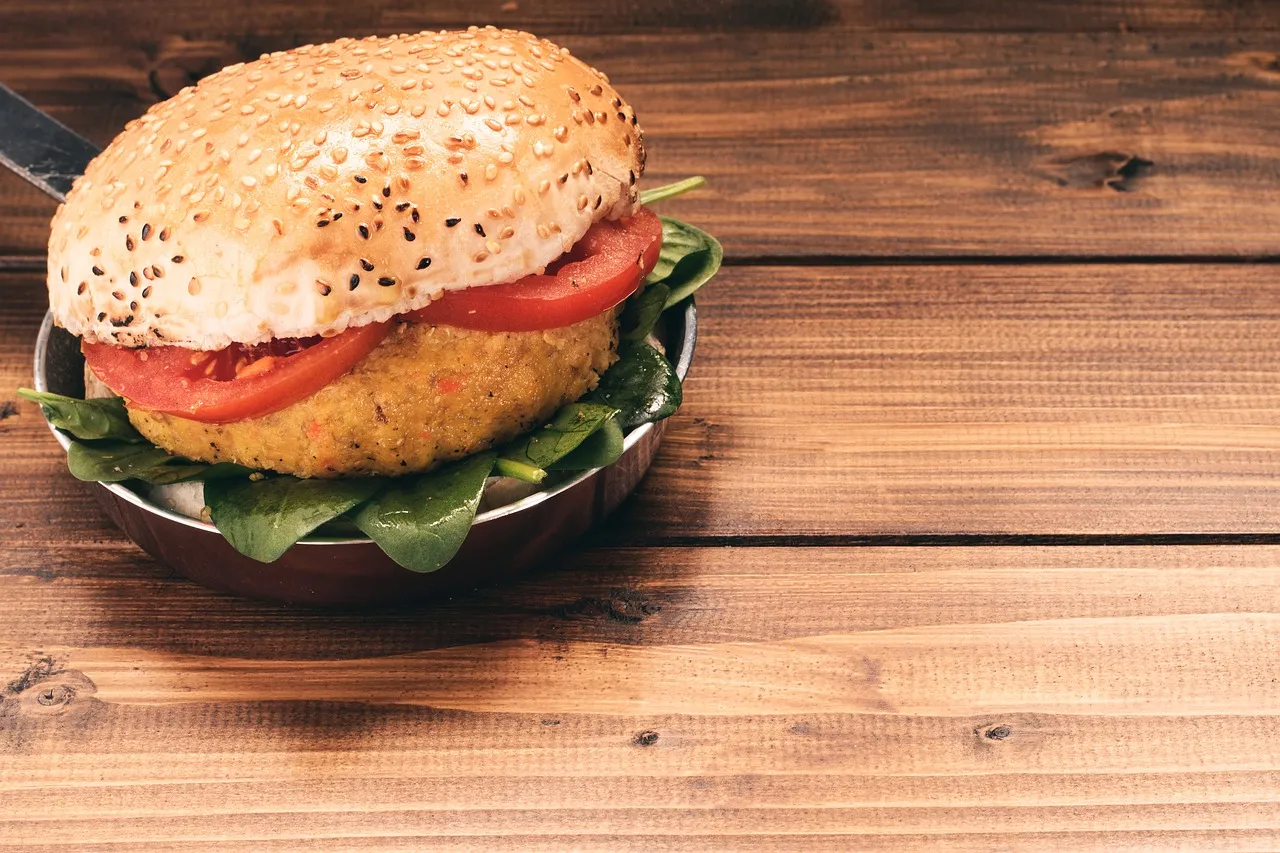
Image Featured articles Considering plant-based and cell-based meats In this paper, FCRN member Raychel Santo reviews evidence on the potential benefits and risks of the production and consumption of plant-based and cell-based meat alternatives. The paper covers implications for health, environmental performance, animal welfare, economy and policy. Read
Image News and resources The impacts of fat-filled milk powder exports to West Africa According to this article from POLITICO, dairy farmers in West Africa are being undercut by exports of “fat-filled milk powder” from the European Union. This product is a blend of dairy whey left over from processes such as butter manufacture and vegetable fats such as palm oil. Read
Image News and resources Higher Steaks produces lab-grown bacon and pork belly UK cultured meat startup Higher Steaks has created one of the world’s first lab-grown pork products (Mission Barns claims to have created, but not publicised, a lab-grown bacon prototype in May 2020). The Higher Steaks pork belly is made of 50% cultivated cells, and the bacon product contains 70% cultivated cells, with the remaining material being plant-based. Read
Image News and resources Outcomes of eDialogue: What future for small-scale farming? On July 16, 2020, the UN Sustainable Development Solutions Network and Foresight4Food co-hosted the first of a series of eDialogues on the future of small-scale farming. The first session gave an overview of the challenges smallholders face and opportunities for improvement in yields and standards of living. A video recording and written summary (PDF link) of the event are now available online. Read
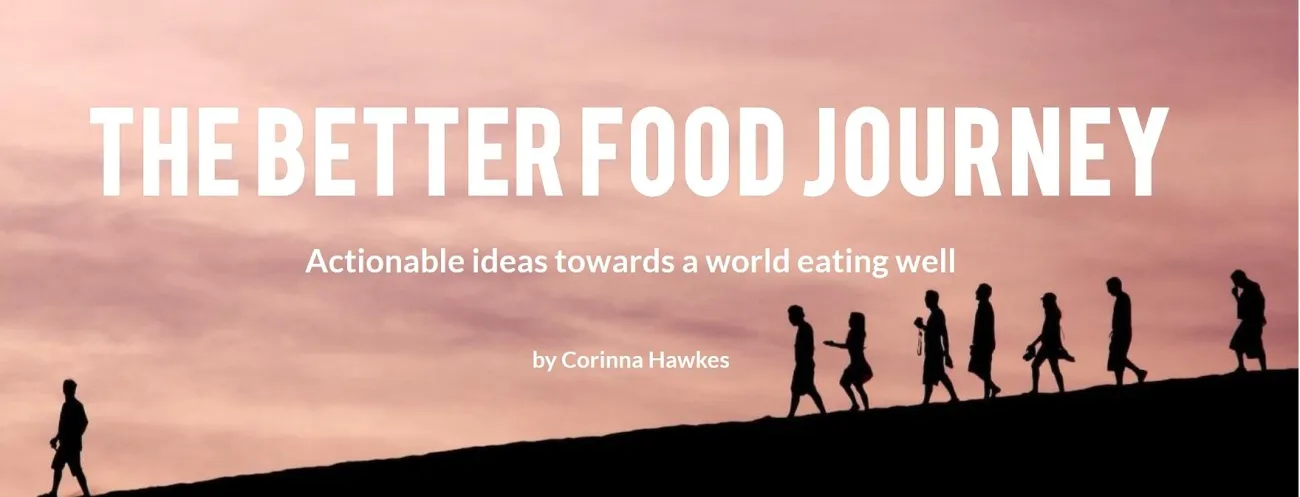
Image News and resources Acting despite uncertainty: restricting food marketing to kids Professor Corinna Hawkes, Director of the Centre for Food Policy at City, University of London, has launched a new blog called The Better Food Journey. In this blog post, Hawkes discusses the complexities of regulating the marketing of unhealthy food, noting that without advertising, food companies may instead try to compete by cutting prices or adding sugar. The blog post is topical since in July 2020 the UK government announced new restrictions on the advertising of foods high in fat, sugar and salt. Read
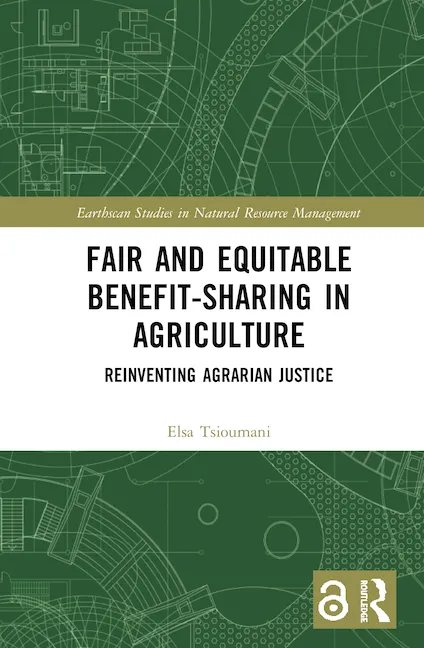
Image Books Fair and equitable benefit-sharing in agriculture (Open Access) This open access book explores the emergence and development of the legal concept of fair and equitable benefit-sharing, and its application in agriculture, covering agricultural research and development, land governance and grassroots initiatives. Read
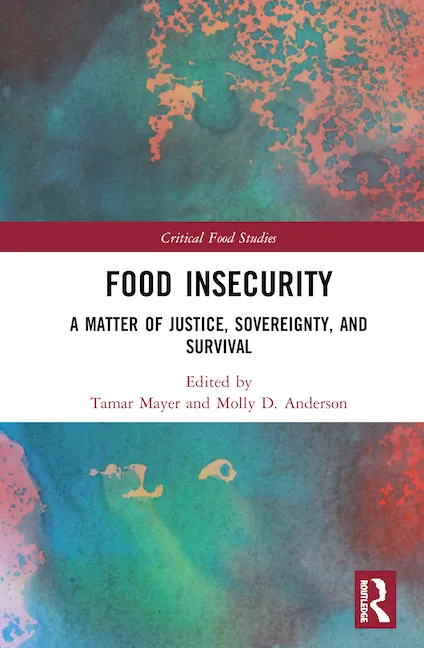
Image Books Food insecurity: A matter of justice, sovereignty, and survival This book uses case studies from across the world to examine the history of food insecurity and the role that food sovereignty could play in mitigating hunger. Read