Image Resources Our extensive research library contains thousands of summaries of journal articles, reports and news stories that can be searched by keyword and category RESOURCES CATEGORY Books Briefing paper Event recording Featured articles Featured report Game Journal articles News and resources Reports Think piece Video Working paper Workshop summary Year 2026 2025 2024 2023 2022 2021 2020 2019 2018 2017 2016 2015 2014 2013 2012 2011 2010 2009 2008 2007 2002 2001 Image Books Capitalism and the Commons This book examines the relationship between capitalism and the commons. Table readers may be particularly interested in the book’s discussion of agricultural land ownership and squatting, agroecological networks in Colombia, and women’s access to land in Africa. Read Image Books Instant Insights: Environmental impact of livestock production This book reviews the environmental impacts of livestock production, covering life cycle assessment, livestock’s contributions to greenhouse gas emissions including methane, the impacts of pig and sheep production, and strategies for improving the environmental performance of intensive poultry production. Read Image Reports WorldFish research and innovation strategy for aquatic foods This report from WorldFish (an international organisation that researches aquatic systems, with a focus on sustainable development in low- and middle-income countries) sets out a research strategy for sustainable and equitable global aquatic food systems for the next decade. Aquatic foods include finfish, shellfish, aquatic plants and algae such as seaweed, aquatic products used as animal feed, and synthetic alternatives to aquatic products (e.g. from cellular agriculture). Read Image Reports Sourcing Better: A pathway to less and better meat and dairy UK NGO Eating Better has launched a new framework to guide retailers and restaurants towards sourcing “better” meat, in line with its aim of halving UK meat and dairy consumption by 2050 and transitioning to “better” meat and dairy as standard. Read Image Reports Food system impacts on biodiversity loss This report from UK think tank Chatham House uses a literature review to identify three key levers that, it argues, are all essential for transforming food systems: encouraging plant-based diets, setting aside land for nature, and shifting to more sustainable farming. Read Image Journal articles Gels for atmospheric irrigation of soils This paper describes a method for irrigating agricultural soils in areas that are prone to drought or do not have access to water supplies. The system is based on a “super moisture absorbent gel” (SMAG), which absorbs moisture from the atmosphere and then releases it to the crops when heated by the sun. Read Image Journal articles Modelling different smallholder farming styles This paper, co-authored by Table member Simon Lloyd, simulates the likely implications for hunger and health of subsistence farmers either using a “peasant” (agroecological) or an “entrepreneurial” (input-heavy) style of farming, under a range of scenarios for climate and policy. The paper aims to move away from approaches to food security research that focus on the quantity and quality of food available, and towards one that considers the social and political factors that influence access to food and the viability of different farming options. The study models a generic landscape that is not intended to represent a particular location. Read Image Featured articles Getting the message right on nature‐based solutions This paper discusses the ways in which nature-based solutions (NbS) to climate change and biodiversity loss are framed and understood, and traces the growth of interest in NbS among researchers, governments, NGOs and the private sector. It sets out four guiding principles for policymakers, practitioners and researchers to implement NbS in ways that provide benefits to the environment and society. Read Image News and resources You are what you eat… you are what you invest in This opinion piece in Responsible Investor, by Rachel Crossley and Katie Gordon (both advisors to the Access to Nutrition Initiative), argues that nutrition is becoming an increasingly important issue for investors. The authors point to the economic impacts of malnutrition, growing consumer demand for healthy foods, and regulation by governments such as sugar taxes and marketing restrictions. Read VIEW MORE
Image Books Capitalism and the Commons This book examines the relationship between capitalism and the commons. Table readers may be particularly interested in the book’s discussion of agricultural land ownership and squatting, agroecological networks in Colombia, and women’s access to land in Africa. Read
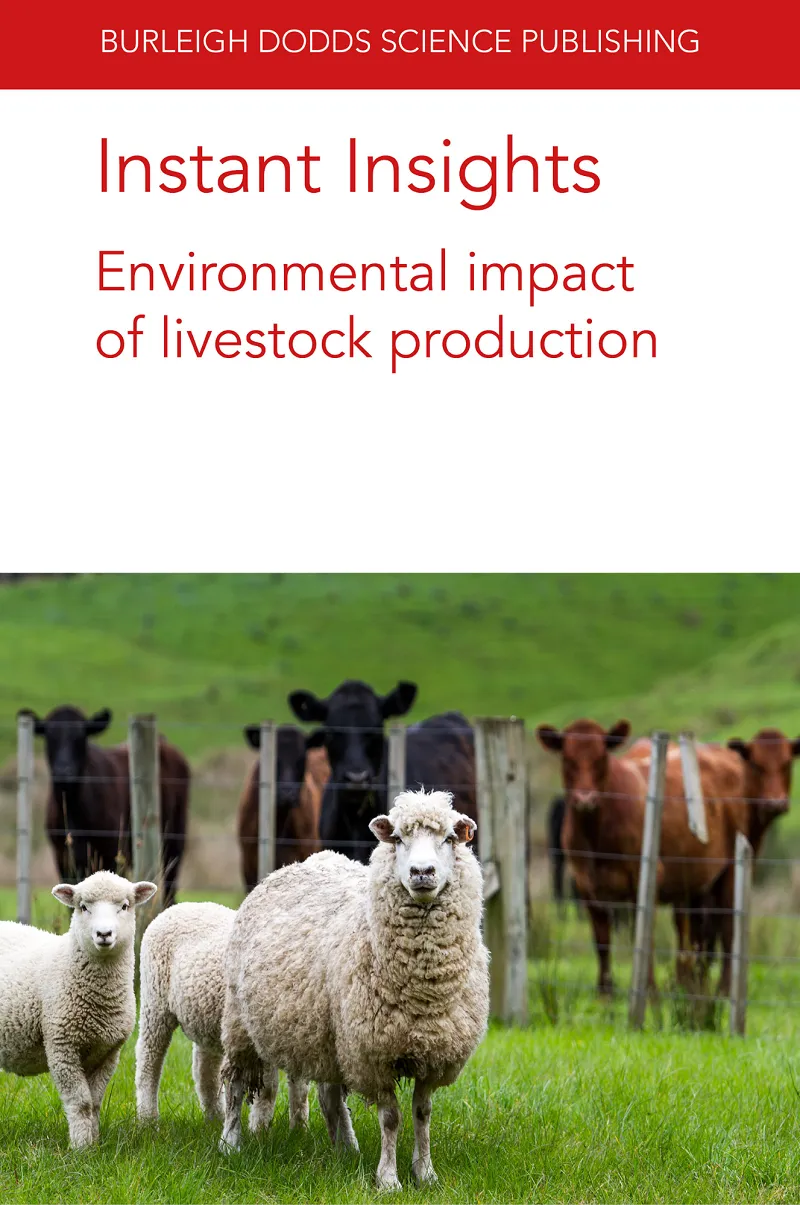
Image Books Instant Insights: Environmental impact of livestock production This book reviews the environmental impacts of livestock production, covering life cycle assessment, livestock’s contributions to greenhouse gas emissions including methane, the impacts of pig and sheep production, and strategies for improving the environmental performance of intensive poultry production. Read
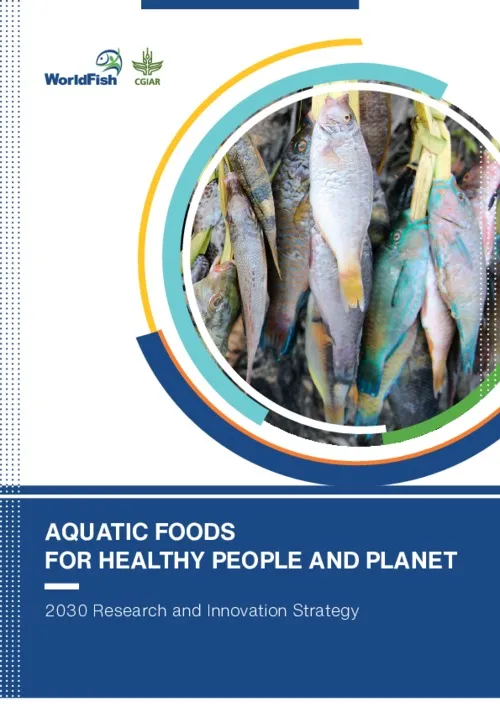
Image Reports WorldFish research and innovation strategy for aquatic foods This report from WorldFish (an international organisation that researches aquatic systems, with a focus on sustainable development in low- and middle-income countries) sets out a research strategy for sustainable and equitable global aquatic food systems for the next decade. Aquatic foods include finfish, shellfish, aquatic plants and algae such as seaweed, aquatic products used as animal feed, and synthetic alternatives to aquatic products (e.g. from cellular agriculture). Read
Image Reports Sourcing Better: A pathway to less and better meat and dairy UK NGO Eating Better has launched a new framework to guide retailers and restaurants towards sourcing “better” meat, in line with its aim of halving UK meat and dairy consumption by 2050 and transitioning to “better” meat and dairy as standard. Read
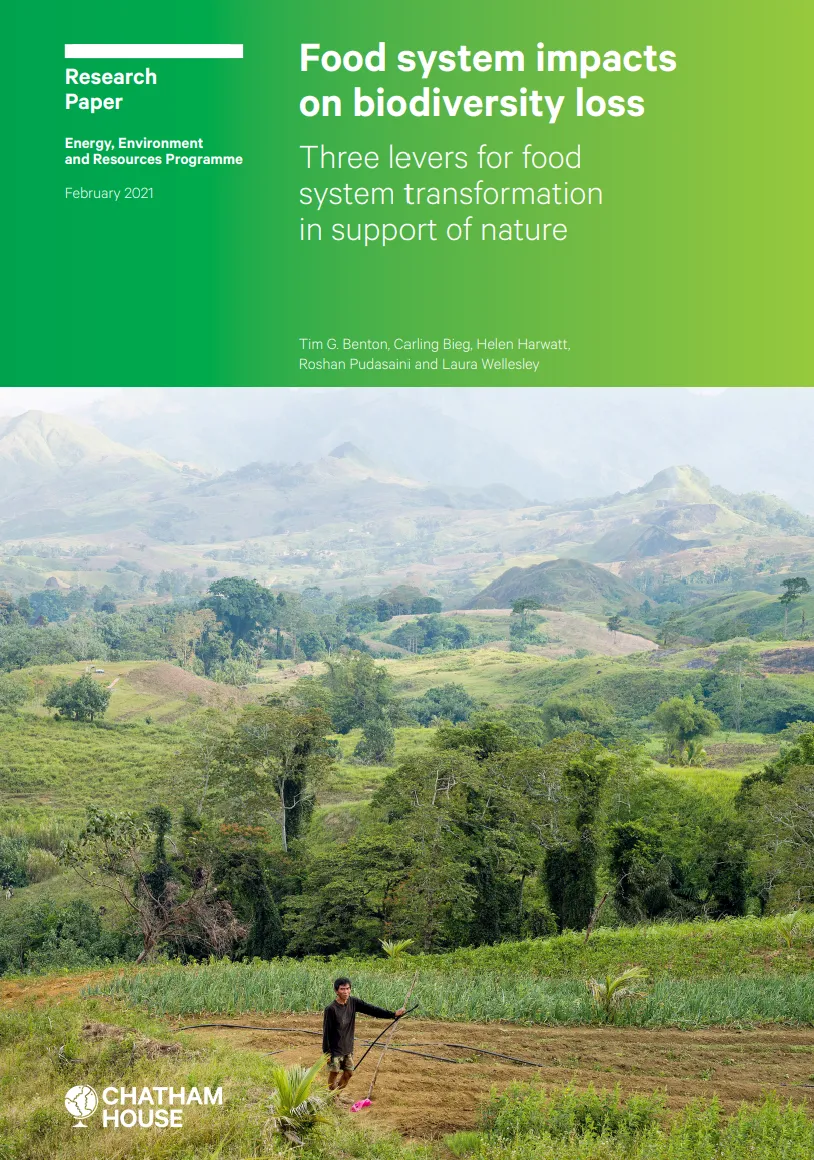
Image Reports Food system impacts on biodiversity loss This report from UK think tank Chatham House uses a literature review to identify three key levers that, it argues, are all essential for transforming food systems: encouraging plant-based diets, setting aside land for nature, and shifting to more sustainable farming. Read
Image Journal articles Gels for atmospheric irrigation of soils This paper describes a method for irrigating agricultural soils in areas that are prone to drought or do not have access to water supplies. The system is based on a “super moisture absorbent gel” (SMAG), which absorbs moisture from the atmosphere and then releases it to the crops when heated by the sun. Read
Image Journal articles Modelling different smallholder farming styles This paper, co-authored by Table member Simon Lloyd, simulates the likely implications for hunger and health of subsistence farmers either using a “peasant” (agroecological) or an “entrepreneurial” (input-heavy) style of farming, under a range of scenarios for climate and policy. The paper aims to move away from approaches to food security research that focus on the quantity and quality of food available, and towards one that considers the social and political factors that influence access to food and the viability of different farming options. The study models a generic landscape that is not intended to represent a particular location. Read
Image Featured articles Getting the message right on nature‐based solutions This paper discusses the ways in which nature-based solutions (NbS) to climate change and biodiversity loss are framed and understood, and traces the growth of interest in NbS among researchers, governments, NGOs and the private sector. It sets out four guiding principles for policymakers, practitioners and researchers to implement NbS in ways that provide benefits to the environment and society. Read
Image News and resources You are what you eat… you are what you invest in This opinion piece in Responsible Investor, by Rachel Crossley and Katie Gordon (both advisors to the Access to Nutrition Initiative), argues that nutrition is becoming an increasingly important issue for investors. The authors point to the economic impacts of malnutrition, growing consumer demand for healthy foods, and regulation by governments such as sugar taxes and marketing restrictions. Read