Image Resources Our extensive research library contains thousands of summaries of journal articles, reports and news stories that can be searched by keyword and category RESOURCES CATEGORY Books Briefing paper Event recording Featured articles Featured report Game Journal articles News and resources Reports Think piece Video Working paper Workshop summary Year 2026 2025 2024 2023 2022 2021 2020 2019 2018 2017 2016 2015 2014 2013 2012 2011 2010 2009 2008 2007 2002 2001 Image Reports Planting value in the food system This report from the UK’s Vegan Society explores how policies, principles and legislation could lead towards a sustainable plant-based food system. It aims to avoid a polarised “vegans vs. farmers” narrative and instead aims to find common ground between stakeholders. It uses a “multi-criteria lens” to consider the food system from the perspectives of animal equity, human health, economy and just work, climate change and ecosystems, and social and cultural values. Read Image Reports First Draft of The Post-2020 Global Biodiversity Framework The United Nations Convention on Biological Diversity has released the first draft of a new Global Biodiversity Framework. The framework is built around a vision of “living in harmony with nature” by 2050, and sets out 21 targets for protecting biodiversity to be achieved by 2030. It stresses that civil society, indigenous and local communities, women, youth and business and finance communities must all be involved in implementing the framework. Read Image Reports National Food Strategy sets out plan for England The National Food Strategy, an independent review led by Henry Dimbleby for the UK Government, sets out a vision for the future food system, focusing primarily on England. Describing itself as “an interventionist strategy”, it aims to change diets between 2019 and 2032 to include 30% more fruit and vegetables, 50% more fibre, 25% less HFSS food (high in fat, sugar or salt), and 30% less meat (of all kinds). Read Image Journal articles Nutrient comparison of plant-based and grass-fed meat This paper compares detailed nutritional properties of burgers made from a plant-based meat replacement (based on soy) and from grass-fed ground beef. It concludes that, although the macronutrient contents (e.g. protein, fat) of both options are similar enough that consumers reading nutrition labels may view them as nutritionally interchangeable, there are significant differences between the two in the levels of 171 out of 190 metabolites studied. Read Image Journal articles Values and conflict in the UK meat tax debate In this paper, TABLE member Philippa Simmonds analyses the debate around meat taxes in the UK, using media analysis and interviews with key stakeholders, and assesses how perspectives in the debate align with various political ideologies. Read Image Journal articles Legume dreams: Contested futures of plant-based food In this paper, George Cusworth, Tara Garnett and Jamie Lorimer of the Oxford Livestock, Environment and People (LEAP) project explore six narratives about the role that legumes can play in the future European food system. They identify three issues that these narratives are responding to as well as three areas of consensus about the potential of legumes. Read Image Event recording Recording: Ask the Author: True Cost Accounting for Food On 9 July 2021, TABLE and the Global Alliance for the Future of Food co-hosted an “Ask The Author” session with Carl Obst (IDEAA-group) and Lauren Baker (GA), discussing Chapter 1 "From Practice to Policy: New Metrics for the 21st Century", from the new 2021 book True Cost Accounting for Food: Balancing the Scale. Read Image News and resources Wageningen Alternative Protein podcast series The Wageningen Alternative Protein Project, a student-led initiative, has launched a new podcast series on alternative protein and the technologies used to produce it. Read Image News and resources Eco-labels to be trialled with European food brands A pilot of environmental labelling on selected food products is launching in the UK in September 2021. The aim of the pilot is to test consumer responses ahead of a roll-out across the UK and European Union in 2022. The scheme is run by UK non-profit Foundation Earth and supported by supermarkets and food brands including Marks & Spencer, Sainsbury’s, Co-op Food, Nestlé and Tyson Foods. Read VIEW MORE
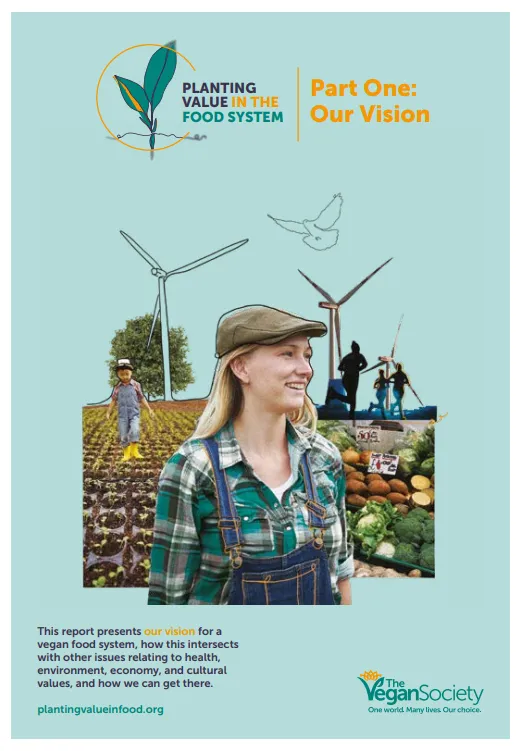
Image Reports Planting value in the food system This report from the UK’s Vegan Society explores how policies, principles and legislation could lead towards a sustainable plant-based food system. It aims to avoid a polarised “vegans vs. farmers” narrative and instead aims to find common ground between stakeholders. It uses a “multi-criteria lens” to consider the food system from the perspectives of animal equity, human health, economy and just work, climate change and ecosystems, and social and cultural values. Read
Image Reports First Draft of The Post-2020 Global Biodiversity Framework The United Nations Convention on Biological Diversity has released the first draft of a new Global Biodiversity Framework. The framework is built around a vision of “living in harmony with nature” by 2050, and sets out 21 targets for protecting biodiversity to be achieved by 2030. It stresses that civil society, indigenous and local communities, women, youth and business and finance communities must all be involved in implementing the framework. Read
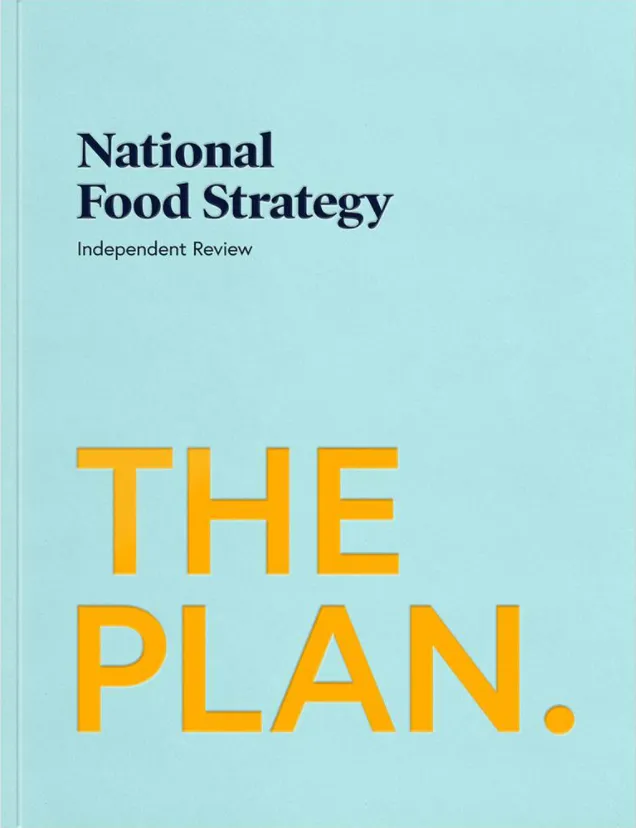
Image Reports National Food Strategy sets out plan for England The National Food Strategy, an independent review led by Henry Dimbleby for the UK Government, sets out a vision for the future food system, focusing primarily on England. Describing itself as “an interventionist strategy”, it aims to change diets between 2019 and 2032 to include 30% more fruit and vegetables, 50% more fibre, 25% less HFSS food (high in fat, sugar or salt), and 30% less meat (of all kinds). Read
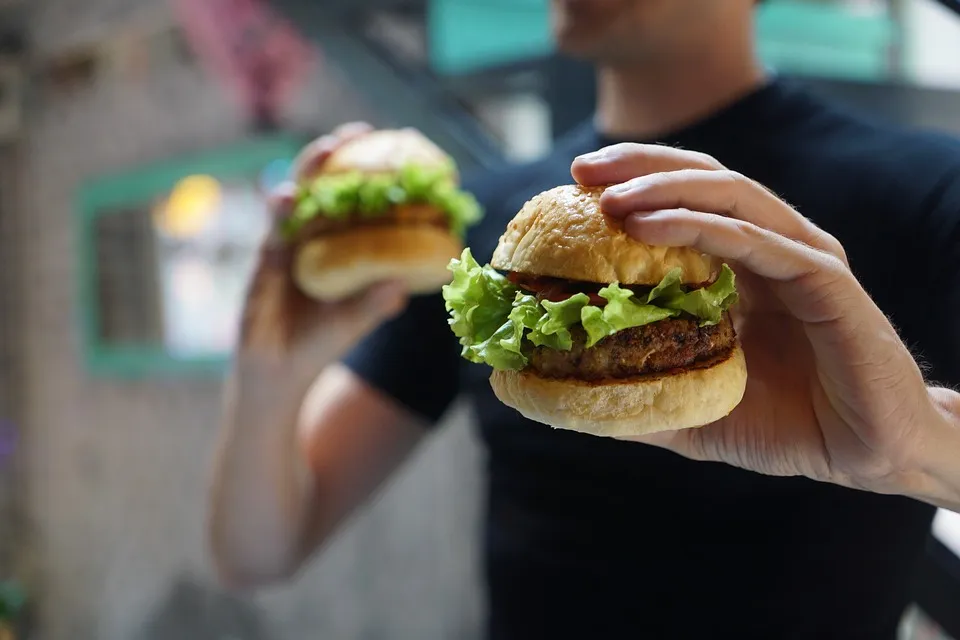
Image Journal articles Nutrient comparison of plant-based and grass-fed meat This paper compares detailed nutritional properties of burgers made from a plant-based meat replacement (based on soy) and from grass-fed ground beef. It concludes that, although the macronutrient contents (e.g. protein, fat) of both options are similar enough that consumers reading nutrition labels may view them as nutritionally interchangeable, there are significant differences between the two in the levels of 171 out of 190 metabolites studied. Read
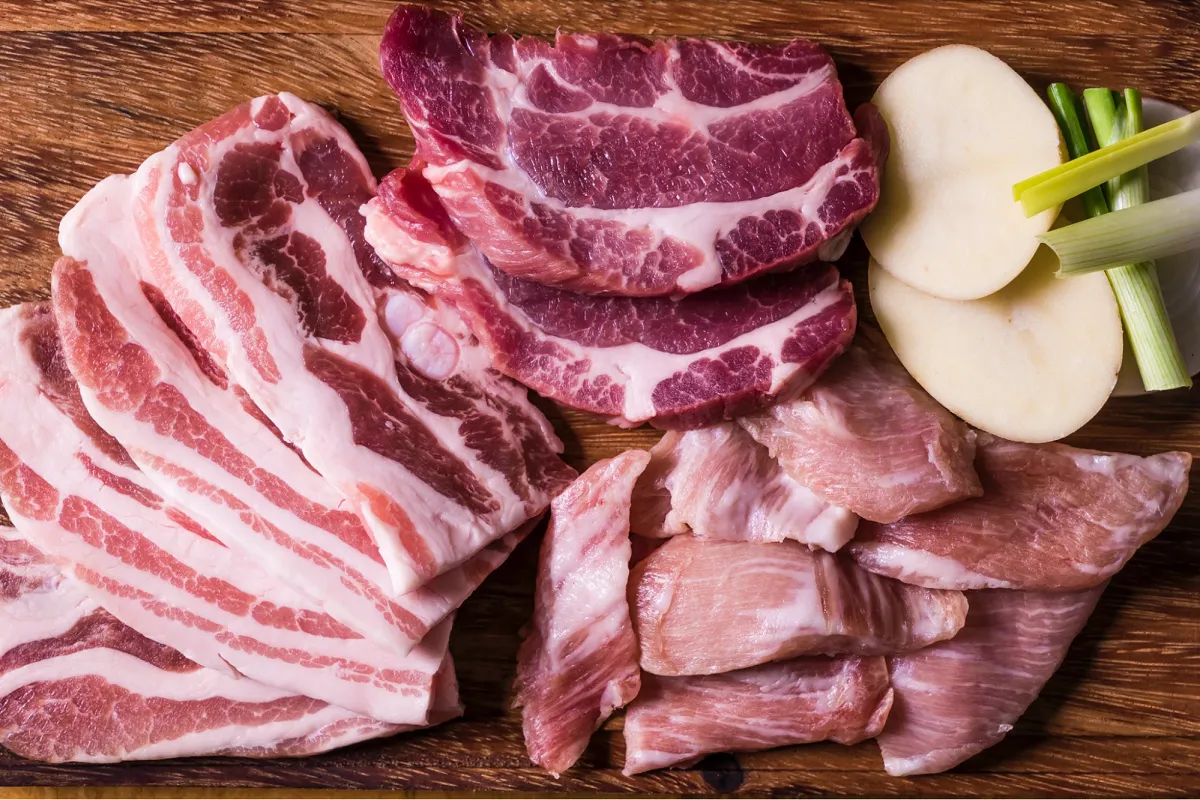
Image Journal articles Values and conflict in the UK meat tax debate In this paper, TABLE member Philippa Simmonds analyses the debate around meat taxes in the UK, using media analysis and interviews with key stakeholders, and assesses how perspectives in the debate align with various political ideologies. Read
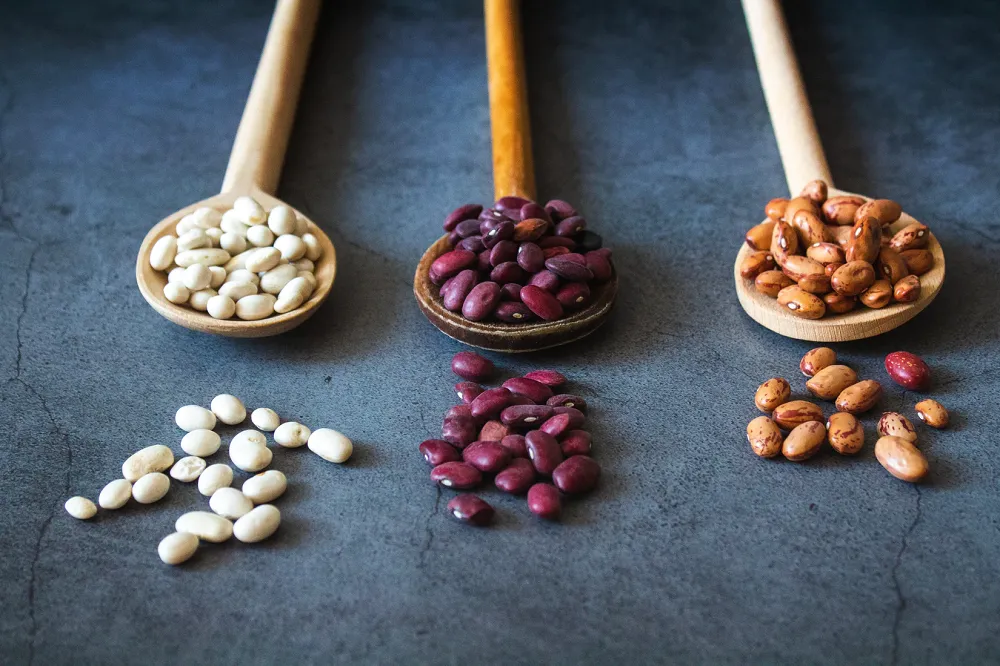
Image Journal articles Legume dreams: Contested futures of plant-based food In this paper, George Cusworth, Tara Garnett and Jamie Lorimer of the Oxford Livestock, Environment and People (LEAP) project explore six narratives about the role that legumes can play in the future European food system. They identify three issues that these narratives are responding to as well as three areas of consensus about the potential of legumes. Read
Image Event recording Recording: Ask the Author: True Cost Accounting for Food On 9 July 2021, TABLE and the Global Alliance for the Future of Food co-hosted an “Ask The Author” session with Carl Obst (IDEAA-group) and Lauren Baker (GA), discussing Chapter 1 "From Practice to Policy: New Metrics for the 21st Century", from the new 2021 book True Cost Accounting for Food: Balancing the Scale. Read
Image News and resources Wageningen Alternative Protein podcast series The Wageningen Alternative Protein Project, a student-led initiative, has launched a new podcast series on alternative protein and the technologies used to produce it. Read
Image News and resources Eco-labels to be trialled with European food brands A pilot of environmental labelling on selected food products is launching in the UK in September 2021. The aim of the pilot is to test consumer responses ahead of a roll-out across the UK and European Union in 2022. The scheme is run by UK non-profit Foundation Earth and supported by supermarkets and food brands including Marks & Spencer, Sainsbury’s, Co-op Food, Nestlé and Tyson Foods. Read