Image Resources Our extensive research library contains thousands of summaries of journal articles, reports and news stories that can be searched by keyword and category RESOURCES CATEGORY Books Briefing paper Event recording Featured articles Featured report Game Journal articles News and resources Reports Think piece Video Working paper Workshop summary Year 2026 2025 2024 2023 2022 2021 2020 2019 2018 2017 2016 2015 2014 2013 2012 2011 2010 2009 2008 2007 2002 2001 Image News and resources Blog: False Economies of Scale - why big isn’t always better Industrial-scale supply chains in the fresh produce sector are forcing farmers to adopt environmentally damaging practices, argues this Food Research Collaboration blog post by Rebecca Laughton of the UK’s Landworkers’ Alliance. Laughton suggests that local or decentralised supply chains are a better option for farmers, for example vegetable box schemes that connect agroecological farms to consumers. Read Image Books Research methods in digital food studies This book gives an overview of research methods used in the study of the relationship between food and digital and social media. Chapters cover textual analysis of websites and videos, digital ethnography, digital food networks, the influence of apps and social media on food habits, and digital archives and network analysis. Read Image Books Toxic Legacy: Glyphosate’s effects on health and environment This book argues that glyphosate, the most commonly used weedkiller in the world, disrupts the gut microbiome and is linked to chronic diseases in humans as well as to soil degeneration and harm to wildlife. Read Image Reports Principles and framework for food systems transformation This report from the Global Alliance for the Future of Food sets out a framework (and a worked example of using the framework) to guide the actions of individuals and organisations working on systems transformation. The framework is built around the seven principles of the Global Alliance, which are: renewability, resilience, health, equity, diversity, inclusion, and interconnectedness. Read Image Reports How to transform food systems: 7 Calls to Action This report from the Global Alliance for the Future of Food calls for action in seven areas to transform the food system. The seven areas are drawn from a synthesis of the Global Alliance’s previous dialogue events and reports. For each area, the report also presents a “Beacon of Hope” - an example of the action being successfully implemented. Read Image Reports IPBES-IPCC workshop: Biodiversity and climate change This report details a workshop held jointly by the Intergovernmental Panel on Climate Change (IPCC) and the Intergovernmental Platform on Biodiversity and Ecosystem Services (IPBES) - the first collaboration between the two institutions. The workshop aimed to clarify the complex interactions between climate change and biodiversity. The report emphasises that these two issues must be addressed together. Read Image Reports How the Gates Foundation is driving the food system This report from international non-profit GRAIN analyses all food and agriculture grants made by the Bill & Melinda Gates Foundation, aiming to understand how the Foundation is influencing the food system. It finds that while most of the grants are supposedly targeted towards African farmers, most of the funding actually goes to groups in North America and Europe, including research, development and policy organisations. The report argues that the Foundation has a harmful influence and that its activities gloss over the knowledge, technologies and biodiversity that farmers in the Global South already possess. Read Image Reports Livestock-derived foods and sustainable healthy diet This discussion paper from UN Nutrition examines the role that livestock can play in contributing to nutrition, particularly for young children and in low-income settings, and the impacts of livestock on the environment. It aims to go beyond blanket messages about livestock-derived food and instead provide a nuanced overview of how the role of livestock in sustainable healthy diets depends on local context and specific production methods. It concludes that some groups of people - such as those already eating high levels of livestock-derived foods - could improve both health and environmental impacts by reducing their consumption. Read Image Journal articles Paradigm shifts in aquatic food production This paper presents two qualitative narratives for possible futures of seafood production: a transition from fisheries towards aquaculture, and the co-existence of both fisheries and aquaculture. Within each narrative, the authors examine what could happen in the presence or absence of regulation. Read VIEW MORE
Image News and resources Blog: False Economies of Scale - why big isn’t always better Industrial-scale supply chains in the fresh produce sector are forcing farmers to adopt environmentally damaging practices, argues this Food Research Collaboration blog post by Rebecca Laughton of the UK’s Landworkers’ Alliance. Laughton suggests that local or decentralised supply chains are a better option for farmers, for example vegetable box schemes that connect agroecological farms to consumers. Read
Image Books Research methods in digital food studies This book gives an overview of research methods used in the study of the relationship between food and digital and social media. Chapters cover textual analysis of websites and videos, digital ethnography, digital food networks, the influence of apps and social media on food habits, and digital archives and network analysis. Read
Image Books Toxic Legacy: Glyphosate’s effects on health and environment This book argues that glyphosate, the most commonly used weedkiller in the world, disrupts the gut microbiome and is linked to chronic diseases in humans as well as to soil degeneration and harm to wildlife. Read
Image Reports Principles and framework for food systems transformation This report from the Global Alliance for the Future of Food sets out a framework (and a worked example of using the framework) to guide the actions of individuals and organisations working on systems transformation. The framework is built around the seven principles of the Global Alliance, which are: renewability, resilience, health, equity, diversity, inclusion, and interconnectedness. Read
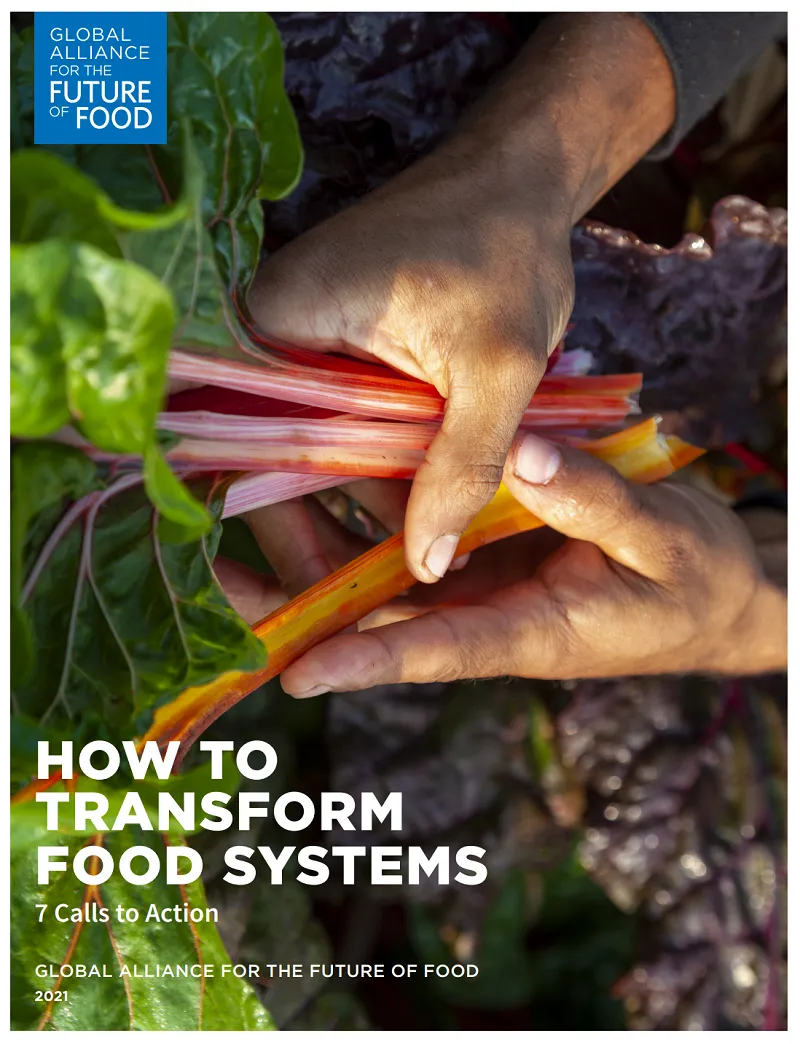
Image Reports How to transform food systems: 7 Calls to Action This report from the Global Alliance for the Future of Food calls for action in seven areas to transform the food system. The seven areas are drawn from a synthesis of the Global Alliance’s previous dialogue events and reports. For each area, the report also presents a “Beacon of Hope” - an example of the action being successfully implemented. Read
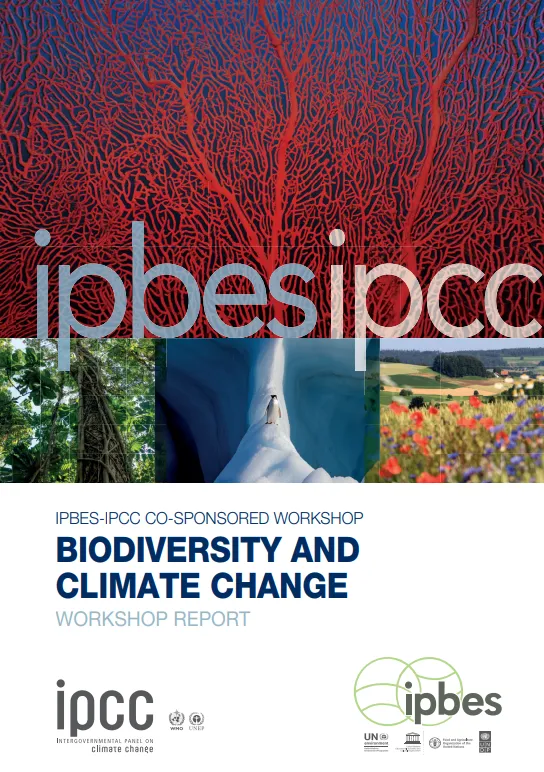
Image Reports IPBES-IPCC workshop: Biodiversity and climate change This report details a workshop held jointly by the Intergovernmental Panel on Climate Change (IPCC) and the Intergovernmental Platform on Biodiversity and Ecosystem Services (IPBES) - the first collaboration between the two institutions. The workshop aimed to clarify the complex interactions between climate change and biodiversity. The report emphasises that these two issues must be addressed together. Read
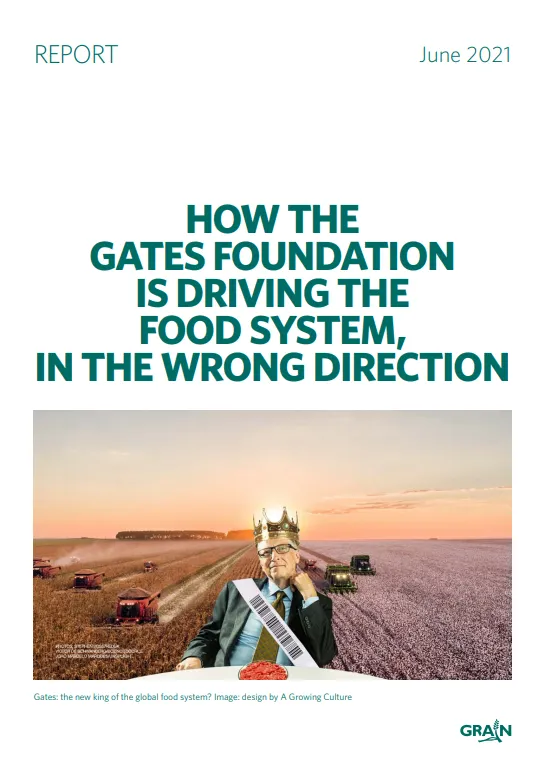
Image Reports How the Gates Foundation is driving the food system This report from international non-profit GRAIN analyses all food and agriculture grants made by the Bill & Melinda Gates Foundation, aiming to understand how the Foundation is influencing the food system. It finds that while most of the grants are supposedly targeted towards African farmers, most of the funding actually goes to groups in North America and Europe, including research, development and policy organisations. The report argues that the Foundation has a harmful influence and that its activities gloss over the knowledge, technologies and biodiversity that farmers in the Global South already possess. Read
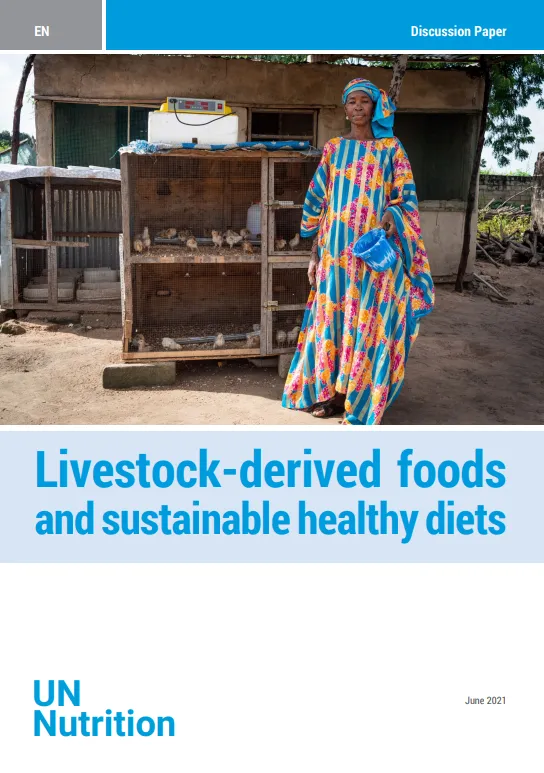
Image Reports Livestock-derived foods and sustainable healthy diet This discussion paper from UN Nutrition examines the role that livestock can play in contributing to nutrition, particularly for young children and in low-income settings, and the impacts of livestock on the environment. It aims to go beyond blanket messages about livestock-derived food and instead provide a nuanced overview of how the role of livestock in sustainable healthy diets depends on local context and specific production methods. It concludes that some groups of people - such as those already eating high levels of livestock-derived foods - could improve both health and environmental impacts by reducing their consumption. Read
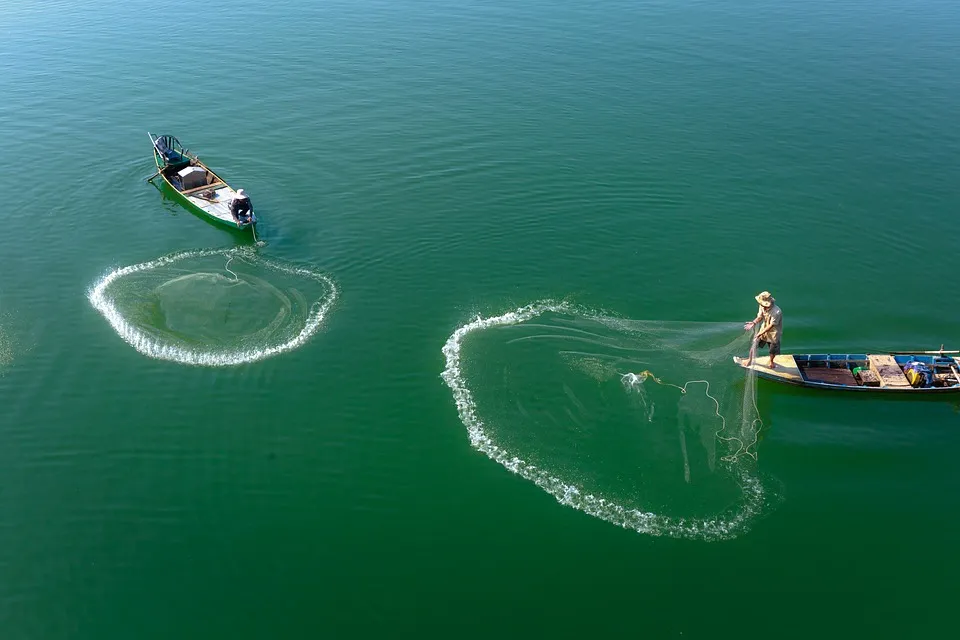
Image Journal articles Paradigm shifts in aquatic food production This paper presents two qualitative narratives for possible futures of seafood production: a transition from fisheries towards aquaculture, and the co-existence of both fisheries and aquaculture. Within each narrative, the authors examine what could happen in the presence or absence of regulation. Read