Image Resources Our extensive research library contains thousands of summaries of journal articles, reports and news stories that can be searched by keyword and category RESOURCES CATEGORYBooksBriefing paperEvent recordingFeatured articlesFeatured reportGameJournal articlesNews and resourcesReportsThink pieceVideoWorking paperWorkshop summary YEAR201220132014201520162017201820192020202120222023202420252026 Image Resource Emissions reduction: Scrutinize CO2 Removal Methods In this Nature Comment, Phil Williamson of the Natural England Research Council and the University of East Anglia, argues that in order for the climate goals agreed at the COP21 in Paris last year to be achieved, a full assessment must be made of the methods for removing carbon dioxide (CO2) from the atmosphere. Read Image Resource Integrated crop water management might sustainably halve the global food gap In this paper by researchers from Germany, Kenya, Australia and Sweden, a modeling approach is taken to ascertain the efficacy of applying improved water management techniques on a large scale to increase yields to help meet global demand for food. Read Image Resource Loss of phosphorus from soils a threat to sustainable intensification of grasslands In this study, researchers from the Netherlands and Italy investigate the long-term (past and future) changes in phosphorus (P) budgets in grasslands used for grazing and in connection with croplands. The authors recognise a lack in the literature of studies characterising the P cycle in relation to grasslands and croplands, and - as grass-dependent livestock demand is increasing – they seek to address this lack of understanding. Read Image Resource Composition differences between organic and conventional meat and milk Two recent systematic literature reviews conclude that both organic milk and meat contain around 50% more beneficial omega-3 fatty acids than conventionally produced products. The team led by Newcastle University, reviewed 196 papers on milk and 67 papers on meat and found clear differences between organic and conventional milk and meat, especially in terms of fatty acid composition, and the concentrations of certain essential minerals and antioxidants. Read Image Resource Synthesis reports: organic agriculture positively affects a number of public benefits, but more detailed research needed to fully understand impacts on health In a major report, ICROFS (International Centre for Research in Organic Food Systems) at Aarhus University, Denmark evaluates the health and environmental impacts of organic versus conventionally farmed foods. Read Image Resource Organic agriculture in the twenty-first century: a farming practice that can help feed the future if done right A new paper argues that organic farming has significant potential to feed a growing world population as global temperatures increase. The researchers examine the performance of organic farming in light of four key sustainability metrics: productivity, environmental impact, economic viability and social wellbeing. Read Image Resource How food procurement can make a climate difference This blog post by Public Health England highlights the the UK food and agriculture industry’s contribution to global climate change and environmental degradation, and the steps the Government is taking or has taken in light of this. Read Image Resource Entomics: Cambridge-based start-up turning food waste into biofuel with the help of Black Soldier Flies The Cambridge News reports on a recent start-up called Entomics, who are researching and developing the use of Black Soldier Fly larvae as a means of converting food waste into compounds that can be extracted and turned into more useful products. Read Image Resource New knowledge-sharing initiative to measure and reduce food loss and waste The FAO announce the launch of their new initiative: The Technical Platform on the Measurement and Reduction of Food Loss and Waste. Read VIEW MORE
Image Resource Emissions reduction: Scrutinize CO2 Removal Methods In this Nature Comment, Phil Williamson of the Natural England Research Council and the University of East Anglia, argues that in order for the climate goals agreed at the COP21 in Paris last year to be achieved, a full assessment must be made of the methods for removing carbon dioxide (CO2) from the atmosphere. Read
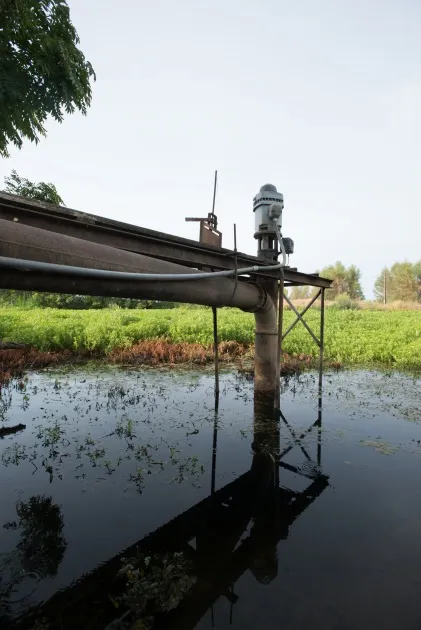
Image Resource Integrated crop water management might sustainably halve the global food gap In this paper by researchers from Germany, Kenya, Australia and Sweden, a modeling approach is taken to ascertain the efficacy of applying improved water management techniques on a large scale to increase yields to help meet global demand for food. Read
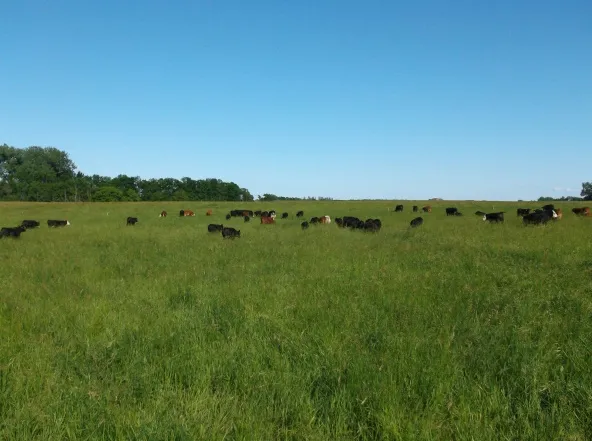
Image Resource Loss of phosphorus from soils a threat to sustainable intensification of grasslands In this study, researchers from the Netherlands and Italy investigate the long-term (past and future) changes in phosphorus (P) budgets in grasslands used for grazing and in connection with croplands. The authors recognise a lack in the literature of studies characterising the P cycle in relation to grasslands and croplands, and - as grass-dependent livestock demand is increasing – they seek to address this lack of understanding. Read
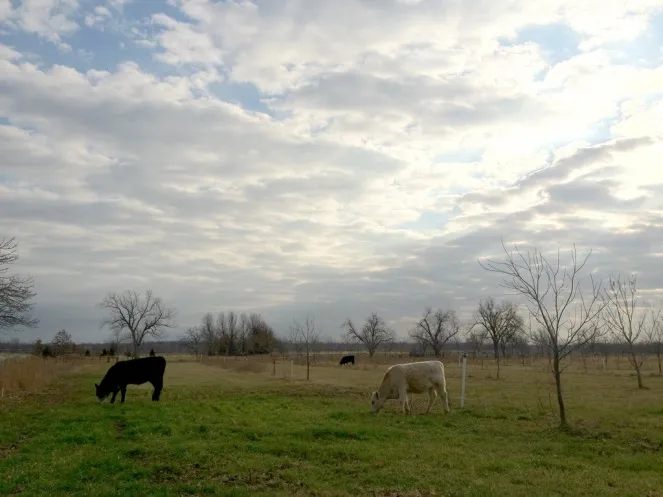
Image Resource Composition differences between organic and conventional meat and milk Two recent systematic literature reviews conclude that both organic milk and meat contain around 50% more beneficial omega-3 fatty acids than conventionally produced products. The team led by Newcastle University, reviewed 196 papers on milk and 67 papers on meat and found clear differences between organic and conventional milk and meat, especially in terms of fatty acid composition, and the concentrations of certain essential minerals and antioxidants. Read
Image Resource Synthesis reports: organic agriculture positively affects a number of public benefits, but more detailed research needed to fully understand impacts on health In a major report, ICROFS (International Centre for Research in Organic Food Systems) at Aarhus University, Denmark evaluates the health and environmental impacts of organic versus conventionally farmed foods. Read
Image Resource Organic agriculture in the twenty-first century: a farming practice that can help feed the future if done right A new paper argues that organic farming has significant potential to feed a growing world population as global temperatures increase. The researchers examine the performance of organic farming in light of four key sustainability metrics: productivity, environmental impact, economic viability and social wellbeing. Read
Image Resource How food procurement can make a climate difference This blog post by Public Health England highlights the the UK food and agriculture industry’s contribution to global climate change and environmental degradation, and the steps the Government is taking or has taken in light of this. Read
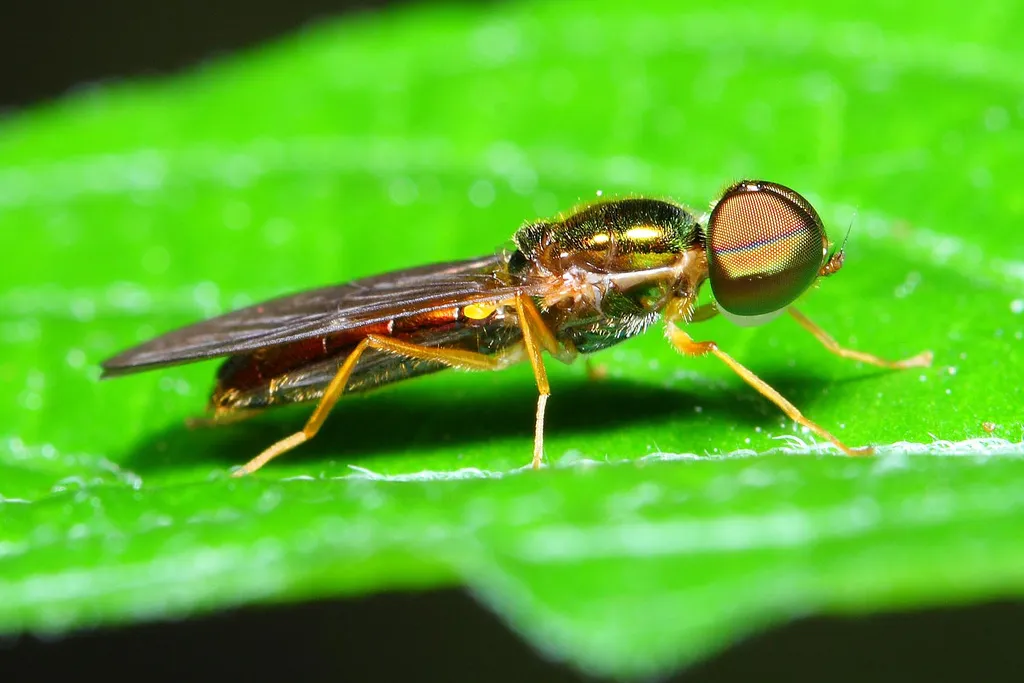
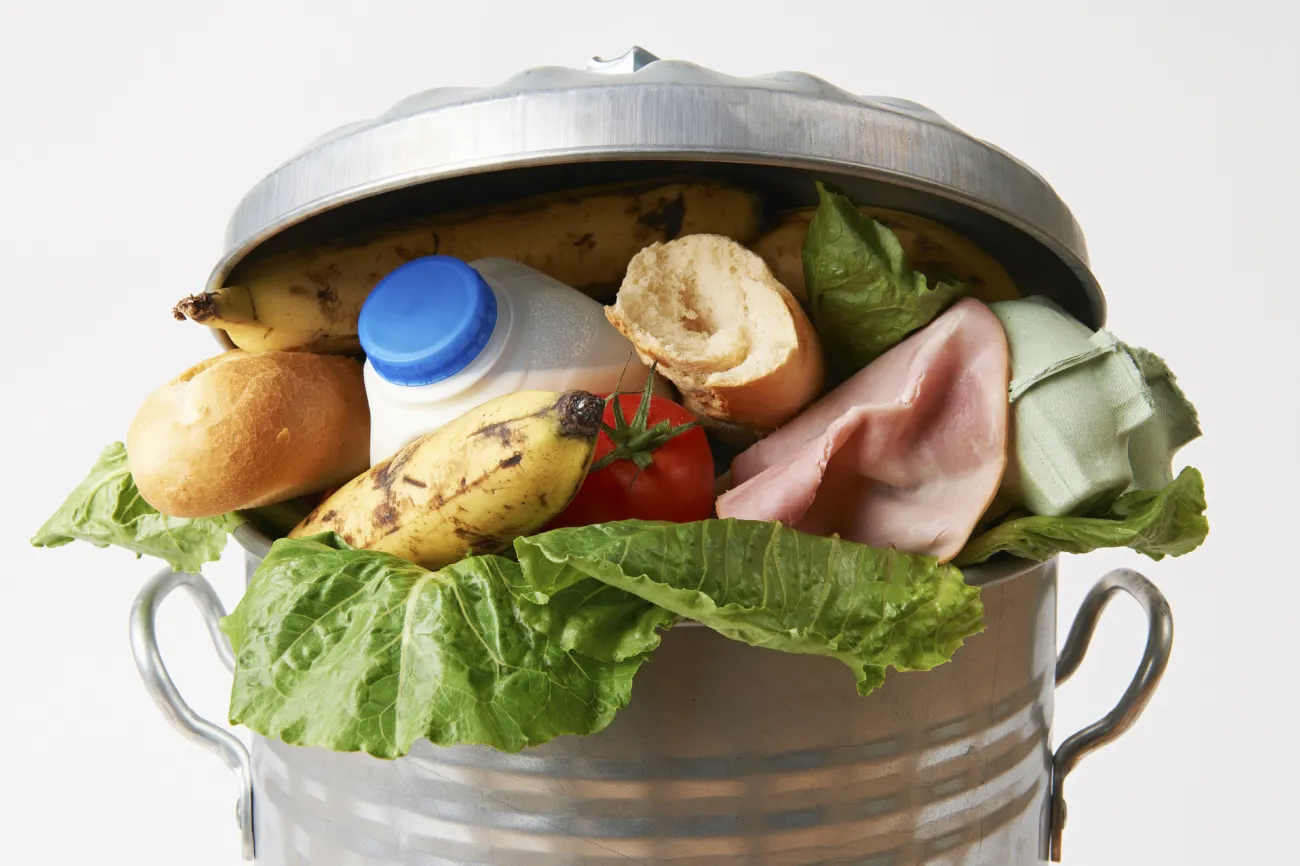
Image Resource Entomics: Cambridge-based start-up turning food waste into biofuel with the help of Black Soldier Flies The Cambridge News reports on a recent start-up called Entomics, who are researching and developing the use of Black Soldier Fly larvae as a means of converting food waste into compounds that can be extracted and turned into more useful products. Read
Image Resource New knowledge-sharing initiative to measure and reduce food loss and waste The FAO announce the launch of their new initiative: The Technical Platform on the Measurement and Reduction of Food Loss and Waste. Read