Close
Login Register
Search
  • About
    • What We Do
    • Who We Are
    • FAQs
  • Our Writing
    • Explainers
    • Essays
    • Letterbox
    • Reports & More
  • Podcasts
  • Our Events
  • Projects
    • Power In The Food Systems
    • Local-Global Scale Project
    • MEAT: The Four Futures Podcast
    • Fuel To Fork
    • Nature
    • Reckoning with Regeneration
    • SHIFT
    • Rethinking the Global Soy Dilemma
  • Resources
  • Opportunities
    • Jobs
    • Funding
    • Courses
    • Collaborations
    • Events
  • Newsletter
  • TABLE (EN)
Search
Back

Substitutes for meat & dairy

Resource
Overview on development in 2017 towards a sustainable protein system
This piece by the international NGO Futures Centre highlights the emergence of some innovative solutions that could help the transition to a sustainable protein consumption and production system.
Read
Image
Resource
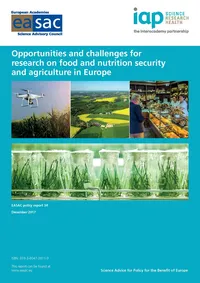
Report from European science academies on opportunities and challenges for European food and nutrition security and agriculture
Scientists from national academies across Europe are calling for urgent action on food and nutrition in a new independent report published by the European Academies’ Science Advisory Council (EASAC). This analysis can be relevant for policy-makers working on food, nutrition, health, the environment, climate change, and agriculture.
Read
Image
Resource
Mayor de Blasio announces Meatless Monday pilot in NYC schools
New York City mayor Bill de Blasio, schools chancellor Carmen Fariña and Brooklyn borough president Eric Adams announced that 15 Brooklyn schools will participate in Meatless Mondays in spring 2018. The program will provide participating schools with healthy, all-vegetarian breakfast and lunch menus every Monday. The NYC mayor, First Lady Chirlane McCray and Gracie Mansion will also go meatless for all Monday meals.
Read
Image
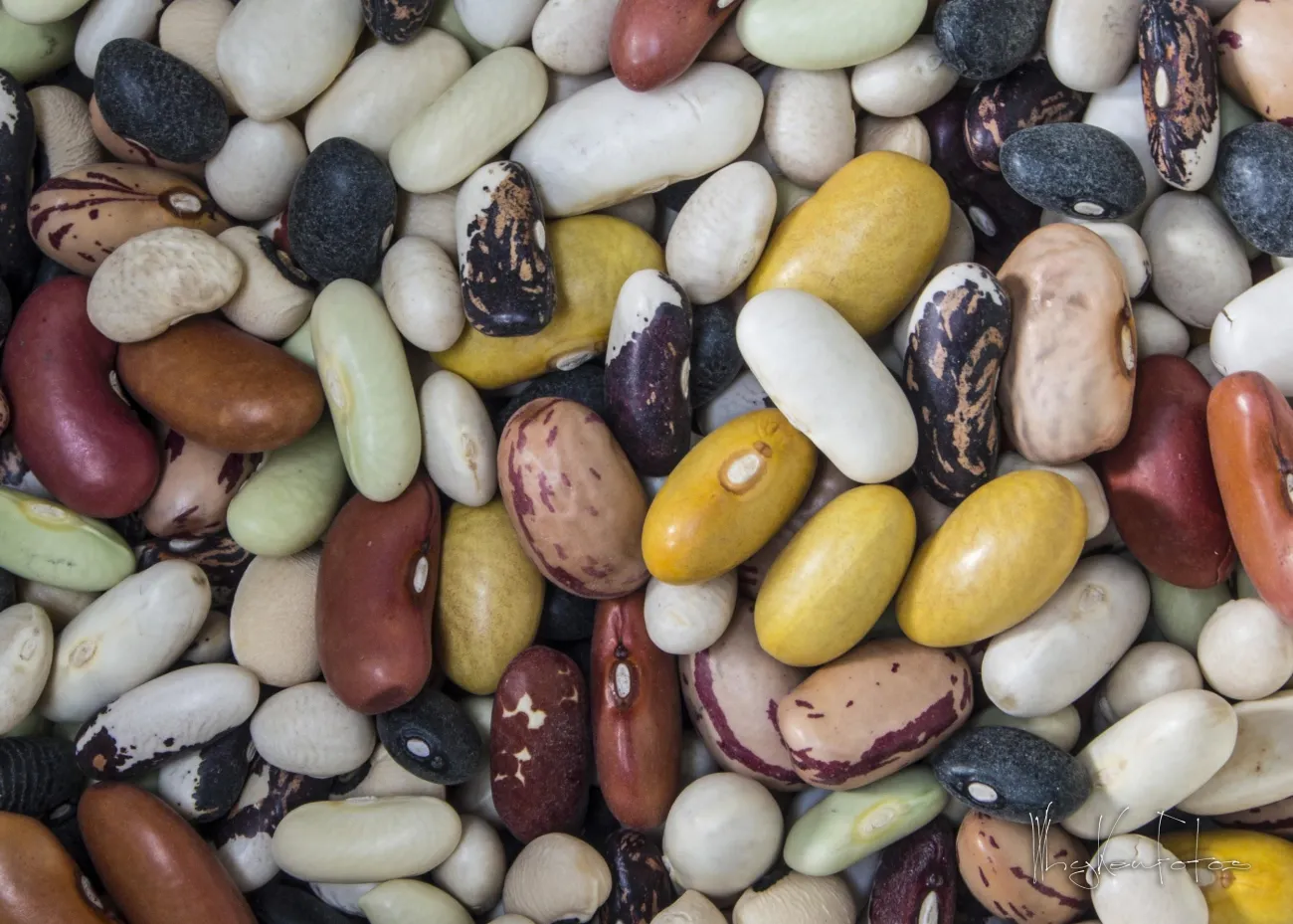
Photo: Mr Beans, Kenneth Leung, Flickr, Creative Commons License Attribution 2.0 Generic
Resource
Substituting beans for beef can contribute towards US climate change targets
This study by FCRN member Helen Harwatt and colleagues seeks to determine whether simple dietary changes can make a meaningful contribution to greenhouse gas (GHG) mitigation efforts, by considering a very simple example of US consumers substituting beans for beef in their diets. The study uses available life cycle assessment (LCA; see Chapter 2 of foodsource) data to predict the change in GHG emissions that would be associated with a substitution of beans for beef (substitution on the basis of calories, and on the basis of protein content). They place these projected changes in the context of US 2020 GHG reduction targets.
Read
Image
Figure 2: Photo Credit, PepOmint, Maple Leaf, Flickr, Creative Commons License 2.0
Resource
Maple Leaf Foods expresses aspiration to be the most sustainable protein company on Earth
Maple Leaf Foods, one of Canada’s largest food manufacturers, has declared that it wants to become “the most sustainable protein company on earth”. With aims to improve nutrition, environmental sustainability, animal care and corporate responsibility, CEO Michael M. McCain released a statement saying that “Our food system has drifted from its roots, to nourish wellbeing, to farm sustainably, to view food as a universal good for all. We must serve the world better.”
Read
Image
Photo: Loco Steve, Flickr, Creative commons licence 2.0
Resource
The simple menu innovations that can get people to order vegetarian options
This master thesis study from the London School of Economics shows how consumers are 56% less likely to order a plant-based dish when it is labelled vegetarian and categorised in a separate section on menus
Read
Image
Photo: mrskyce, Nitrogen!, Flickr, Creative Commons License 2.0 generic.
Resource
Microbes and the next nitrogen revolution
This paper proposes a solution to the problems associated with the high inefficiencies and indirect detrimental environmental impacts caused by reactive nitrogen use in agriculture.The researchers suggest that land-based agriculture could be bypassed and that Haber Bosch derived nitrogen could be used directly for reactor based microbial protein production. The advantages of microbial protein production are summarised, as are the opportunities and technical challenges for large-scale production. The authors emphasise that, aside from the scientific innovation required, the main challenge to address is obtaining acceptability from regulators and consumers.
Read
Image
Resource
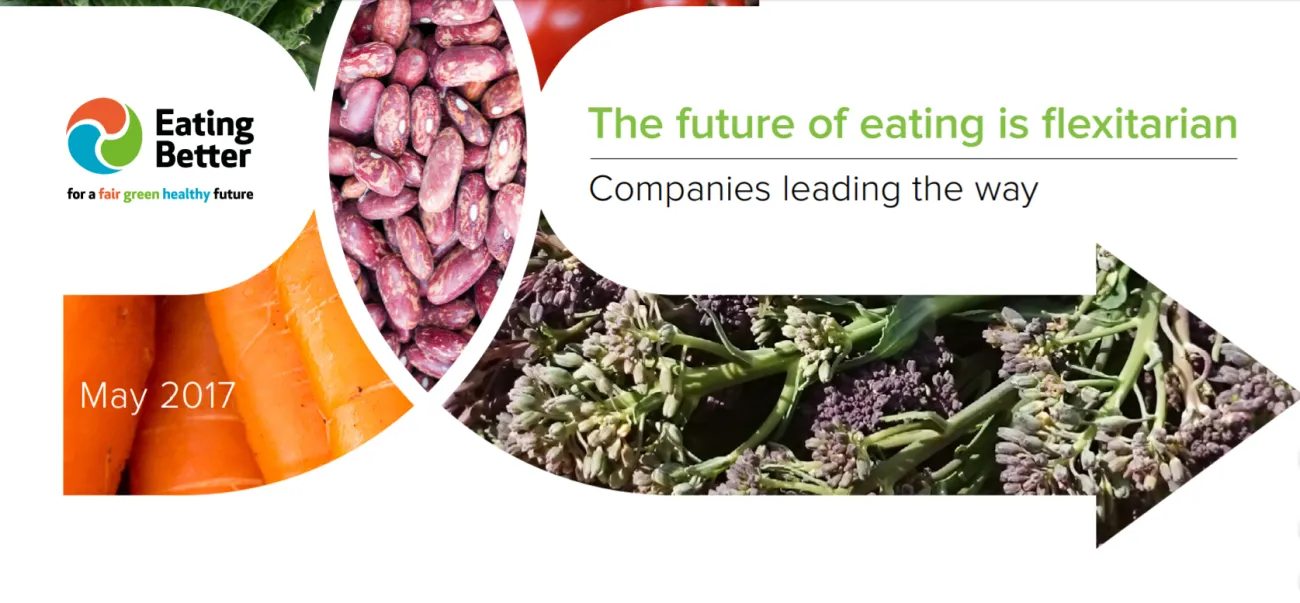
Eating better report: The future of eating is flexitarian
This report from The Eating Better Alliance looks at the role of business in leading the way to help people make healthy and sustainable choices, including shifting to more plant-based eating with less and better meat.
Read
Image
Photo: Sarah, A Tasty Snack, Flickr, Creative Commons License 2.0 generic.
Resource
Could consumption of insects, cultured meat or imitation meat reduce global agricultural land use?
This paper compares stylised, hypothetical dietary scenarios to assess the potential for reducing agricultural land requirements. It suggests that a combination of smaller shifts in consumer diet behaviour – such as reducing beef consumption by replacing with chicken, introducing insects into mainstream diets and reducing consumer waste – could reduce agricultural land requirements.
Read
  • VIEW MORE

Sign up for Fodder, our newsletter covering sustainable food news.

Sign up
  • Glossary
  • About
  • Our Writing
  • Podcasts
  • Resources

Social

YouTube Facebook Instagram

© Copyright 2025

A collaboration between: