Close
Login Register
Search
  • About
    • What We Do
    • Who We Are
    • FAQs
  • Our Writing
    • Explainers
    • Essays
    • Letterbox
    • Reports & More
  • Podcasts
  • Our Events
  • Projects
    • Power In The Food Systems
    • Local-Global Scale Project
    • MEAT: The Four Futures Podcast
    • Fuel To Fork
    • Nature
    • Reckoning with Regeneration
    • SHIFT
    • Rethinking the Global Soy Dilemma
  • Resources
  • Opportunities
    • Jobs
    • Funding
    • Courses
    • Collaborations
    • Events
  • Newsletter
  • TABLE (EN)
Search
Back

Substitutes for meat & dairy

Image
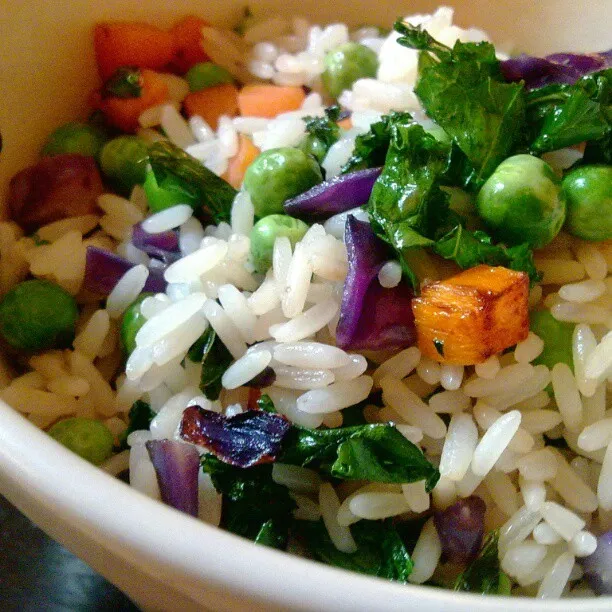
Photo: Lablascovegmenu, vegan fried rice, Flickr, Creative Commons License 2.0 generic.
Resource
BBC podcast from Wellcome Collection: Should We All Be Vegetarians?
BBC’s Claudia Hammond and Tim Cockerill hosted an event at the Wellcome Collection that can now be listened to online.
Read
Image
Resource
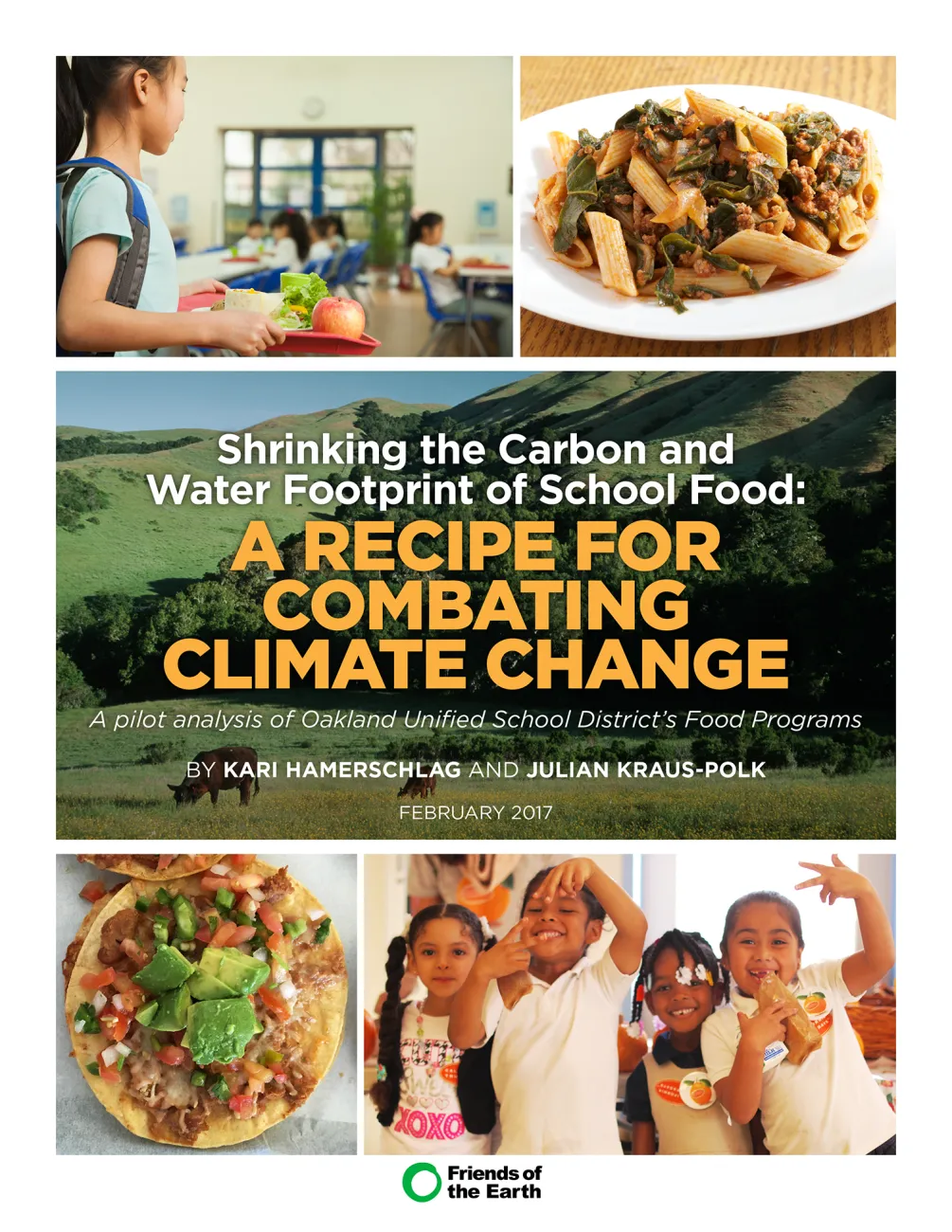
Shrinking the Carbon and Water Footprint of School Food: A Recipe for Combatting Climate Change
Based on a case study from Oakland California, a new report by Friends of the Earth US finds that schools can make lunches healthier and more climate-friendly while also saving money— by reformulating menus so that they are more plant centred, and contain less (and better) meat and fewer dairy products.
Read
Image
Resource
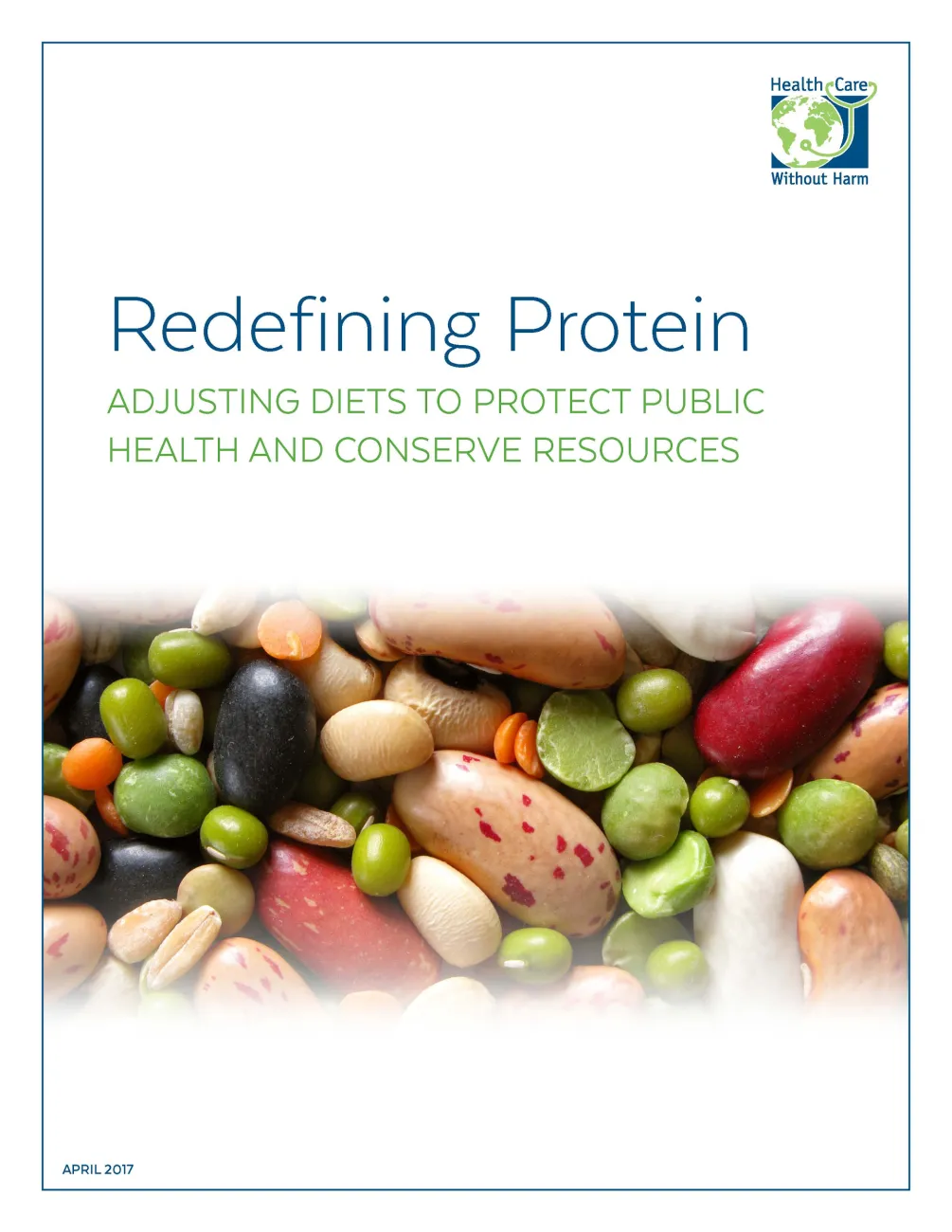
Redefining Protein: Adjusting Diets to Protect Public Health and Conserve Resources
The report Redefining Protein: Adjusting Diets to Protect Public Health and Conserve Resources distils current research looking at the social and environmental impacts of producing high-protein foods other than meat (legumes: pulses and soy, nuts and seeds, eggs and dairy). It aims to provide hospitals with key information to design healthier meals. 
Read
Image
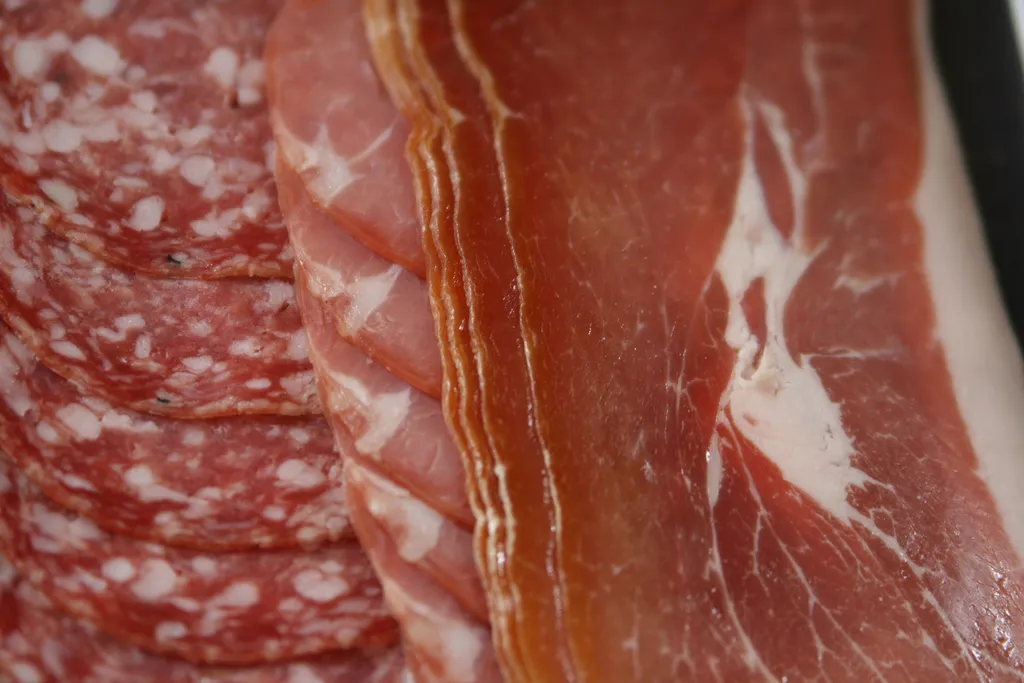
Photo credit: Quinn Dombrowski, Flickr, Creative Commons License 2.0
Resource
Consumer perception and behaviour regarding sustainable protein consumption: A systematic review
This is a systematic review on consumer perception and behaviours in relation to meat, meat substitutes and the environment. It finds that both awareness of the environmental impact of meat consumption and a willingness to reduce meat consumption is low in the studied populations. The authors identify as a key research area the investigation of strategies that might help to motivate more moderate, sustainable meat consumption behaviour.
Read
Image
Resource
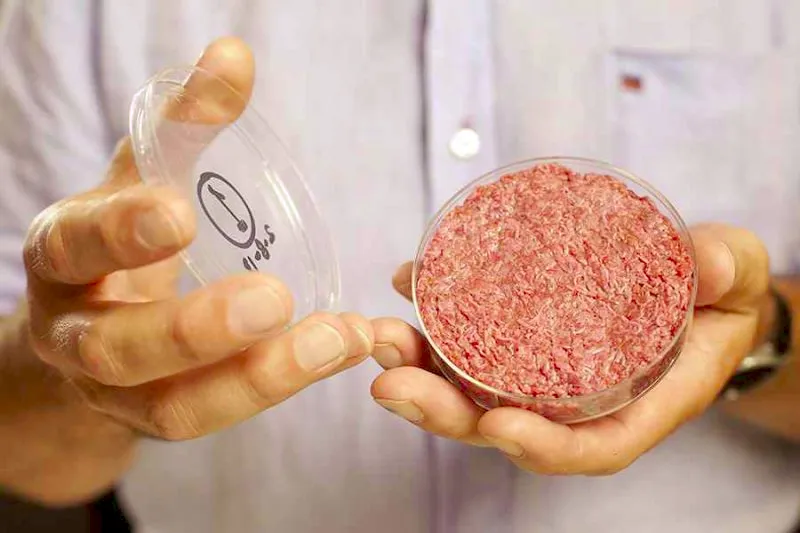
New technique using pluripotent stem cells to aid development of cultured pig meat
This article in Nature Scientific Reports details a new approach for generating skeletal muscle from pigs which can be used to make skeletal muscle – the main component of pork meat – in vitro. The techniques are potentially applicable to other types of muscle, such as heart muscle tissue, as well.
Read
Image
Photo credit: Alex, Flickr, Creative Commons License 2.0
Resource
Reducing meat consumption in developed and transition countries to counter climate change and biodiversity loss: a review of influence factors
FCRN members Prof. Dr. Susanne Stoll-Kleemann and Uta Schmidt (MSc.) have brought our attention to their recent article on reducing meat consumption.
Read
Image
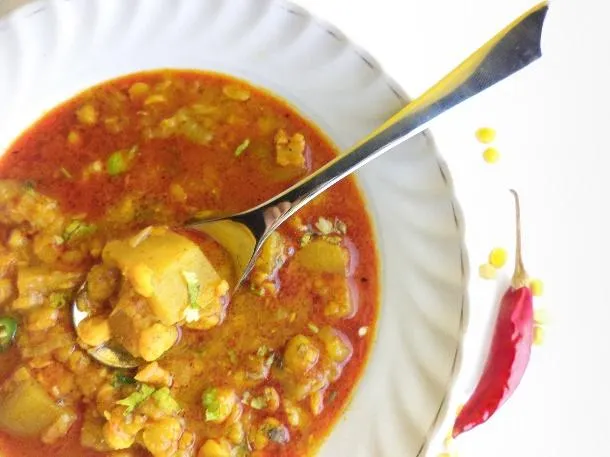
Photo: Devika, Chane ki daal, Flickr, creative commons licence, 2.0
Resource
Eating plant protein is associated with lower mortality, animal protein with higher risk of cardiovascular disease
This study, which analyses data from two long-term epidemiologic research studies in the US, found that specific food sources of protein in the diet affected health outcomes in differing ways. Taking into account a number of other dietary and lifestyle factors, the authors showed that animal protein intake was weakly associated with a higher risk for mortality.
Read
Image
Resource
Nutrition impacts of Dutch children shifting towards a more sustainable food consumption pattern
This study examines how a shift to lower environmental impact diets (diets with less meat and dairy) might the affect nutrient intakes of young children in the Netherlands.  It is unusual in that it looks specifically at children, rather than adults or the general population.
Read
Image
Resource
Rise in consumption of non-dairy milk substitutes in Europe and US
This Bloomberg article describes how as a percentage of all new milk products on the market in 2014, non-dairy milk products made up 24% and 31% in European and North American respectively. In addition to oat, soy and almond milk, scientists have also developed alternatives based on from hemp and quinoa. The article focuses on the case of a Swedish Oat-milk producing company Oatly – a company that has seen sales grow significantly with revenue increasing with 37 percent this year. It describes how “(t)he expanding range of options has helped broaden the appeal of products such as Oatly beyond vegetarians, vegans, and the lactose intolerant”.
Read
  • VIEW MORE

Sign up for Fodder, our newsletter covering sustainable food news.

Sign up
  • Glossary
  • About
  • Our Writing
  • Podcasts
  • Resources

Social

YouTube Facebook Instagram

© Copyright 2025

A collaboration between: