Close
Login Register
Search
  • About
    • What We Do
    • Who We Are
    • FAQs
  • Our Writing
    • Explainers
    • Essays
    • Letterbox
    • Reports & More
  • Podcasts
  • Our Events
  • Projects
    • Power In The Food Systems
    • Local-Global Scale Project
    • MEAT: The Four Futures Podcast
    • Fuel To Fork
    • Nature
    • Reckoning with Regeneration
    • SHIFT
    • Rethinking the Global Soy Dilemma
  • Resources
  • Opportunities
    • Jobs
    • Funding
    • Courses
    • Collaborations
    • Events
  • Newsletter
  • TABLE (EN)
Search
Back

Substitutes for meat & dairy

Image
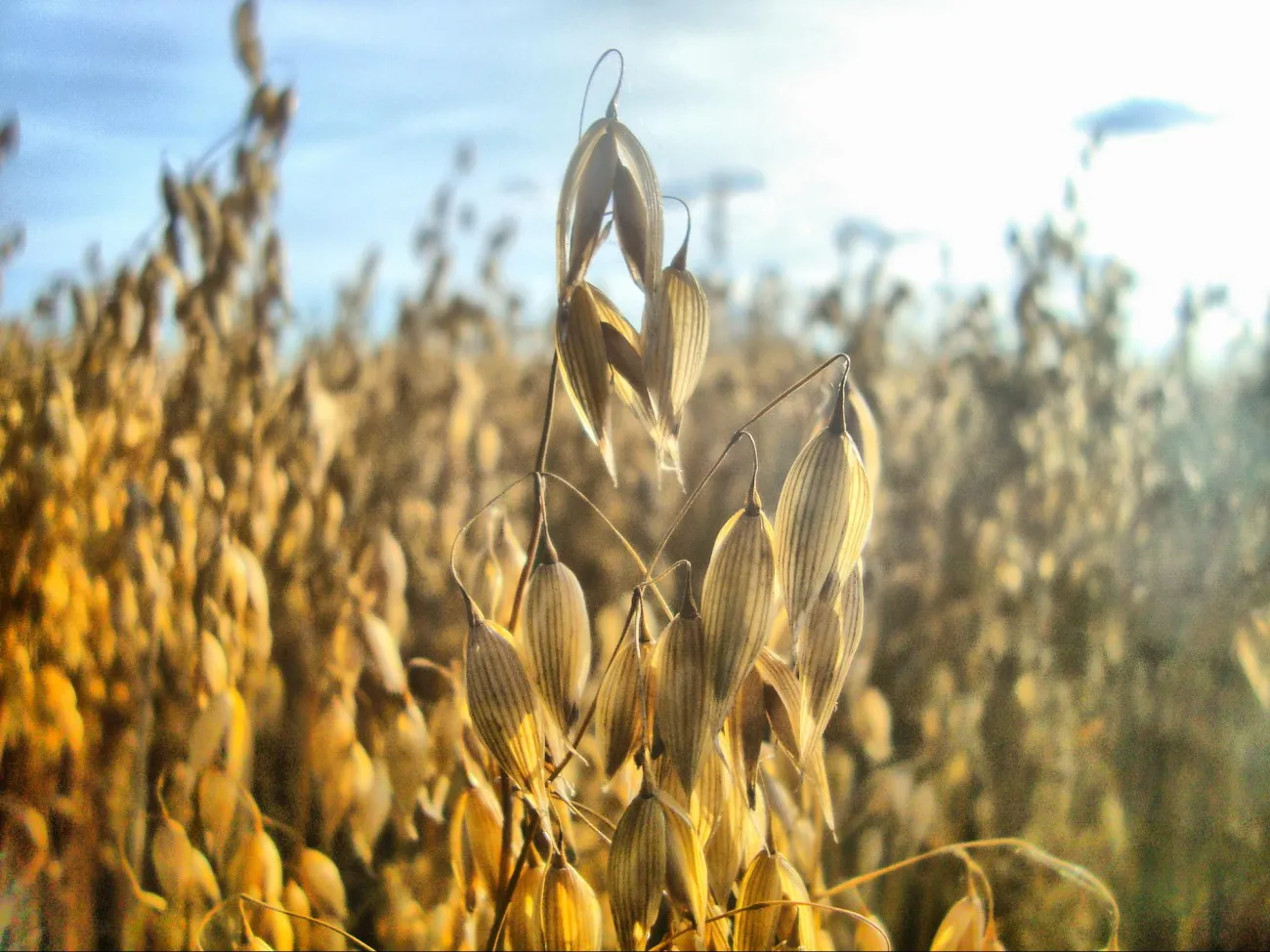
Image: David J, Oats, Flickr, Creative Commons license 2.0 generic.
Resource
The humble ascent of oat milk
In more non-dairy milk news, oat milk maker Oatly are marketing their product to coffee shops across the United States.
Read
Image
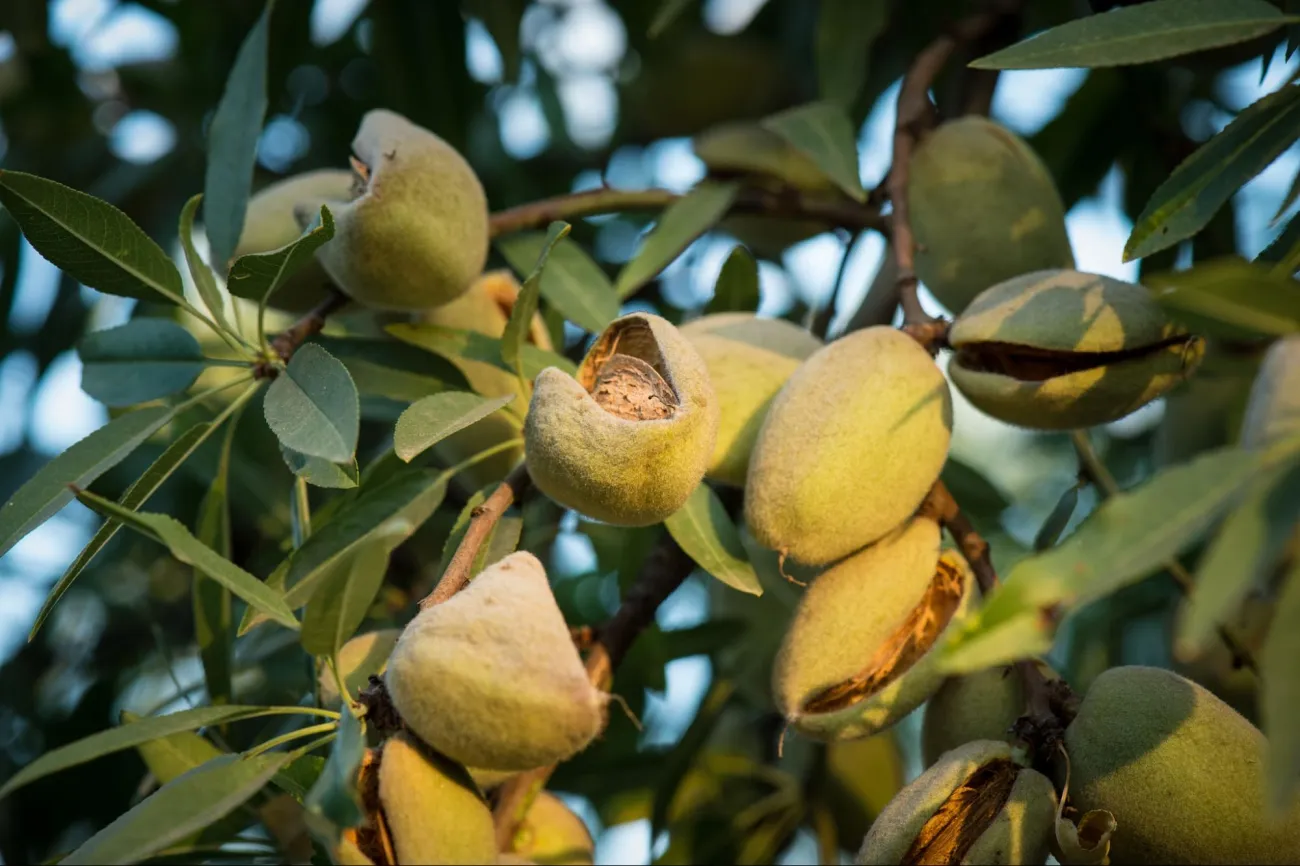
Image: USDA, 20150722-NRCS-LSC-0122, Flickr, Creative Commons Public Domain Mark 1.0
Resource
Cows vs. nuts: who gets to be called milk, and are they climate friendly?
The rising popularity of non-dairy milks has prompted calls from the dairy industry for the name “milk” to be restricted to the dairy version.
Read
Image
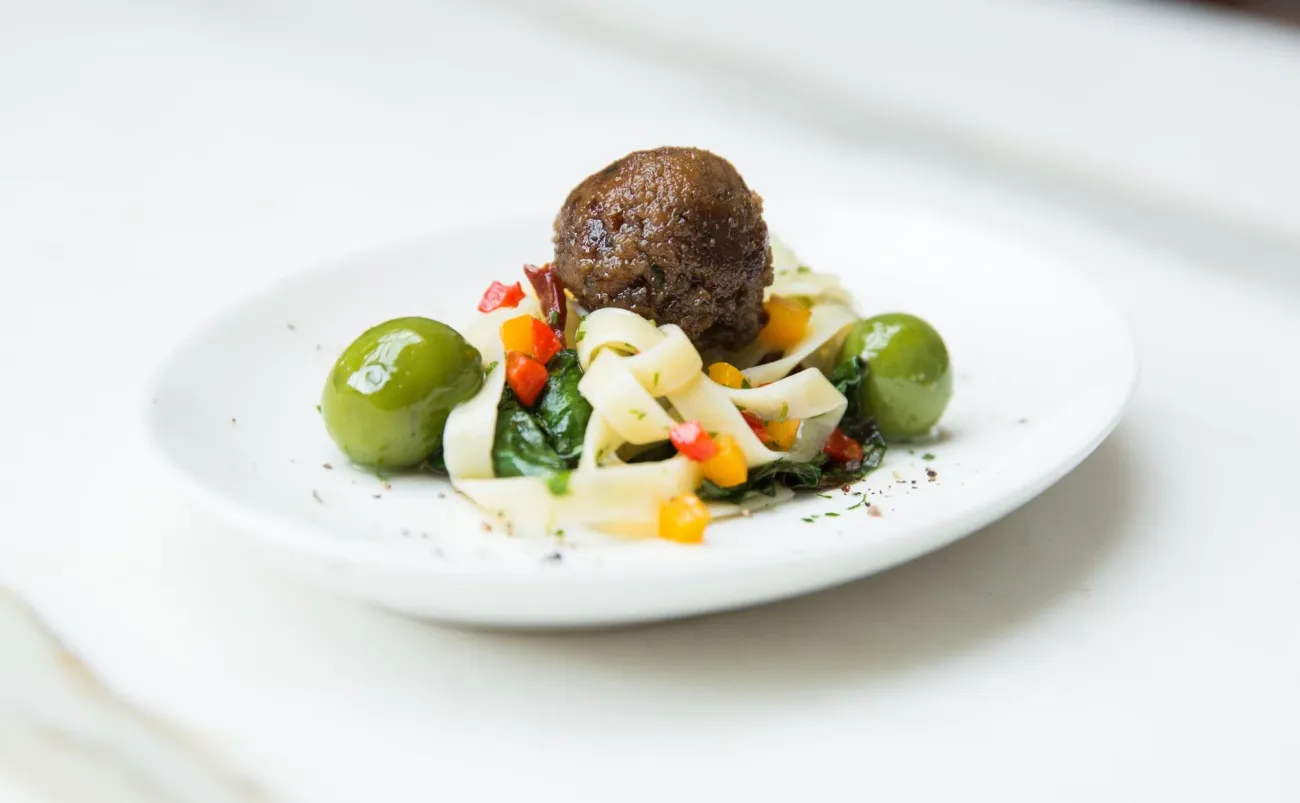
Image: Memphis Meats Press Kit, Meatball (February 2016)
Resource
Meat company Tyson invests in lab-grown meat company Memphis Meats
Tyson Foods, which sells billions of dollars of meat each year, has invested in the cultured meat startup Memphis Meats.
Read
Image
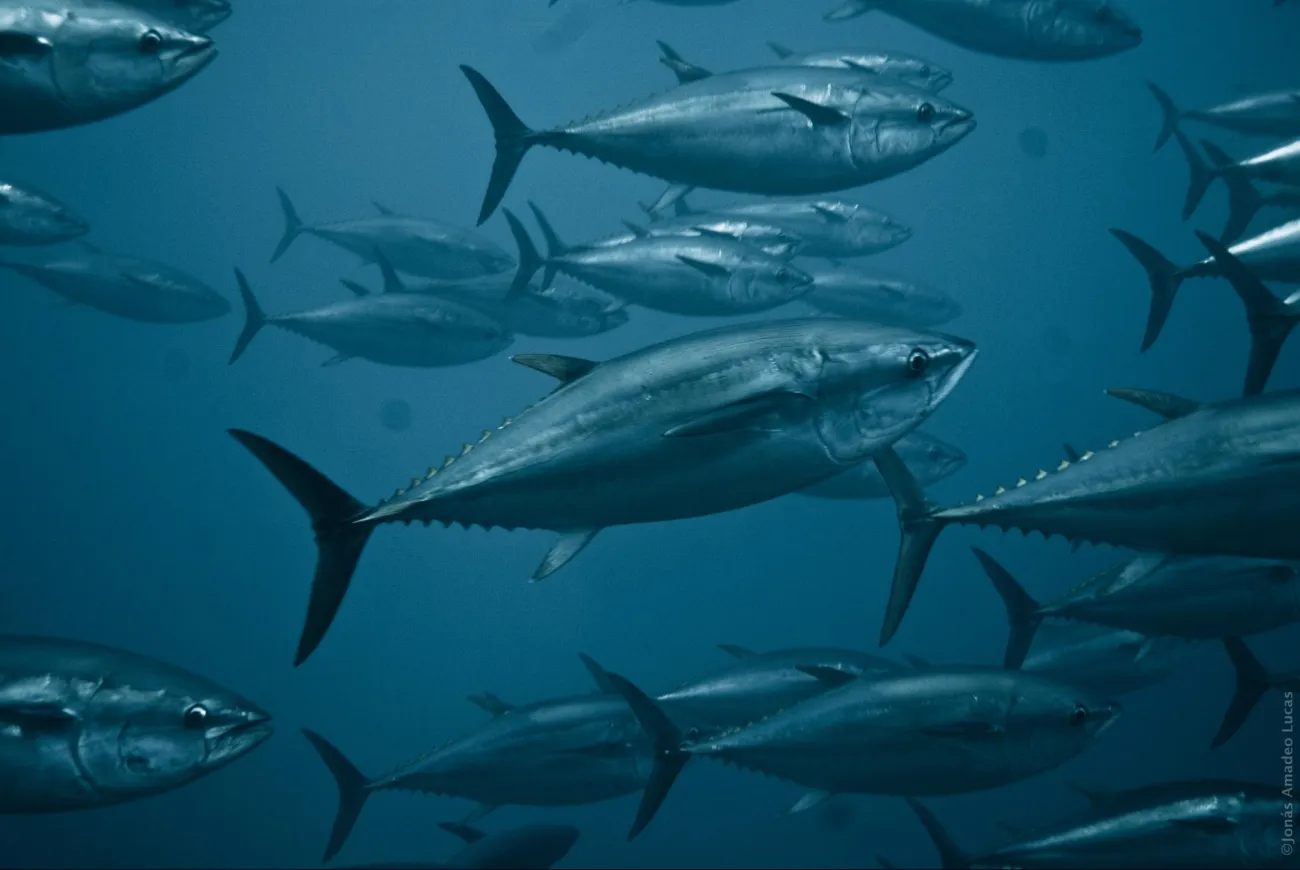
Image: TheAnimalDay.org, JALX12TFX01-6016, Flickr, Creative Commons Attribution 2.0 Generic
Resource
Cultured fish company Finless Foods aims to achieve price parity with bluefin tuna by the end of 2019
Finless Foods hopes to make laboratory-cultured bluefin tuna the same price as the conventional product by the end of next year (bluefin tuna, threatened by overfishing, can sell for around $380/lb).
Read
Image
Resource
FAO Director General calls for reduced meat consumption
At the Global Forum for Food and Agriculture (GFFA) 2018, the director general of the United Nations Food and Agriculture Organization (FAO) spoke about the need for lower emissions from the livestock industry. In addition to efficiency gains, Graziano da Silva suggested that governments target the demand side with policies that reduce meat and dairy consumption. He said that alternative sources of protein, such as fish and pulses, are available and should be used.
Read
Image
Resource
Sales of plant-based foods might be aided by avoiding vegan or vegetarian labels
These are two articles on a new study by researchers at the London School of Economics which showed that people who ordinarily eat meat or fish were 56 percent less likely to order dishes in a separate ‘vegetarian section’ on a menu than those same dishes when mixed with meat and fish dishes.
Read
Image
Resource
Report examines literature on the impacts of protein sources which are alternatives for meat
The report ‘Redefining protein: adjusting diets to protect public health and conserve resources’ looks at different protein sources and their environmental, health and social impact. The authors note that ‘transitioning to diets with more plant-based ingredients is an essential action to promote health, food security, and long-term environmental sustainability. However, the impact on health and sustainability outcomes can vary depending on the types of foods with which meats are replaced.’  This report summarises and analyses the available academic literature on the impacts of whole food protein options alternative to meat, with an emphasis on legumes, nuts and seeds, eggs, seafood, and dairy.
Read
Image
Resource
Start-up produces animal-free dairy proteins with yeast
This article in Food Navigator discusses a start-up company which produces dairy proteins, from sugar and genetically modified yeast. The resulting proteins can be used in a wide range of products to replace animal-produced dairy protein, such as in chocolate, ice cream, protein shakes and yoghurt.
Read
Image
Resource
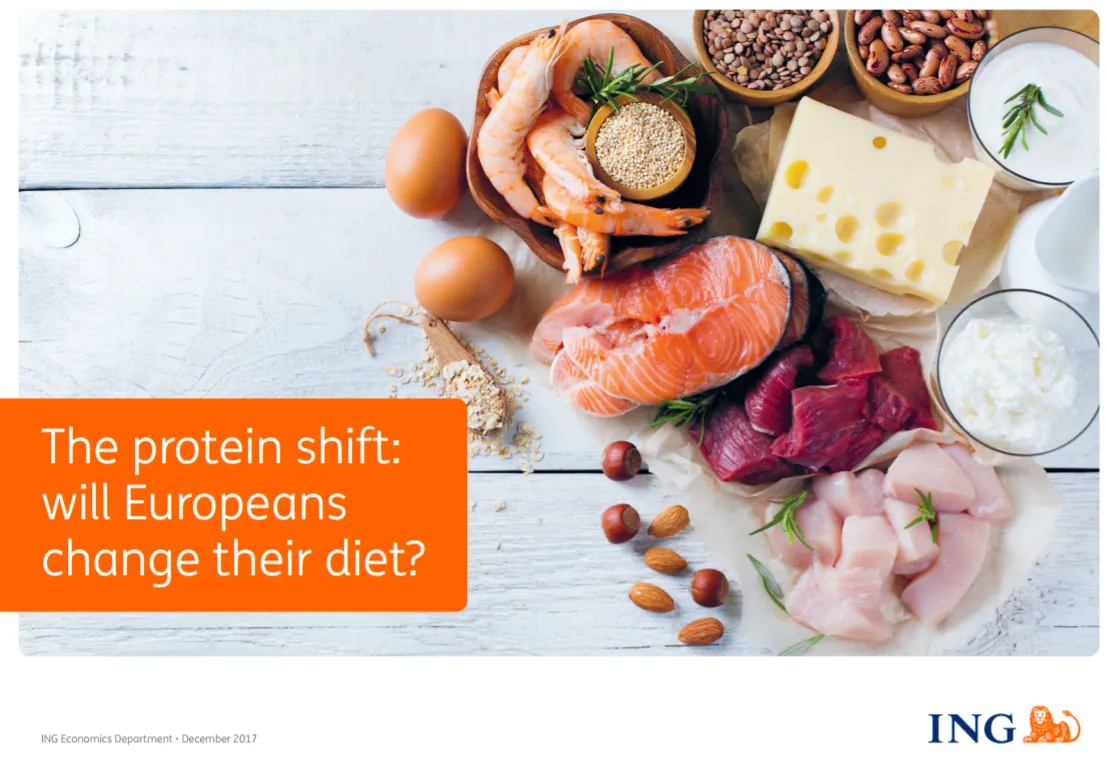
The protein shift: will Europeans change their diet?
This report by Dutch bank ING considers the potential for a protein shift away from animal to plant protein. It finds that a quarter of EU consumers expects to eat less meat in five years’ time, mainly because of the concerns about the associated negative health effects. In addition, it poses that a further shift in consumer preferences is likely as the level of innovation in alternative protein is high and governments are increasingly concerned about the carbon footprint of diets.
Read
  • VIEW MORE

Sign up for Fodder, our newsletter covering sustainable food news.

Sign up
  • Glossary
  • About
  • Our Writing
  • Podcasts
  • Resources

Social

YouTube Facebook Instagram

© Copyright 2025

A collaboration between: