Close
Login Register
Search
  • About
    • What We Do
    • Who We Are
    • FAQs
  • Our Writing
    • Explainers
    • Essays
    • Letterbox
    • Reports & More
  • Podcasts
  • Our Events
  • Projects
    • Power In The Food Systems
    • Local-Global Scale Project
    • MEAT: The Four Futures Podcast
    • Fuel To Fork
    • Nature
    • Reckoning with Regeneration
    • SHIFT
    • Games at TABLE
    • Rethinking the Global Soy Dilemma
  • Resources
  • Opportunities
    • Jobs
    • Funding
    • Courses
    • Collaborations
    • Events
  • Newsletter
  • TABLE (EN)
Search
Back

Meat

Image
Image: Adrienn, Woman Eating Bruschetta, Pexels, Pexels Licence
Journal articles
Meat-eating more common in restaurants than home
In this paper, FCRN member Gesa Biermann uses a survey of German consumers to explore the different meanings and expectations attached to eating at home and eating in restaurants. The study shows that meat-eating is more common in restaurants than at home, for example 59% of flexitarian respondents ate more meat at a restaurant than at home. This is attributed to perceptions of eating meat in restaurants being an opportunity to treat oneself and celebrate special occasions. The paper suggests that to encourage plant-based eating in restaurants, the meaning of plant-based foods must become more aligned with notions of “the good life” (for example, relating to ideas about hospitality, generosity and pleasure).
Read
Image
Image: Capri23auto, Hahn Gockel Chicken, Pixabay, Pixabay Licence
Journal articles
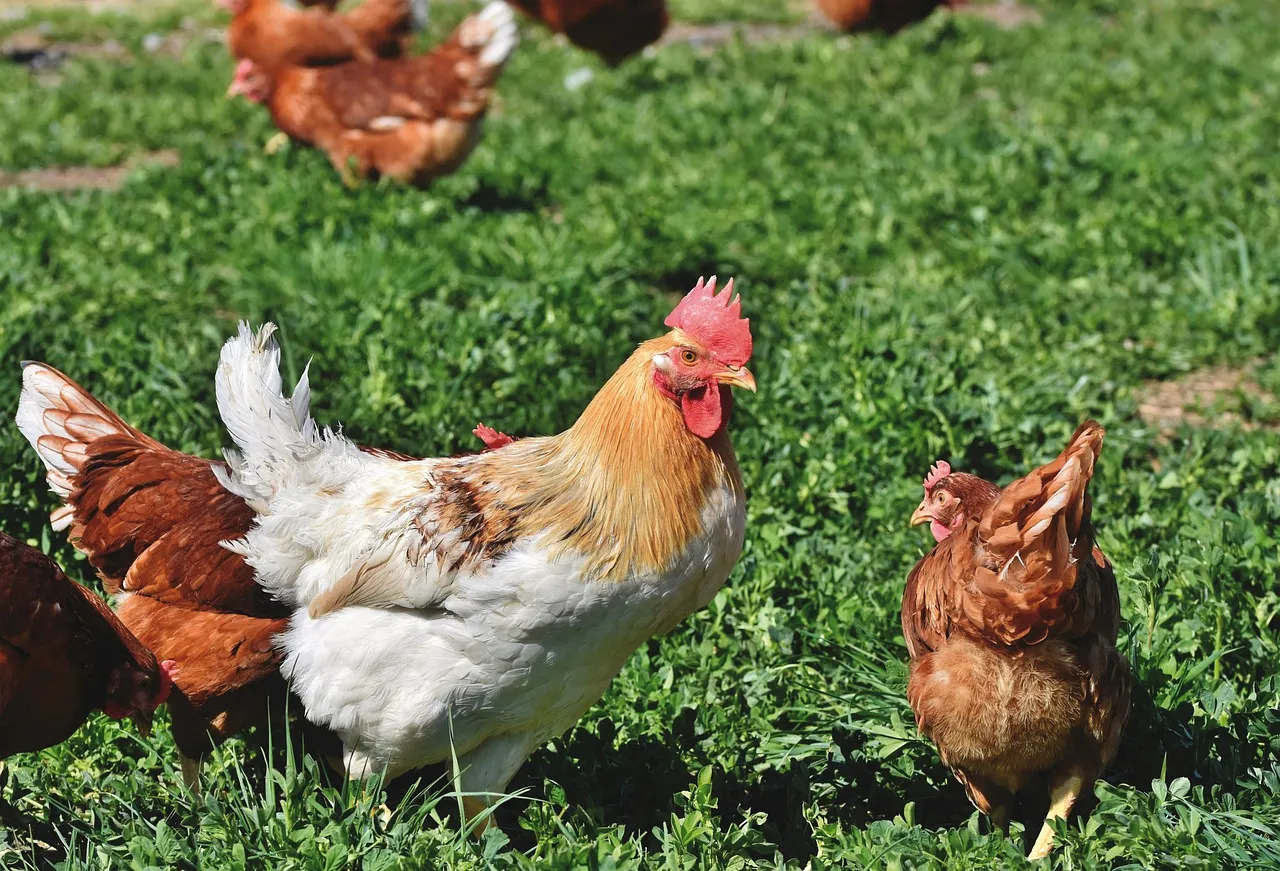
‘Less but better’ meat: a message in need of clarity
This commentary piece, co-authored by FCRN member Elin Röös, argues that the message ‘less but better meat’ needs to be defined more clearly, since there is a risk that the message could actually push livestock production towards more harmful practices.
Read
Image
Reports
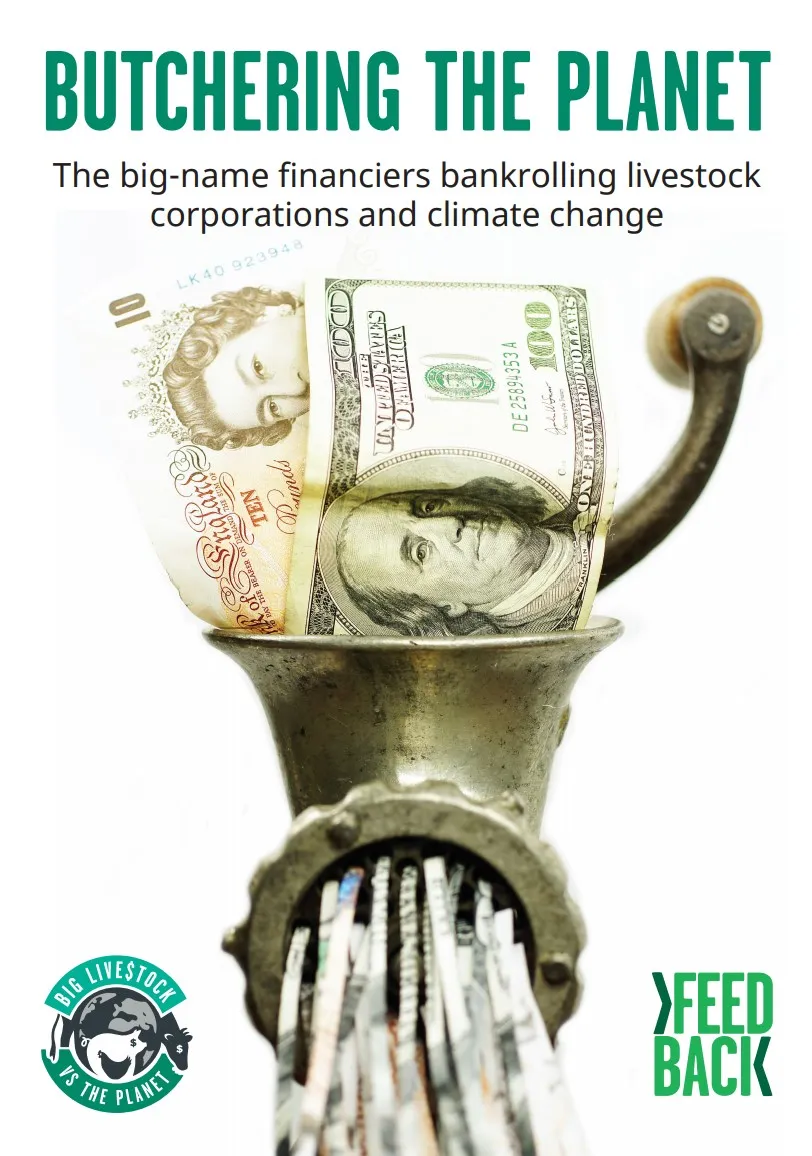
The investors funding livestock corporations
This report from UK food waste NGO Feedback shows that, between 2015 and 2020, industrial meat and dairy corporations around the world have received $478 billion in funding, including loans, from over 2,500 investors including pension funds, university endowments and high street banks, in some cases appearing to go against the ethical policies of the funders.
Read
Image
Image: Malidate Van, Steak food, Pexels, Pexels licence
Journal articles
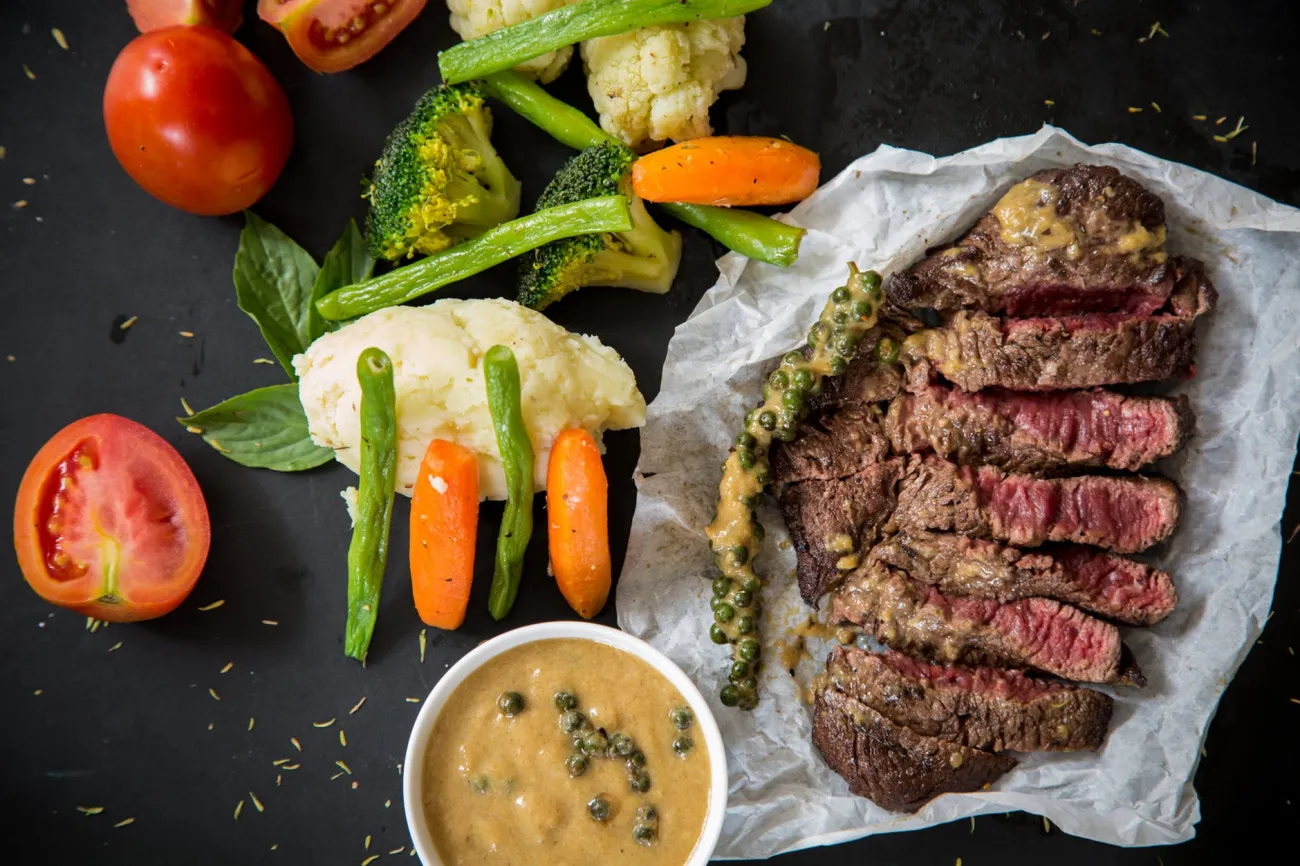
Social cost-benefit analysis of food taxes in the Netherlands
FCRN member Sander Biesbroek of Wageningen University & Research has co-authored this paper, which is the first modelling study to include and monetise social costs and benefits of a 15% or 30% meat tax or a 10% fruit and vegetables subsidy in the Netherlands. It finds that all three interventions could lead to a net benefit to society over a 30 year time frame.
Read
Image
Reports
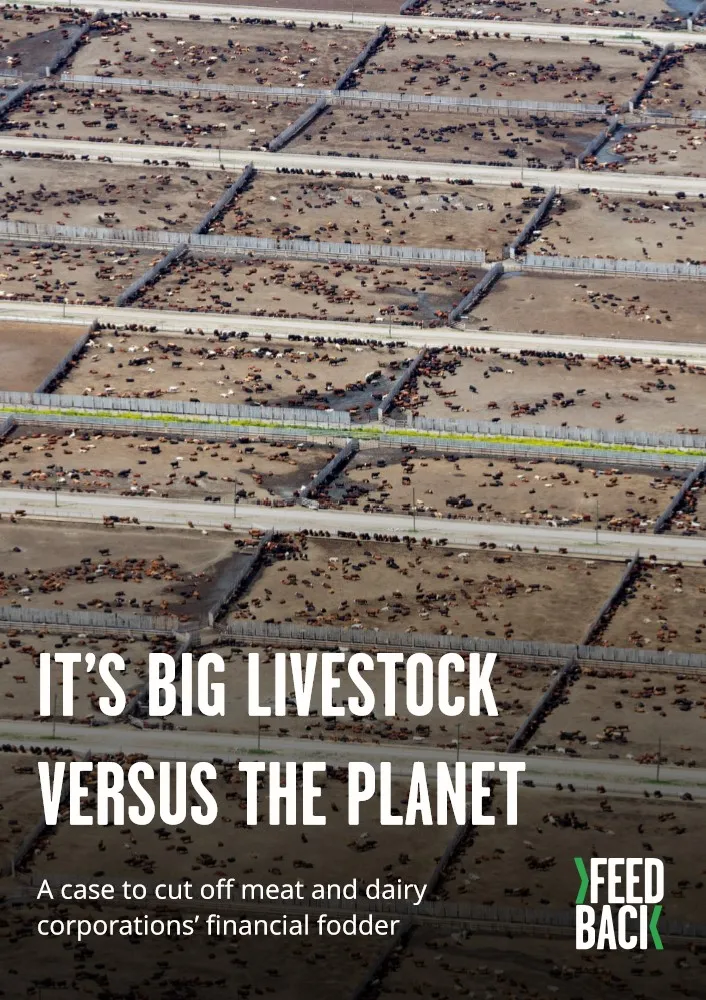
A call for divestment from Big Livestock
This report from UK food waste organisation Feedback makes a case for the end of industrial animal agriculture and calls for divestment from large livestock companies, arguing that the business model of “Big Livestock” is incompatible with reducing greenhouse gas emissions.
Read
Image
News and resources
Cellular Agriculture Society website relaunches
The Florida-based Cellular Agriculture Society has just relaunched its website with the aim of building a home for cellular agriculture on the internet. The website sets out a vision of what a future with cellular agriculture could look like, and explains how the processes of tissue culture and protein fermentation work. 
Read
Image
News and resources
Sustainable Food Trust podcast: livestock welfare
In this podcast from the UK’s Sustainable Food Trust, Patrick Holden interviews ffinlo Costain of Farmwel and Roland Bonney of FAI Farms and Benchmark Holdings on developing more transparent, welfare-friendly and sustainable livestock farming systems.
Read
Image
Reports
White paper: Cultivated Meat Modeling Consortium
The Cultivated Meat Modeling Consortium, an interdisciplinary group applying computing techniques to the cultivated meat sector, has released a white paper based on the Consortium’s first meeting. The paper sets out ways in which modelling might be able to optimise cultivated meat manufacturing, including assessing different bioreactor designs, designing experiments with different growth media, and generating databases of the characteristics of the cell types (e.g. animal species) that are most likely to be used in cultivated meat.
Read
Image
News and resources
LEAP controversies series: meat, dairy, emissions and health
The University of Oxford’s Livestock, Environment and People project has published a new series of blog posts exploring controversies in the food system. The series aims to explore and clarify areas where evidence is unclear.
Read
  • VIEW MORE

Sign up for Fodder, our monthly newsletter unpacking the future of food.

Tick below to opt-in to email communications.

You can change your mind at any time by clicking the unsubscribe link in the footer of any email you receive from us, or by contacting us at info@tabledebates.org.

We use Mailchimp as our marketing platform. By clicking below to subscribe, you acknowledge that your information will be transferred to Mailchimp for processing. Learn more about Mailchimp's privacy practices.

  • Glossary
  • About
  • Our Writing
  • Podcasts
  • Resources

Social

YouTube Facebook Instagram

© Copyright 2025

A collaboration between: