Close
Login Register
Search
  • About
    • What We Do
    • Who We Are
    • FAQs
  • Our Writing
    • Explainers
    • Essays
    • Letterbox
    • Reports & More
  • Podcasts
  • Our Events
  • Projects
    • Power In The Food Systems
    • Local-Global Scale Project
    • MEAT: The Four Futures Podcast
    • Fuel To Fork
    • Nature
    • Reckoning with Regeneration
    • SHIFT
    • Games at TABLE
    • Rethinking the Global Soy Dilemma
  • Resources
  • Opportunities
    • Jobs
    • Funding
    • Courses
    • Collaborations
    • Events
  • Newsletter
  • TABLE (EN)
Search
Back

Landscapes

Image
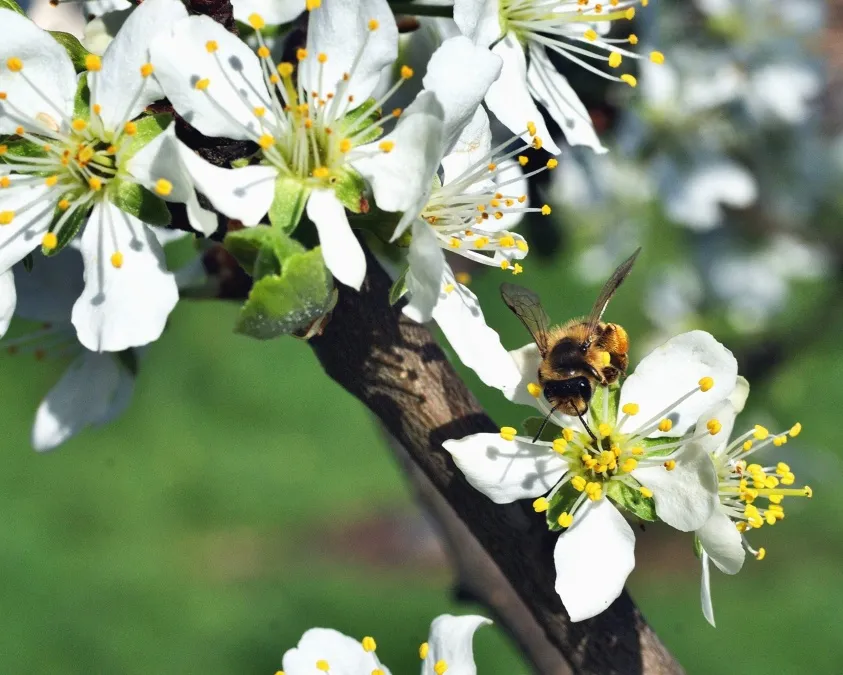
Image: Pixnio, Bee tree flower, Public domain
Journal articles
Planting more hedgerows and trees could help bees thrive
This study surveys declining pollinator populations and the threat to agricultural production this poses at a time when (the paper argues) higher yields and farm efficiencies are needed. It outlines how woody habitats such as trees and hedgerows can be used on agricultural land to aid conservation of pollinators.
Read
Image
News and resources
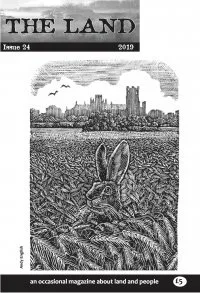
The Land magazine feature on meat-eating and veganism
The latest issue of The Land magazine, of which FCRN member Simon Fairlie is an editor, has a 40-page section on meat-eating and veganism, with about 20 articles and short features representing a variety of viewpoints.
Read
Image
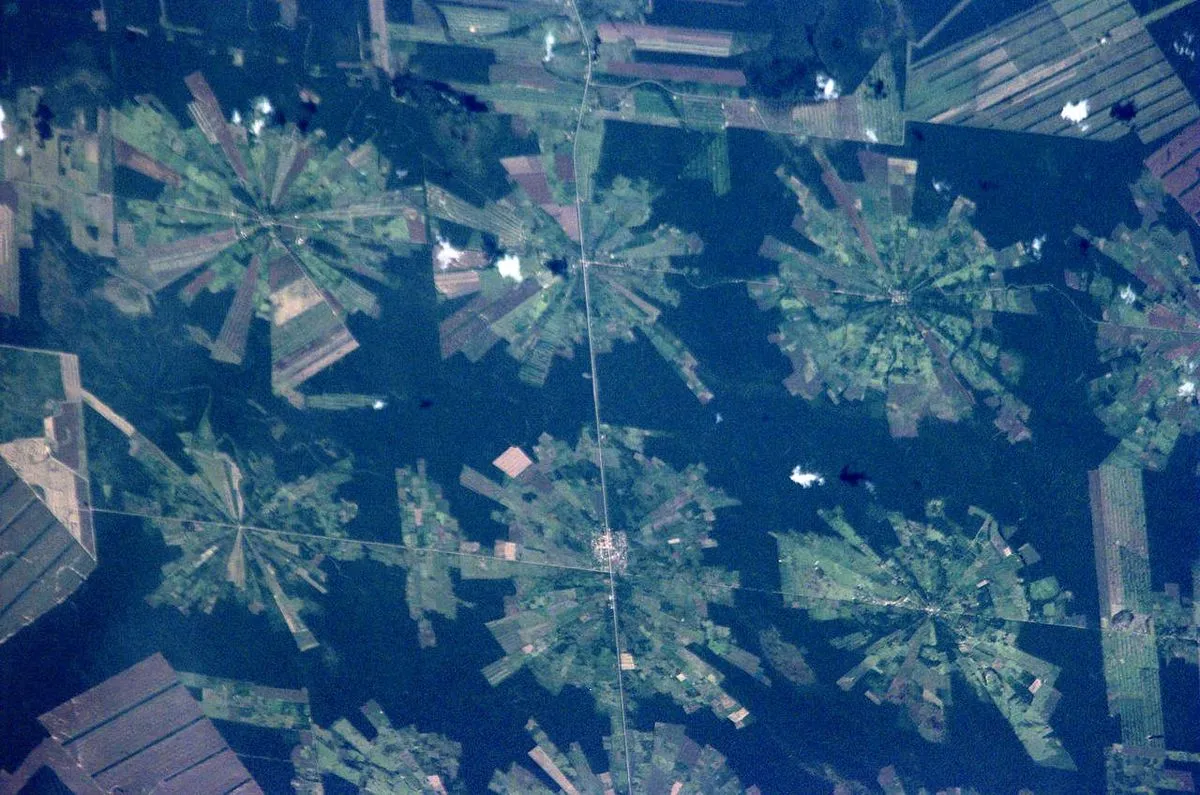
Image: NASA, NASA photo of deforestation in Tierras Bajas project, Bolivia, from ISS on April 16, 2001, Wikimedia Commons, Public Domain
Journal articles
Maps of global land use change show forest losses and gains
This paper presents maps of global land use change from 1992 to 2015, showing net increases in the area of agriculture, grassland and settlement, and net losses in the area of forest, wetland, shrubland, sparse land, bare land and water.
Read
Image
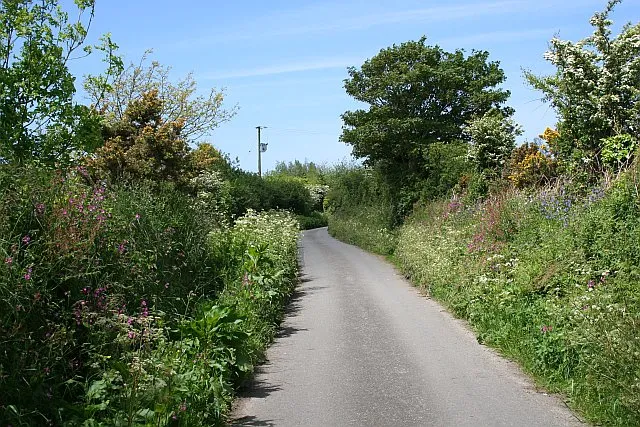
Image: Tony Atkin, Colourful Hedgerows, Geograph, Creative Commons Attribution-ShareAlike 2.0 Generic
Journal articles
Landscapes that work for biodiversity and people
A paper reviews how “working lands” such as farms, forests and rangelands can be managed to protect biodiversity and ecosystems services. The paper points out that the management of working lands can be complementary to using protected areas to conserve biodiversity.
Read
Image
Reports
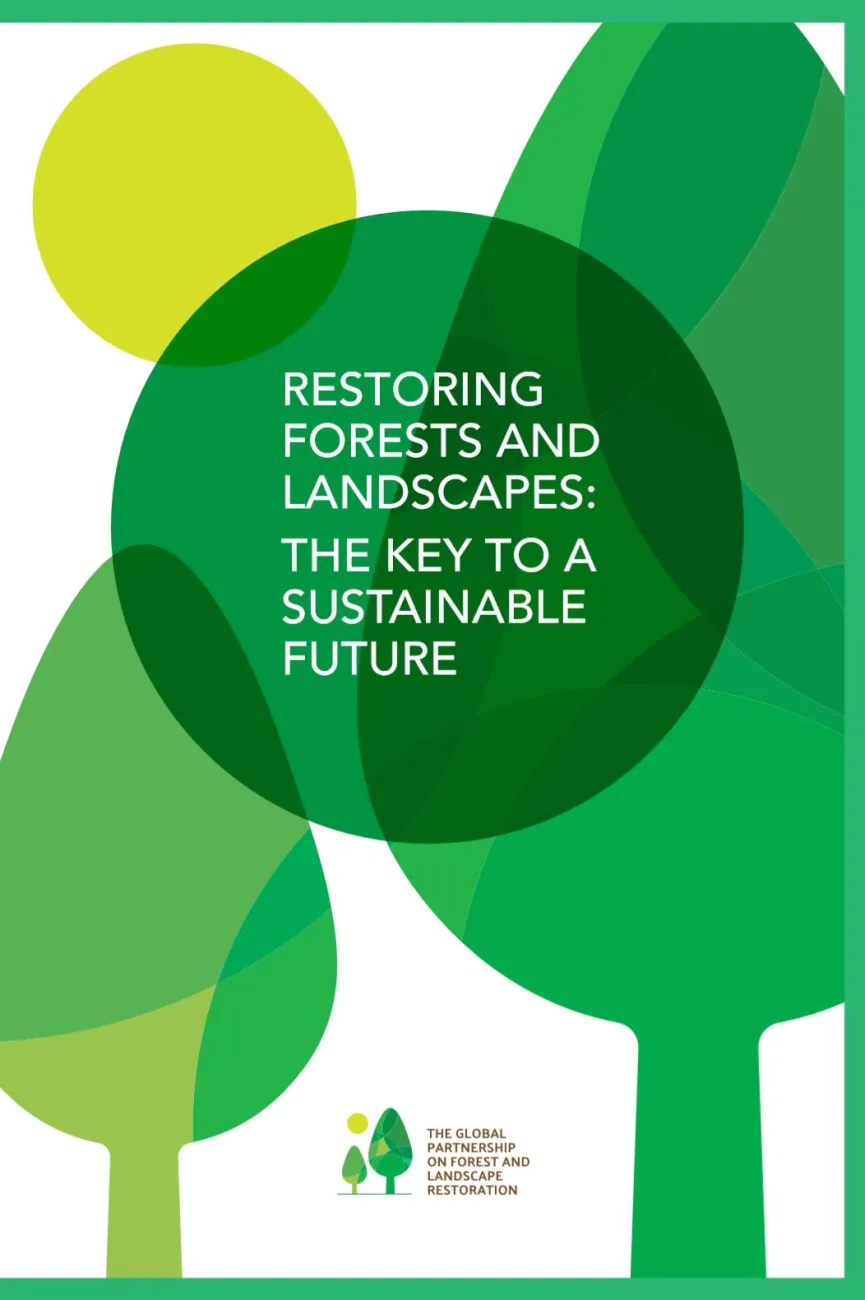
Case studies in forest and landscape restoration
The Global Partnership on Forest and Landscape Restoration’s report “Restoring forests and landscapes: the key to a sustainable future” presents case studies of the successful restoration of landscapes that have been affected by deforestation and land degradation.
Read
Image
News and resources
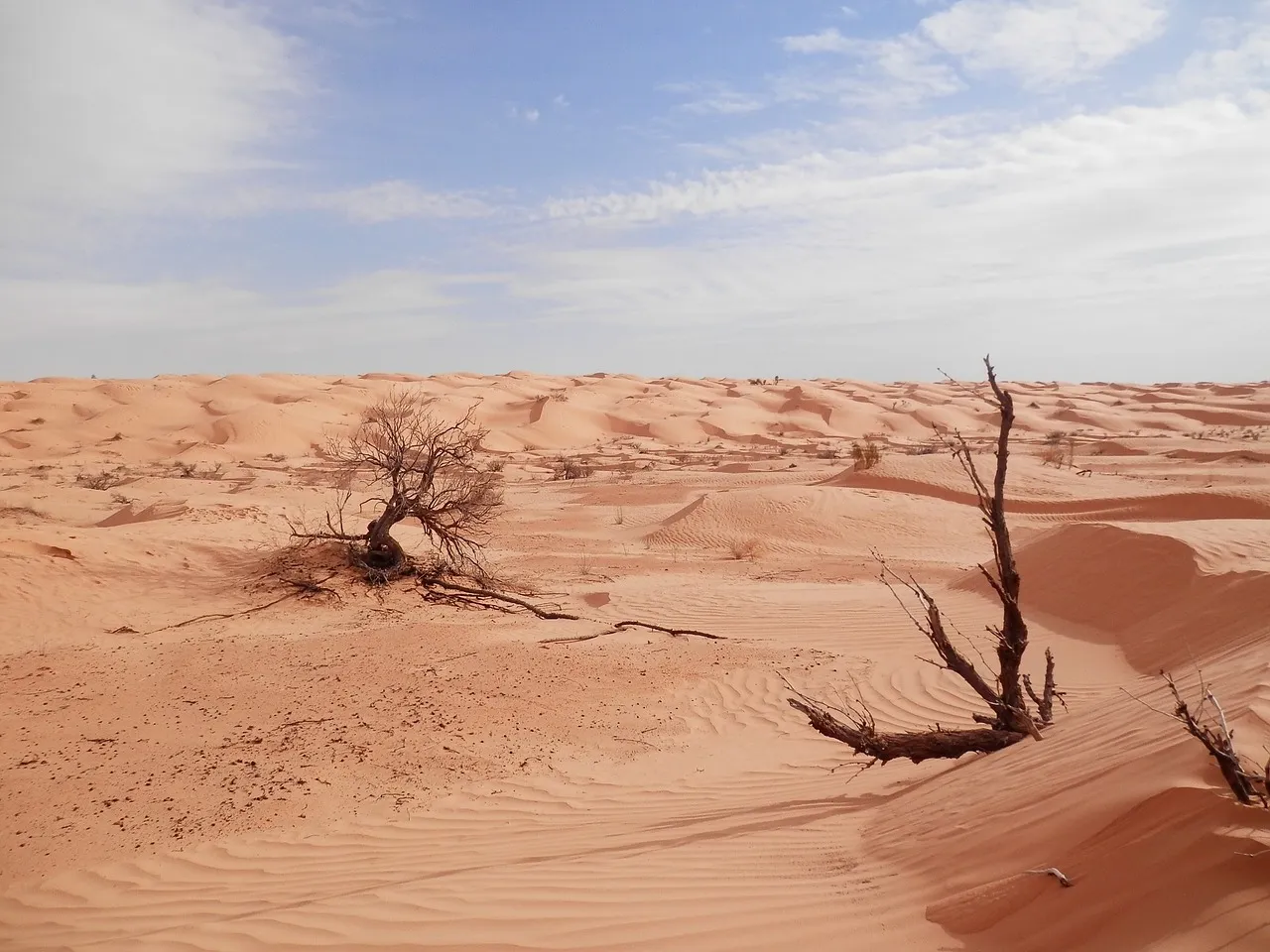
New world atlas of desertification published
The European Commission's Joint Research Centre has published a new World Atlas of Desertification, which provides maps of different factors relevant to desertification such as land use, human appropriation of biological productivity, virtual water use, smallholder agriculture and livestock production.
Read
Image
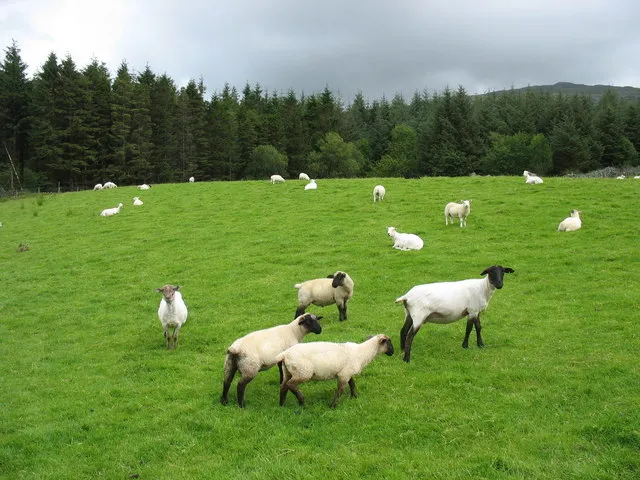
Image: Eric Jones, An enclave of grazing land south of Tyddyn Du, Wikimedia Commons, Creative Commons Attribution-Share Alike 2.0 Generic
News and resources
Infographics: Global land use
Data visualisations by Max Roser and Hannah Ritchie, published at Our World In Data, show global land use types, changes over time and land use in agriculture. For example, a graph shows that half of the Earth’s habitable land surface is used for agriculture, of which 77% is used for livestock (including both grazing land and land for feed production). For comparison, livestock accounts for 17% of global calorie supply and 33% of global protein supply.​
Read
Image
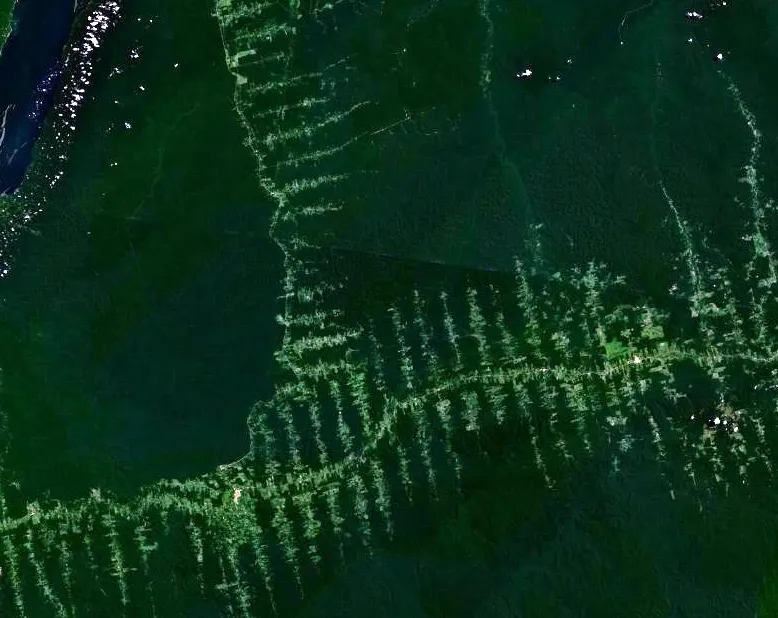
Image: NASA, Deforestation in Amazonia, seen from satellite, Wikimedia Commons, Public Domain
Journal articles
Tropical forest fragmentation nearing critical point
Tropical deforestation is nearing a critical point, beyond which the rate of forest fragmentation could increase much more rapidly than the rate of forest area loss, according to a study. Fragmentation can have negative effects on biodiversity and also increases carbon emissions beyond those from just the deforested areas, since trees are at greater risk of dying on the edges between forest and cleared land. The researchers predict that reforestation and a reduction in the rate of deforestation are both needed if fragmentation is to be reversed.
Read
Image
Resource
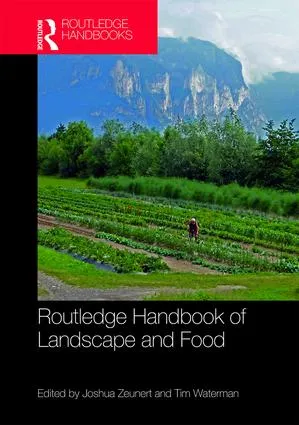
Book: Routledge Handbook of Landscape and Food
This book, edited by Joshua Zeunert and Tim Waterman, sets out a wide array of interdisciplinary knowledge on landscapes, agriculture, food and sustainability.
Read
  • VIEW MORE

Sign up for Fodder, our newsletter covering sustainable food news.

Sign up
  • Glossary
  • About
  • Our Writing
  • Podcasts
  • Resources

Social

YouTube Facebook Instagram

© Copyright 2025

A collaboration between: