Close
Login Register
Search
  • About
    • What We Do
    • Who We Are
    • FAQs
  • Our Writing
    • Explainers
    • Essays
    • Letterbox
    • Reports & More
  • Podcasts
  • Our Events
  • Projects
    • Power In The Food Systems
    • Local-Global Scale Project
    • MEAT: The Four Futures Podcast
    • Fuel To Fork
    • Nature
    • Reckoning with Regeneration
    • SHIFT
    • Rethinking the Global Soy Dilemma
  • Resources
  • Opportunities
    • Jobs
    • Funding
    • Courses
    • Collaborations
    • Events
  • Newsletter
  • TABLE (EN)
Search
Back

Landscapes

Image
Resource
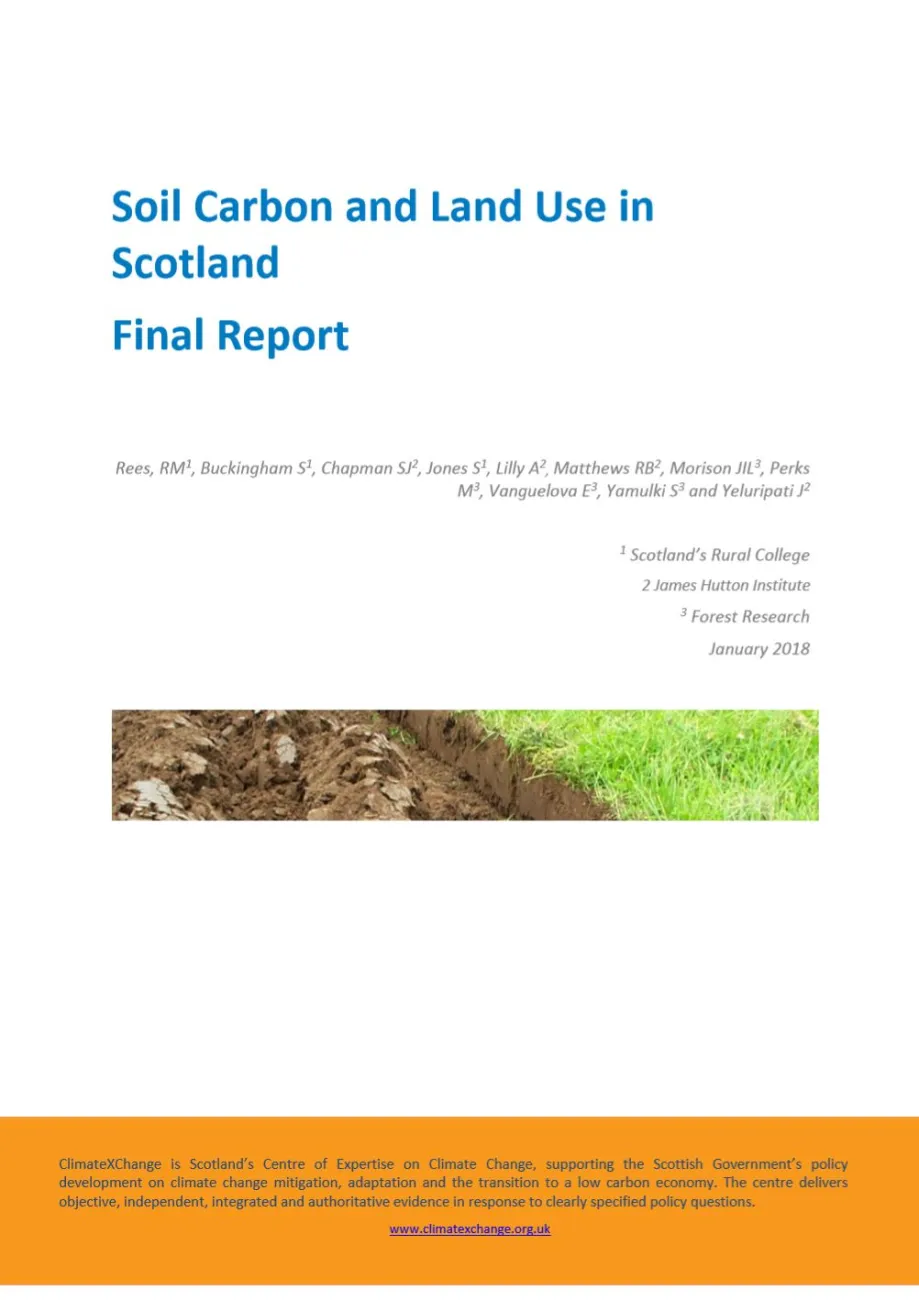
Report: Soil carbon and land use in Scotland
Scotland’s soils contain over half of the UK’s soil carbon stock, making it important to know how to avoid soil carbon loss. The Scottish landscape is currently a net sink for carbon (mainly due to forestry). A recent report assesses current knowledge on soil carbon and land use in Scotland.
Read
Image
Resource
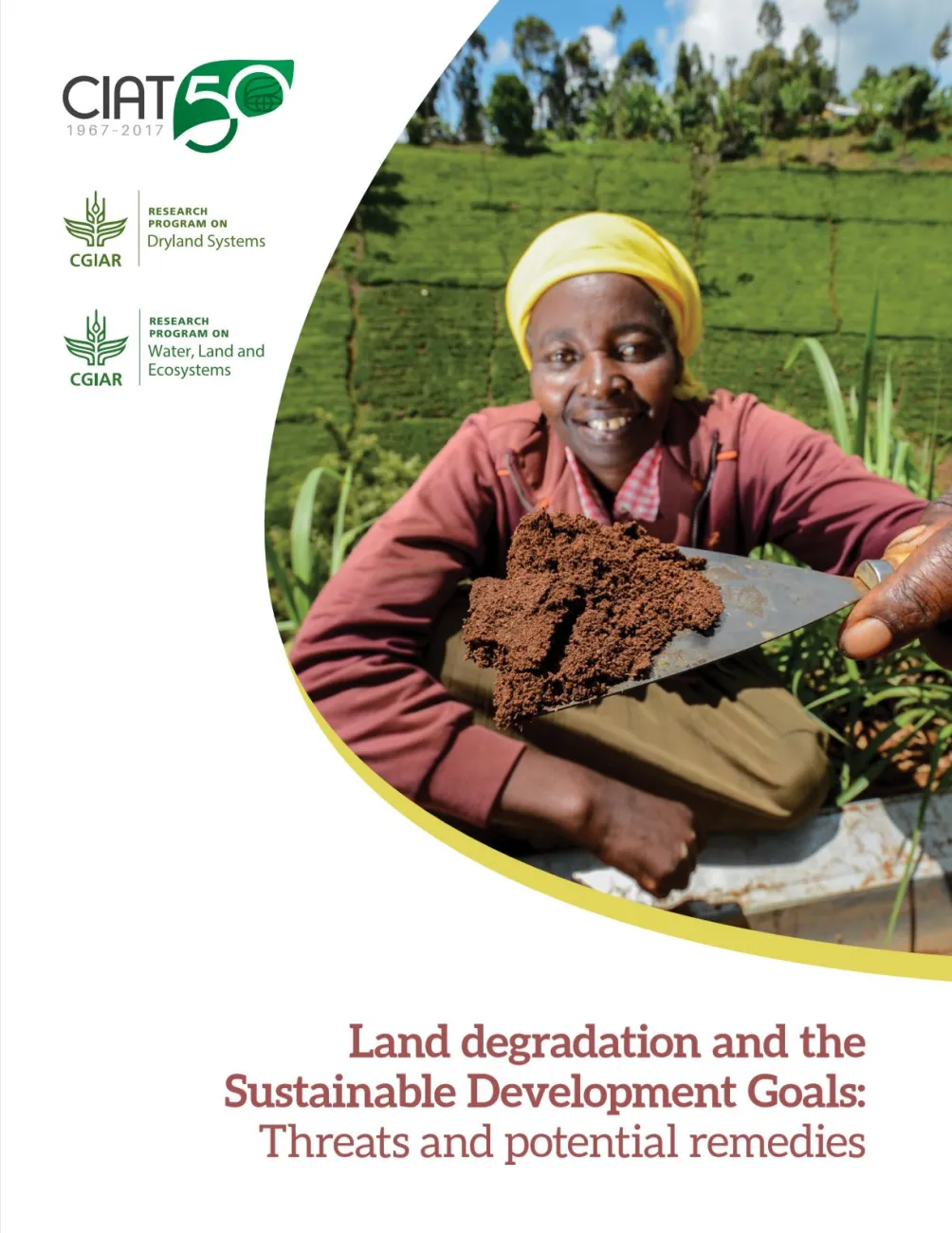
Land degradation and the Sustainable Development Goals: Threats and potential remedies
This report from the International Centre for Tropical Agriculture (CIAT) considers the relationships between land use, land degradation and sustainable development goals.
Read
Image
Resource
Contributions welcomed to online discussion on the future of the UK countryside post-Brexit
The University of Cambridge Conservation Research Institute have set up a blog to provide space for a conversation about the future of the British countryside.
Read
Image
Resource
First edition of the Global Land Outlook published by the United Nations Convention to Combat Desertification
The United Nations Convention to Combat Desertification (UNCCD) has published its first edition of the Global Land Outlook (GLO), addressing future challenges and opportunities for the management and restoration of land resources in the context of sustainable development.
Read
Image
Resource
Food Production and Nature Conservation: Conflicts and Solutions
This book considers the main links between global conservation of the environment and food production.
Read
Image
Photo: David Leo Veksler, Binjang Forest Park, Flickr, Creative Commons License 2.0
Resource
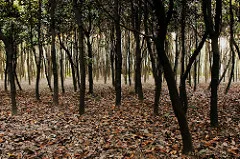
Untapped potential for largest reforestation program in the world in China
Initiated in 1999, the Grain-for-Green Program was set up primarily to reduce soil erosion and uses cash payments to incentivise people to replant trees on sloped crop and scrubland. This study examines the effects on bird and bee species in the scheme across the country. It finds that the program has not greatly benefited birds and bees due to the common practice of monoculture tree planting.
Read
Image
Photo: Pejman Parvandi, Footprint, Flickr, Creative Commons License 2.0
Resource
Sixteen years of change in the global terrestrial human footprint and implications for biodiversity conservation
There is increasing evidence that human demands on natural systems are accelerating and could affect the stability and services provided by these systems. This paper aims to aid understanding of the temporal and spatial variability of human pressures on natural systems, which provides a foundation for environmental damage mitigation. Recent advances in remote sensing have allowed great development in mapping of human pressures, particularly in forested areas. Other pressures, such as roads and pasture lands, have by comparison been overlooked.
Read
Image
Photo credit: Sam Beebe (Flickr, creative commons licence, Attribution 2.0 Generic)
Resource
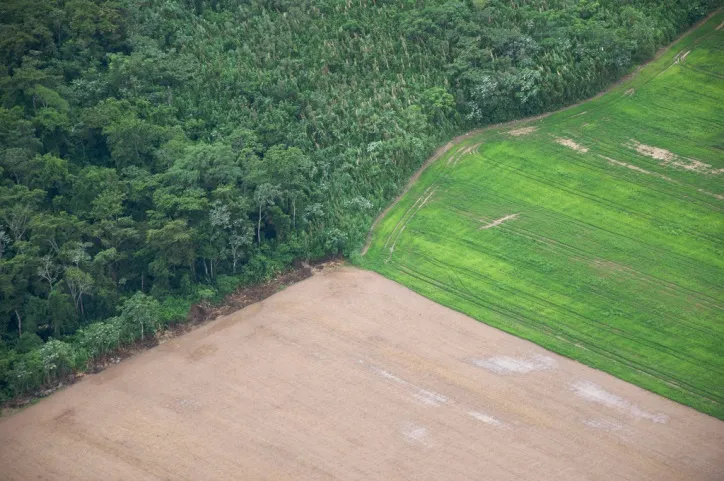
How can higher-yield farming help to spare nature?
This paper in Science discusses the potential of yield increase incentives as a way of convincing farmers to save land to protect biodiversity rather than increasing farmland.   The increase of agricultural land is one of the leading causes of biodiversity loss and greenhouse gas emissions in tropical countries. This paper argues that increasing yields on existing agricultural land can provide farmers with the incentive to spare land for wildlife and nature.
Read
Image
Resource
Do we Have the Tools to Choose Sustainable Meat? Blog-post by Olivier De Schutter, Hans Herren and Emile Frison:
In their two-part contribution to the Livestock debate on the website of Arc2020 (the agricultural and rural convention), the IPES representatives Olivier de Schutter, Hans Herren and Emile Frison discuss the environmental footprint of livestock, the need for livestock farming to be reintegrated into landscapes and the flaws in the current factory farming model; and they propose ways to address the challenges posed by industrial livestock systems.
Read
  • VIEW MORE

Sign up for Fodder, our newsletter covering sustainable food news.

Sign up
  • Glossary
  • About
  • Our Writing
  • Podcasts
  • Resources

Social

YouTube Facebook Instagram

© Copyright 2025

A collaboration between: