Close
Login Register
Search
  • About
    • What We Do
    • Who We Are
    • FAQs
  • Our Writing
    • Explainers
    • Essays
    • Letterbox
    • Reports & More
  • Podcasts
  • Our Events
  • Projects
    • Power In The Food Systems
    • Local-Global Scale Project
    • MEAT: The Four Futures Podcast
    • Fuel To Fork
    • Nature
    • Reckoning with Regeneration
    • SHIFT
    • Rethinking the Global Soy Dilemma
  • Resources
  • Opportunities
    • Jobs
    • Funding
    • Courses
    • Collaborations
    • Events
  • Newsletter
  • TABLE (EN)
Search
Back

Fisheries

Image
Resource
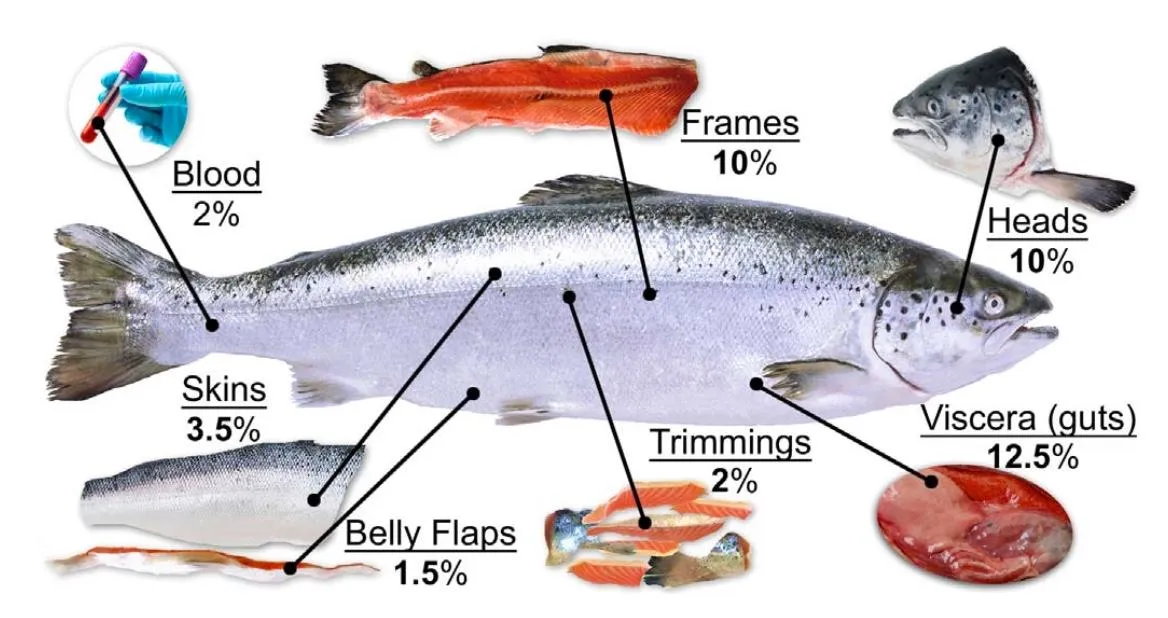
The rise of aquaculture by-products: increasing food production, value, and sustainability through strategic utilisation
In this article, researchers from the UK and USA present their findings of a 2015 case study of Scottish salmon farming, their goal being to illuminate the economic and food security value that may be gained through improved management and use of aquaculture by-products.
Read
Image
Resource
New WWF report highlights the impacts of our appetite for animal protein on the environment
The new report by World Wildlife Fund, Appetite for Destruction, highlights the vast amount of land that is needed to grow the crops used for animal feed, including in some of the planet’s most vulnerable areas such as the Amazon, Congo Basin and the Himalayas.
Read
Image
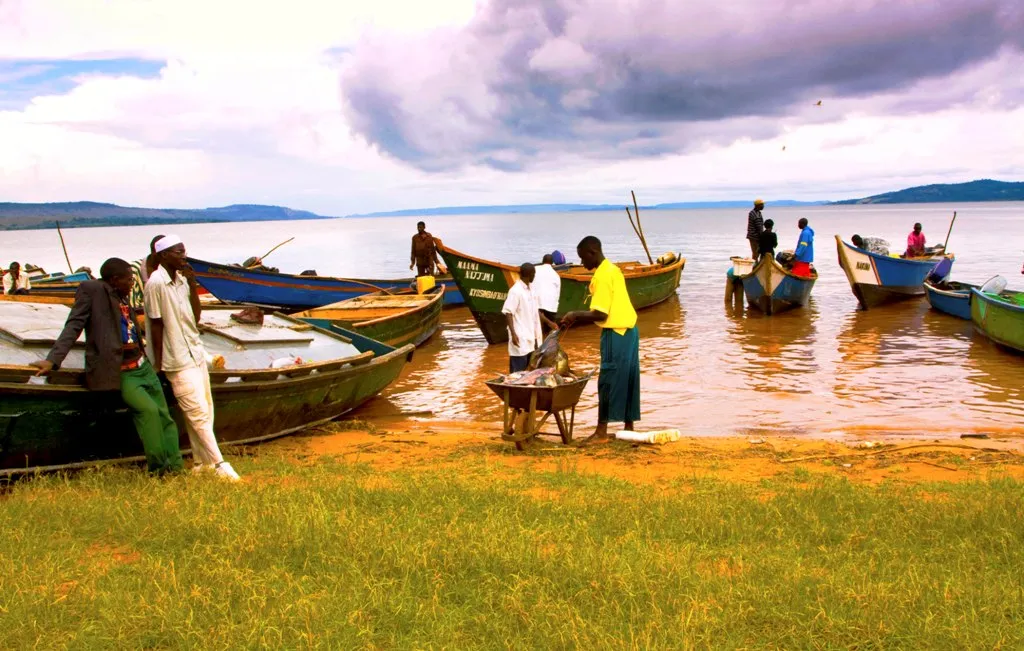
Photo: natalienicolecrane, fishing at lake victoria, Flickr, Creative Commons License 2.0 generic.
Resource
Human health alters the sustainability of fishing practices in East Africa
A common hypothesis used to link declining human health to environmental outcomes predicts that illness will reduce human populations or harvest effort, thus benefitting the environment. When investigating the behaviour of fishers around Lake Victoria in Kenya, this research found little evidence that illness reduced fishing effort to indirectly benefit the environment. Instead, ill fishers shifted their fishing methods – using more illegal methods concentrated in inshore areas, that are less physically demanding but environmentally destructive.
Read
Image
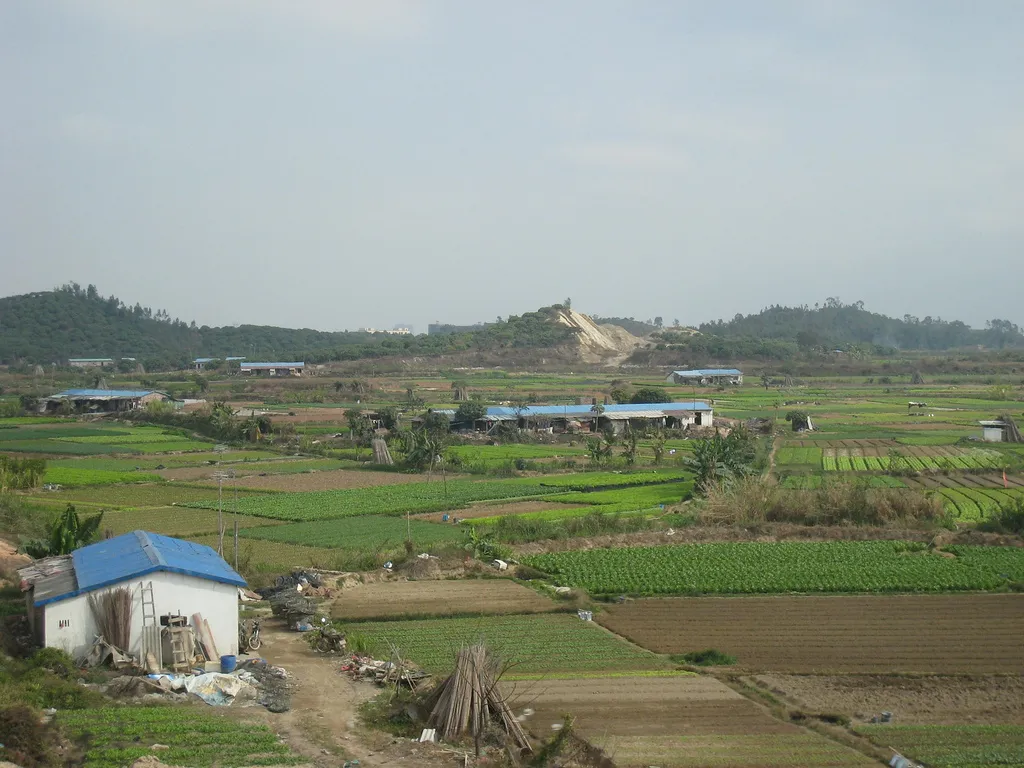
Photo: Connie, polyculture, Flickr, Creative Commons License 2.0 generic.
Resource
Farming and the geography of nutrient production for human use: a transdisciplinary analysis
This paper, taken from an inaugural edition on planetary health in the Lancet, analyses global food and nutrient production and diversity by farm size, providing evidence on how smallholder farmers contribute to the quantity and quality of our global food supply and discussing the structural impacts of agriculture on nutrient availability.
Read
Image
Photo credit: Vincent-Lin, Fish, Flickr, Creative Commons License
Resource
Assessing the inclusion of seafood in the sustainable diet literature
This systematic review considers how seafood is currently incorporated and assessed in the sustainable diets literature and examines the barriers to more adequate inclusion of seafood within research on sustainable diets. 
Read
Image
Credit: thebarrowboy - trawling, Flickr, Creative Commons Licence 2.0
Resource
Future fisheries can expect $10 billion revenue loss due to climate change
The authors used a species distribution model and applied this to the 887 marine fish (which represents 60% of global average annual catch in the 2000s) and invertebrate species in the world oceans under high and low emissions scenarios. The authors find that global maximum catch potential (MCP) is projected to decrease globally by 7.7% between 2010 and 2050, under the business as usual scenario, and the global revenue from this is predicted to decrease by 10.4% compared to 2010. Under the low emissions scenario, MCP is projected to decrease globally by 4.1% and revenue by 7.1%​
Read
Image
Resource
Global fish consumption per capita hits record high according to new FAO report
This is the 2016 edition of the FAO’s State of World Fisheries and Aquaculture.  The report estimates that fish now provide 6.7% of all protein consumed by humans globally, passing the 20kg per capita and year mark for the first time.
Read
Image
Resource
Genetically modified salmon wins FDA approval
This article in Science Magazine discusses how a genetically modified (GM) salmon has become the first animal to be approved by the U.S. Food and Drug Administration (FDA).  
Read
Image
Resource
Nearly half of U.S. seafood supply is wasted – new paper quantifies loss from production to consumption
This paper by researchers at the Johns Hopkins Center for a Livable Future (CLF) suggests that as much as 47 percent of the edible U.S. seafood supply is lost each year.  The paper shows that the majority of the waste is produced mainly at the consumer stage. The waste issue adds another layer of pressure on fish stocks and the global seafood supply that are already seriously threatened by overfishing, climate change, pollution, habitat destruction and the use of fish for other purposes besides human consumption.
Read
  • VIEW MORE

Sign up for Fodder, our newsletter covering sustainable food news.

Sign up
  • Glossary
  • About
  • Our Writing
  • Podcasts
  • Resources

Social

YouTube Facebook Instagram

© Copyright 2025

A collaboration between: