Close
Login Register
Search
  • About
    • What We Do
    • Who We Are
    • FAQs
  • Our Writing
    • Explainers
    • Essays
    • Letterbox
    • Reports & More
  • Podcasts
  • Our Events
  • Projects
    • Power In The Food Systems
    • Local-Global Scale Project
    • MEAT: The Four Futures Podcast
    • Fuel To Fork
    • Nature
    • Reckoning with Regeneration
    • SHIFT
    • Rethinking the Global Soy Dilemma
  • Resources
  • Opportunities
    • Jobs
    • Funding
    • Courses
    • Collaborations
    • Events
  • Newsletter
  • TABLE (EN)
Search
Back

Fisheries

Image
Resource
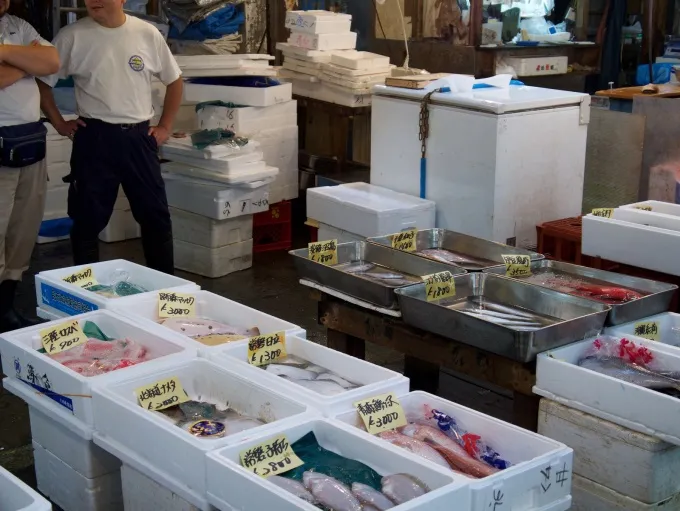
World-wide overfishing will not be solved by aquaculture expansion alone – tackling economic driving forces key
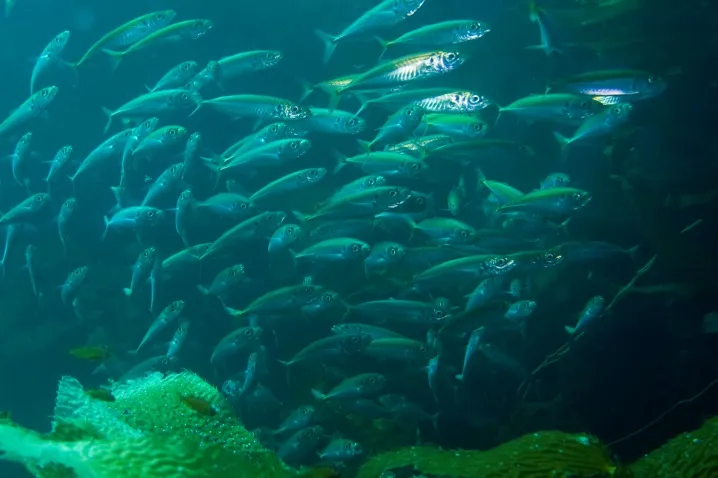
This paper finds that increasing global demand for fish (due to increasing incomes and worldwide population growth) and developments in fishing methods together threaten to further increase pressure on the most popular fish types. It considers improvements in two areas that may decrease this pressure; increasing the production of farmed fish (aquaculture) and improving the effectiveness of fisheries management. The authors assess how various scenarios of change would affect future wild stock status and simulate the stock development until the year 2048. Through different scenarios they outline ways that the fishery and aquaculture sectors might develop in the coming decades for four popular types of edible fish that are the most important for the world market;  sea bass, salmon, cod and tuna.
Read
Image
Resource
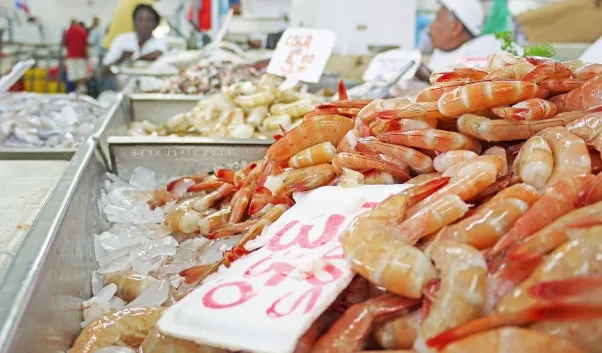
Can seafood with a high carbon footprint be sustainable?
This new paper in Marine Policy suggests that eco-label improvements can be made by integrating the carbon footprints of products in sustainability assessments (eco-labels, sustainability certification, or consumer seafood sustainability guides).
Read
Image
Resource
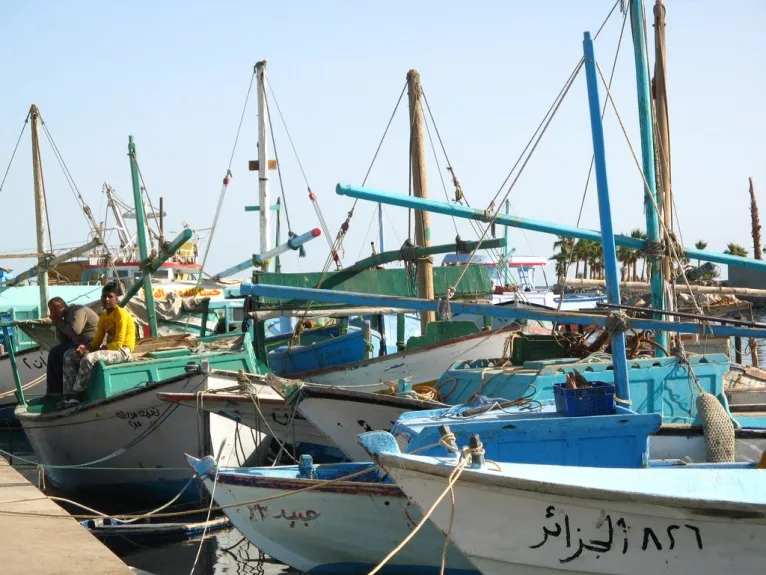
Secure sustainable seafood from developing countries
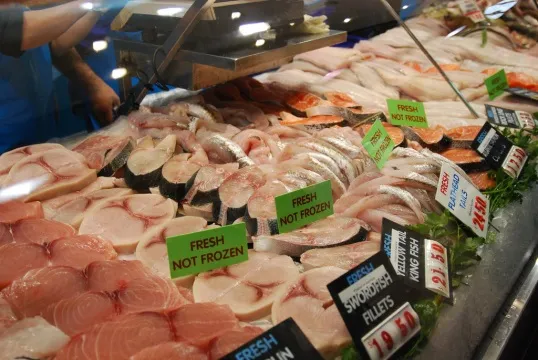
In this article in Science, researchers warn that imported fish sold in European and North American shops may be less sustainably caught than claims suggest. The experts argue that projects aimed at stimulating sustainable fishing in developing countries often don’t deliver on their goals and therefore, in order to prevent that the MSC (Marine Stewardship Council) quality label for sustainable fish is undermined,  requirements for market access need to be more rigorous.  
Read
Image
Resource
Ikea has launched a new veggie version of its famous Swedish meatballs
The launch of the new vegetarian alternative to the meatballs – grönsaksbullar - is what Ikea calls “the first step to include a wider variety of healthier and more sustainable food choices”.
Read
Image
Resource
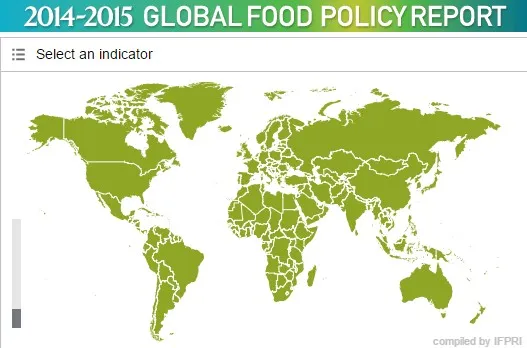
IFPRI’s 2014–2015 Global Food Policy Report
In this report IFPRI describes the major food policy issues, developments, and decisions of 2014 and highlights challenges and opportunities for 2015.
Read
Image
Resource
The First International Conference on Global Food Security – papers now online
A set of papers from the First International Conference on Global Food Security is now available online. The conference attracted 600 participants from 65 countries. All of the papers in the special issue are open access for the first year and available here.
Read
Image
Resource
UNEP-WCMC study predicts climate change will drive fish towards the poles
A study on the impact of climate change on fish stocks by scientists from the UN Environment Programme World Conservation Monitoring Centre (UNEP-WCMC) has identified ocean hotspots for fish extinction and a link between rising temperatures and fish movement.
Read
Image
Resource
Seafood businesses launch sustainable labelling and sourcing codes
The Sustainable Seafood Coalition (SSC) has launched a new 'labelling code', intended to ensure that consumers are sure about what environmental claims on fish and seafood mean. A new 'sourcing code' accompanies the labelling and ensures that the coalition members source their fish and seafood products responsibly.
Read
Image
Resource
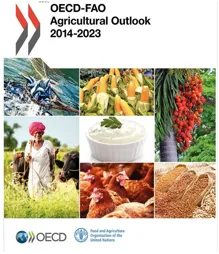
OECD- FAO Agricultural Outlook 2014-2023
This twentieth edition of the Agricultural Outlook, and the tenth prepared jointly between OECD and the UN Food and Agriculture Organization (FAO), provides market projections to 2023 for major agricultural commodities, biofuels and fish across 41 countries and 12 regions: OECD member countries (European Union as a region), key non-OECD agricultural producers (such as India, China, Brazil, Russian Federation and Argentina) and groups of smaller non-OECD economies in a more aggregated form. This edition includes a special focus on India.
Read
  • VIEW MORE

Sign up for Fodder, our newsletter covering sustainable food news.

Sign up
  • Glossary
  • About
  • Our Writing
  • Podcasts
  • Resources

Social

YouTube Facebook Instagram

© Copyright 2025

A collaboration between: