Close
Login Register
Search
  • About
    • What We Do
    • Who We Are
    • FAQs
  • Our Writing
    • Explainers
    • Essays
    • Letterbox
    • Reports & More
  • Podcasts
  • Our Events
  • Projects
    • Power In The Food Systems
    • Local-Global Scale Project
    • MEAT: The Four Futures Podcast
    • Fuel To Fork
    • Nature
    • Reckoning with Regeneration
    • SHIFT
    • Rethinking the Global Soy Dilemma
  • Resources
  • Opportunities
    • Jobs
    • Funding
    • Courses
    • Collaborations
    • Events
  • Newsletter
  • TABLE (EN)
Search
Back

Fisheries

Image
Reports
Future scenarios for fisheries under climate change
This working paper from the UK-based policy research organisation International Institute for Environment and Development explores the costs and benefits of different scenarios for future governance of high seas fisheries (i.e. those in international waters) under a changing climate.
Read
Image
Reports
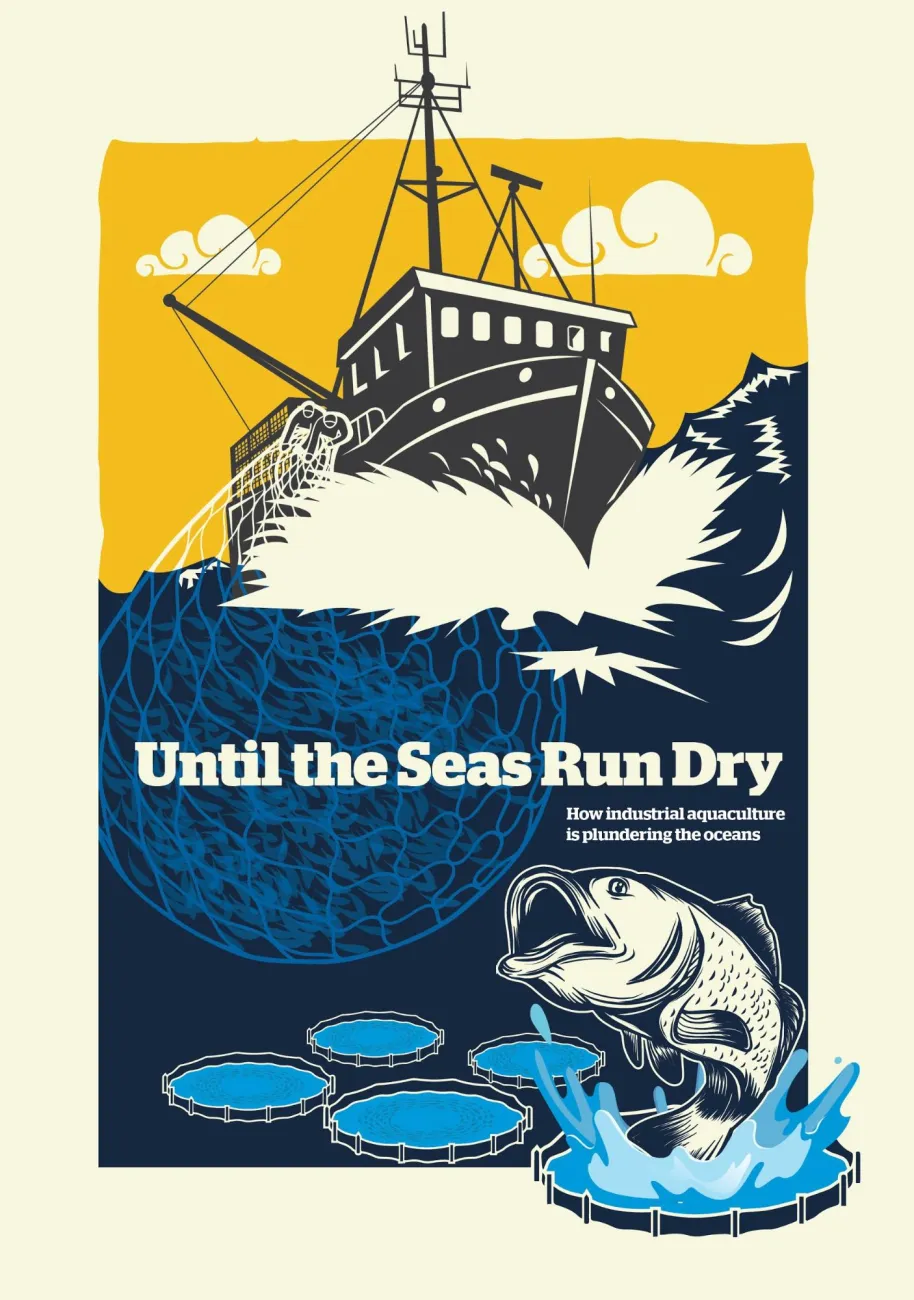
Environmental and social impacts of feeding fish to fish
This report from the US-based campaigning organisation Changing Markets Foundation examines the impacts of catching wild fish to feed to farmed fish in aquaculture operations, i.e. reduction fisheries.
Read
Image
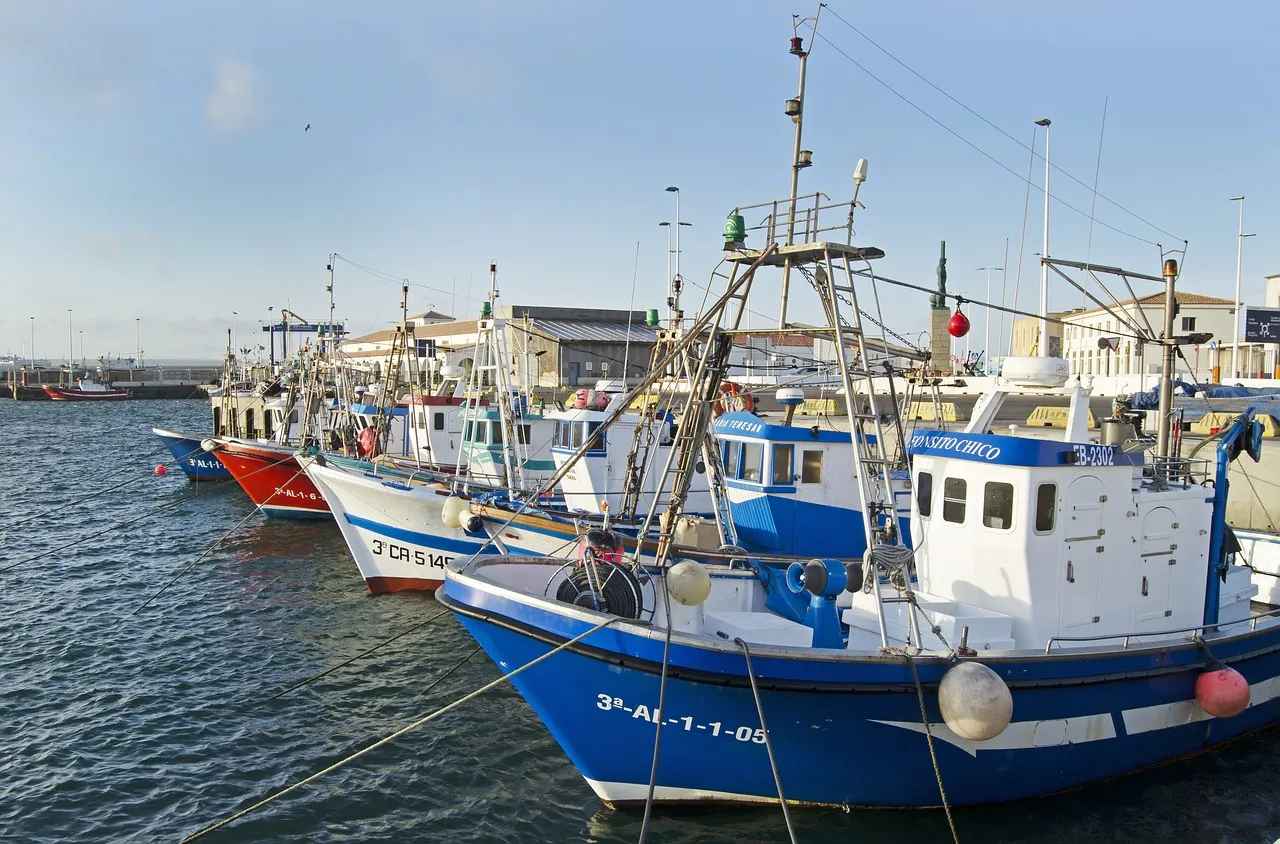
Image: Romaniamissions, Fishing boats Spain, Pixabay, Pixabay Licence
Journal articles
Impacts of historical warming on marine fisheries production
This paper retrospectively models the impacts of ocean warming on the productivity of 235 fish populations around the world representing around one third of reported global catch. It uses a temperature-dependent population model to estimate that the overall maximum sustainable yield of the fish populations dropped by 4.1% between 1930 and 2010.
Read
Image
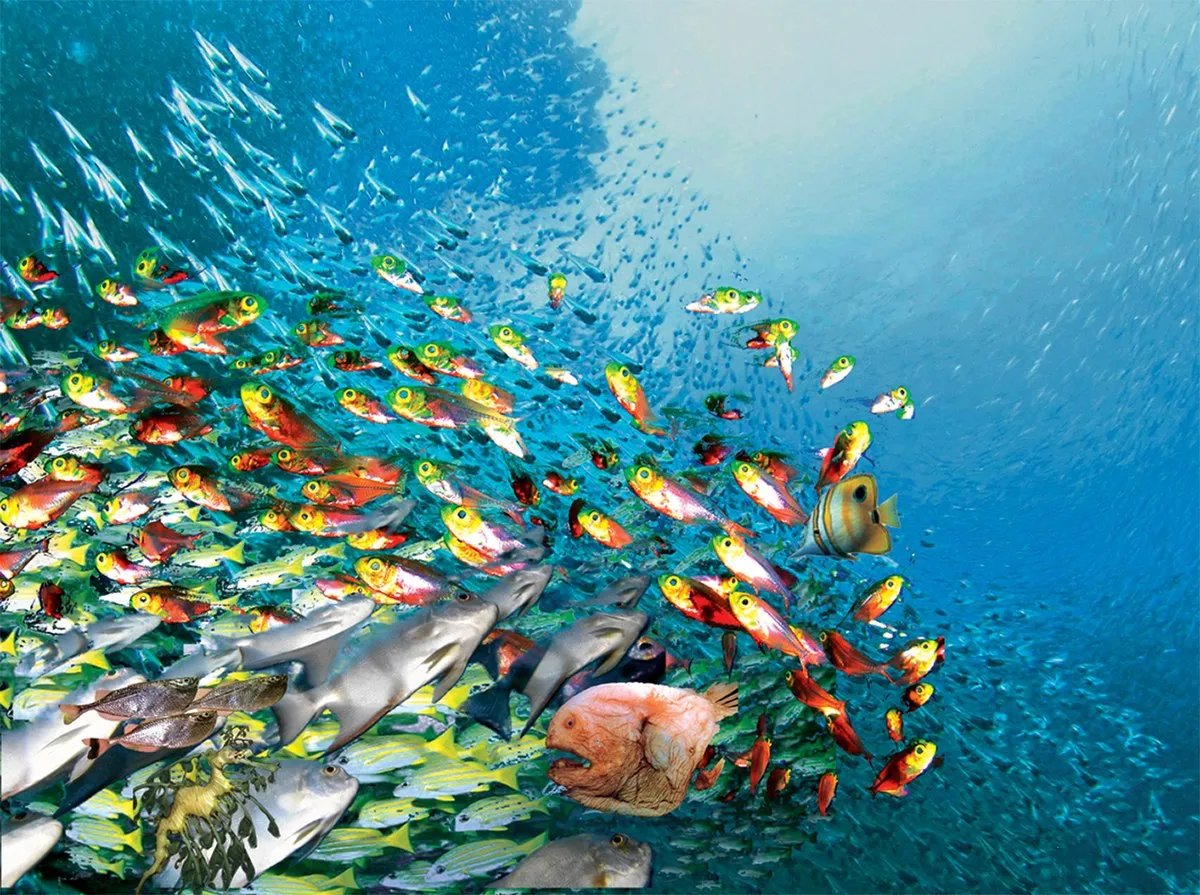
Image: Phil Manker, Swirling fish schools, Wikimedia Commons, Creative Commons Attribution 2.0 Generic
Journal articles
Benefits of Paris Agreement to ocean life, economies & people
This paper models the impacts that the Paris Agreement on climate change would have on seafood production. It finds that three quarters of maritime countries would benefit from the Agreement’s implementation.
Read
Image
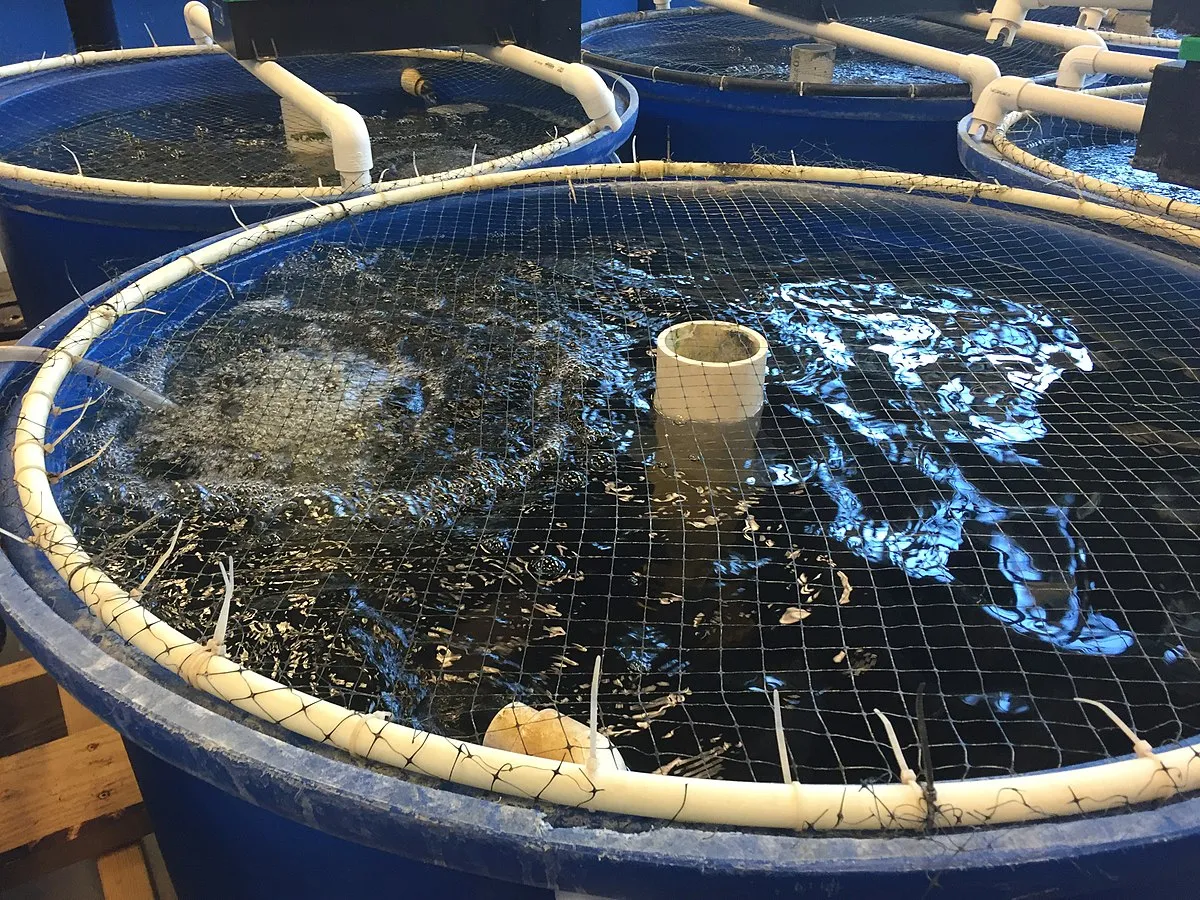
Image: Narek75, Recirculating Aquaculture System, Wikimedia Commons, Creative Commons Attribution-Share Alike 4.0 International
Journal articles
Aquaculture and the displacement of fisheries captures
Aquaculture generally supplements wild fisheries rather than replacing them, according to this paper, which used models based on historical data.
Read
Image
Reports
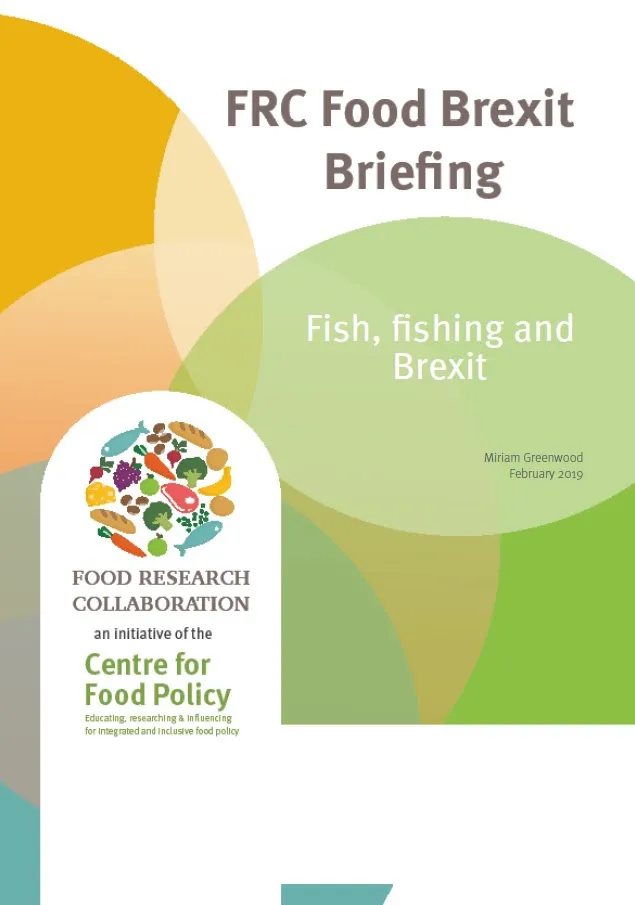
Fish, fishing and Brexit
This report, part of the UK Food Research Collaboration’s Food Brexit Briefings series, argues that the UK’s exit from the European Union will not solve the fishing industry’s problems - rather, that international fishing rules, overfishing and the UK’s own policies have contributed to those problems.
Read
Image
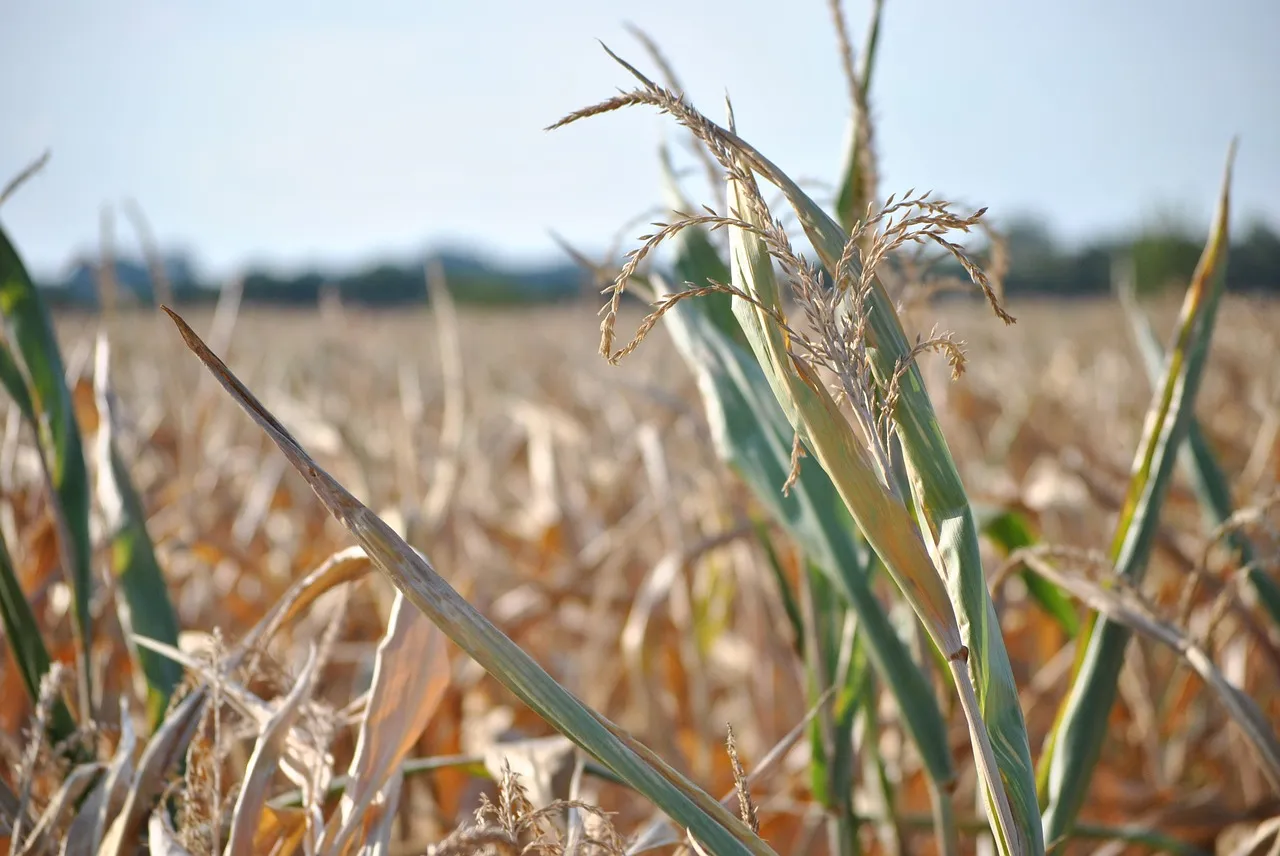
Image: Max Pixel, Plant field summer, Creative Commons CC0
News and resources
Audio series: The price of climate
These three audio reports from the Wall Street Journal explore the impact of climate change on commercial fisheries, cattle genetically engineered to tolerate higher temperatures, and how advances in artificial intelligence and genetics could help farmers to withstand crop disease and droughts.
Read
Image
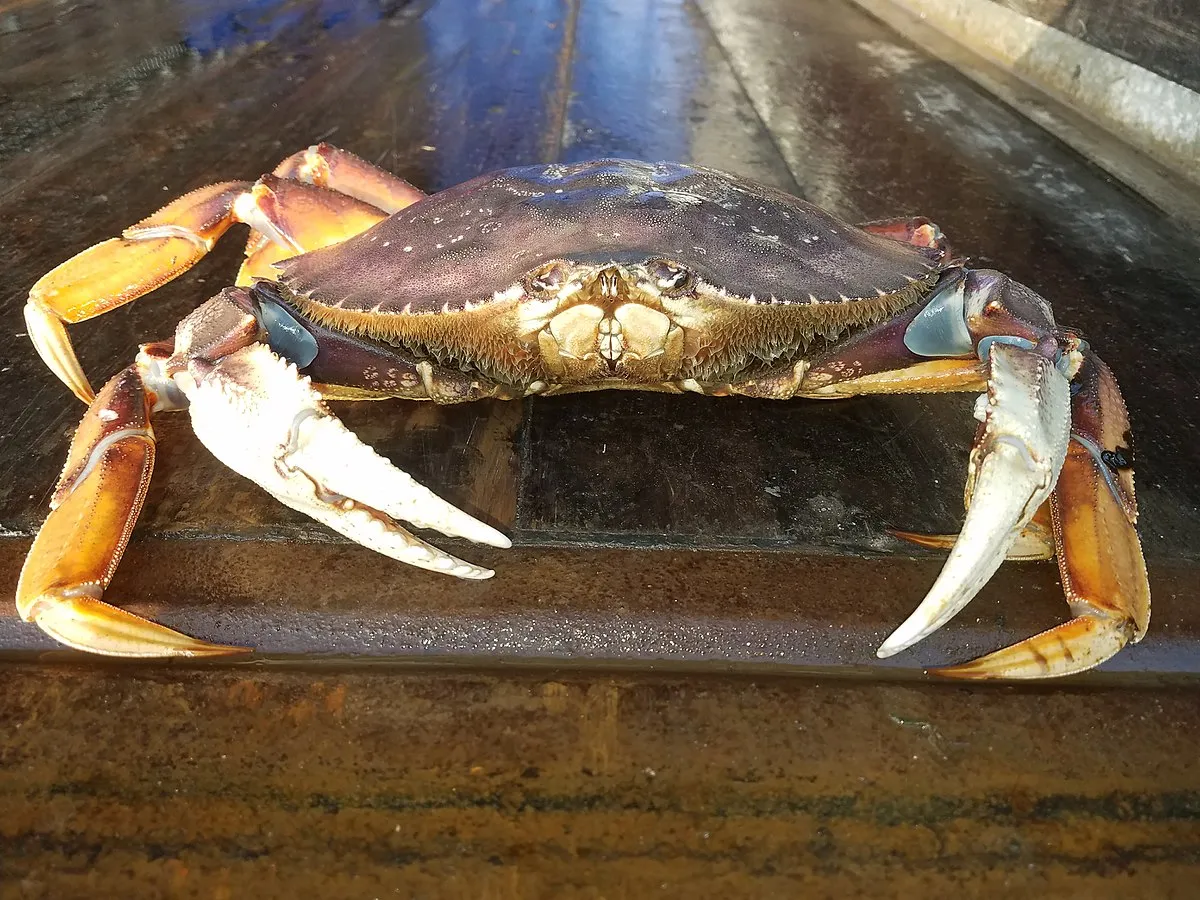
Image: Crabmanners, Large Dungeness Crab, Wikimedia Commons, Creative Commons Attribution-Share Alike 4.0 International
News and resources
Crab fishers sue oil and gas firms over climate change
The Pacific Coast Federation of Fishermen's Associations has taken legal action against 30 fossil fuel companies, arguing that the crab fishing industry is being harmed by climate change. Algal blooms, made more likely by warming ocean waters, have cut short crab fishing seasons.
Read
Image
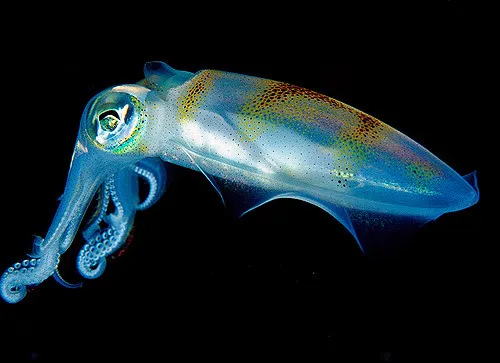
Image: Maia Valenzuela, translucent squid, Flickr, Creative Commons Attribution 2.0 Generic
Journal articles
Squid, octopus, and cuttlefish - the future of food?
This paper assesses the possibility that cephalopods, such as squid, octopus and cuttlefish, could become a more important source of food in the future. In contrast to many fish population, cephalopod populations have been rising over the last few decades, possibly due to warmer ocean temperatures. The paper gives an overviews of the nutrients provided by cephalopods and the ways that they can be used as food. The authors also note that some cephalopods, including the octopus, are intelligent and possibly sentient, raising ethical issues over their use as food.
Read
  • VIEW MORE

Sign up for Fodder, our newsletter covering sustainable food news.

Sign up
  • Glossary
  • About
  • Our Writing
  • Podcasts
  • Resources

Social

YouTube Facebook Instagram

© Copyright 2025

A collaboration between: