Close
Login Register
Search
  • About
    • What We Do
    • Who We Are
    • FAQs
  • Our Writing
    • Explainers
    • Essays
    • Letterbox
    • Reports & More
  • Podcasts
  • Our Events
  • Projects
    • Power In The Food Systems
    • Local-Global Scale Project
    • MEAT: The Four Futures Podcast
    • Fuel To Fork
    • Nature
    • Reckoning with Regeneration
    • SHIFT
    • Rethinking the Global Soy Dilemma
  • Resources
  • Opportunities
    • Jobs
    • Funding
    • Courses
    • Collaborations
    • Events
  • Newsletter
  • TABLE (EN)
Search
Back

Fisheries

Image
Books
Governing sustainable seafood
This book, by Simon R. Bush and Peter Oosterveer, examines the sustainability, governance and future of seafood.
Read
Image
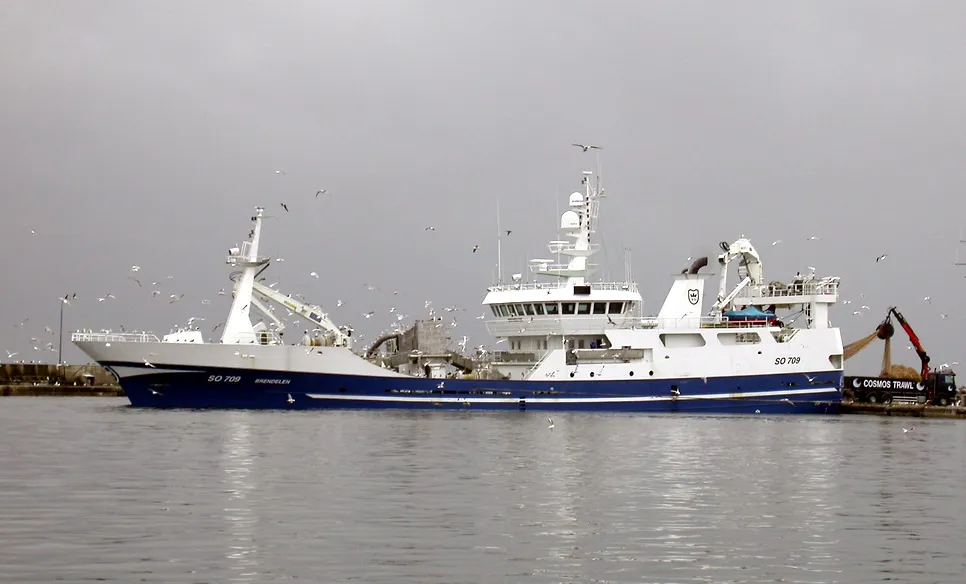
Image: skagman, Modern trawler, Skagen harbour, Denmark, Wikimedia Commons, Creative Commons Attribution 2.0 Generic
Journal articles
Wealthy countries dominate industrial fishing
The vast majority of industrial fishing (defined as fishing vessels of over 24 metres) is done by vessels that are registered to relatively wealthy countries, according to a recent paper. Vessels registered to high income and upper middle income countries (according to World Bank classifications) accounted for 97% of industrial fishing effort in international waters and 78% of industrial fishing effort in the national waters of poorer countries. China, Taiwan, Japan, South Korea, and Spain together account for most of the fishing effort.
Read
Image
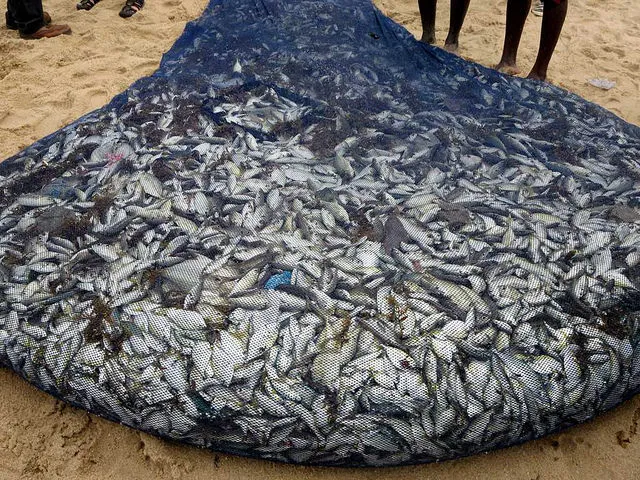
Image: David Stanley, Net full of fish, Flickr, Creative Commons Attribution 2.0 Generic
Journal articles
Race-to-fish: preemptive overfishing in marine reserves
Fishers increase their fishing activity prior to the establishment of a new marine reserve, a new paper claims. The study used satellite data to study one particular marine reserve, the Phoenix Islands Protected Area (PIPA). While fishing effort dropped to almost zero after the marine reserve was established, fishing effort prior to the reserve’s establishment was 130% higher than in a control region (where no reserve was planned).
Read
Image
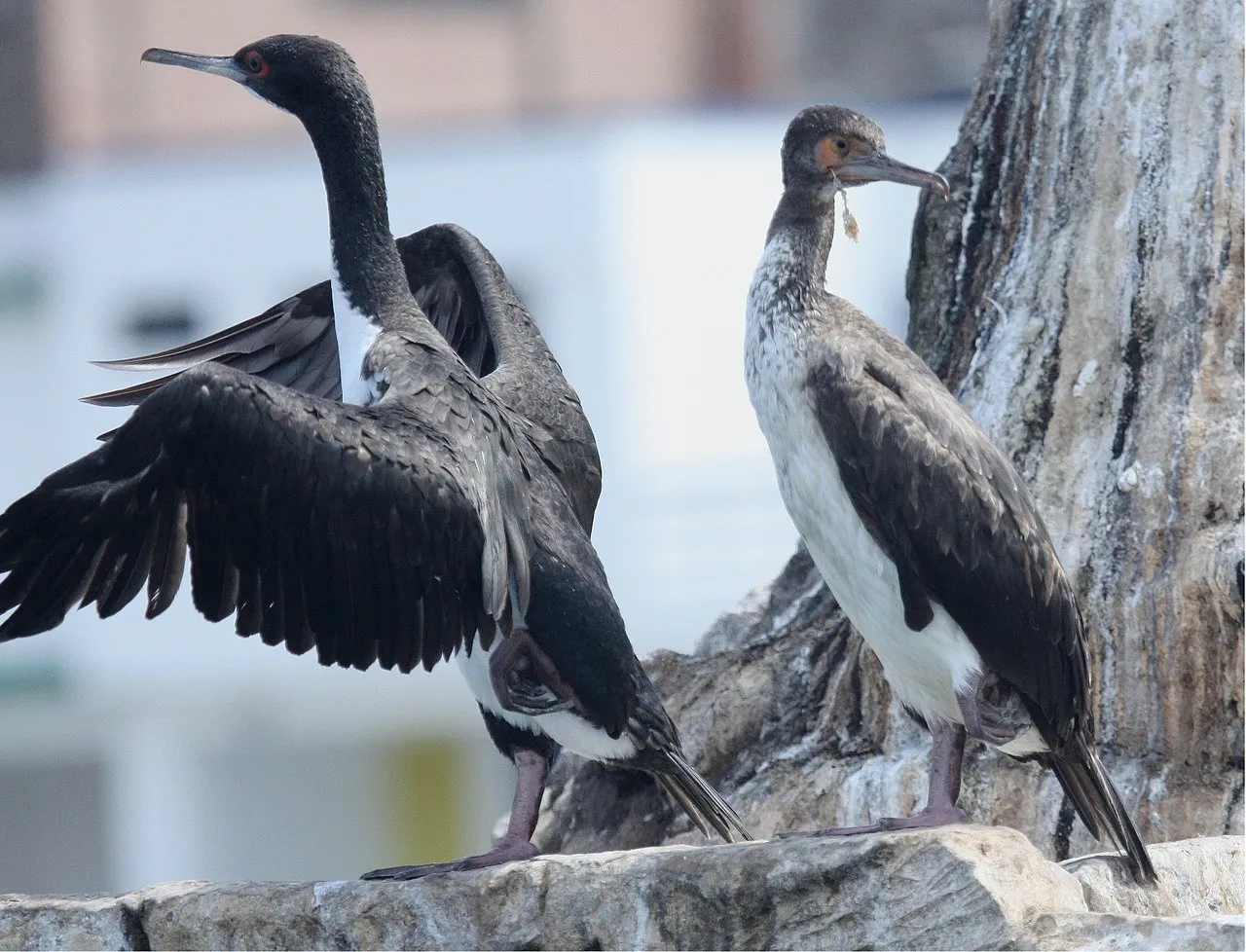
Image: TonyCastro, Guanay Cormorant, Wikimedia Commons, Creative Commons Attribution-Share Alike 4.0 International
Journal articles
Green lights on fishing nets reduce bycatch of diving birds
Attaching green light emitting diodes (LEDs) to gillnets (vertical fishing nets that catch fish behind the gills) reduces the number of guanay cormorants accidentally caught by 85% relative to control nets with no lights, reports a recent paper. A previous study of the same fishery has shown that illuminating nets can reduce bycatch of green turtles by 64% without reducing catch rates of the target species (the current paper did not specify catch rates of the target species). The authors hypothesise that it may be possible to tailor the wavelength of light to attract or repel specific species, according to a fishery’s needs.
Read
Image
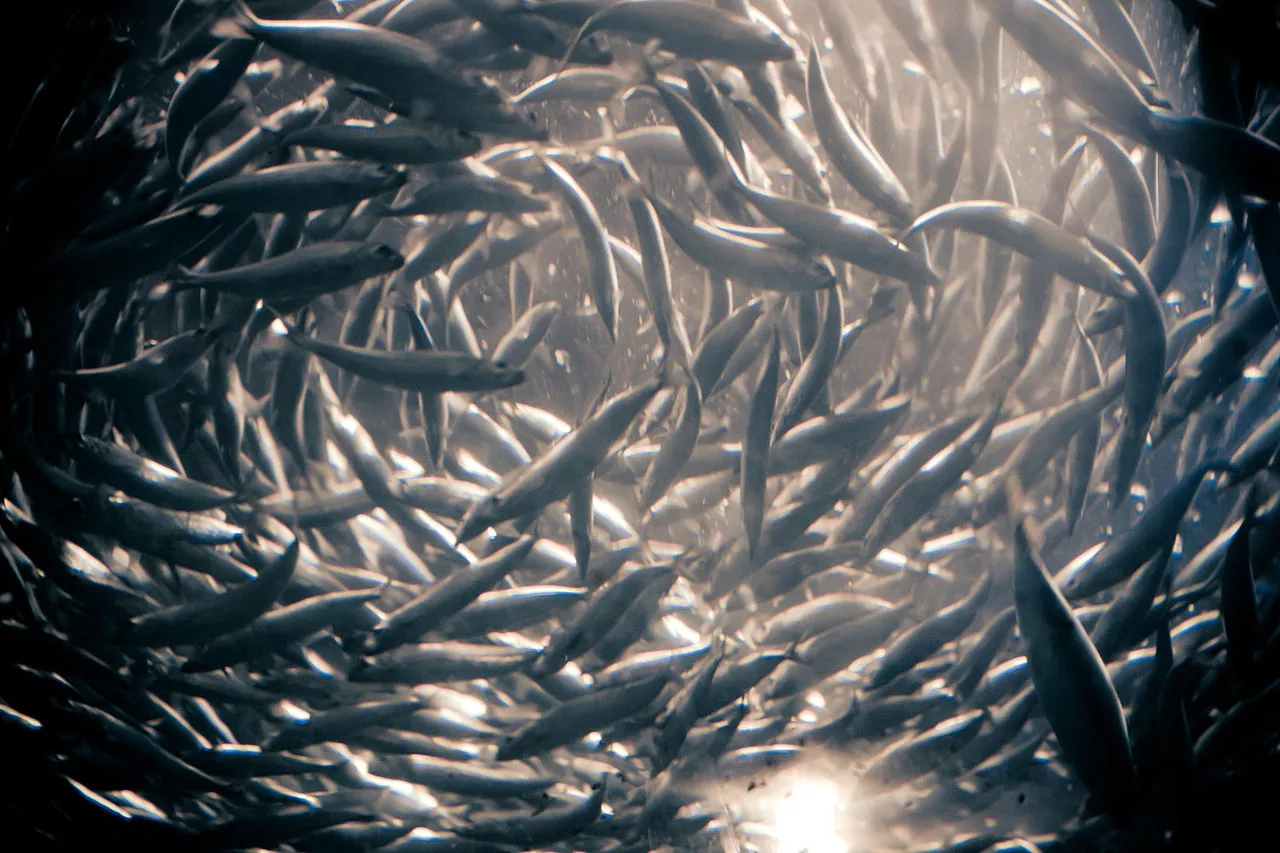
Image: Cliff, Swirling schools of Anchovies, Wikimedia Commons, Creative Commons Attribution 2.0 Generic
Journal articles
Avoiding the ecological limits of forage fish for fed aquaculture
Farmed fish are often fed on forage fish (such as anchovies and sardines) caught from the wild. A new paper points out that demand for forage fish to support aquaculture production is forecast to grow beyond the maximum sustainable supply level. The authors calculate that demand for forage fish could be reduced to below the maximum supply limit by combining a number of measures: reducing use of forage fish in land-based agriculture, replacing some forage fish with fish trimmings from processing, and reducing the proportion of forage fish in the diets of non-carnivorous farmed fish.
Read
Image
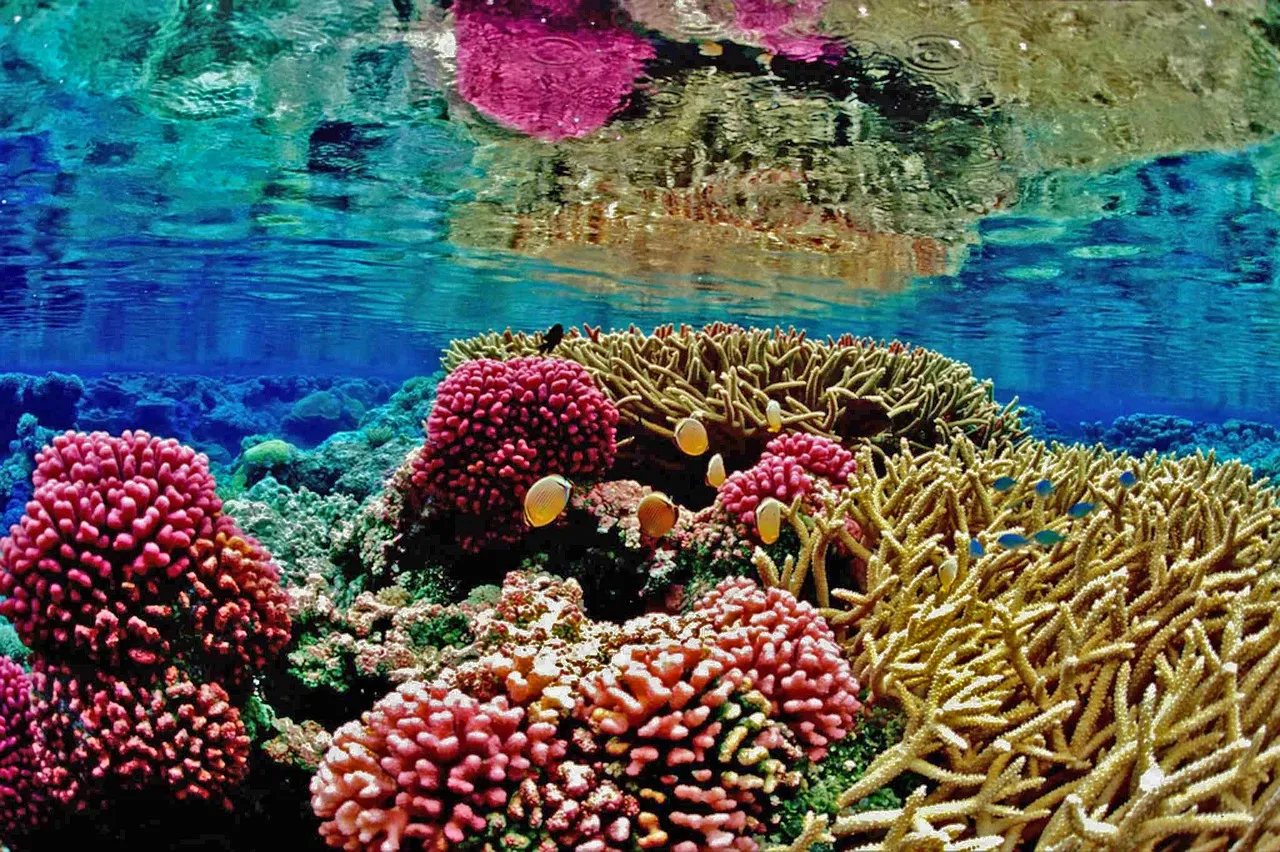
Image: Chaos07, Recife coral reef mar, Pixabay, CC0 Creative Commons
Journal articles
Only 13% of the ocean is classed as wilderness
The first systematic analysis of marine wilderness around the world finds that only 13% of the ocean can still be classed as wilderness, i.e. having experienced low impacts from human-caused stressors such as fertilizer runoff, fishing and climate change. Only 4.9% of that wilderness (covering 0.6% of total ocean area) falls within official marine protected areas.
Read
Image
Reports
Impacts of climate change on fisheries and aquaculture
The FAO has released a report on the current state of knowledge on how climate change will affect fisheries and aquaculture, including mitigation and adaptation options. The report finds that “climate change will lead to significant changes in the availability and trade of fish products”. Marine catches could decrease by 2050 in the tropics and rise in some high latitude regions, with a global decrease in Exclusive Economic Zones of 3% to 12%. Inland fisheries in Pakistan, Iraq, Morocco and Spain may come under greater stress, while those in Myanmar, Cambodia, the Congo, the Central African Republic and Colombia may remain under low stress in the future.
Read
Image
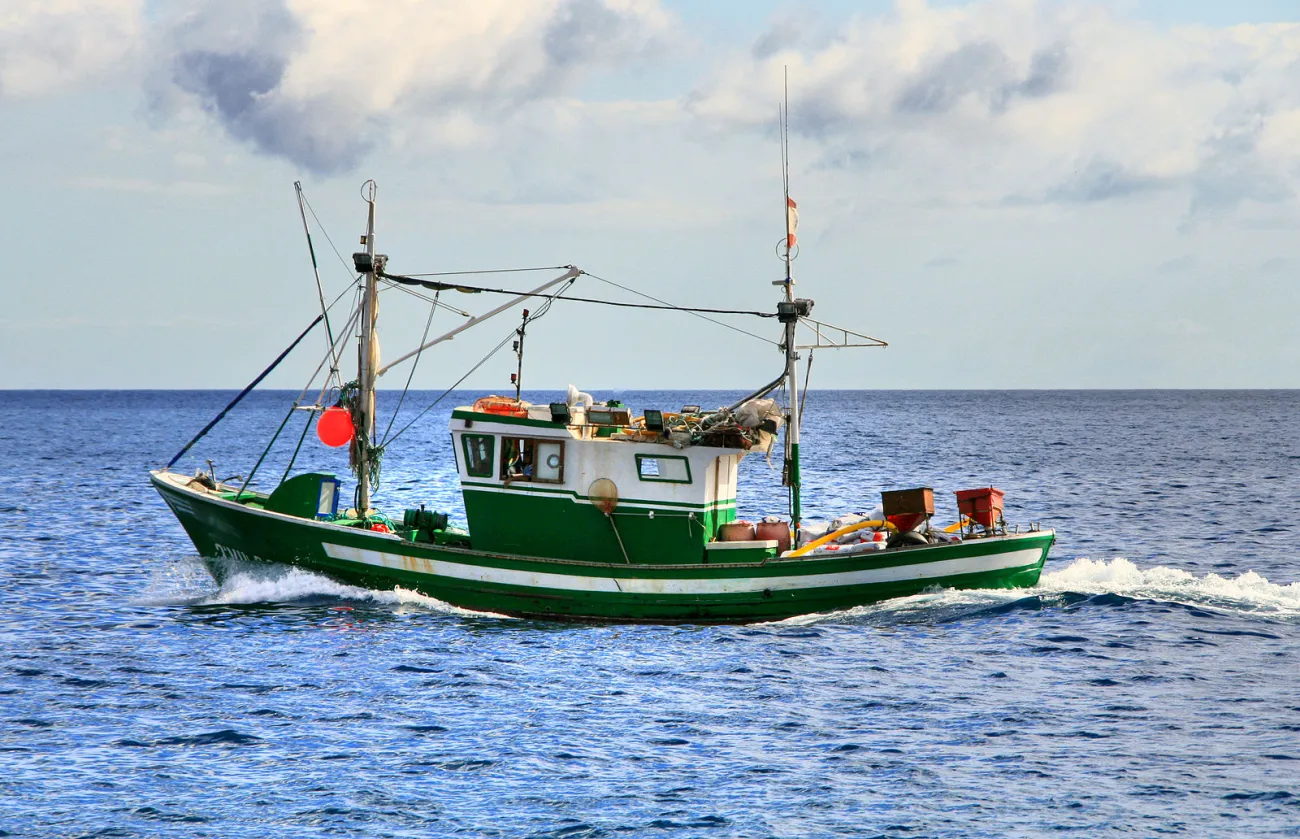
Image: Ian Sherlock, Fishing boat leaving, Canary Islands, Wikimedia Commons, Creative Commons Attribution-Share Alike 2.0 Generic
Journal articles
Fuel use and greenhouse gas emissions of world fisheries
A new paper finds that the global marine fishing fleet produces greenhouse gas emissions equivalent to 4% of the total emissions from global food production. The types of fisheries with the highest emissions intensity per unit of catch are those using motorised craft (vs. non-motorised), those harvesting for human consumption (vs. catches used for meal, oil or non-food uses), fishing for crustaceans (vs. other species types) and fisheries in China (vs. those in other regions).
Read
Image
Reports
State of world fisheries and aquaculture 2018
The FAO has released its 2018 report on world fishery and aquaculture statistics. Key findings include that fisheries output peaked in 2016, having remained approximately static since the late 1980s, while aquaculture production is rising, as shown in the figure below. In 2015, fish accounted for around 17% of global animal protein consumption. One third of fish stocks are currently overfished, although progress has been made in the United States and Australia in increasing the proportion of fish stocks that are sustainably fished.
Read
  • VIEW MORE

Sign up for Fodder, our newsletter covering sustainable food news.

Sign up
  • Glossary
  • About
  • Our Writing
  • Podcasts
  • Resources

Social

YouTube Facebook Instagram

© Copyright 2025

A collaboration between: