Close
Login Register
Search
  • About
    • What We Do
    • Who We Are
    • FAQs
  • Our Writing
    • Explainers
    • Essays
    • Letterbox
    • Reports & More
  • Podcasts
  • Our Events
  • Projects
    • Power In The Food Systems
    • Local-Global Scale Project
    • MEAT: The Four Futures Podcast
    • Fuel To Fork
    • Nature
    • Reckoning with Regeneration
    • SHIFT
    • Rethinking the Global Soy Dilemma
  • Resources
  • Opportunities
    • Jobs
    • Funding
    • Courses
    • Collaborations
    • Events
  • Newsletter
  • TABLE (EN)
Search
Back

Commodo hendrerit illum vicis. Brevitas causa commoveo facilisis hendrerit neque ratis saluto si.

Image
Photo: Loco Steve, Flickr, Creative commons licence 2.0
Resource
The simple menu innovations that can get people to order vegetarian options
This master thesis study from the London School of Economics shows how consumers are 56% less likely to order a plant-based dish when it is labelled vegetarian and categorised in a separate section on menus
Read
Image
Resource
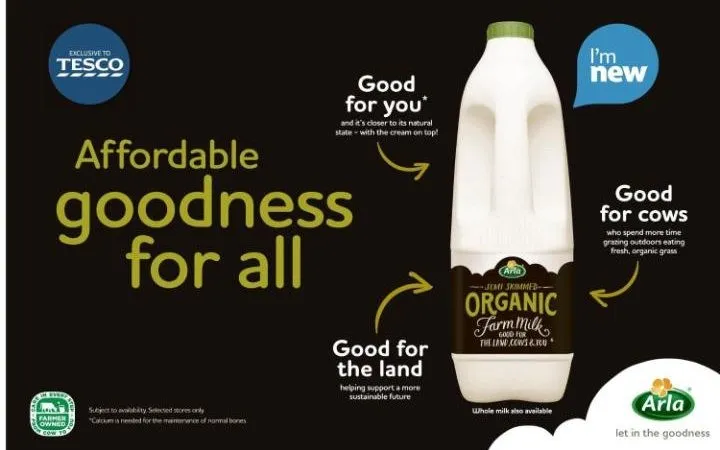
Arla organic milk ad’s claims that it is good for the land judged by Ad regulator as ‘misleading’
An ad used by Arla Foods to promote their organic milk has been banned as it used the "misleading" claim that its production is "good for the land". 
Read
Image
Photo: mrskyce, Nitrogen!, Flickr, Creative Commons License 2.0 generic.
Resource
Microbes and the next nitrogen revolution
This paper proposes a solution to the problems associated with the high inefficiencies and indirect detrimental environmental impacts caused by reactive nitrogen use in agriculture.The researchers suggest that land-based agriculture could be bypassed and that Haber Bosch derived nitrogen could be used directly for reactor based microbial protein production. The advantages of microbial protein production are summarised, as are the opportunities and technical challenges for large-scale production. The authors emphasise that, aside from the scientific innovation required, the main challenge to address is obtaining acceptability from regulators and consumers.
Read
Image
Resource
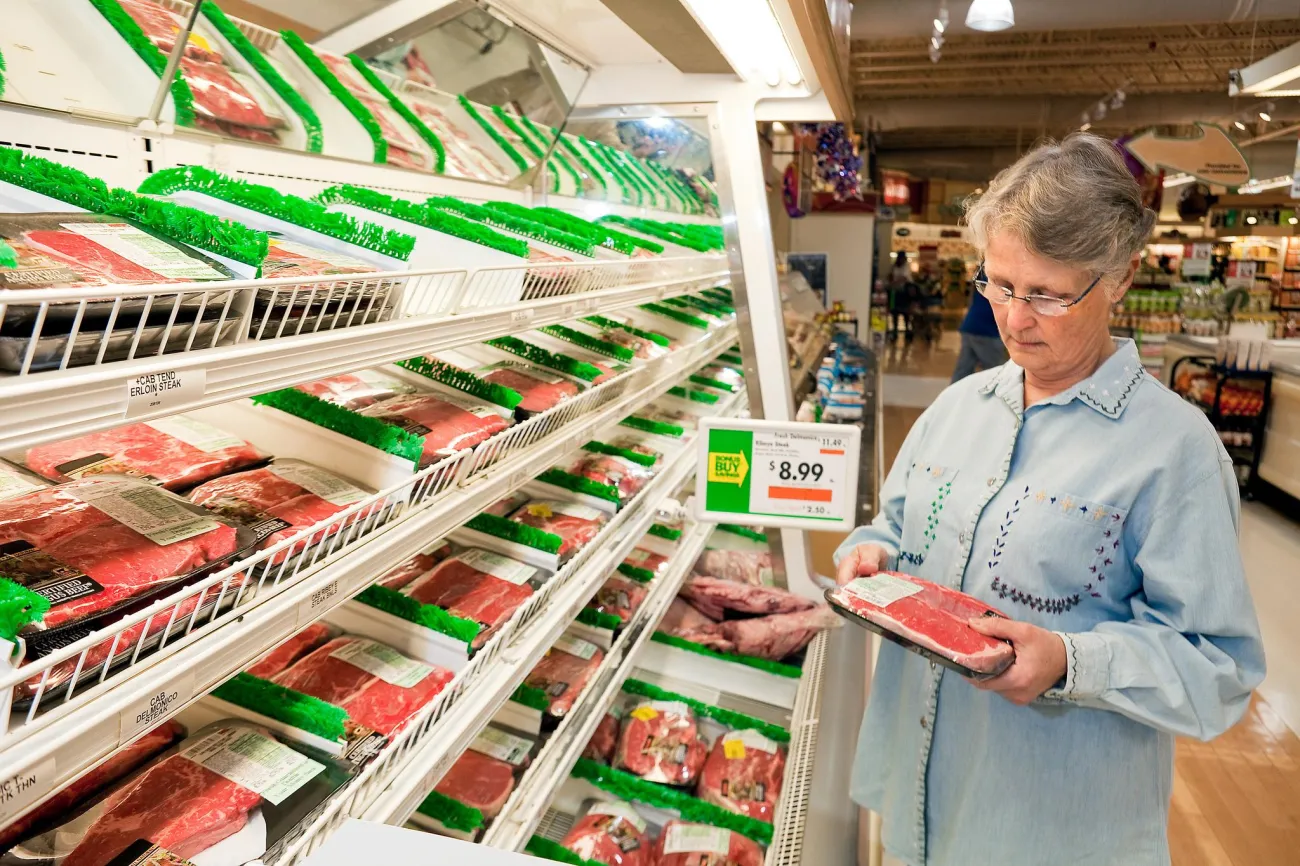
Sweden’s supermarkets campaign to reduce meat consumption
In Sweden two of the largest supermarkets in the country have launched campaigns aimed at creating increased consumer awareness around the environmental impact of meat, encouraging consumers to lower their intake of meat and promoting plant-based alternatives.
Read
Image
Image: the research paper’s appendix
Resource
The negative footprint illusion: Perceptual bias in sustainable food consumption
Psychological research has shown that people often don’t make decisions on a rational basis, but rather do so heuristically - based on rules of thumb - that can systematically bias choices. This has important implications when it comes to promoting the sustainable consumption of food.
Read
Image
Photo: USDA, Flickr, creative commons licence 2.0
Resource
New UK childhood obesity strategy criticised as weak and failing to deliver essential action to restrict advertising
A new strategy has been launched by the UK government to tackle overweight and obesity among children. The strategy highlights a reaffirmed commitment to the sugary drinks tax (the only measure in the strategy which is not based on voluntary action) and it emphasises the importance of sports and school breakfast clubs.
Read
Image
Resource
Senior nutrition can emulate the growth potential of infant formula
This article highlights one of the approaches the dairy industry is taking to create new markets for dairy consumption.
Read
Image
Resource
Commercialising edible insects – How to market the impossible
About 1900 species of insects are eaten worldwide by at least 2 billion people – not because they are short of food, but out of choice. But for most Western consumers the idea of insects as food is disgusting. However, a handful of entrepreneurial start-ups are working to change this.
Read
Image
Resource
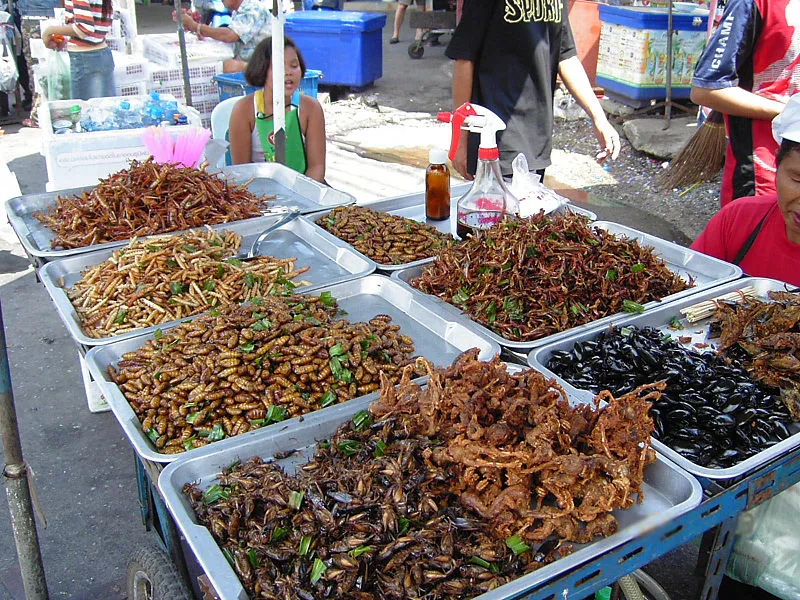
40% of Brits ready to try insects according to new report
New data from Canadean based on a survey of 2000 individuals finds that many people in Britain are interested in trying insects and around 6% say that they would like to eat them regularly.
Read
  • VIEW MORE

Sign up for Fodder, our newsletter covering sustainable food news.

Sign up
  • Glossary
  • About
  • Our Writing
  • Podcasts
  • Resources

Social

YouTube Facebook Instagram

© Copyright 2025

A collaboration between: