Close
Login Register
Search
  • About
    • What We Do
    • Who We Are
    • FAQs
  • Our Writing
    • Explainers
    • Essays
    • Letterbox
    • Reports & More
  • Podcasts
  • Our Events
  • Projects
    • Power In The Food Systems
    • Local-Global Scale Project
    • MEAT: The Four Futures Podcast
    • Fuel To Fork
    • Nature
    • Reckoning with Regeneration
    • SHIFT
    • Games at TABLE
    • Rethinking the Global Soy Dilemma
  • Resources
  • Opportunities
    • Jobs
    • Funding
    • Courses
    • Collaborations
    • Events
  • Newsletter
  • TABLE (EN)
Search
Back

Agricultural biodiversity

Image
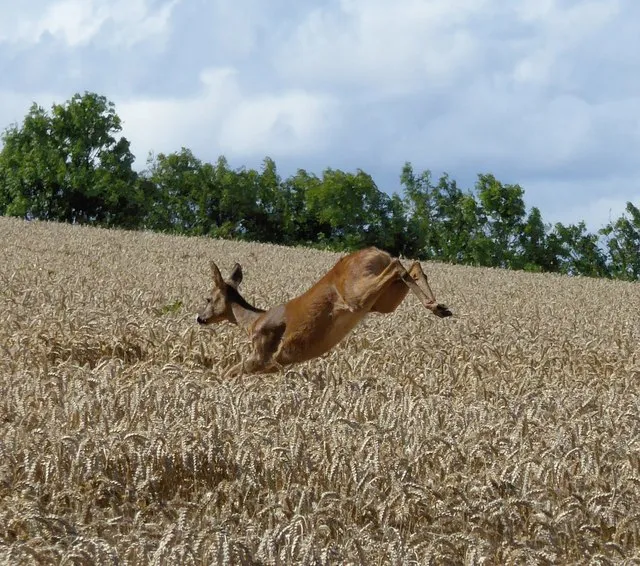
Image: Jackie Proven, Leaping deer in wheat field near Hawklaw, Geograph, Creative Commons Attribution-ShareAlike 2.0 Generic
Journal articles
Balancing farmland intensification and biodiversity
Intensifying agricultural production can make farmland less valuable for wildlife, says a new paper, but optimising land use (by intensifying agriculture in areas where it will cause the least biodiversity loss) can reduce the projected biodiversity loss by up to 88%. The winners and losers of this strategy depend on whether land use is optimised globally or nationally.
Read
Image
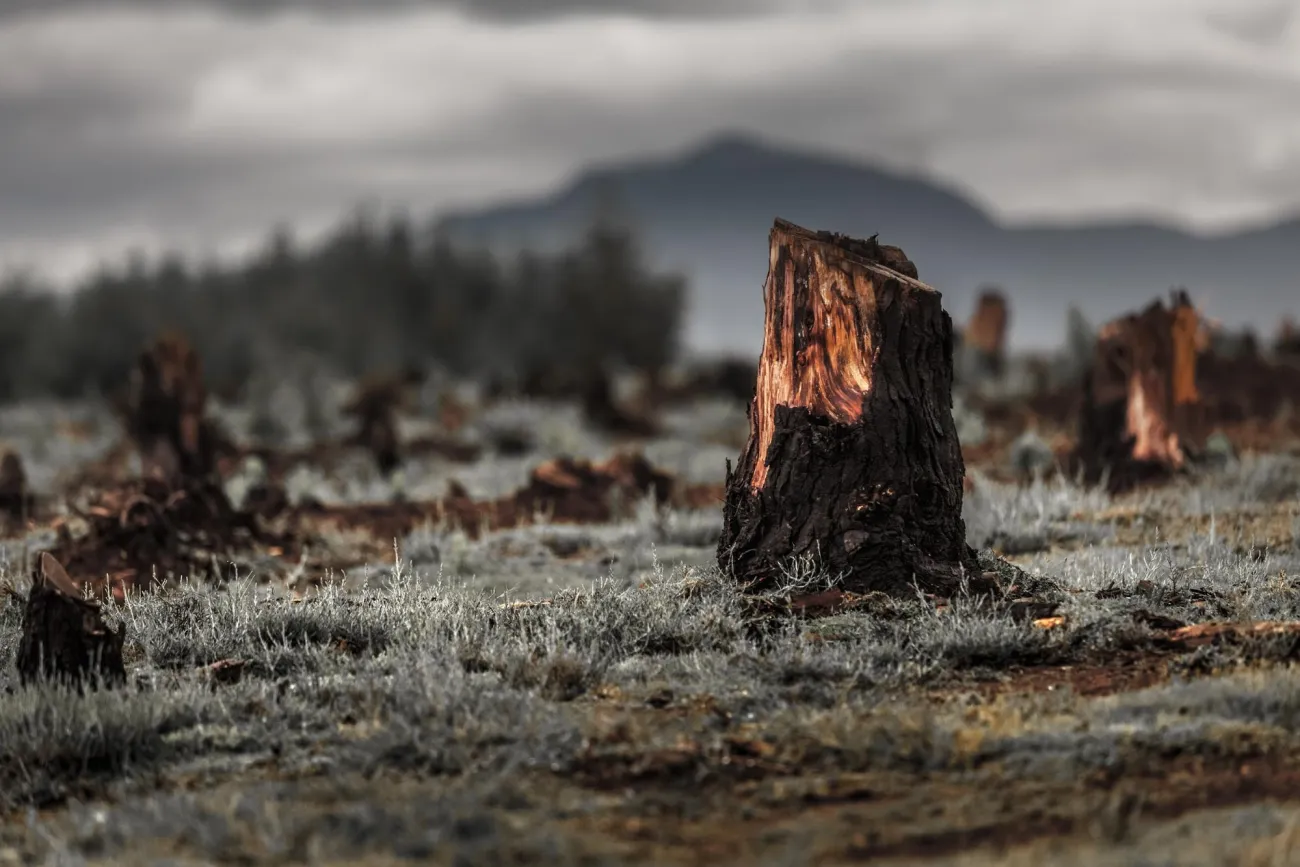
Image: Dudarev Mikhail, Stumps in the valley caused by deforestation and slash and burn types of agriculture in Madagascar, IPBES Media Resources
Resource
Summary for policymakers: IPBES assessment report on land degradation and restoration
Land degradation caused by human activities is driving the world towards a sixth mass species extinction, makes climate change worse, has negative impacts on at least 3.2 billion people and costs the world the equivalent of 10% of annual GDP through lost biodiversity and ecosystems services, according to a report from the Intergovernmental Science-Policy Platform on Biodiversity and Ecosystem Services (IPBES).
Read
Image
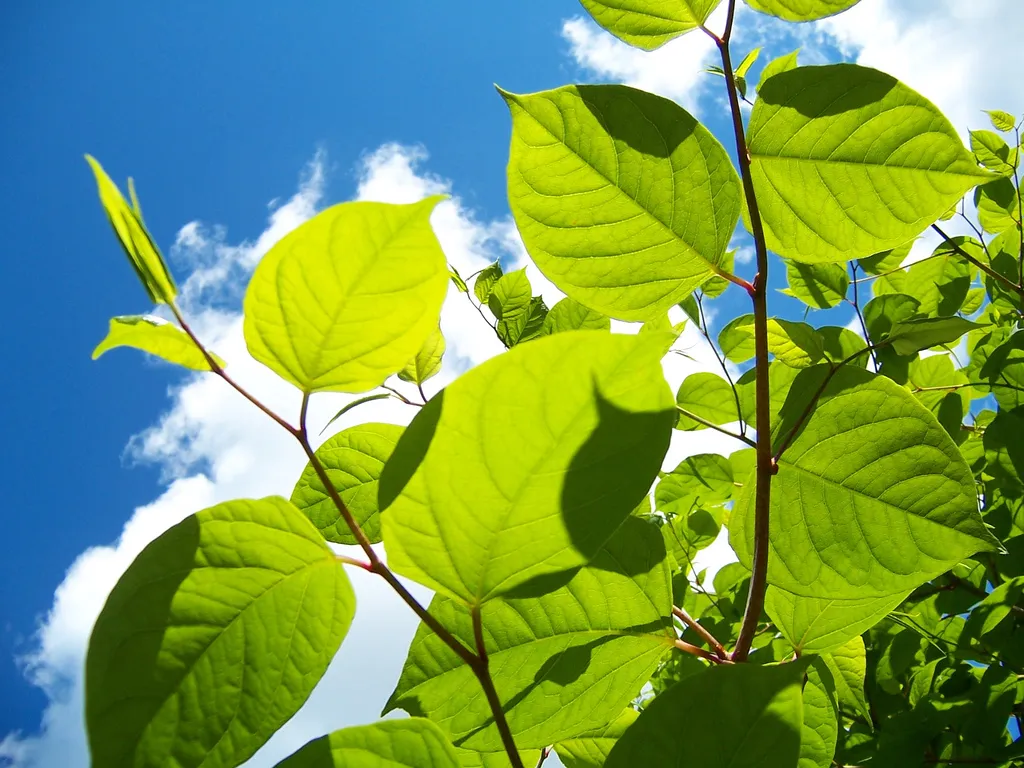
Image: Angus MacAskill, Japanese knotweed 2, Flickr, Creative Commons Attribution 2.0 Generic
Resource
A key debate: how valid are findings that local species richness is stable or increasing?
A perspective piece and an editorial have featured in the same edition of Biological Conservation (March 2018): both tackle a recent debate among conservation biologists as to whether at a local level biodiversity or species richness is changing and in what direction.
Read
Image
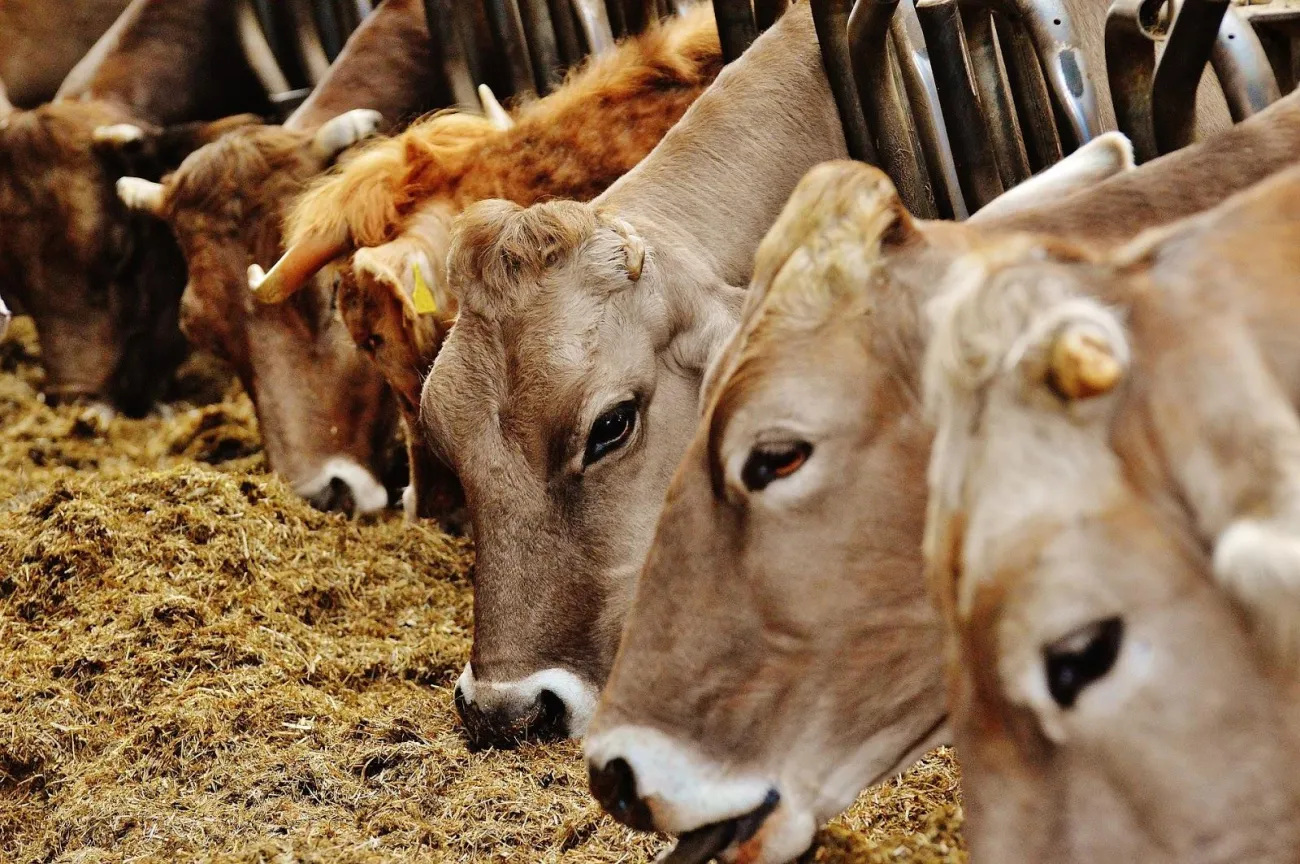
Image: Alexas_Fotos, Pixabay, CC0 Creative Commons
Resource
Land-use strategies to balance livestock production, biodiversity conservation and carbon storage in Yucatán, Mexico
This paper by researchers from the USA, UK and Mexico examines the biodiversity conservation and carbon storage implications of a number of land-use scenarios related to cattle ranching in Yucatán, Mexico.
Read
Image
Resource
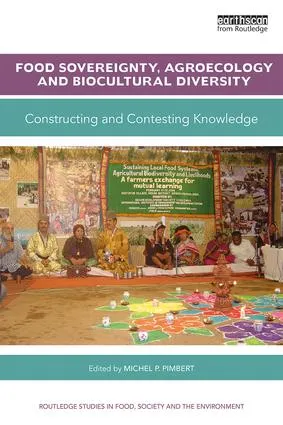
Food sovereignty, agroecology and biocultural diversity: constructing and contesting knowledge
This new book, edited by Michel. P. Pimbert, Director at the Center for Agroecology, Water and Resilience in the U.K., critically examines the kinds of knowledge and ways of knowing needed for food sovereignty, agroecology and biocultural diversity.
Read
Image
Resource
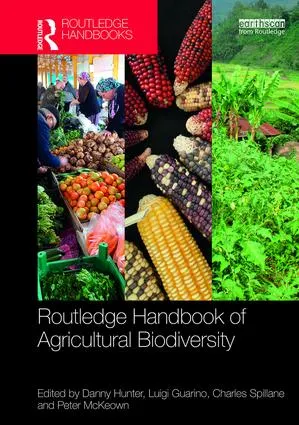
Book: Routledge Handbook of Agricultural Biodiversity
This new handbook, edited by Danny Hunter, Luigi Guarino, Charles Spillane and Peter C. McKeown, presents a comprehensive and multidisciplinary overview of the current knowledge of agricultural biodiversity.
Read
Image
Resource
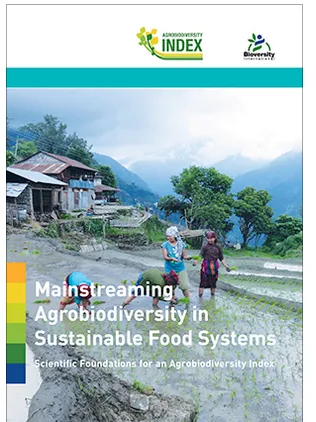
Mainstreaming agrobiodiversity in sustainable food systems: scientific foundations for an agrobiodiversity index
This new book by Bioversity International summarizes the most recent evidence on how to use agrobiodiversity to provide nutritious foods through harnessing natural processes.
Read
Image
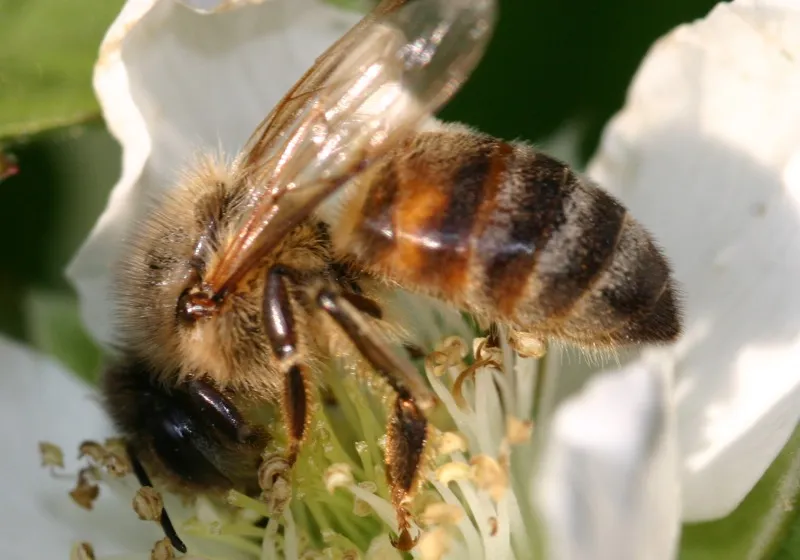
Photo: djfrantic, Bees on our Boysenberries, Flickr, Creative Commons License 2.0 generic.
Resource
How should conservationists respond to pesticides as a driver of biodiversity loss in agroecosystems?
This paper in Biological Conservation argues that the role of pesticides in driving biodiversity loss deserves renewed emphasis, quantification and amelioration. The authors present their views on how conservationists should support integrated approaches, for sustainable agriculture and rural development planning, that simultaneously address food security, pesticide use and biodiversity conservation.
Read
Image
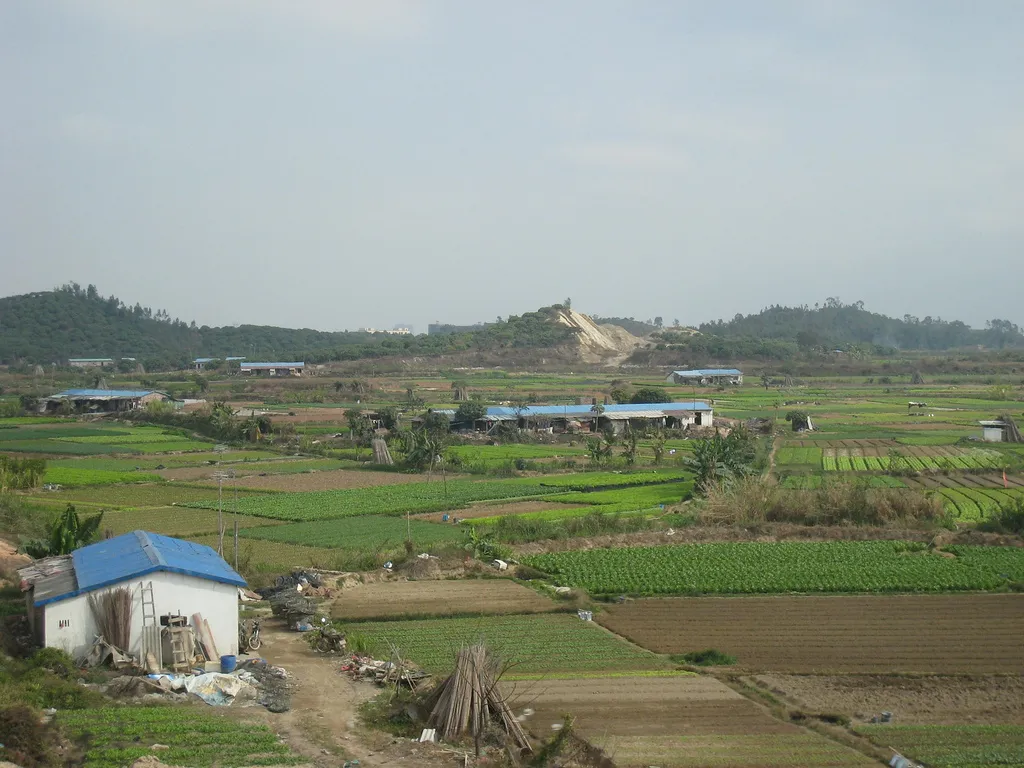
Photo: Connie, polyculture, Flickr, Creative Commons License 2.0 generic.
Resource
Farming and the geography of nutrient production for human use: a transdisciplinary analysis
This paper, taken from an inaugural edition on planetary health in the Lancet, analyses global food and nutrient production and diversity by farm size, providing evidence on how smallholder farmers contribute to the quantity and quality of our global food supply and discussing the structural impacts of agriculture on nutrient availability.
Read
  • VIEW MORE

Sign up for Fodder, our monthly newsletter unpacking the future of food.

Tick below to opt-in to email communications.

You can change your mind at any time by clicking the unsubscribe link in the footer of any email you receive from us, or by contacting us at info@tabledebates.org.

We use Mailchimp as our marketing platform. By clicking below to subscribe, you acknowledge that your information will be transferred to Mailchimp for processing. Learn more about Mailchimp's privacy practices.
  • Glossary
  • About
  • Our Writing
  • Podcasts
  • Resources

Social

YouTube Facebook Instagram

© Copyright 2025

A collaboration between: